

Contact Info
- Greensboro, NC 27406
- Call: 336-707-0498
- Text: 336-707-0498
-
Mon - Fri: 8am - 4pm
Sat - Sun: Closed
Contact Info
You stop smelling that musty odor coming up through your floors. The one that hits you when you walk in after being gone a few days.
Your energy bills drop because your HVAC isn’t working overtime to condition humid air. Your floors feel warmer in winter, and your whole house stays more comfortable year-round.
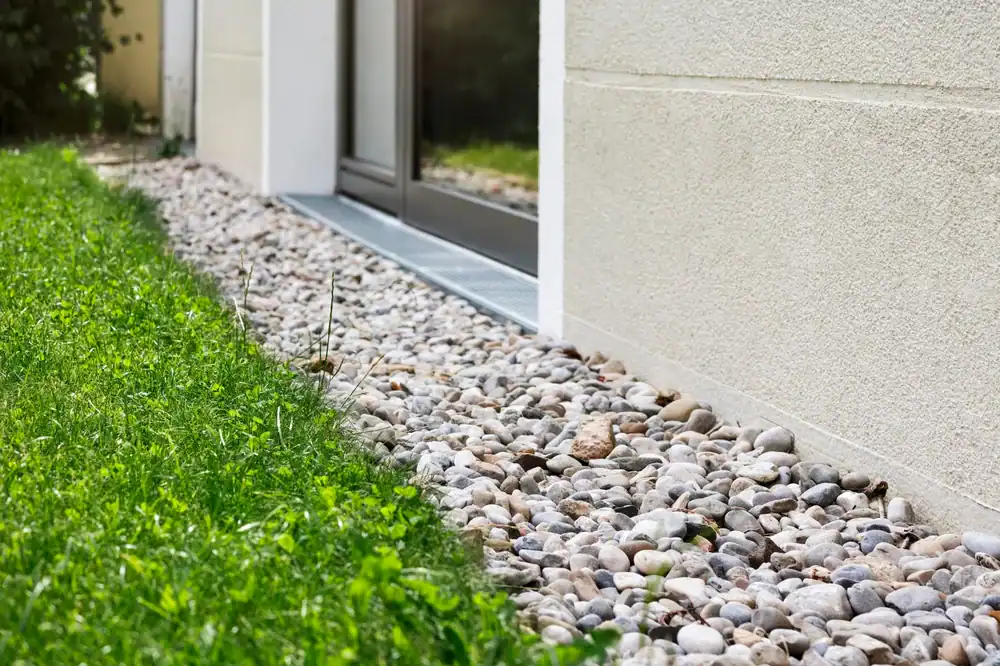
You’re not worried every time it rains. No more checking for standing water or wondering if that dampness is turning into mold behind your walls. A properly installed French drain system collects groundwater before it pools under your house and redirects it away from your foundation—so you’re not dealing with the same problem every spring or after heavy storms.
The air in your home gets cleaner. When crawl spaces stay wet, mold spores and allergens circulate through your ductwork and into the rooms where your family lives. Keeping moisture out means keeping those contaminants out too.
We’ve been serving homeowners in Lewisville, NC and the surrounding Greensboro area for over three decades. We’re NADCA-certified, which means our team—including Rick Watson (ASCS, CVI) and Noah Watson (ASCS)—follows national standards for indoor air quality and moisture control.
We know North Carolina’s red clay soil. We know how summer humidity combines with heavy rainfall to flood crawl spaces. And we know that most homeowners don’t realize their air quality problems start underneath their house until the damage is already happening.
French drain installation is part of how we help you control moisture at the source. We’re not landscapers who occasionally dig trenches—we’re indoor air quality specialists who understand how water infiltration affects your home’s structure, your health, and your comfort.

First, we inspect your crawl space to see where water is entering and how it’s moving under your house. Not every drainage problem looks the same, and the solution depends on your specific grading, soil type, and foundation layout.
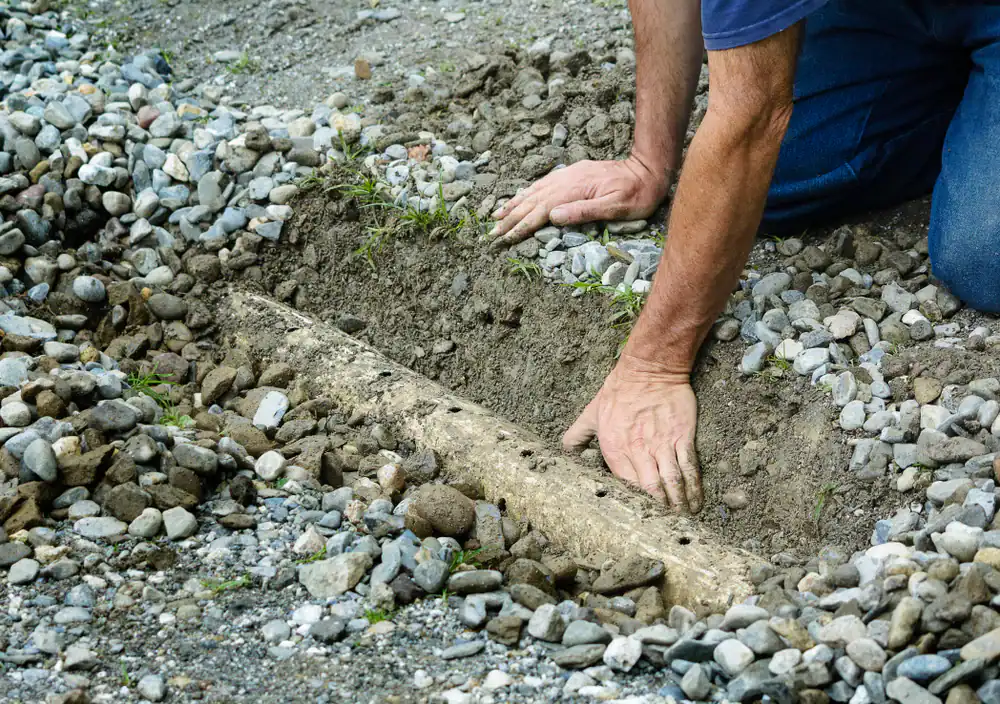
Once we’ve mapped out the water flow, we install a perimeter French drain around the inside of your crawl space. This trench collects groundwater before it can pool or saturate the soil under your home. We line it with the right materials to handle North Carolina’s clay soil—which expands when wet and contracts when dry—so the system doesn’t clog or shift over time.
The collected water gets directed to a sump pump or drainage outlet that moves it away from your foundation. You won’t see standing water. You won’t smell mildew. And you won’t be dealing with the same flooding issue next season.
Most interior French drain installations take one to two days. We don’t have to excavate your yard or damage your landscaping, and the cost is typically half of what you’d pay for exterior waterproofing. You get a system that works long-term without tearing up the outside of your property.
Ready to get started?
You’re getting a full perimeter drainage system designed specifically for crawl space moisture control. That means proper trench depth, the right gravel and pipe materials, and a layout that accounts for how water moves under your home.
In Lewisville and the surrounding Piedmont region, we’re dealing with clay-heavy soil and high summer humidity—often between 65% and 85%. That combination creates constant moisture exposure, especially during North Carolina’s storm season. A standard landscape drainage solution won’t handle the volume or consistency of water that builds up under a house in this climate.
We also integrate French drain installation with crawl space encapsulation when needed. Sealing your crawl space and controlling moisture with a drainage system gives you the best long-term protection against mold, wood rot, and structural damage. It’s not just about moving water—it’s about creating an environment where moisture can’t accumulate in the first place.
If you’ve already got foundation cracks, sagging floors, or visible mold growth, a French drain might be part of a larger waterproofing plan. We’ll walk you through what’s necessary and what’s not, so you’re not paying for work you don’t need.

Most French drain installations run between $20 and $60 per linear foot, depending on how deep we need to go, what materials your soil requires, and how accessible your crawl space is. For a typical crawl space with a 100-linear-foot perimeter, you’re looking at around $5,000 to $6,000 for a complete interior system.
That’s about half the cost of exterior waterproofing, and it installs faster—usually in one to two days instead of a full week. You’re also avoiding the expense and mess of digging up your yard, replanting landscaping, or repairing hardscaping around your foundation.
Interior drainage systems work just as well as exterior ones when installed correctly. The difference is where the water gets intercepted. Instead of digging around the outside of your foundation, we install the drain inside your crawl space where it catches groundwater before it becomes a problem. Same result, lower cost, less disruption.
Yes, if the flooding is caused by groundwater seeping in through your foundation or pooling under your house. A French drain collects that water and moves it out before it has a chance to accumulate.
If your flooding is coming from surface runoff—like water pouring off your roof or flowing downhill into your crawl space vents—you might also need grading work, gutter repairs, or vent sealing. We’ll assess where the water is actually coming from during the inspection so you know what’s going to solve the problem and what won’t.
North Carolina gets heavy rain, especially in spring and summer. If you’re seeing standing water after every storm, that’s a sign your crawl space doesn’t have adequate drainage. A properly installed French drain system handles that volume and keeps working through wet seasons without backing up or overflowing.
A professionally installed French drain can last decades if it’s built with the right materials and maintained occasionally. The pipe itself doesn’t wear out, but the system can clog if sediment or roots get into the trench over time.
That’s why we use proper filtration fabric and gravel that’s sized for North Carolina’s clay soil. Clay is dense and doesn’t drain well on its own, so the materials around your French drain need to handle fine particles without clogging. Cheap installations skip this step, and you end up with a system that works for a year or two before it stops draining.
You should check your sump pump (if you have one) once or twice a year to make sure it’s still working. Other than that, a well-installed French drain is mostly maintenance-free. If you notice water starting to pool again or your crawl space smells musty, that’s a sign something might need attention—but it’s usually a simple fix, not a full reinstall.
Yes. In fact, pairing a French drain with crawl space encapsulation gives you the most complete moisture control. The encapsulation seals off your crawl space from outside air and ground moisture, and the French drain handles any groundwater that’s already under your house.
If your encapsulation was done recently and you’re still seeing moisture or humidity issues, that usually means groundwater is getting in from below. A vapor barrier stops moisture from evaporating up through the soil, but it doesn’t stop water from flowing underneath your foundation. That’s where the French drain comes in.
We can install the drainage system without damaging your existing encapsulation. We’ll work around the vapor barrier and make sure everything stays sealed when we’re done. You end up with a crawl space that’s protected from moisture on all sides—not just the top.
A French drain is installed underground and collects water that’s already in the soil. It’s designed to lower the water table around your foundation and prevent groundwater from pooling under your house. You don’t see it once it’s installed—it’s buried in a gravel-filled trench.
A trench drain (sometimes called a channel drain) sits at surface level and catches water that’s flowing across the ground. You’ll see these in driveways, patios, or along the edges of buildings where rainwater runs off. They’re open channels with grates on top.
For crawl space flooding and foundation moisture, a French drain is almost always the right choice. You’re dealing with water that’s coming up from below or seeping through your foundation walls—not water that’s running across the surface. Trench drains work great for landscape drainage solutions, but they won’t stop groundwater infiltration.
It depends on the scope of the work and where the water is being discharged. Most interior French drain installations in crawl spaces don’t require a permit because you’re not altering the structure of your home or connecting to municipal systems. But if the drainage ties into a sump pump that discharges onto neighboring property or into a stormwater system, your local building department might want to review the plan.
We handle permit requirements as part of the installation process when they’re needed. Lewisville and Forsyth County have specific rules about where you can direct drainage water, especially if you’re near wetlands, streams, or shared property lines.
The bigger issue isn’t the permit—it’s making sure the system is installed to code and won’t cause problems down the line. A French drain that dumps water too close to your foundation or onto a neighbor’s lot can create liability issues or even make your moisture problem worse. We design the system to meet local standards and drain water safely away from all structures.