

Contact Info
- Greensboro, NC 27406
- Call: 336-707-0498
- Text: 336-707-0498
-
Mon - Fri: 8am - 4pm
Sat - Sun: Closed
Contact Info
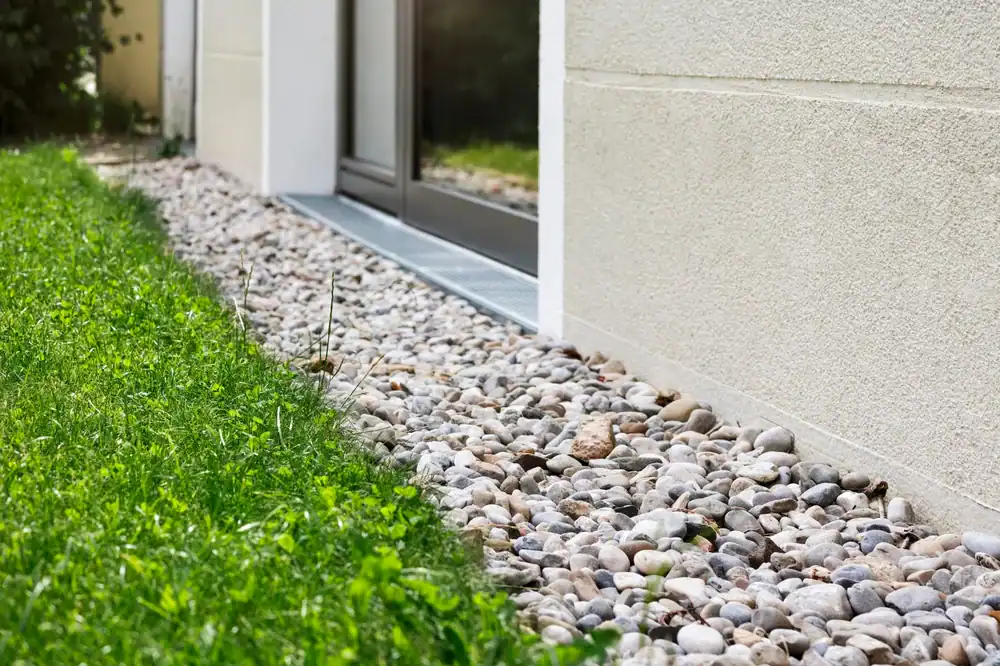
You walk into your crawl space and don’t smell that musty, damp odor anymore. The air in your home feels fresher because you’re not pulling moisture and mold spores up through your floors. Your floors feel warmer in winter because wet insulation isn’t killing your energy efficiency.
When French drains work the way they should, water gets intercepted before it pools around your foundation. It gets channeled away from your home instead of sitting there, slowly working its way into your crawl space. That means no standing water, no constant humidity, and no environment where mold can thrive.
Your foundation isn’t taking on hydrostatic pressure from saturated soil. You’re not dealing with efflorescence on your block walls or cracks that seem to appear out of nowhere. The structure under your home stays stable because the ground around it isn’t expanding and contracting with every rain cycle.
This is what proper crawl space drainage does. It removes the problem at the source so you’re not constantly reacting to water damage after it’s already happened.
We’ve been working in the Greensboro area for over 30 years, and Miles Crossroad sits right in the middle of the clay soil challenges we see every day. We’re NADCA certified, which means our team follows national standards for crawl space work and indoor air quality.
The Piedmont region has some of the worst drainage conditions in the state. Cecil and Iredell soils dominate around here, and they don’t absorb water like sandy soils do. When it rains hard, water sits on top of that clay layer and finds its way to the lowest point—which is usually your crawl space.
We’ve installed French drains in hundreds of crawl spaces dealing with this exact problem. You’re not the first person in Miles Crossroad to deal with standing water after a storm, and you won’t be the last. But you can be the one who finally fixes it the right way.

We start with an inspection of your crawl space to see where water is entering and how it’s moving once it gets in. Clay soil creates predictable drainage patterns, and we need to see where your property is most vulnerable. This tells us where to place the drain and how deep it needs to go.
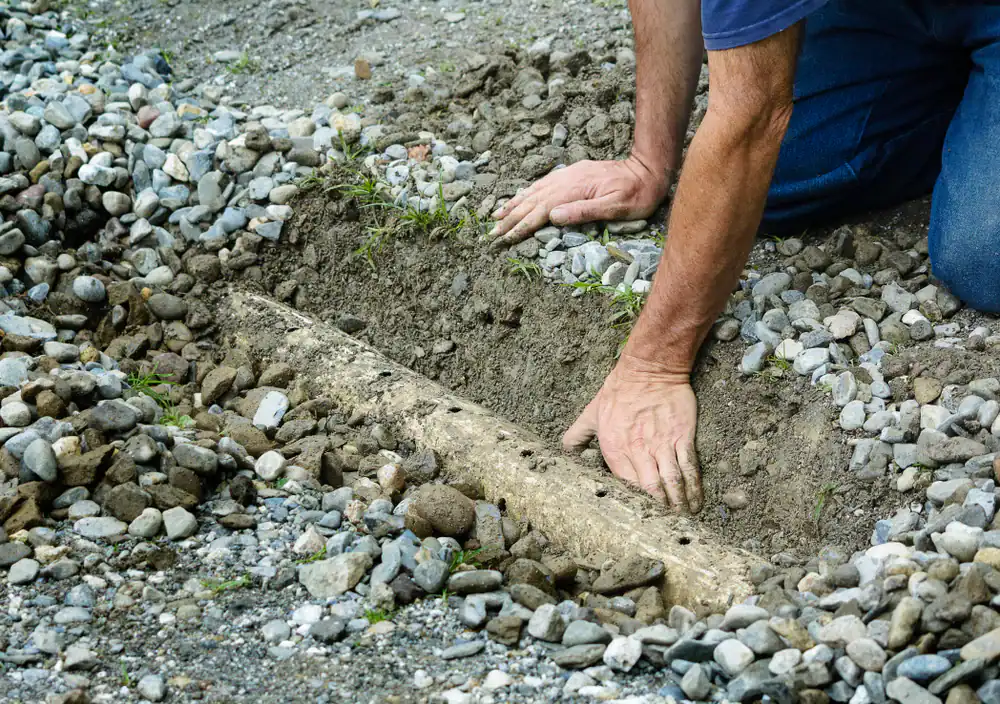
The trench gets dug around the perimeter of your crawl space, typically 12-18 inches deep depending on your foundation type and the severity of your water problem. We’re creating a collection point that sits lower than your footing so water flows toward the drain instead of toward your foundation wall.
Perforated pipe goes into the trench, surrounded by gravel that filters out soil and debris while letting water flow freely into the pipe. The pipe slopes toward a collection point—either a sump pump basin or a daylight exit if your property allows for it. Everything gets covered and your crawl space floor is restored.
Once it’s in, water that used to pool in your crawl space gets intercepted and moved out before it becomes a problem. The system works passively, which means you’re not depending on equipment to run. Gravity does the work.
Ready to get started?
Your French drain system includes perimeter trenching around your crawl space, perforated drainage pipe designed for below-grade water collection, and washed gravel that prevents soil from clogging the system. If your property needs it, we install a sump pump to move water out when gravity drainage isn’t an option.
You also get a system designed specifically for North Carolina clay soil. That matters because clay doesn’t drain like other soils. It holds water, swells when wet, and creates hydrostatic pressure against your foundation. A French drain built for sandy soil won’t perform the same way here. Depth, gravel type, and pipe placement all change based on soil conditions.
Miles Crossroad sits in an area that gets 45-50 inches of rain per year, with summer storms that can drop multiple inches in a single event. Your drainage system has to handle that volume without backing up or overwhelming your crawl space. We size the system based on your property’s specific water load, not a one-size-fits-all approach.
You’re also getting installation from a team that’s been doing this for 30 years. We’ve seen what works and what fails in this region. That experience shows up in how long your system lasts and how well it performs when you actually need it.

Most crawl space French drain installations in the Miles Crossroad area run between $3,000 and $7,000 depending on the size of your crawl space and how much drainage work is needed. If you’ve got a standard 1,200-1,500 square foot crawl space with moderate water intrusion, you’re typically looking at the lower to middle part of that range.
The price goes up if your property needs a sump pump system, if we’re working with limited access, or if there’s existing water damage that needs to be addressed before we can install the drain. Larger homes or properties with severe drainage problems can push costs higher.
What matters more than the upfront cost is what you’re preventing. The average water damage claim in North Carolina is around $11,000, and foundation repairs commonly run $10,000-$20,000. A properly installed French drain system stops those problems before they start. You’re looking at a 300-600% return on investment when you compare prevention costs to repair costs.
A properly installed French drain in a crawl space typically lasts 20-30 years before it needs major maintenance or replacement. The pipe itself can last even longer, but the gravel and soil around it can eventually clog or shift, reducing effectiveness over time.
The lifespan depends heavily on soil conditions and installation quality. Clay soil around Miles Crossroad is tough on drainage systems because it’s constantly expanding and contracting with moisture changes. That movement can shift pipes or compact gravel if the system wasn’t installed with enough depth and proper bedding.
Regular maintenance extends the life of your system significantly. That means checking your sump pump annually if you have one, making sure your discharge lines aren’t clogged, and keeping an eye on any settling or changes in your crawl space. Most homeowners don’t need to do anything for the first 10-15 years if the installation was done right. After that, occasional inspections help catch small issues before they become expensive problems.
A French drain fixes the water problem that’s causing the smell, but it doesn’t remove odor that’s already embedded in your insulation, wood, or soil. If your crawl space smells musty, that’s mold and mildew growth from prolonged moisture exposure. The drain stops new water from coming in, which stops the environment that allows mold to keep growing.
Once the drain is installed and your crawl space dries out, the smell will gradually reduce as mold spores become inactive. But if you’ve got saturated insulation or significant mold growth on floor joists, you’ll likely need remediation work in addition to the drainage fix. We handle both as part of our crawl space services.
The good news is that once your crawl space stays dry consistently, the smell doesn’t come back. You’re not just masking the odor—you’re eliminating the moisture source that creates it. Most homeowners notice a significant improvement in their home’s air quality within a few weeks of installation because up to 50% of the air in your home comes up through your crawl space.
You can dig a trench and lay pipe yourself, but whether it actually solves your water problem depends on whether you get the design right. Depth, slope, gravel type, pipe placement, and discharge location all matter. Get one of those wrong and you’ve spent a weekend doing hard labor on a system that doesn’t work when you need it.
The bigger issue is diagnosing where water is actually coming from and where it needs to go. Clay soil creates complex drainage patterns, and water doesn’t always enter where you think it does. We’ve been called to fix plenty of DIY drainage systems that moved water from one problem area to another, or that worked fine in light rain but failed during heavy storms.
Professional installation also comes with equipment you probably don’t have—trenchers, laser levels for proper slope, and pumps for removing standing water before we start work. We also know local building codes and can pull permits if your project requires them. If your French drain doesn’t work, we come back and fix it. If your DIY system fails, you’re starting over from scratch and you’re out the money you already spent on materials.
A French drain is buried underground and collects water that’s already in the soil around your foundation. It uses perforated pipe surrounded by gravel to intercept groundwater and subsurface water before it enters your crawl space. You don’t see it once it’s installed because it’s completely covered.
A trench drain sits at ground level or just below it, with a grated top that collects surface water runoff. You see these in driveways, patios, or at the base of slopes where water sheets across the surface. They’re designed to catch water before it flows toward your home, not after it’s already in the ground.
For crawl space moisture problems in Miles Crossroad, you almost always need a French drain because the issue is subsurface water moving through clay soil. Surface drainage solutions like trench drains help with yard flooding or water pooling near your foundation, but they don’t address water that’s already below ground level. Some properties need both—surface drainage to manage runoff and subsurface drainage to protect the crawl space. We assess your specific situation and recommend what actually fixes your problem.
If water is pooling against your foundation because your yard slopes toward your house, grading might fix it. If you’re getting water in your crawl space even though your yard appears to drain away from your home, you need a French drain because the problem is subsurface water moving through the soil.
Clay soil around Miles Crossroad makes this distinction important. Even with perfect grading, water doesn’t absorb into clay the way it does in sandy or loamy soil. It sits on top of the clay layer and moves laterally underground until it finds a low point—which is usually your crawl space. Grading helps with surface runoff, but it doesn’t stop water that’s already in the ground from moving toward your foundation.
The best way to know what you need is to look at when and how water enters your crawl space. If it only happens during heavy surface runoff, grading might be enough. If it happens every time it rains regardless of how much, or if you see water seeping through your foundation walls, you’re dealing with groundwater and you need subsurface drainage. Most homes in this area benefit from both—proper grading to manage surface water and a French drain to handle what gets into the ground.