

Contact Info
- Greensboro, NC 27406
- Call: 336-707-0498
- Text: 336-707-0498
-
Mon - Fri: 8am - 4pm
Sat - Sun: Closed
Contact Info
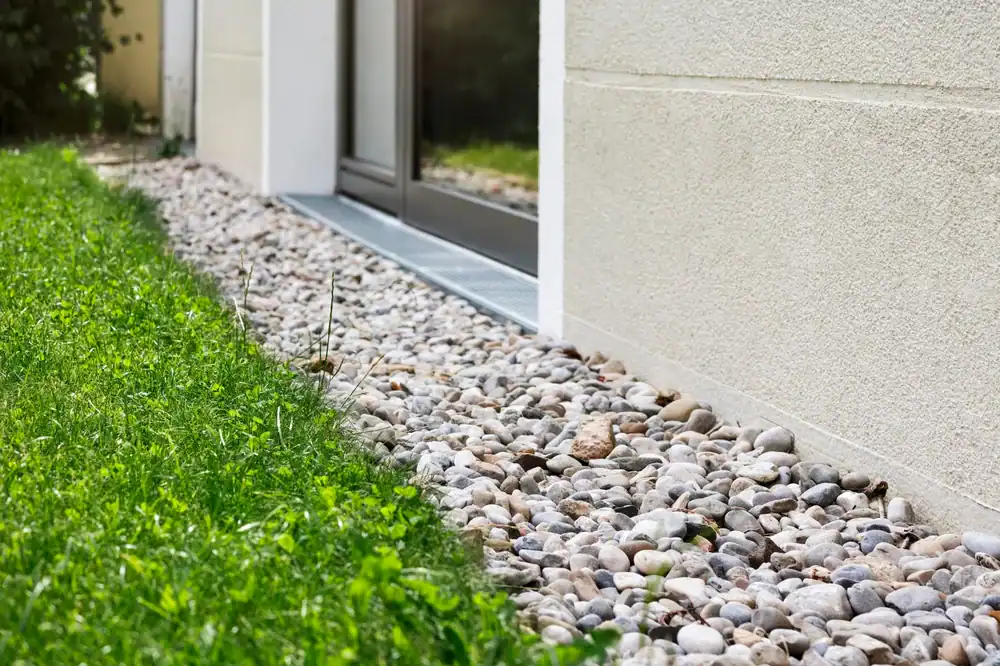
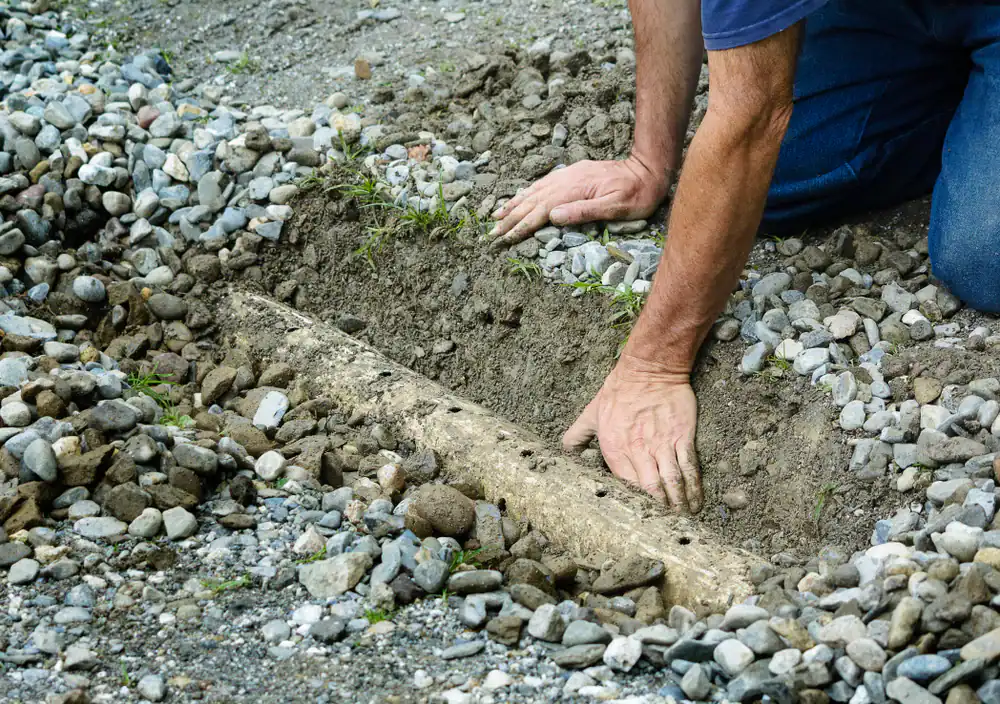
You stop worrying about the next heavy rain. Your crawl space stays dry instead of turning into a breeding ground for mold and mildew.
The standing water in your yard disappears. Your foundation stops taking on pressure from saturated soil that expands and contracts with North Carolina’s clay-heavy ground conditions.
You’re not dealing with that musty smell anymore. Your indoor air quality improves because moisture isn’t seeping up through your floors. And you’re not looking at a $10,000+ foundation repair bill down the road because you handled drainage before it became a structural problem.
French drains work by intercepting water before it reaches your foundation. The system channels it away through a gravel-filled trench, using gravity to move water where you want it instead of where it damages your home.
We’ve spent three decades handling indoor air quality and moisture control in the Greensboro area. We’re NADCA certified, which means our team knows how water affects your home’s air quality and structural integrity.
Rick Watson and Noah Watson run the technical side. Both hold ASCS certifications, and Rick is also a CVI. That matters because French drain installation isn’t just digging a trench—it’s understanding how Randolph County’s soil drains, where water flows on your specific property, and how to tie drainage into your crawl space system.
We don’t just install drains. We look at your whole moisture situation—crawl space encapsulation, dehumidifiers, sump pumps—and figure out what actually fixes the problem. Most of our French drain customers came to us first for air quality work, then realized their water issues needed the same level of attention.

We start with an inspection of your property. We’re looking at where water pools, how your lot slopes, what your soil does when it rains, and where your foundation is taking the most pressure.
Then we map out the trench route. A French drain needs the right slope to work—typically a 1% grade minimum. Too flat and water sits. Too steep and you get erosion. We’re aiming for that sweet spot where gravity does the work without creating new problems.
We dig the trench to the proper depth, usually 18 to 24 inches depending on your situation. Then we line it with landscape fabric to keep soil from clogging the system. Gravel goes in next, then a perforated pipe that collects and moves the water. More gravel on top, fabric wrapped over, and we backfill with soil.
The water now has somewhere to go. It filters down through the gravel, into the pipe, and away from your foundation. You’re not fighting clay soil that won’t absorb water. You’re not dealing with runoff that has nowhere to drain. The system handles what North Carolina’s 46 to 56 inches of annual rainfall throws at it.
Ready to get started?
You get a system designed for your property’s specific drainage needs. That means we account for Randleman’s clay-heavy Piedmont soil that expands when wet and creates foundation pressure. We’re not using a one-size-fits-all approach.
The installation includes proper slope calculation, landscape fabric that prevents soil intrusion, and graded gravel that filters water while maintaining flow. The perforated pipe is positioned to collect both surface water and groundwater before it saturates the soil around your foundation.
We can tie the French drain into your existing crawl space waterproofing if you have it. If you don’t, we’ll tell you whether you need it. Some homes need a perimeter drain around the foundation. Others need an interior system that connects to a sump pump. A few need surface drainage solutions that handle runoff before it even reaches the foundation.
Randolph County properties deal with soil erosion during heavy rains. A French drain installation controls that by redirecting water away from vulnerable areas. You’re protecting your landscaping investment while preventing the foundation issues that come from constant soil movement and water pressure.

Most French drain installations in North Carolina run between $25 and $38 per linear foot. Your total cost depends on how much drainage you need, how deep we have to go, and what your soil conditions look like.
A typical residential system ranges from $3,000 to $10,000 for complete installation. That includes the trench, fabric, gravel, pipe, and labor. If you’re just handling a small section of your yard, you might be on the lower end. If you need a full perimeter drain around your foundation, you’re looking at the higher end.
The cost is worth it when you consider foundation repairs. Fixing foundation damage from water intrusion can run $10,000 or more. A French drain that lasts 30 to 40 years is cheap insurance against that kind of expense. You’re also avoiding the mold remediation costs that come with chronic moisture problems in your crawl space or basement.
A properly installed French drain lasts between 30 and 40 years. That lifespan assumes you’re using quality materials and the system was designed correctly for your property’s drainage needs.
The key is preventing soil from clogging the pipe. That’s why we use landscape fabric and properly graded gravel. Water can filter through, but soil particles can’t get into the perforated pipe and block flow.
Some French drains fail early because they weren’t installed with the right slope. Water needs gravity to move through the system. If the trench is too flat, water sits and the system stops working. If it’s too steep, you get erosion and the gravel washes out. Professional installation matters because we’re calculating that slope based on your specific property conditions, not guessing.
A French drain reduces basement flooding by intercepting water before it reaches your foundation. If water can’t pool around your basement walls, it can’t build up pressure and seep through cracks or joints.
The system works best when it’s combined with proper grading and, in some cases, an interior drainage system. If your basement floods during every heavy rain, you likely need more than just an exterior French drain. You might need a sump pump, crawl space encapsulation, or foundation crack repair.
We’ll tell you what you actually need during the inspection. Some homes just need a perimeter drain to handle surface water. Others need a comprehensive waterproofing approach that includes interior drainage, dehumidification, and foundation sealing. The goal is to stop water from getting in, not just manage it after it’s already a problem.
Yes, and clay soil is actually one of the main reasons you need a French drain. Randleman sits in North Carolina’s Piedmont region where clay-heavy soil is the norm. Clay doesn’t absorb water well, so runoff and pooling are constant problems.
The French drain works because it gives water a path through the clay instead of forcing it to absorb. Water filters down through the gravel into the perforated pipe, then drains away from your foundation. You’re essentially creating an artificial drainage channel where natural drainage doesn’t exist.
Clay soil also expands when wet and shrinks when dry. That expansion and contraction puts pressure on your foundation and can cause cracks over time. A French drain keeps the soil around your foundation from staying saturated, which reduces that pressure and protects your home’s structural integrity.
Permit requirements in Randolph County depend on the scope of your drainage project. Most residential French drain installations don’t require a permit if you’re keeping the work on your property and not altering public drainage systems.
If your French drain ties into a municipal storm drain or affects neighboring properties, you’ll likely need approval. Same goes if you’re doing major grading work or installing a system that changes how water flows off your lot.
We handle the permit process if your project requires it. We’ll also make sure your installation meets local building codes and doesn’t create drainage problems for your neighbors. The last thing you want is a system that solves your water issues but creates legal headaches because it wasn’t done properly.
A French drain is buried underground and handles subsurface water and groundwater. It’s designed to intercept water before it reaches your foundation and redirect it away through a gravel-filled trench with a perforated pipe.
A trench drain sits at surface level and collects water runoff. You’ll see these in driveways, patios, or areas where surface water needs to be channeled quickly. They use a grated channel that’s visible above ground.
Most homes need a French drain for foundation protection because the problem is water saturating the soil around your basement or crawl space. Trench drains work better for managing surface runoff in specific areas like the end of a driveway or around a pool deck. Sometimes you need both—a trench drain to handle immediate surface water and a French drain to manage what’s soaking into the ground. We’ll recommend what makes sense for your property during the inspection.