

Contact Info
- Greensboro, NC 27406
- Call: 336-707-0498
- Text: 336-707-0498
-
Mon - Fri: 8am - 4pm
Sat - Sun: Closed
Contact Info
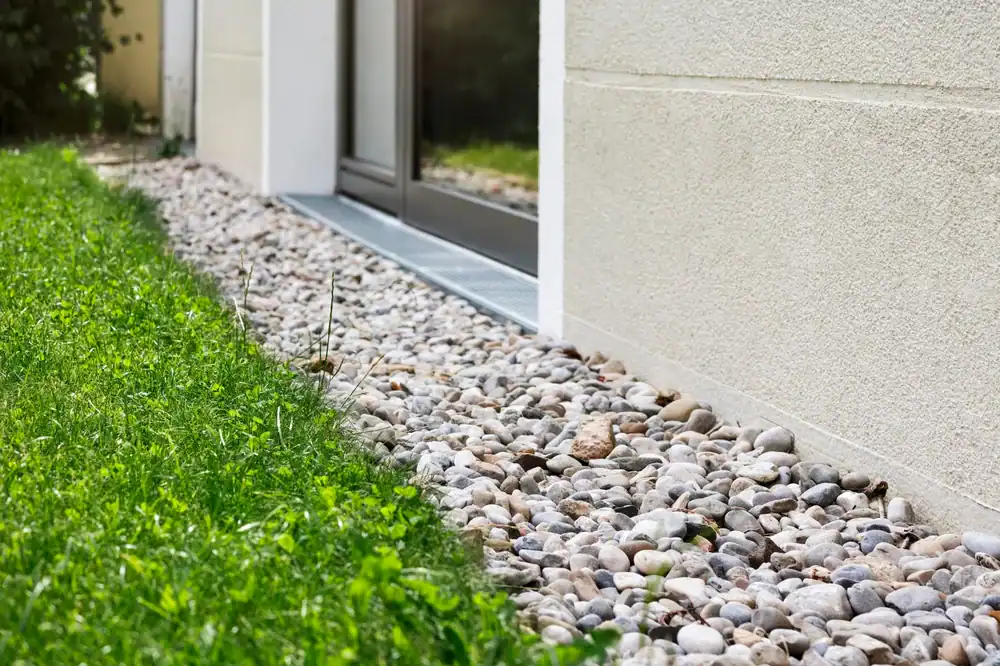
You know that musty smell coming from your crawl space. You’ve seen water pooling in your yard after every heavy rain. Maybe you’ve noticed cracks forming in your foundation walls or water stains in your basement.
Those aren’t minor annoyances. They’re signs that water is winning against your home’s drainage system.
A properly installed French drain collects water before it reaches your foundation and redirects it away from your property. That means no more standing water in your yard, no more moisture creeping into your crawl space, and no more wondering if the next storm is going to flood your basement. Your foundation stays stable, your indoor air stays fresh, and you stop worrying about mold growth in spaces you can’t even see.
The Piedmont region’s clay soil makes this even more critical. When clay absorbs water, it expands and pushes against your foundation. When it dries out, it shrinks and creates voids underneath your home. Both scenarios weaken your foundation over time. French drain installation breaks that cycle by managing water at the source.
We specialize in crawl space moisture control and drainage solutions throughout Rural Hall and the surrounding Piedmont area. We’re not a general contractor trying to do everything. We focus on indoor air quality issues that start below your home, and that means understanding how water moves through North Carolina’s clay soil.
Most homeowners don’t think about their crawl space until something goes wrong. By then, you’re dealing with mold remediation, structural repairs, or both. We’d rather install the right drainage system now than watch you pay for expensive fixes later.
We’ve worked with enough Rural Hall properties to know exactly how Cecil soil behaves during wet seasons and droughts. That local knowledge matters when you’re designing a system that needs to work year-round, not just during installation week.

We start with an inspection of your property to identify where water is collecting and where it needs to go. That includes looking at your yard’s natural slope, checking your crawl space for existing moisture damage, and figuring out the best route for your drainage system.
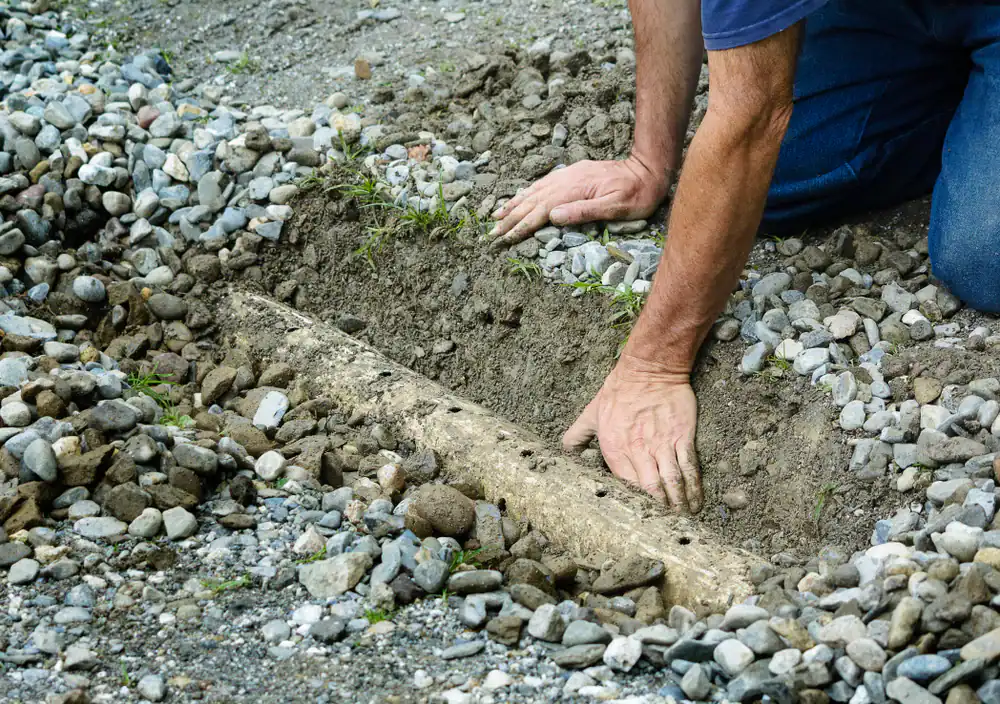
Once we’ve mapped everything out, we dig a trench along the problem areas. The trench gets lined with landscape fabric, then filled with gravel and a perforated pipe that collects water. More gravel goes on top, and we cover it with soil or whatever surface material matches your yard.
For crawl space applications, we often install an interior French drain along the perimeter of your foundation. This catches water before it can pool under your home. The system connects to a sump pump that actively removes water and pushes it away from your foundation.
Most residential installations take one to three days depending on the scope. You’ll see some disruption to your landscaping during the work, but we’re not tearing up your entire yard. We’re creating a permanent channel for water to follow instead of soaking into the ground around your foundation.
Ready to get started?
French drain installation isn’t just about digging a ditch and calling it done. You’re getting a complete water management system designed for your specific property and Rural Hall’s soil conditions.
That includes proper slope calculation so water flows away from your home without needing a pump. It means using the right size perforated pipe and enough gravel to handle North Carolina’s heavy rain events. For interior crawl space drains, it includes sump pump installation with battery backup so your system keeps working even during power outages.
We also address surface drainage issues at the same time. If water is pooling on your driveway or patio, we can integrate trench drains or catch basins into your overall drainage plan. The goal is managing water across your entire property, not just solving one isolated problem.
Rural Hall’s clay soil doesn’t drain naturally, which is why so many homes in this area deal with foundation issues and crawl space moisture. Your French drain system compensates for that by creating an artificial drainage path that works with your property’s layout. When we’re done, water has somewhere to go that isn’t your foundation or crawl space.

Most homeowners in Rural Hall pay between $2,800 and $6,500 for a complete French drain system, though costs can range from $1,650 to $12,250 depending on your property’s size and complexity. You’re looking at $10 to $65 per linear foot for exterior installations and $10 to $100 per linear foot for interior basement or crawl space systems.
The wide range comes down to what your property needs. A simple 50-foot exterior drain to handle yard drainage costs significantly less than a full perimeter system around your foundation with sump pump installation. Clay soil conditions can also increase costs because the trenching takes longer and requires more careful grading.
We give you an exact quote after inspecting your property. That way you know what you’re paying for and why, with no surprises when the work is done.
A properly installed French drain can last 20 to 30 years or more with minimal maintenance. The key is proper installation from the start, using landscape fabric to prevent soil from clogging the pipe and ensuring the right slope so water flows naturally.
North Carolina’s clay soil actually helps in this regard. Once your trench is dug and the system is in place, that clay soil isn’t going anywhere. It’s not going to shift or settle the way sandy soil might. The main maintenance concern is keeping the inlet areas clear of debris and checking your sump pump annually if you have one.
Most problems with French drains come from poor installation, not age. If the slope is wrong or the pipe isn’t sized correctly, you’ll have issues within the first few years. When it’s done right, you shouldn’t think about your drainage system again except for occasional inspections.
Yes, if water intrusion is causing your crawl space moisture. A French drain installed along your foundation’s perimeter collects groundwater before it can seep through your foundation walls or up through your crawl space floor. Combined with a sump pump, it actively removes that water and pushes it away from your home.
But French drains address groundwater, not humidity from other sources. If you also have condensation issues from warm, humid air hitting cool crawl space surfaces, you’ll need a dehumidifier as part of your moisture control strategy. We often install both systems together for complete crawl space protection.
The musty smell you’re noticing is likely mold or mildew growing in a damp crawl space. Once we eliminate the water source with proper drainage and control humidity levels, that smell goes away. Your indoor air quality improves because you’re not pulling moldy air up through your floor vents anymore.
You can dig a trench and lay pipe yourself, but getting the details right is where most DIY installations fail. The slope needs to be precise—too flat and water won’t flow, too steep and you’ll have erosion issues. The pipe size needs to match your drainage volume. The gravel type and fabric quality matter for long-term performance.
For exterior yard drainage, DIY might work if you’re handy and willing to research proper techniques. For crawl space or basement applications, you’re better off hiring someone who knows what they’re doing. Foundation waterproofing isn’t something you want to redo because the first attempt didn’t work.
There’s also the equipment factor. Proper trenching requires a walk-behind trencher or mini excavator, plus you need to know where your utility lines are buried. One mistake with a shovel and you’re dealing with a gas line repair on top of your drainage project. Professional installation costs more upfront but saves you from expensive fixes later.
A French drain is buried underground and collects water through a perforated pipe surrounded by gravel. It’s designed to manage groundwater and subsurface drainage. A trench drain sits at surface level with a grated top and is designed to catch surface water runoff from driveways, patios, or other paved areas.
You’d use a French drain to stop water from pooling in your yard or seeping into your crawl space. You’d use a trench drain to keep water from flooding your garage or pooling on your driveway after rain. They serve different purposes, though they can work together as part of a complete drainage solution.
Many Rural Hall properties benefit from both. The French drain handles groundwater around your foundation while trench drains manage surface runoff from your driveway or walkways. Together, they keep water moving away from your home instead of soaking into the clay soil around your foundation.
If water is pooling in your yard more than six hours after rain stops, you need more than gutter improvements. If you’re seeing foundation cracks, basement moisture, or crawl space dampness, gutters alone won’t fix it. Those are signs that groundwater is the problem, not just roof runoff.
Gutters and downspouts should absolutely be part of your water management strategy. They need to extend at least 10 feet from your foundation and drain to an area that slopes away from your home. But in Rural Hall’s clay soil, even perfect gutters can’t solve subsurface drainage issues.
The best approach is addressing both. Make sure your gutters are clean and your downspouts are extended properly. Then install French drains to handle the groundwater that gutters can’t control. You’re creating layers of protection instead of relying on one system to do everything.