

Contact Info
- Greensboro, NC 27406
- Call: 336-707-0498
- Text: 336-707-0498
-
Mon - Fri: 8am - 4pm
Sat - Sun: Closed
Contact Info
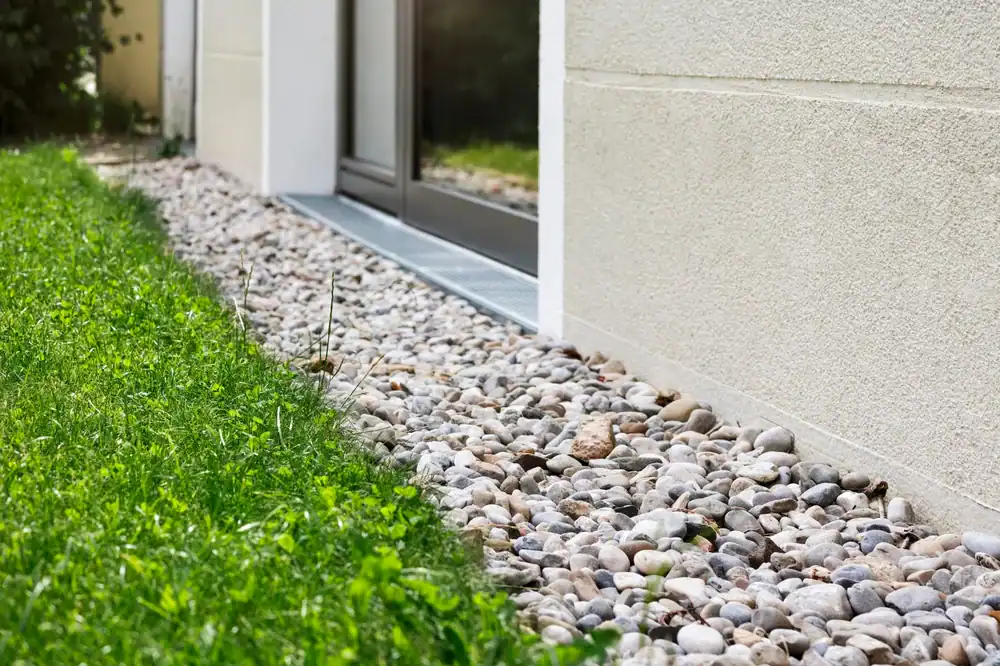
You’ve dealt with standing water under your house long enough. Maybe you’ve noticed musty smells creeping into your living room, or you’re worried about what that moisture is doing to your floor joists and ductwork. Water doesn’t just sit there—it creates mold, attracts pests, and slowly damages the structure holding up your home.
A properly installed French drain system collects that water before it pools in your crawl space. It redirects it away from your foundation through a perimeter trench filled with gravel and perforated pipe. The result is a crawl space that stays dry, air that smells clean, and one less thing keeping you up at night.
Most homeowners in Sandy Ridge notice the difference within days. No more puddles after a heavy rain. No more damp insulation sagging between joists. Just a crawl space that works the way it should—invisible, dry, and doing its job without you thinking about it.
We’ve been solving moisture problems for homeowners throughout Sandy Ridge and the surrounding Piedmont Triad area. We’re not a national franchise with rotating crews—we’re a local company that understands how North Carolina soil drains, how our clay holds water, and what happens when spring storms dump two inches in an hour.
Rick and his team don’t just install drainage systems. We inspect your crawl space, explain what’s happening and why, and walk you through the fix before any work starts. You’ll see photos of the problem areas, get a clear timeline, and know exactly what you’re paying for.
We’ve worked in enough Sandy Ridge crawl spaces to know the common issues: poor grading around older homes, downspouts that dump water right next to the foundation, and crawl space vents that let in humidity instead of keeping it out. If water’s getting under your house, we’ve seen it before—and we know how to stop it.

We start with an inspection. That means getting under your house, looking at where water enters, checking the soil conditions, and identifying the low spots where water collects. We take photos so you can see what we’re seeing, and we explain what needs to happen to fix it.
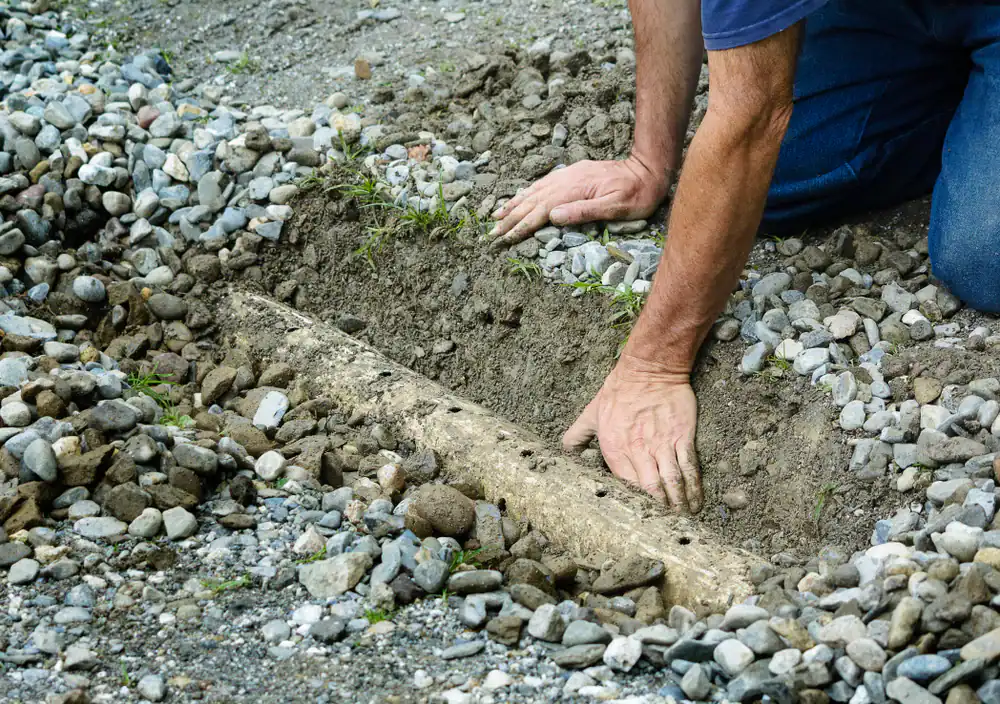
Once you approve the plan, we dig a trench around the perimeter of your crawl space—usually along the foundation where water tends to pool. The trench gets lined with landscape fabric to prevent soil from clogging the system. Then we lay perforated pipe, cover it with gravel, and wrap the fabric over the top.
The pipe slopes toward a collection point, usually a sump pump or a discharge line that carries water away from your home. We test the system to make sure water flows where it should. Then we backfill, clean up, and show you how it works.
Most residential jobs in Sandy Ridge take one to three days depending on the size of your crawl space and how much drainage work is needed. You’ll know the timeline before we start, and we’ll keep you updated if anything changes.
Ready to get started?
Your French drain installation includes the full perimeter trench, landscape fabric to filter sediment, perforated pipe designed for long-term drainage, and gravel backfill that allows water to flow freely. If your crawl space needs a sump pump to move water off your property, we’ll include that too—along with a discharge line that routes water far enough away that it won’t circle back.
Sandy Ridge sits in an area where clay-heavy soil doesn’t drain quickly. That’s why we pay close attention to slope and placement. A French drain only works if water can flow through it, and that means getting the grade right from the start. We also check your downspouts and grading around the house—sometimes surface drainage issues contribute to crawl space flooding, and fixing those prevents future problems.
If you’ve got an older home with a dirt crawl space, we’ll talk through whether a vapor barrier or encapsulation makes sense alongside your drainage system. Stopping water is step one. Controlling humidity is step two. Both matter if you want air quality that doesn’t smell like mildew.
We use quality materials because French drains installed correctly can last 30 to 40 years. That’s a long time to not worry about water under your house. Cheap pipe and poor installation mean you’re digging it up again in five years—and that’s not a repair anyone wants to pay for twice.

You need a French drain if you’re seeing standing water under your house after it rains, noticing musty odors coming from your floors, or dealing with damp insulation and mold growth in your crawl space. Those are signs that water isn’t draining away from your foundation the way it should.
Other clues include water stains on your foundation walls, efflorescence (that white chalky stuff on concrete), or puddles that stick around for days after a storm. If your crawl space stays damp even in dry weather, you’ve got a moisture problem that a French drain can solve.
Sometimes the issue isn’t obvious until you get under the house. That’s why an inspection matters. We’ll look at your soil, check the grade around your foundation, and see where water is entering. If a French drain is the right fix, we’ll explain why. If it’s not, we’ll tell you that too.
Most French drain installations in Sandy Ridge take one to three days depending on the size of your crawl space and the complexity of the drainage work. A straightforward perimeter drain around a small crawl space might be done in a day. Larger homes or properties that need additional surface drainage, sump pump installation, or trench drains will take longer.
Weather can affect the timeline, especially if we’re digging trenches during heavy rain. Wet soil is harder to work with, and we want to make sure everything is installed correctly—not rushed through mud.
We’ll give you a clear timeline during the estimate, and we’ll let you know if anything changes once we start the job. Most homeowners are surprised how quickly the work gets done. You’ll have a functional drainage system and a dry crawl space faster than you think.
A French drain is installed underground and uses perforated pipe surrounded by gravel to collect and redirect water away from your foundation. It’s designed to handle subsurface water—the kind that seeps through soil and pools in your crawl space or around your foundation.
A trench drain is a surface drainage solution. It’s a channel with a grate on top, usually installed in driveways, patios, or areas where water runs across the surface and needs to be captured before it reaches your home. You’ll see trench drains in front of garage doors or along sloped walkways.
Both systems move water away from your house, but they solve different problems. If water is pooling under your home, you need a French drain. If water is running across your yard or driveway toward your foundation, a trench drain or other landscape drainage solution makes sense. Sometimes you need both—and we’ll walk you through what works best for your property.
A French drain stops the water that causes mold, but it doesn’t remove mold that’s already growing. If your crawl space has been wet for months or years, you’ve likely got mold on floor joists, insulation, or ductwork. Installing a French drain will eliminate the standing water and prevent future mold growth, but existing mold needs to be cleaned or removed.
We’ve seen plenty of Sandy Ridge crawl spaces where mold grew because water had nowhere to go. Once the French drain is in and the crawl space dries out, mold stops spreading. Pair that with a dehumidifier or vapor barrier, and you’ve got a space that won’t support mold growth anymore.
If your ductwork is heavily contaminated, it may need to be replaced. That’s not something you want to skip—moldy ducts mean you’re breathing spores every time your HVAC runs. We’ll let you know what we see during the inspection and what needs to happen beyond drainage to get your air quality back to normal.
Cost depends on the size of your crawl space, how much drainage work is needed, and whether you need a sump pump or additional surface drainage. Most residential French drain installations in Sandy Ridge range from a few thousand dollars to several thousand, depending on scope.
That might sound like a lot, but compare it to the cost of foundation repairs, floor joist replacement, or mold remediation after years of water damage. A French drain is a one-time investment that prevents those bigger, more expensive problems.
We’ll give you a detailed estimate after the inspection so you know exactly what you’re paying for. No surprises, no upsells. Just a clear breakdown of materials, labor, and what the system will do for your home. If you’ve been dealing with crawl space water for years, this is the fix that stops it for good.
Yes, but it has to be installed correctly. Clay soil doesn’t drain quickly, which is exactly why so many homes in Sandy Ridge have crawl space water problems. A French drain works in clay because it creates a path of least resistance—water flows into the gravel-filled trench and through the perforated pipe instead of sitting in the heavy soil.
The key is proper slope and placement. If the trench isn’t graded correctly, water won’t flow through the pipe. If the discharge point isn’t far enough from the house, water will just circle back. We’ve installed enough systems in this area to know how to work with the soil conditions here.
We also make sure the pipe is surrounded by enough gravel and wrapped in landscape fabric to prevent clay and sediment from clogging the system over time. A French drain installed right will handle North Carolina clay and keep your crawl space dry through every storm season.