

Contact Info
- Greensboro, NC 27406
- Call: 336-707-0498
- Text: 336-707-0498
-
Mon - Fri: 8am - 4pm
Sat - Sun: Closed
Contact Info
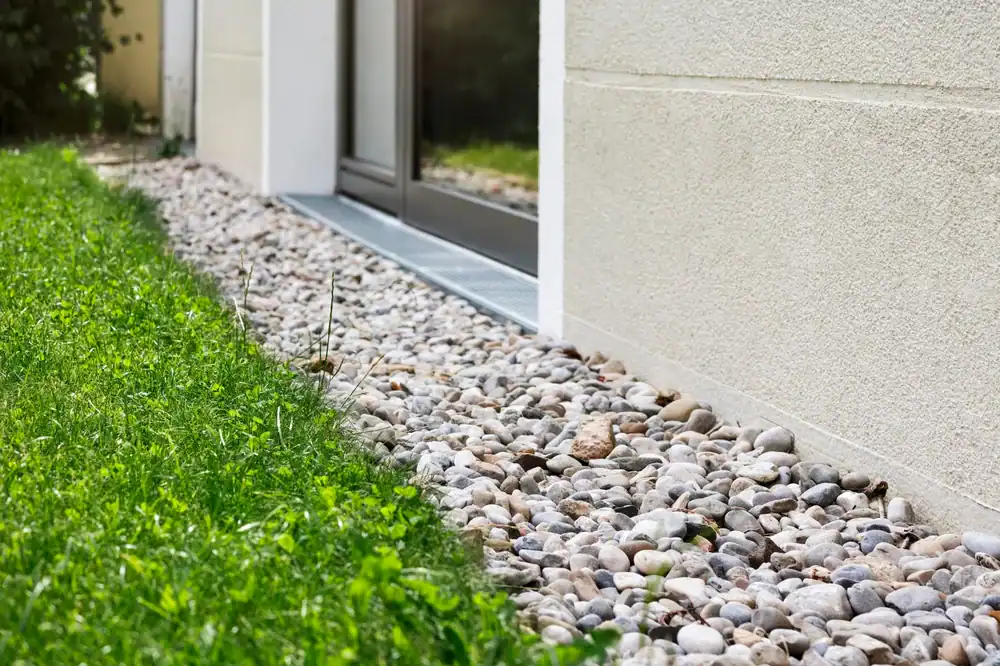
You’re not dealing with standing water anymore. The musty smell that’s been creeping into your living room? Gone. The anxiety every time rain’s in the forecast? Done.
A properly installed French drain does one thing really well: it collects water around your crawl space perimeter and moves it away from your foundation before it becomes your problem. That means no more moisture seeping through. No more mold growing in places you can’t see but can definitely smell. No more wondering if your foundation is slowly deteriorating underneath your feet.
What you get instead is a dry crawl space that doesn’t threaten your indoor air quality. You get a home that feels fresher because you’re not pulling humid, contaminated air up through your floors. And you get to stop thinking about water damage every time the weather turns.
This isn’t about adding a bandaid to a leak. It’s about fixing the root cause so you can actually move on with your life. North Carolina gets hit hard with storms, and homeowners with proper drainage systems don’t panic when the forecast looks ugly. They just go about their day.
We’ve been working in the Greensboro area for over 30 years. We started in indoor air quality because we saw what moisture does to homes and the people living in them. Mold, allergens, structural damage—it all starts with water getting where it shouldn’t.
Tobaccoville sits in an area where drainage problems aren’t rare. The soil here doesn’t always cooperate, and when storms roll through, water finds the path of least resistance. If that path leads to your crawl space, you’re looking at serious problems down the line.
We’ve seen what happens when drainage gets ignored or handled poorly. We’ve also seen what proper installation does for a home long-term. Our team includes NADCA-certified personnel who understand how water, air quality, and structural integrity connect. We don’t just dig trenches and hope for the best—we assess your specific property, your grading, your soil conditions, and we install systems that actually work when you need them to.

We start with an assessment of your crawl space and the area around your foundation. We’re looking at where water is coming from, where it’s pooling, and what’s causing it to move toward your home instead of away from it.
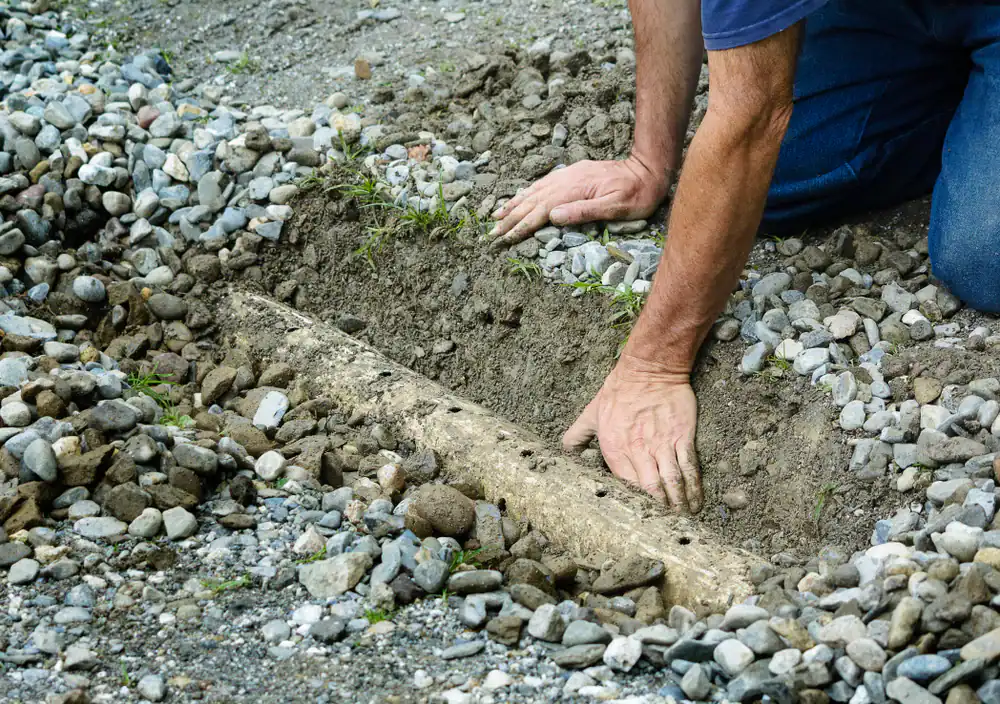
Once we understand your drainage problem, we map out the trench path. The French drain gets installed around your crawl space perimeter—this is where we dig a trench, line it with fabric to prevent soil from clogging the system, and lay perforated pipe that collects water. We cover it with gravel, which allows water to flow in while keeping debris out.
The water that enters the pipe gets redirected away from your foundation to a safe discharge point. Depending on your property, that might mean routing it to a drainage area, connecting it to a sump pump system, or directing it to a spot where it won’t cause problems.
The whole process typically takes a few days, depending on the size of your crawl space and site conditions. You’re not looking at weeks of disruption. And once it’s done, it works—even during heavy flooding and high winds, which North Carolina knows plenty about.
Ready to get started?
This isn’t just a trench with a pipe. You’re getting a system designed for North Carolina’s climate and soil conditions. That means accounting for the kind of rainfall we see here, the clay-heavy soil that doesn’t drain well on its own, and the reality that storms are getting more frequent and more severe.
The French drain installation includes proper grading assessment, trench excavation, landscape fabric to prevent clogs, perforated drainage pipe, and gravel backfill. We make sure the slope is correct so gravity does its job. We make sure the discharge point makes sense for your property. And we make sure the system integrates with any existing waterproofing or crawl space encapsulation you might have.
From 2000 to 2020, over 545,000 damage claims were filed by North Carolina homeowners through flood insurance programs. Most of those people didn’t have proper drainage. And here’s the kicker: standard homeowner’s insurance doesn’t cover flood damage from external sources like rain and storms. It covers burst pipes, not bad weather. So if water comes in from outside and wrecks your crawl space, you’re paying for it out of pocket unless you have separate flood coverage—which most people don’t.
A French drain is one of the most cost-effective ways to prevent that scenario. You’re spending a fraction of what water damage costs to repair, and you’re doing it before the problem gets worse.

The cost depends on the size of your crawl space, the complexity of your drainage problem, and site-specific factors like soil type and grading. Most residential French drain installations range from a few thousand dollars to more for larger or more complicated properties.
What matters more than the upfront cost is what you’re preventing. FEMA estimates that just two inches of water in a 2,500-square-foot home can cause over $26,000 in damage to the structure and belongings. A French drain costs a fraction of that and works for decades when installed correctly.
We give you a clear estimate after assessing your property. No surprises, no upselling. You’ll know what you’re paying for and why it’s priced that way before any work starts.
A professionally installed French drain can last 30 to 40 years or more, depending on maintenance and soil conditions. The system itself is simple—there aren’t a lot of moving parts to break down. The pipe, gravel, and fabric do their job as long as they’re installed correctly and don’t get clogged.
The main thing that shortens lifespan is improper installation. We’ve seen plenty of DIY jobs where the slope was wrong, the fabric was skipped, or the discharge point made no sense. Those systems fail within a few years, sometimes after the first major storm.
When we install a French drain, we’re thinking about how it’s going to perform 20 years from now, not just next month. That’s why we use quality materials, proper grading, and proven techniques that hold up under North Carolina’s weather patterns.
If your basement or crawl space is flooding because of external water pressure around your foundation, yes—a French drain is one of the most effective solutions. It intercepts that water before it can seep through your foundation walls or floor.
But here’s the thing: if your flooding is coming from a different source, like a high water table, interior cracks, or plumbing issues, a French drain alone might not be enough. That’s why we assess your specific situation before recommending a solution. Sometimes a French drain is all you need. Sometimes it works best combined with a sump pump, crawl space encapsulation, or interior waterproofing.
We’re not interested in selling you something that won’t fix your problem. We’d rather tell you upfront what will actually work for your property, even if that means combining approaches or suggesting something different entirely.
You can dig a trench and lay some pipe yourself, sure. Whether it’ll actually work is a different question. We’ve repaired or replaced dozens of DIY drainage systems that either didn’t solve the problem or made it worse.
The issue isn’t the physical labor—it’s knowing where to put the drain, how to slope it, what materials to use, and where to discharge the water. Get any of those wrong and you’re just moving water from one problem area to another. Or you’re creating a system that clogs after the first rainy season and stops working entirely.
A professional installation means someone who understands grading, soil conditions, and local building codes is designing your system. It means the work gets done in days, not weekends. And it means you’re not gambling with your foundation while you figure out if you did it right. For something this important to your home’s structural integrity, it’s worth hiring someone who’s done it hundreds of times.
A French drain is specifically designed to collect and redirect groundwater away from your foundation. It’s a perimeter system that works underground to intercept water before it reaches your crawl space or basement. Other drainage solutions, like surface drains or trench drains, handle water that’s already pooling on top of the ground.
Surface drainage systems are great for yard flooding and landscape water management, but they don’t address the subsurface water pressure that threatens your foundation. French drains do both—they help with lawn drainage issues and they protect your basement or crawl space from moisture intrusion.
Some homes need both types of systems. If you’ve got water pooling in your yard and a wet crawl space, you’re dealing with multiple drainage problems that need different solutions. We look at the whole picture and tell you what makes sense for your property, not just what’s easiest to install.
Gutters handle roof runoff. A French drain handles groundwater and subsurface moisture. If your crawl space is wet even when your gutters are clean and working, you’ve got a drainage problem that gutters can’t fix.
That said, gutters and downspouts are part of the equation. If your downspouts are dumping water right next to your foundation, you’re creating the exact problem a French drain is designed to solve. Ideally, you extend your downspouts away from the house and you have a French drain as a backup for groundwater that’s coming from other directions.
We’ll look at your whole drainage situation—gutters, grading, soil conditions, and where water is actually entering your crawl space. Sometimes fixing your gutters is enough. More often, especially in areas with clay soil and heavy rainfall like Tobaccoville, you need a proper perimeter drainage system to keep your foundation dry long-term.