

Contact Info
- Greensboro, NC 27406
- Call: 336-707-0498
- Text: 336-707-0498
-
Mon - Fri: 8am - 4pm
Sat - Sun: Closed
Contact Info
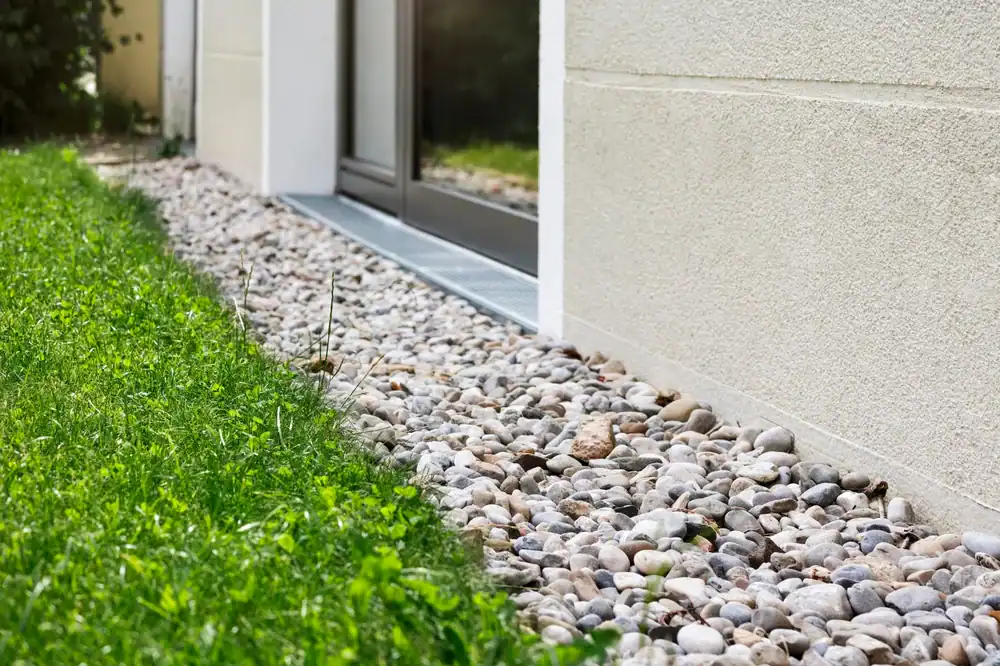
You stop worrying every time the forecast calls for rain. Your crawl space stays dry instead of turning into a swamp that breeds mold and ruins your indoor air quality.
The musty smell disappears. Your floors stop feeling damp. You’re not dealing with standing water, rotting joists, or the anxiety that comes with knowing your foundation is slowly taking damage.
A properly installed French drain doesn’t just move water—it eliminates the conditions that lead to expensive foundation repairs, structural damage, and health problems. You get a crawl space that works the way it should: invisible, dry, and not costing you sleep or money.
North Carolina’s clay soil expands when it gets saturated, pushing against your foundation with enough force to crack walls and bow structures. French drains intercept that water before it becomes hydrostatic pressure. That’s the difference between a small investment now and a massive repair bill later.
We’ve spent over 30 years solving moisture problems in the Greensboro area, including Whitsett. We’re NADCA certified, which means our team knows how water, air quality, and structural health all connect.
Rick Watson and his crew don’t just dig trenches and call it done. We assess your property, figure out where the water’s actually coming from, and design drainage solutions that work with North Carolina’s soil and weather patterns.
We’ve seen what happens when drainage gets ignored in this area. Crawl spaces flood after every heavy rain. Foundations settle unevenly. Mold takes over. We install French drains the right way so you don’t end up calling someone else to fix it in two years.

First, we come out and look at your property. We’re checking slope, soil type, where water pools, and where it needs to go. Not every drainage problem needs the same solution, so this step matters.
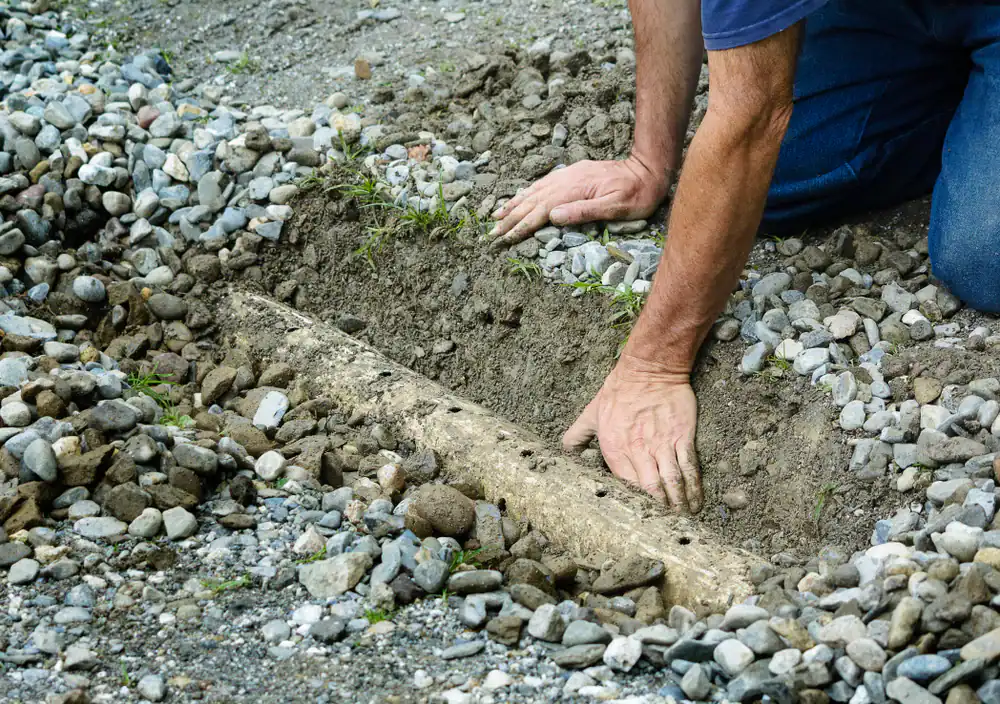
Once we know what you’re dealing with, we map out the trench route. French drains work by gravity, so the trench has to slope correctly—usually about one inch per eight feet. We dig to the right depth, typically 18 to 24 inches, depending on your foundation and crawl space setup.
We line the trench with landscape fabric to keep soil from clogging the system. Then we lay perforated pipe surrounded by gravel, which filters water and keeps everything flowing. The pipe directs water away from your foundation to a safe discharge point—usually a drainage ditch, dry well, or storm drain.
After backfilling and cleanup, you’ve got a system that works invisibly underground. No standing water. No soggy crawl space. Just reliable drainage that handles whatever weather North Carolina throws at you.
Ready to get started?
You’re getting a drainage system designed for your specific property, not a one-size-fits-all trench. That means proper slope calculations, correctly sized pipe, and a discharge plan that won’t just move your water problem to a different part of your yard.
We use quality materials—perforated pipe that won’t collapse, gravel that filters without clogging, and fabric that holds up underground. The installation includes everything from excavation to final grading, so your yard doesn’t look like a construction zone when we’re done.
In Whitsett and the surrounding area, we’re dealing with clay soil that doesn’t drain well on its own. That’s why surface drainage alone doesn’t cut it. French drains work below grade where water actually accumulates, intercepting it before it reaches your foundation or floods your crawl space.
You also get a team that understands how drainage ties into crawl space health and indoor air quality. We’ve been doing this for 30 years, so we know what works in this climate and what doesn’t. Most residential jobs in North Carolina fall between $2,500 and $5,000, depending on the scope and site conditions.

Most French drain installations in the Greensboro and Whitsett area run between $2,500 and $5,000 for typical residential projects. That range covers about 60 to 100 linear feet of drainage, which handles most crawl space and foundation perimeter needs.
Cost depends on a few things: how much trench you need, soil conditions, accessibility, and where the water has to go. If your yard has a lot of clay or requires deeper excavation, that adds labor. If we’re tying into an existing drainage system or need to run pipe a long distance to reach a discharge point, that affects price too.
You’ll see some companies quoting $23 to $38 per linear foot. That’s accurate for straightforward installations. But the total cost also includes site assessment, materials like gravel and pipe, and making sure everything’s graded correctly so the system actually works long-term. Cheaper isn’t better if the drain fails in two years because the slope was wrong or the pipe wasn’t sized correctly.
Most residential French drain installations take one to three days, depending on the scope. A straightforward perimeter drain around a crawl space usually wraps up in a day or two. Larger projects with multiple drainage zones or difficult access can take longer.
Weather plays a role. Heavy rain turns clay soil into a muddy mess that’s hard to work with, so we might pause and resume when conditions improve. Rushing through wet conditions leads to poor compaction and drainage problems down the road.
The process itself isn’t complicated, but it has to be done right. Excavation, setting the correct slope, laying fabric and pipe, backfilling with gravel, and final grading all take time. We’re not just digging a ditch—we’re building a system that needs to function for years without maintenance. That means attention to detail at every step, which is why experience matters more than speed.
If water is pooling around your foundation or flooding your crawl space during heavy rain, a French drain is usually the most effective solution. It intercepts groundwater before it reaches your crawl space and redirects it away from your home.
French drains work especially well in North Carolina because our clay soil doesn’t absorb water quickly. When it rains, water sits on the surface or saturates the soil around your foundation, creating hydrostatic pressure that forces moisture into your crawl space. A properly installed drain relieves that pressure by giving water an easier path away from your home.
That said, drainage is only part of crawl space moisture control. If you’ve got gaps in your vapor barrier, open vents, or other moisture entry points, those need attention too. We look at the whole picture during our assessment. Sometimes a French drain combined with crawl space encapsulation is the complete fix. But if your main issue is water pooling around your foundation, the drain handles that problem directly.
Most residential French drain projects in Whitsett don’t require a permit if the drainage stays on your property and doesn’t discharge into a municipal sewer or affect neighboring properties. Smaller installations around crawl spaces or along foundation perimeters typically fall under routine maintenance.
Permits come into play when you’re tying into public storm drains, altering drainage patterns that affect other properties, or doing large-scale landscape drainage work. If your project involves any of those, we’ll help you figure out what’s required and handle the permitting process.
Local building codes can vary, so it’s worth checking with Guilford County if you’re unsure. We’ve been doing this in the area for 30 years, so we know what triggers permit requirements and what doesn’t. During our initial assessment, we’ll let you know if your project needs any approvals before we start digging.
French drains are the go-to solution when you’ve got groundwater problems—water pooling around your foundation, crawl space flooding, or soggy areas in your yard that don’t drain. They work below the surface to intercept and redirect water before it causes damage.
If your issue is surface water runoff—like water sheeting across your yard during storms—you might need a trench drain or surface drainage system instead. Those handle water that flows above ground, channeling it away before it pools or erodes your landscaping.
Sometimes you need both. A property with poor grading might need surface drains to handle runoff plus a French drain to manage groundwater around the foundation. That’s why assessment matters. We look at where your water is coming from, where it’s going, and what’s causing the problem. Then we recommend the drainage solution that actually fixes it. No point installing a French drain if your real issue is a downspout dumping water right next to your foundation—that’s a grading and gutter problem.
French drains need very little maintenance if they’re installed correctly. The gravel and fabric filter system keeps soil from clogging the pipe, so water keeps flowing for years without intervention.
The main thing to watch is the discharge point. Make sure it’s not blocked by leaves, debris, or soil erosion. Check it once or twice a year, especially after heavy storms. If water isn’t draining like it should, that’s usually where the problem is.
Over time—we’re talking 15 to 20 years—sediment can gradually accumulate in the pipe despite the fabric barrier. If that happens, the system might need flushing or, in rare cases, replacement. But that’s a long-term concern, not something you’ll deal with in the first decade. Proper installation with quality materials makes a huge difference in longevity. Cheap installations with inadequate gravel or no fabric liner clog much faster, which is why doing it right the first time saves money and headaches down the road.