Mold Removal Guilford County NC

Mold Gone for Good, Not Just Hidden

When mold shows up in your Greensboro home, you need professionals who fix the moisture problem causing it—not just scrub the surface. We stop mold at the source so it doesn’t come back.

Over 30 Years Local

Three decades serving Greensboro and Guilford County means we understand NC's humidity, crawl space issues, and how mold behaves in this climate.

Certified Trained Technicians

Our team follows IICRC S520 standards for mold remediation. We invest in training because your family's health and your home's safety matter.

Source Problem Solving

We don't just clean visible mold. We identify and fix the moisture issue causing it, so you're not paying for the same problem twice.

Complete Containment Protocols

HEPA filtration, negative air pressure, and proper containment keep mold spores from spreading to clean areas during removal. Your home stays protected.

Professional Mold Remediation Greensboro

Mold Remediation That Actually Works

Mold remediation is more than wiping down walls. It’s identifying where moisture is coming from, removing contaminated materials safely, treating affected areas with antimicrobial solutions, and making sure the conditions that allowed mold to grow don’t exist anymore. In Guilford County, where humidity averages over 70 percent and most homes have crawl spaces, mold finds its way into places you don’t see until it’s already spread. That’s where experience matters. We’ve spent over 30 years working in Greensboro homes, dealing with the exact conditions that cause mold here. We know crawl spaces, we know how NC weather affects indoor air quality, and we know what it takes to eliminate mold permanently. If you’re dealing with musty smells, visible growth, or health symptoms that won’t go away, you’re probably facing a mold problem that needs professional attention. The longer it sits, the more it spreads—and the more expensive it becomes.

Black Mold Removal Guilford County

What You Get When Mold Is Gone

Removing mold the right way doesn’t just clear the air—it protects your family’s health, your home’s structure, and your peace of mind for years to come.

Certified Mold Remediators Guilford County

Why Mold Keeps Coming Back

If you’ve tried cleaning mold yourself and it reappeared a month later, you’re not alone. Most people focus on the visible growth and miss the real problem: moisture. Mold doesn’t just show up randomly. It needs three things to thrive—moisture, organic material (like wood or drywall), and the right temperature. In North Carolina, temperatures between 60 and 80 degrees are normal year-round, and humidity above 70 percent is standard, especially in summer. That means two out of three conditions are already met. The only thing you can control is moisture. When water leaks into your crawl space, seeps through your foundation, or condenses in your attic, mold starts growing within 24 to 48 hours. By the time you see it on a wall or smell it in a room, it’s already established behind the scenes. Cleaning the surface doesn’t stop it. The moisture source has to be identified and eliminated, or you’re just buying time until it grows back. That’s why our process starts with inspection. We use moisture meters, infrared technology, and years of experience to find where water is coming from. Then we remove the contaminated materials, treat the affected areas, and address the moisture problem so mold doesn’t have a reason to return. It’s not the cheapest approach, but it’s the one that works.
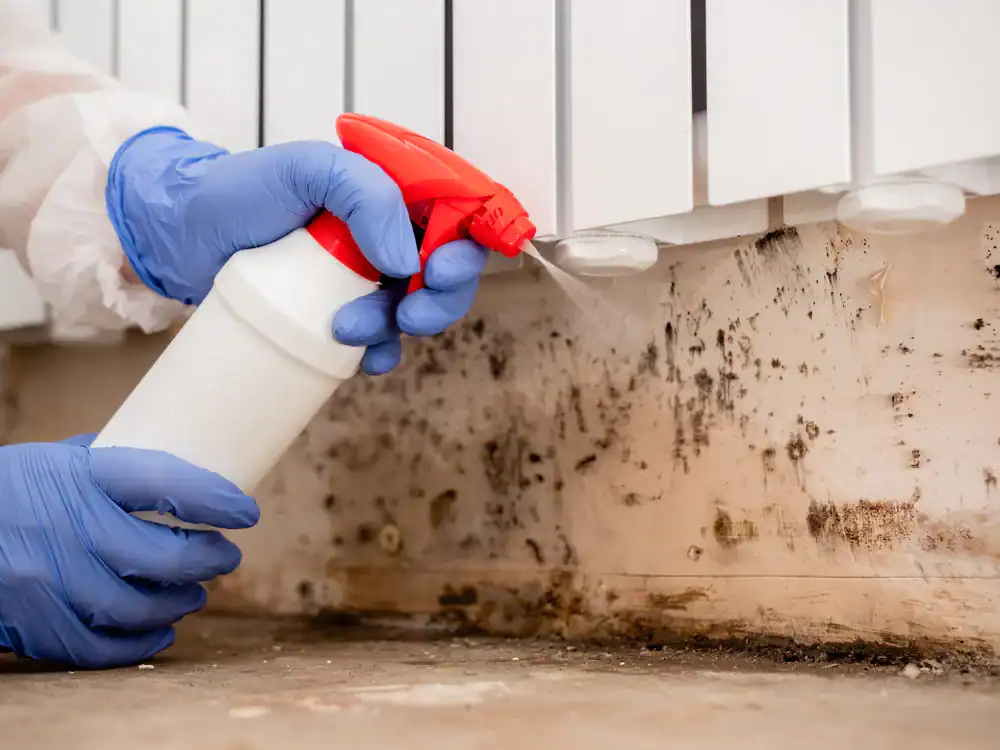
Professional mold removal cleaning on a baseboard with spray bottle.
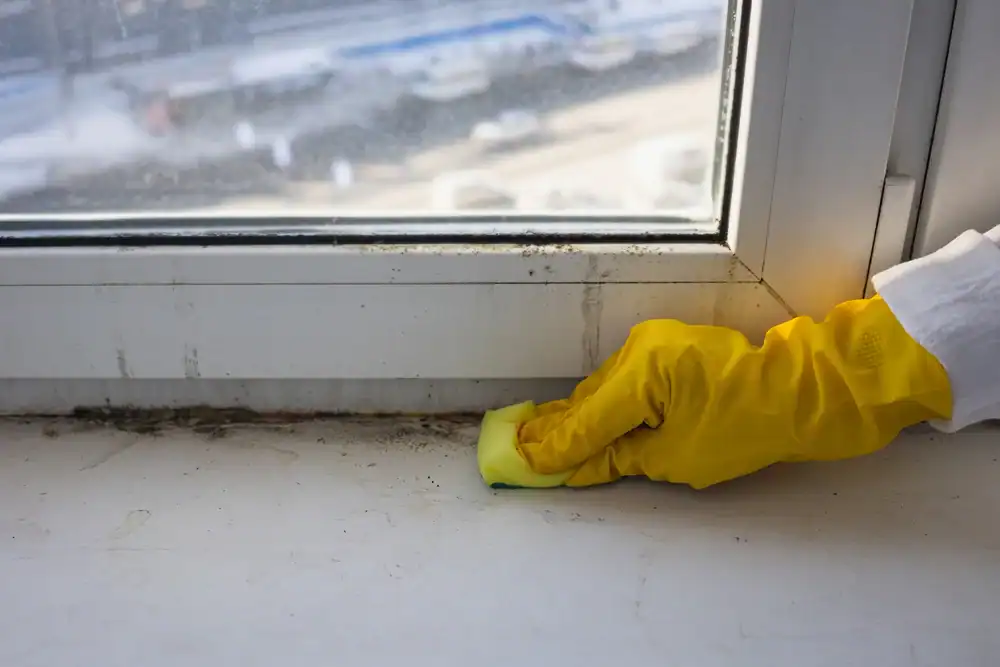
Professional mold removal cleaning window sill with yellow glove.

Mold Mitigation Company Greensboro NC

What's Included in Professional Mold Removal

Professional mold remediation follows a specific process designed to eliminate contamination safely and completely. First, we inspect your property to determine the extent of the mold growth and identify the moisture source. This includes checking crawl spaces, attics, HVAC systems, and other areas where mold commonly hides. We use moisture meters and infrared cameras to find problems you can’t see. Next, we set up containment. This means sealing off the affected area with plastic sheeting and creating negative air pressure using HEPA-filtered air scrubbers. This prevents mold spores from spreading to clean areas of your home while we work. Then we remove contaminated materials—drywall, insulation, carpet, or anything porous that mold has penetrated. These materials can’t be cleaned effectively, so they have to go. After removal, we treat all affected surfaces with antimicrobial solutions and use HEPA vacuums to capture microscopic spores. Finally, we address the moisture problem. If it’s a leaking pipe, we guide you to the right repair. If it’s crawl space humidity, we recommend encapsulation or dehumidification. Without this last step, mold will return. We also provide documentation for insurance claims if needed, and we can arrange post-remediation testing to verify the air quality is safe.

Mold Removal FAQs

Common Questions About Our Service

Mold removal costs in Guilford County typically range from $1,500 to $6,000 for most residential projects, depending on the size of the affected area and the extent of contamination. Small areas under 100 square feet may cost between $500 and $1,500, while extensive whole-house remediation can reach $10,000 to $30,000. Crawl space mold removal, which is common in North Carolina homes, usually falls between $1,500 and $4,000. The final cost depends on several factors: the location of the mold (crawl spaces and HVAC systems are more complex), the type of mold, how much material needs to be removed, and whether there’s underlying water damage that needs repair. Professional mold remediation is priced per square foot, generally between $10 and $25, with labor being the largest cost component. We provide transparent estimates after inspecting your property so you know exactly what to expect before any work begins.
Most mold remediation projects in Guilford County homes take between one and five days to complete, depending on the size and complexity of the job. A small, contained area like a bathroom or single room might be finished in one to two days. Larger projects involving crawl spaces, attics, or multiple rooms typically take three to five days. Extensive whole-house remediation after flooding or major water damage can take a week or longer. The timeline includes inspection, containment setup, removal of contaminated materials, antimicrobial treatment, and addressing the moisture source. If post-remediation testing is requested, that adds another day or two for air quality clearance. Keep in mind that the actual remediation work is just part of the timeline—if underlying repairs are needed, like fixing plumbing leaks or installing crawl space encapsulation, those steps extend the overall project. The important thing is not to rush the process. Proper containment, thorough removal, and moisture correction take time, but they ensure mold doesn’t come back.
Black mold, scientifically known as Stachybotrys chartarum, can produce mycotoxins under certain conditions and is often associated with health concerns like respiratory issues, allergic reactions, coughing, and skin irritation. However, it’s important to understand that not all black-colored mold is toxic Stachybotrys, and all mold—regardless of color—can cause health problems for sensitive individuals, especially those with asthma, allergies, or weakened immune systems. The bigger issue is that by the time you see black mold, it’s already established and likely spreading behind walls, in crawl spaces, or through HVAC systems. Professional removal is strongly recommended for any mold growth larger than 10 square feet, which is the threshold set by the EPA. We have the equipment, training, and safety gear to remove mold without spreading spores throughout your home. We use containment barriers, HEPA filtration, and antimicrobial treatments that aren’t available to homeowners. More importantly, we address the moisture source so mold doesn’t return. Attempting DIY removal on large areas can actually make the problem worse by disturbing spores and spreading contamination.
Mold grows in North Carolina homes primarily because of the state’s high humidity and warm temperatures, which create ideal conditions for mold development. North Carolina averages over 70 percent relative humidity, and temperatures between 60 and 80 degrees Fahrenheit are common year-round—exactly the environment mold needs to thrive. The most common causes are moisture problems: leaking pipes, roof leaks, poor ventilation, crawl space humidity, condensation on windows and walls, flooding, and HVAC system issues. Over 77 percent of North Carolina homes have crawl spaces, which are particularly vulnerable because they’re damp, poorly ventilated, and filled with organic materials like wood joists that mold feeds on. When humid outdoor air enters a crawl space during summer, it condenses on cooler surfaces and creates moisture. In winter, uninsulated crawl spaces allow cold air to create condensation as well. Water intrusion from storms, plumbing failures, or foundation drainage problems accelerates mold growth, and once it starts, it spreads quickly—within 24 to 48 hours in some cases. The key to preventing mold in NC homes is controlling moisture through proper ventilation, dehumidification, crawl space encapsulation, and prompt repair of any water leaks.
Homeowners insurance coverage for mold removal in North Carolina depends on the cause of the mold and the specific terms of your policy. Generally, if mold results from a sudden, accidental event—like a burst pipe, roof damage from a storm, or appliance malfunction—your insurance may cover the remediation costs. However, if mold develops due to long-term neglect, lack of maintenance, or gradual issues like chronic humidity or slow leaks, most policies will not cover it. Insurance companies typically exclude mold caused by flooding, so if you live in a flood-prone area, you may need separate flood insurance. It’s also important to note that many policies have mold coverage limits, often capping payouts between $1,000 and $10,000 regardless of the actual damage. To improve your chances of coverage, document everything: take photos of the mold and water damage, keep records of when you discovered it, and contact your insurance company immediately. We can provide detailed documentation, moisture readings, and remediation reports that support your claim. We work with insurance adjusters regularly and can help you navigate the process to maximize your coverage.
You can remove small amounts of mold yourself if the affected area is less than 10 square feet, the mold is on non-porous surfaces like tile or glass, and you’re confident the moisture source is minor and fixable. For these small jobs, you can use a mixture of detergent and water, wear protective gear like gloves and an N95 mask, and ensure the area is well-ventilated. However, if the mold covers more than 10 square feet, is on porous materials like drywall or wood, involves your HVAC system or crawl space, or if you’re experiencing health symptoms, you need professional help. DIY mold removal on large areas is risky because disturbing mold releases thousands of spores into the air, which can spread contamination throughout your home and worsen your health. We use containment barriers, HEPA-filtered air scrubbers, and negative air pressure to prevent spores from spreading. We also have the training to identify hidden mold, determine if it’s toxic, and address the moisture source so it doesn’t return. In North Carolina, where humidity is high and crawl spaces are common, mold problems are rarely surface-level. What you see is usually just part of a larger issue, which is why professional assessment is critical even if you’re considering DIY cleanup.
1

Inspection and Moisture Detection

We locate all mold growth and identify the moisture source using specialized equipment. You'll know exactly what you're dealing with before we start.

2

Containment and Safe Removal

We seal off the work area, create negative air pressure, and remove contaminated materials using HEPA filtration to protect the rest of your home.

3

Treatment and Moisture Correction

We treat affected surfaces with antimicrobial solutions and address the underlying moisture problem so mold doesn't have a reason to return.

Cities we provide Mold Removal In