

Contact Info
- Greensboro, NC 27406
- Call: 336-707-0498
- Text: 336-707-0498
-
Mon - Fri: 8am - 4pm
Sat - Sun: Closed
Contact Info
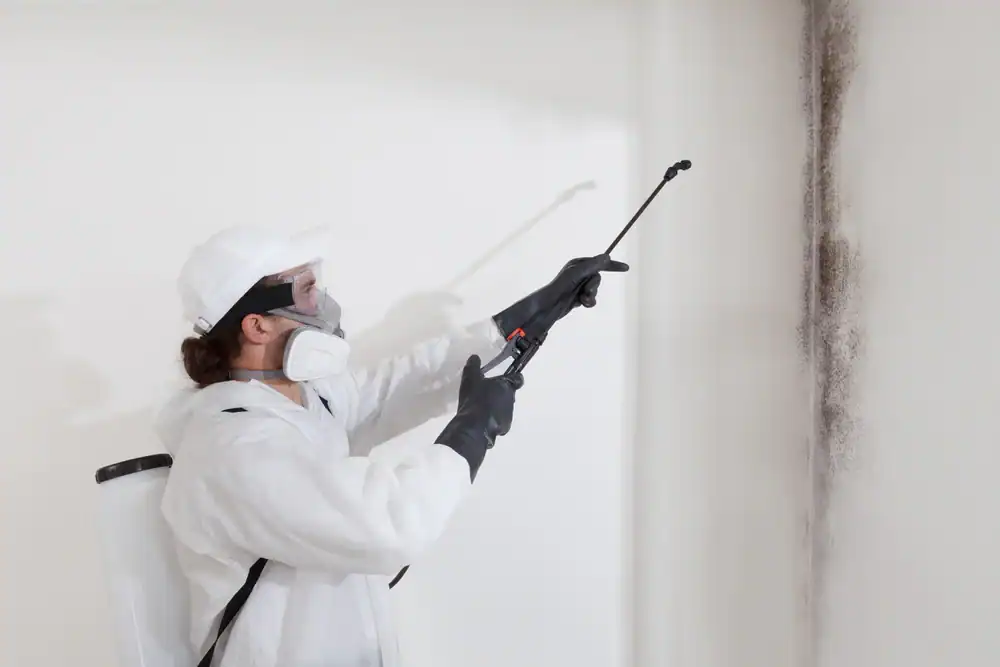
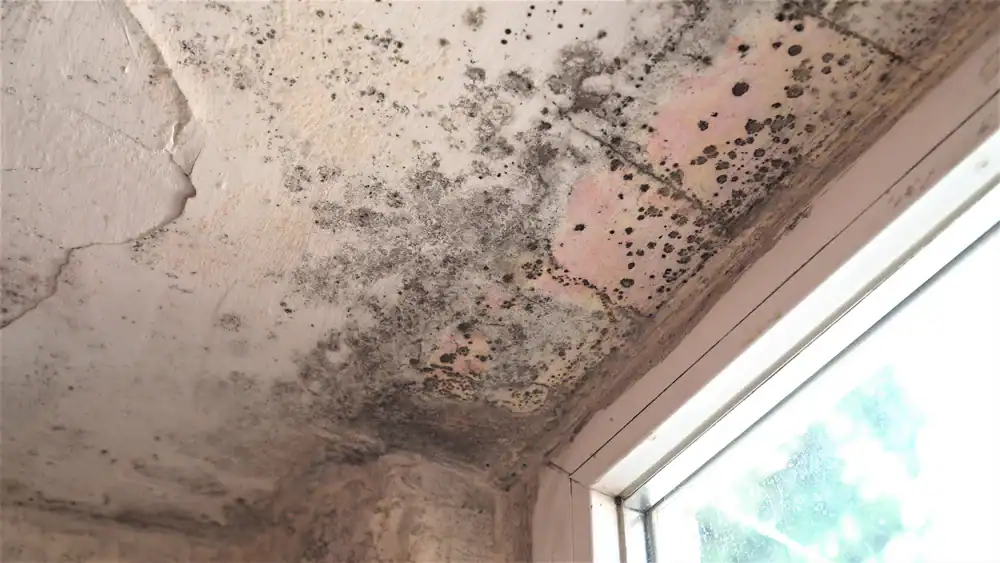
You shouldn’t have to wonder if the air in your home is making you sick. That musty smell in the basement, the allergies that won’t quit, the black spots creeping up the wall—these aren’t things you ignore and hope go away.
Mold removal done right means you stop dealing with stuffy noses, scratchy throats, and that nagging worry every time someone coughs. It means the problem doesn’t come back in three months because someone only wiped down the surface and called it done.
When moisture gets controlled and mold gets removed by people who actually know what they’re doing, your home feels different. The air smells clean. You’re not second-guessing whether it’s safe for your kids to play in the basement. You can sell your house without disclosure nightmares or failed inspections.
North Carolina’s humidity doesn’t make this easy. Asheboro gets plenty of rain and sticky summers, which means crawl spaces, attics, and anywhere water sits becomes a breeding ground. You need more than a spray bottle and good intentions.
We serve homeowners in Asheboro and the surrounding area with professional mold remediation services backed by IICRC certification. That’s not just a credential—it means our team is trained to handle mold safely, thoroughly, and in a way that actually prevents it from coming back.
We’re not the cheapest option, and that’s intentional. You’re paying for technicians who understand how moisture moves through a home, who use thermal imaging and moisture meters to find problems you can’t see, and who don’t cut corners when it comes to containment and air filtration.
Asheboro’s climate makes mold a recurring issue if it’s not handled right the first time. We’ve worked in enough crawl spaces and attics around here to know what works and what’s a waste of your money. Our reputation in this area comes from doing the work correctly and being straight with people about what they actually need.
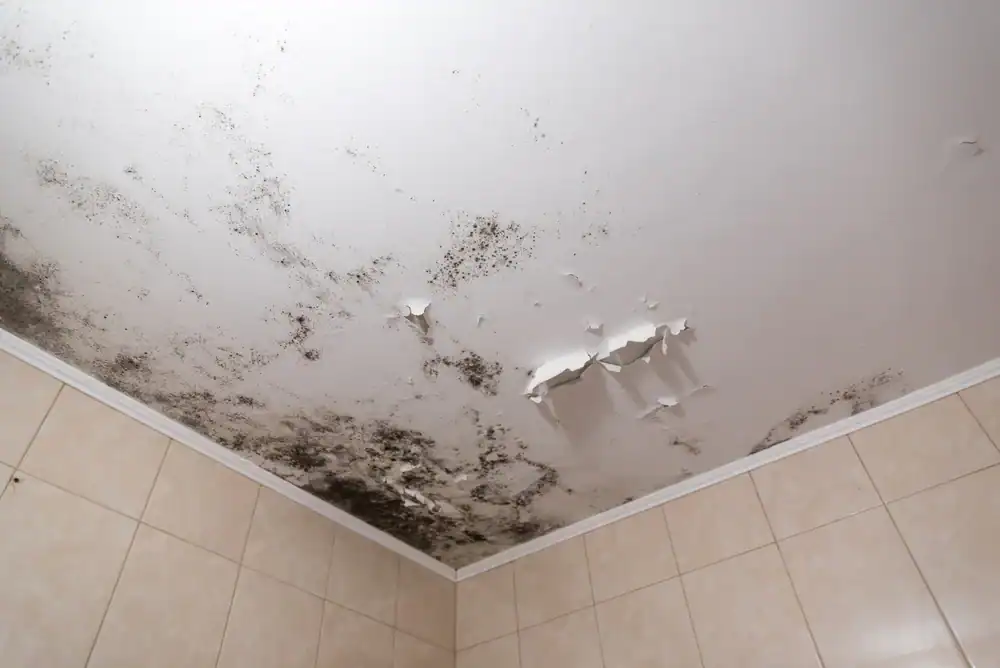
First, we inspect your property with moisture meters and thermal imaging to find where mold is growing and why. You can’t fix a mold problem without fixing the moisture problem, so we identify the source—whether that’s a leak, poor ventilation, or humidity issues in your crawl space.
Next, we contain the affected area to prevent mold spores from spreading to clean parts of your home. We use physical barriers and negative air pressure with HEPA filtration. This step matters because disturbing mold without containment makes the problem worse.
Then we remove the mold using EPA-approved methods and equipment. Porous materials that are heavily contaminated get removed. Hard surfaces get cleaned, treated, and disinfected. We’re not just wiping things down—we’re using antimicrobial treatments and ensuring spores are eliminated.
After removal, we dry and dehumidify the space thoroughly. Mold needs moisture to grow, so if we leave the area damp, you’ll be calling someone again in a few months. We use industrial dehumidifiers and air movers to get humidity levels where they need to be.
Finally, we address prevention. That might mean encapsulating your crawl space, improving ventilation, or installing a dehumidifier. We’ll tell you what’s necessary and what’s optional. The goal is to make sure you’re not dealing with this again next year.
Ready to get started?
You get a full inspection that uses actual equipment, not guesswork. Moisture meters, thermal imaging, and visual assessment tell us exactly where the problem is and how far it’s spread. You’ll know what you’re dealing with before we start tearing into walls.
You get containment that keeps mold spores from spreading through your HVAC system or into other rooms. We seal off the work area and use HEPA air scrubbers to filter the air continuously during the job. This isn’t optional—it’s how you prevent cross-contamination.
You get certified technicians who know the difference between surface mold and a serious infestation. Our team is trained in proper removal techniques, safety protocols, and the science of how mold grows. That training matters when you’re dealing with black mold or large affected areas.
Asheboro’s humidity levels hover around 70% or higher during summer months, and that’s enough to fuel mold growth in any space that doesn’t have good airflow. Crawl spaces under homes in this area are especially vulnerable. We’ve seen it enough times to know that half-measures don’t work here. You need moisture barriers, proper ventilation, and sometimes a dedicated dehumidifier to keep levels under 60%.
You also get documentation of the work, which matters if you’re selling your home or dealing with insurance. We’ll walk you through what was done and what you need to maintain going forward.
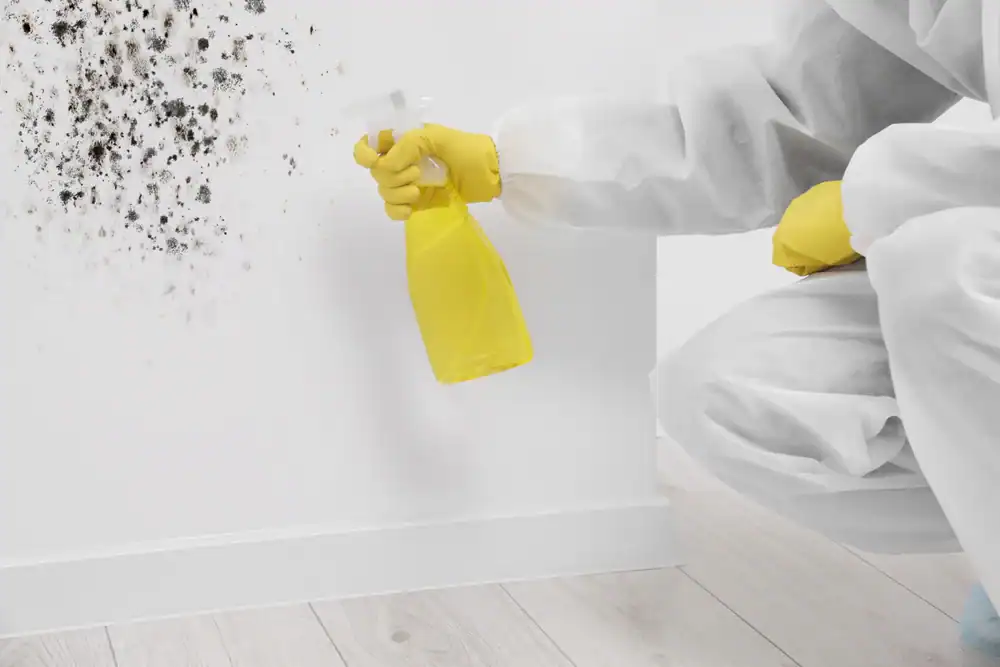
Most mold removal projects in Asheboro run between $500 and $6,000, depending on the size of the affected area and how deep the problem goes. A small patch of mold on a bathroom wall costs a lot less than a full crawl space remediation with encapsulation.
The price depends on square footage, the type of materials affected, and whether we’re dealing with surface mold or contamination that’s gotten into insulation, drywall, or structural wood. If moisture has been sitting for months, the damage spreads and the job gets bigger.
We’ll give you a clear estimate after the inspection. No surprises, no upselling. You’ll know what the work involves and why it costs what it does. Trying to save money with a cheap fix usually means you’re paying someone else to do it right six months later.
If it’s a small area—less than 10 square feet—and it’s on a hard, non-porous surface like tile, you can probably handle it yourself with the right cleaner and some elbow grease. But if it’s bigger than that, if it’s on drywall or wood, or if you’re seeing mold in multiple places, you need professional help.
DIY mold removal fails because most people don’t contain the area, so they end up spreading spores throughout the house. They also don’t address the moisture source, which means the mold comes back. And if you’re dealing with black mold or you have asthma or allergies, disturbing it without proper protection puts your health at risk.
Professional mold remediation services include containment, HEPA filtration, proper removal techniques, and moisture control. We’re not just cleaning what you can see—we’re making sure it doesn’t come back. That’s the difference between spending a weekend scrubbing and actually solving the problem.
Most residential mold removal jobs take between one and five days, depending on the extent of the contamination and how much material needs to be removed. A single room with surface mold might be done in a day. A full crawl space encapsulation with heavy mold growth can take a week.
The timeline also depends on drying time. We can’t close everything up until moisture levels are where they need to be. Rushing that step is how you end up with mold growing back under new drywall.
We’ll give you a realistic timeline during the estimate. If something changes once we open up a wall or pull back insulation, we’ll let you know immediately. Most projects stay on schedule as long as the moisture source gets fixed and we’re not waiting on other contractors to finish repairs.
Moisture and humidity. That’s it. Asheboro’s climate gives you both in abundance, especially from late spring through early fall. When relative humidity stays above 60% and you’ve got poor ventilation, mold starts growing on any organic material it can find—wood, drywall, insulation, even dust.
Crawl spaces are the biggest culprit around here. They’re damp, dark, and usually poorly ventilated. Add in a small plumbing leak or groundwater seepage, and you’ve got ideal conditions. Attics with roof leaks or inadequate ventilation are another common problem, especially after heavy rain.
Bathrooms without exhaust fans, basements with foundation cracks, and HVAC systems that aren’t maintained also create mold-friendly environments. The key is controlling moisture at the source—fixing leaks, improving airflow, and using dehumidifiers where needed. If you just remove the mold without addressing why it’s growing, you’re wasting your time and money.
Black mold—usually Stachybotrys chartarum—can produce mycotoxins that cause respiratory issues, headaches, and allergic reactions, especially in people with asthma or weakened immune systems. It’s not automatically a death sentence like some people claim, but it’s not something you want growing in your house either.
The CDC notes that any mold growth indoors is a problem, regardless of type. You can’t always tell what kind of mold you’re looking at without lab testing, and honestly, it doesn’t matter much. If you’ve got mold growing, it needs to be removed and the moisture source needs to be fixed.
You should get black mold removal handled quickly, especially if anyone in your home is experiencing unexplained respiratory symptoms, frequent headaches, or worsening allergies. The longer it sits, the more it spreads, and the more expensive remediation becomes. We’ve seen small patches turn into whole-wall contamination in a matter of months when conditions are right.
Sometimes, but it depends on what caused the mold. If it resulted from a sudden, covered event—like a burst pipe or storm damage—your insurance will likely cover remediation as part of the water damage claim. If it’s from long-term neglect, poor maintenance, or ongoing humidity issues, probably not.
You need to read your policy or call your agent to know for sure. Some policies explicitly exclude mold coverage, while others cap it at a certain dollar amount. If you’re filing a claim, document everything with photos and get the water or leak fixed immediately to show you’re mitigating damage.
We can work with your insurance company and provide documentation of the work for your claim. But don’t wait for insurance approval to start remediation if you’ve got active mold growth. The longer you wait, the worse it gets, and insurers can deny claims if they think you delayed unreasonably. Get the problem assessed quickly, then figure out coverage while the work gets scheduled.