

Contact Info
- Greensboro, NC 27406
- Call: 336-707-0498
- Text: 336-707-0498
-
Mon - Fri: 8am - 4pm
Sat - Sun: Closed
Contact Info
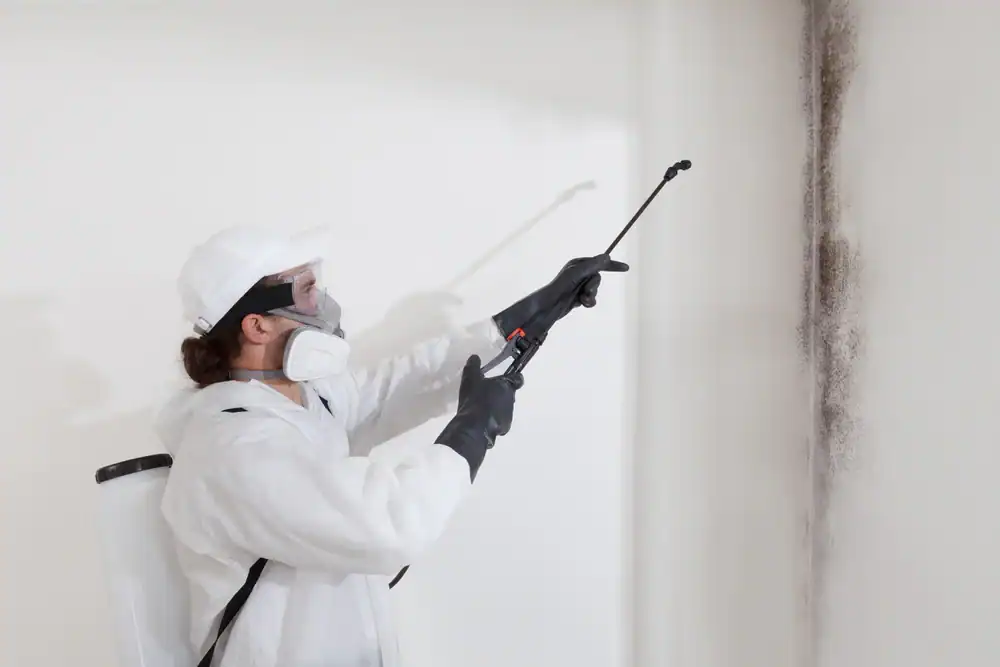
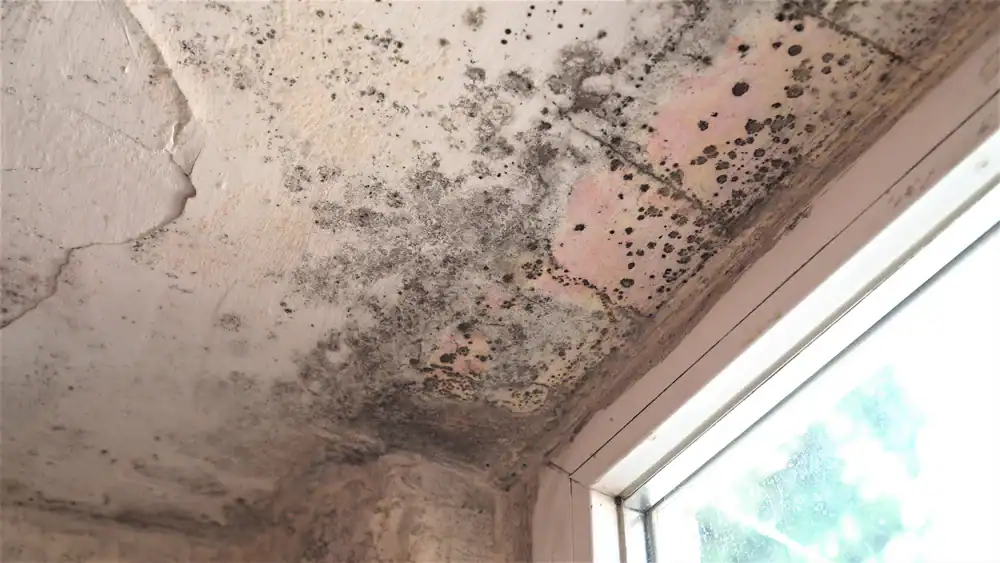
Mold doesn’t just look bad. It affects how your home feels, how your family breathes, and whether you’re constantly dealing with allergies, headaches, or that musty smell that won’t go away no matter how much you clean.
North Carolina’s humidity makes mold a recurring problem for most homes in Colfax. Average humidity here sits above 70% most of the year, which is exactly what mold needs to thrive. Add in a crawl space, a small leak, or poor ventilation, and you’ve got the perfect setup for black mold, surface growth, and air quality issues that affect everyone in the house.
Professional mold cleanup means removing what’s there and fixing why it showed up in the first place. That’s moisture control, proper ventilation, and sealing off areas like crawl spaces where humidity gets trapped. When it’s done right, your air clears up, the smell goes away, and the problem doesn’t come back every summer.
We specialize in mold remediation, crawl space encapsulation, and indoor air quality services throughout Colfax and the surrounding Greensboro area. We’re IICRC trained, which means we follow the only ANSI-approved mold remediation standard in the industry.
Most of our work involves crawl spaces. That’s where the majority of mold problems start in this part of North Carolina. Humid air gets trapped under the house, condensation builds up, and before long you’ve got mold on floor joists, insulation hanging down, and air quality problems upstairs.
We’ve seen it hundreds of times. The good news is it’s fixable, and when it’s done correctly, it stays fixed.
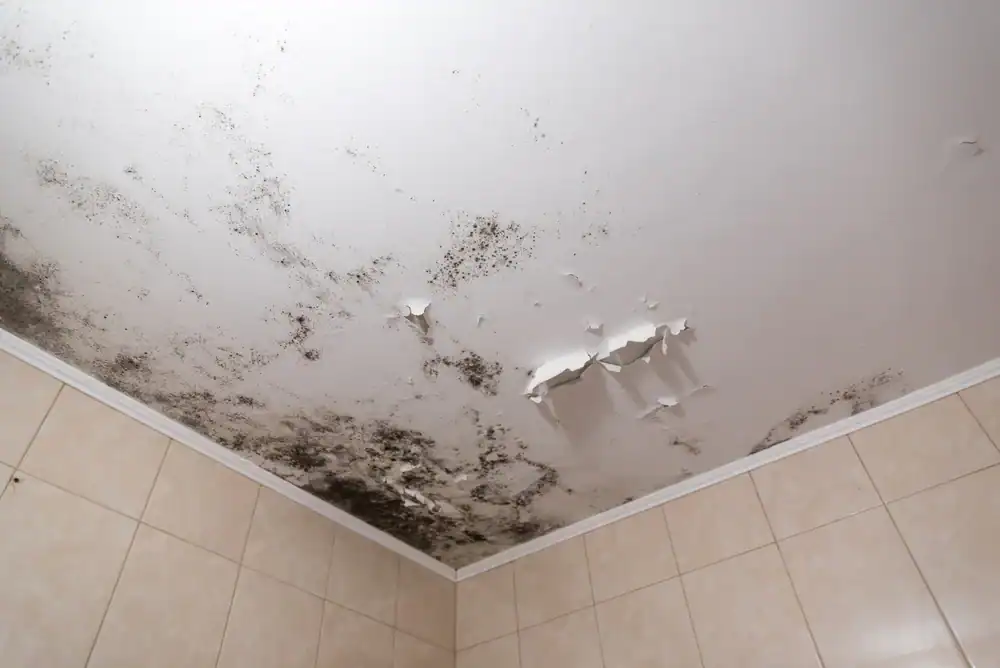
First, we inspect the affected areas and identify where the moisture is coming from. Mold is a symptom, not the root problem. If we don’t address the moisture source, the mold will come back.
Next, we contain the area to prevent spores from spreading during removal. We use HEPA filtration equipment that captures 99.97% of airborne particles, including mold spores. Then we remove contaminated materials, treat surfaces with antimicrobial solutions, and clean the air.
After removal, we focus on prevention. That usually means encapsulating your crawl space, improving ventilation, or installing a dehumidification system. The goal is to create an environment where mold can’t grow again. We don’t just clean up the mess and leave—we make sure the conditions that caused it are gone too.
Ready to get started?
A complete mold removal job covers inspection, containment, removal, air filtration, and prevention. We’re looking at your crawl space, your HVAC system, any areas with water damage, and anywhere moisture tends to collect.
In Colfax, crawl space mold is the most common issue we deal with. North Carolina’s climate makes vented crawl spaces a liability. Hot, humid air comes in through the vents, hits cooler surfaces under your house, and creates condensation. That moisture leads to mold, wood rot, and poor indoor air quality.
We seal and encapsulate crawl spaces with heavy-duty vapor barriers, close off outside vents, and install dehumidifiers when needed. This keeps humidity levels below 60%, which is the threshold where mold stops growing. We also clean HVAC ducts if mold has spread into your ventilation system, because that’s how spores get circulated throughout your home.
If the affected area is larger than 10 square feet, you shouldn’t handle it yourself. That’s the industry standard, and it’s based on safety. Disturbing mold without proper containment and filtration can make the problem worse and expose everyone in the house to higher concentrations of spores.
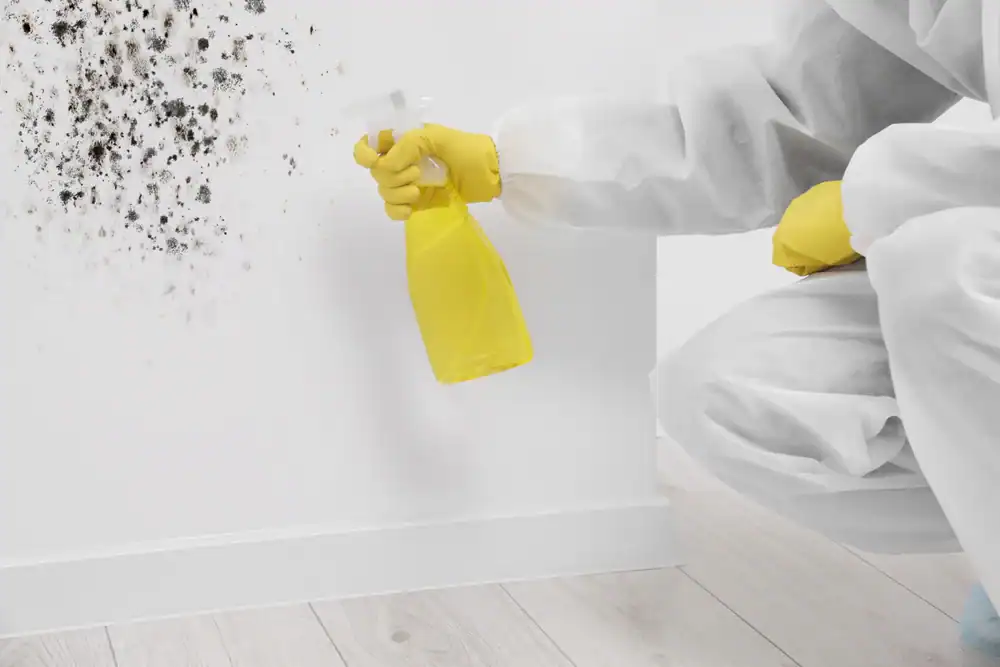
Mold remediation costs depend on the size of the affected area, the type of mold, and what’s causing the moisture problem. In North Carolina, the average cost is around $7,500, but smaller jobs can run a few thousand dollars while larger infestations can reach $30,000 or more.
Most of the cost comes from containment, removal, and fixing the underlying issue. If your crawl space needs encapsulation or you need a dehumidification system installed, that adds to the total. But skipping those steps means the mold will likely come back, and you’ll be paying for remediation again in a year or two.
We offer free estimates so you know exactly what you’re dealing with before any work starts. That includes a full inspection, a breakdown of what needs to happen, and a clear price with no surprises.
Black mold, or Stachybotrys chartarum, usually appears as dark greenish-black patches in areas with consistent moisture. It has a slimy texture when wet and a musty, earthy smell that doesn’t go away even after cleaning.
Common signs include visible mold growth in bathrooms, crawl spaces, basements, or around windows. You might also notice increased allergy symptoms, respiratory issues, or a persistent musty odor even when you can’t see mold. That smell is a red flag—it means mold is growing somewhere, even if it’s hidden behind walls or under flooring.
If you suspect black mold, don’t try to remove it yourself. Disturbing it releases spores into the air, which can cause health problems and spread contamination. A professional inspection will identify the type of mold, how widespread it is, and what’s causing it so you can address the problem correctly.
Mold can return if the moisture problem isn’t fixed. Removal gets rid of what’s there, but if humidity levels stay high or leaks aren’t repaired, you’re just creating the same conditions that caused mold in the first place.
That’s why professional mold remediation includes moisture control. In Colfax, that usually means crawl space encapsulation, dehumidification, or fixing drainage issues around the foundation. North Carolina’s humidity doesn’t go away, so your home needs systems in place to manage it.
When remediation is done correctly and moisture is controlled, mold doesn’t come back. We’ve worked with homeowners who dealt with recurring mold for years before addressing the root cause. Once the crawl space was sealed and humidity was managed, the problem stopped. That’s the difference between a temporary fix and a permanent solution.
Most residential mold removal jobs take between one and five days, depending on the size of the affected area and the extent of the damage. Small, contained areas like a bathroom or closet can often be handled in a day or two. Larger jobs involving crawl spaces, multiple rooms, or HVAC systems take longer.
The timeline also depends on what caused the mold. If there’s an active leak or ongoing moisture issue, that needs to be fixed before or during remediation. Drying out the area, removing contaminated materials, treating surfaces, and installing prevention systems all take time.
We’ll give you a clear timeline during the estimate so you know what to expect. The goal is to do it right, not fast. Rushing through remediation usually means cutting corners, and that leads to mold coming back.
Mold exposure can cause allergic reactions, respiratory problems, and other health issues, especially for people with asthma, allergies, or weakened immune systems. Common symptoms include coughing, sneezing, itchy eyes, skin irritation, and difficulty breathing.
Black mold is particularly concerning because it produces mycotoxins, which can cause more severe reactions. Long-term exposure has been linked to chronic respiratory issues and other health problems. In 2018, North Carolina health care costs directly related to mold exposure totaled $126 million, covering asthma, bronchitis, and rhinitis cases.
If anyone in your home is experiencing unexplained respiratory symptoms or allergies that get worse indoors, mold could be the cause. Getting it professionally removed improves indoor air quality and eliminates the source of those health problems. The longer mold stays in your home, the more spores accumulate in the air and the worse the health effects become.
If you can see mold or smell it, testing usually isn’t necessary. Visible mold means you have a problem that needs to be removed, regardless of what type it is. All mold should be treated seriously and removed properly.
Testing makes sense if you’re experiencing symptoms but can’t locate the source, or if you want to confirm the type of mold after remediation is complete. Some homeowners test before and after to verify that spore counts have returned to normal levels.
A professional inspection will identify where the mold is, how widespread the problem is, and what’s causing it. That’s more useful than a test result because it tells you what actually needs to happen. We can recommend testing if it makes sense for your situation, but in most cases, the next step is clear: remove the mold and fix the moisture issue.