

Contact Info
- Greensboro, NC 27406
- Call: 336-707-0498
- Text: 336-707-0498
-
Mon - Fri: 8am - 4pm
Sat - Sun: Closed
Contact Info
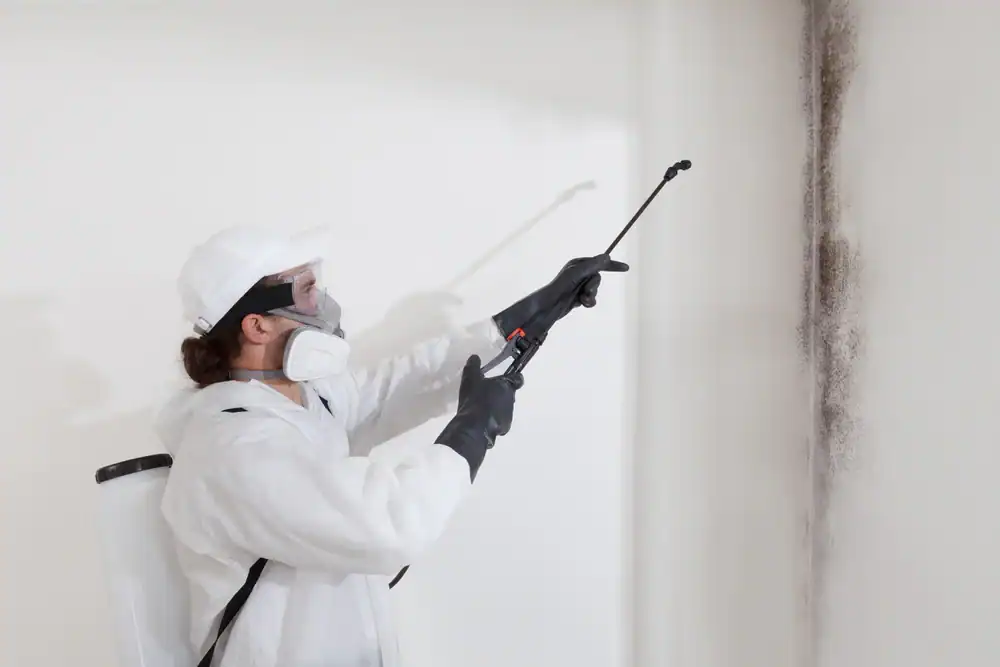
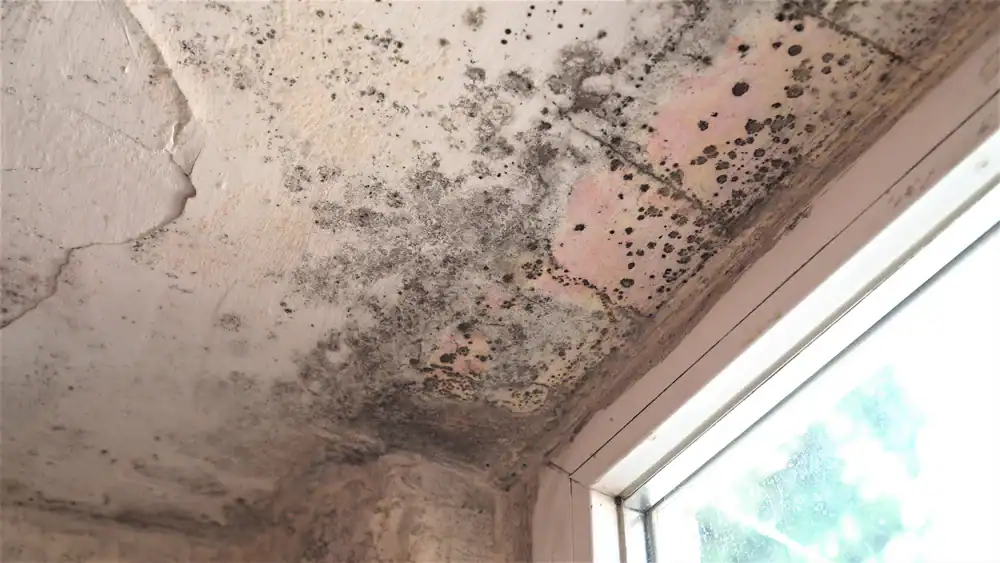
You’re not looking for a band-aid. You need the mold gone, the air clean, and confidence that it won’t come back the next time humidity spikes in Gibsonville.
That’s what proper mold remediation gives you. Not just surface cleaning, but containment that stops spores from spreading, removal that gets to the source, and moisture control that addresses why it showed up in the first place. No respiratory issues keeping your kids up at night. No musty smell that makes you embarrassed when people visit. No wondering if that dark spot in the corner is getting worse.
The difference between DIY attempts and professional mold cleanup is simple: we have the equipment to find hidden growth, the training to remove it safely, and the experience to prevent it from returning. You get your home back without the health risks or the recurring nightmare of watching it reappear.
Gibsonville’s older homes and humid climate create perfect conditions for mold growth. We’ve worked in enough crawl spaces, attics, and basements around here to know exactly where it hides and why it keeps coming back.
Clean Air LLC handles mold abatement services with licensed professionals who understand the specific challenges in this area. We’re not a national franchise reading from a script. We’re local remediators who know that your 1960s-era home has different vulnerabilities than new construction, and that summer humidity in North Carolina isn’t a joke.
We show up, assess the situation honestly, and handle it right the first time. No upselling services you don’t need. No cutting corners that leave you with the same problem next season.
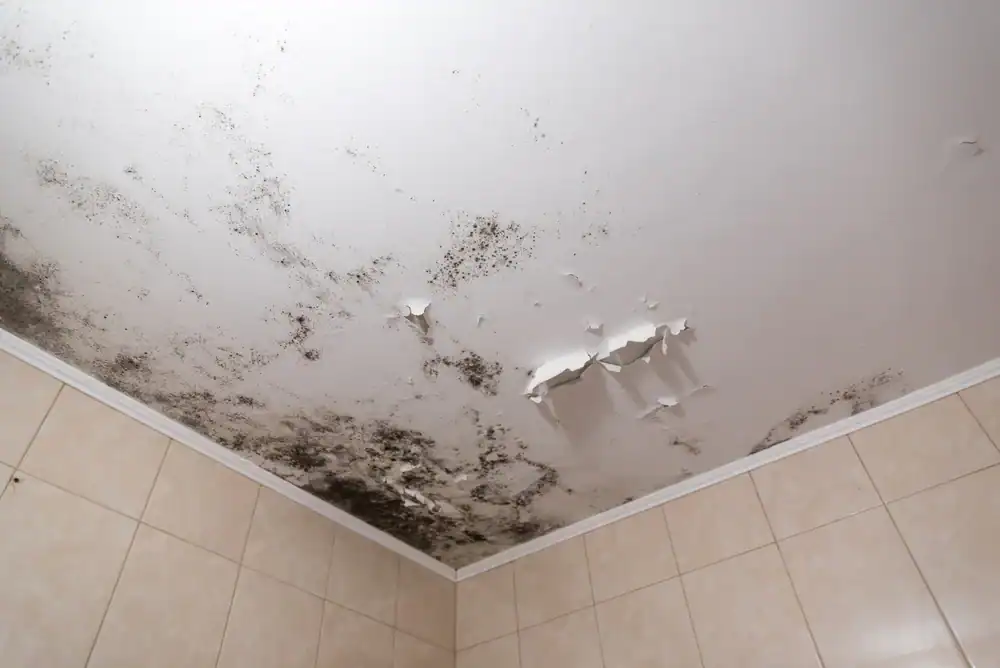
First, we inspect your property with moisture meters and infrared cameras to find all the mold—not just what’s visible. Hidden growth in wall cavities or HVAC systems is often the bigger problem.
Next comes containment. We seal off the affected area with plastic barriers and run negative air machines with HEPA filtration. This stops mold spores from spreading to clean areas of your home during removal. Then we remove contaminated materials that can’t be salvaged and clean everything that can be saved using professional-grade antimicrobials.
After removal, we address the moisture source. Whether it’s a leak, poor ventilation, or humidity issues, fixing the root cause is what prevents mold from returning. Finally, we conduct clearance testing to confirm the air quality is safe and the mold is actually gone—not just covered up.
The whole process typically takes a few days depending on the extent of growth. You’ll know what to expect before we start, and you’ll have documentation when we’re done.
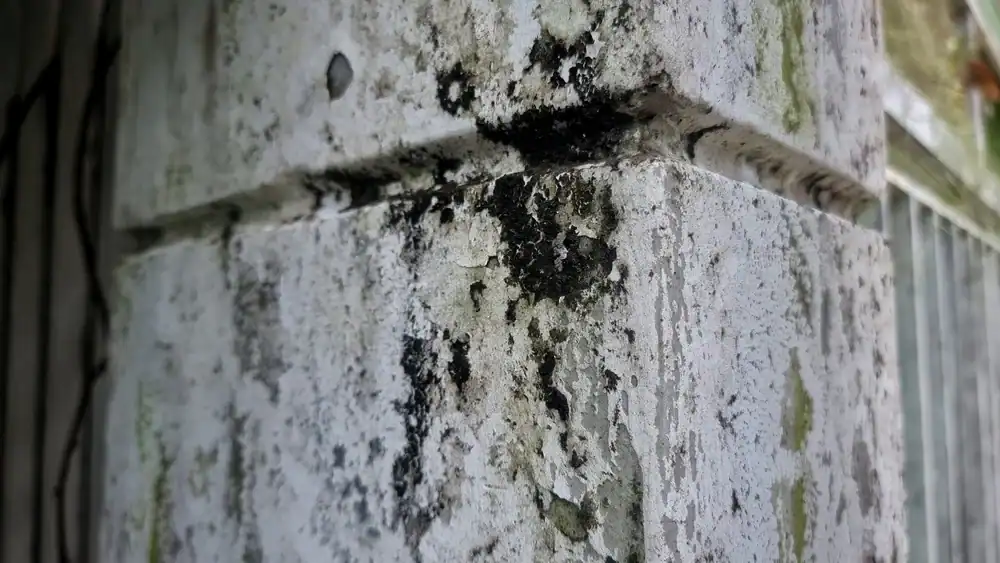
Ready to get started?
Every mold removal project starts with a thorough assessment. We test air quality, identify the mold species, and map out how far it’s spread. This isn’t guesswork—it’s data that tells us exactly what we’re dealing with.
Gibsonville’s climate means moisture problems don’t fix themselves. Older homes here often have inadequate vapor barriers, poor attic ventilation, or plumbing that’s seen better days. We address these issues as part of the remediation process because removing visible mold without fixing the moisture source is pointless.
Our mold mitigation company provides containment setup, safe removal of affected materials, HEPA air filtration during the entire process, antimicrobial treatment of salvageable surfaces, and post-remediation verification testing. You also get recommendations for preventing future growth—whether that’s improving ventilation, installing a dehumidifier, or addressing drainage issues around your foundation.
The goal isn’t just getting rid of mold. It’s making sure your home stays healthy and you’re not calling us back in a year to do this again.
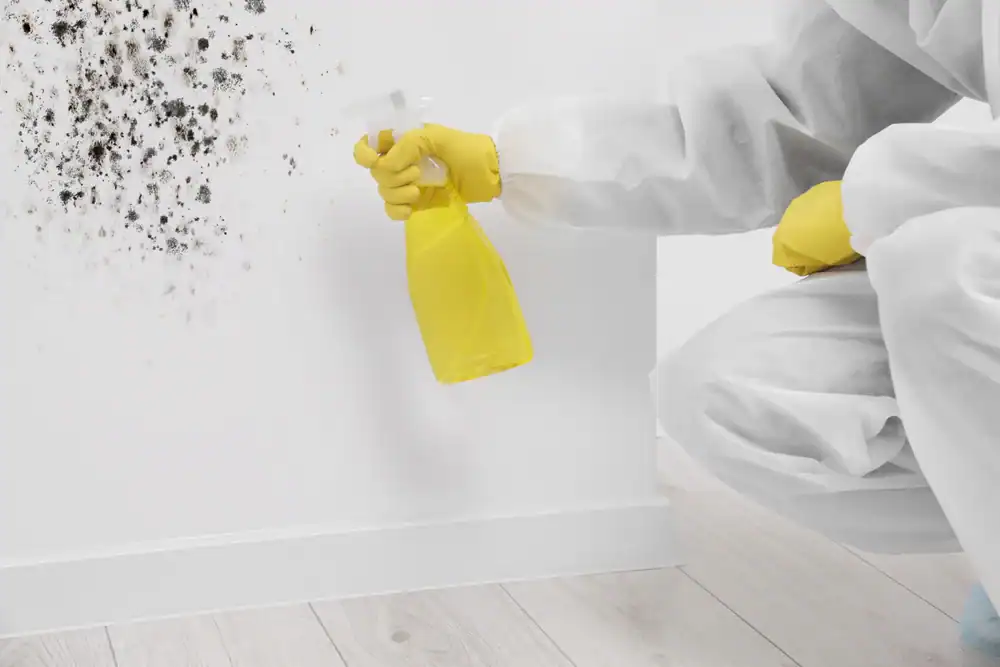
Most residential mold removal projects in Gibsonville range from $1,500 to $6,000 depending on the extent of contamination and what’s causing it. A small area in a bathroom costs less than widespread growth in a crawl space or throughout an HVAC system.
The price includes inspection, containment, removal, cleaning, and verification testing. If you need structural repairs—like replacing drywall or subflooring—that adds to the cost. Water damage remediation is often part of the equation if a leak caused the mold growth.
Here’s what drives the price up: hidden mold that requires opening walls, contamination in hard-to-reach areas like crawl spaces, or toxic black mold that requires extra precautions. We provide a detailed estimate after the initial inspection so you know exactly what you’re paying for and why. Most homeowners insurance policies cover mold remediation if it resulted from a covered peril like a burst pipe, so check your policy before assuming you’re paying out of pocket.
A typical mold removal project takes two to five days from start to finish. Small, contained areas might be done in a day or two. Larger jobs involving multiple rooms or extensive contamination can take a week or more.
The timeline depends on how much mold we’re removing, how accessible it is, and how long containment and drying take. We can’t rush the process—proper containment setup, careful removal, and thorough drying are what prevent the problem from coming back.
Most of the time, you can stay in your home during remediation as long as the affected area is properly contained. If the contamination is severe or involves your HVAC system spreading spores throughout the house, we might recommend staying elsewhere temporarily. We’ll let you know upfront if that’s necessary. The goal is doing it right, not doing it fast and leaving you with recurring problems.
Small surface mold on non-porous materials—like a little mildew on bathroom tile—you can usually handle yourself with proper cleaning products and ventilation. Anything larger than about 10 square feet, or mold growing inside walls, under flooring, or in your HVAC system, needs professional mold remediation services.
Here’s why: mold releases spores when disturbed. Without proper containment and HEPA filtration, DIY removal often spreads contamination to other areas of your home. You also need to identify and fix the moisture source, or the mold just comes back. Most homeowners don’t have moisture meters, infrared cameras, or the training to find hidden growth.
Black mold and other toxic species require specialized safety equipment and disposal procedures. Exposure during improper removal can cause serious respiratory issues, especially for kids, elderly family members, or anyone with asthma. We have the equipment, training, and licensing to handle it safely. If you’re unsure whether your situation requires professional help, get an inspection. It’s better to know what you’re dealing with than to make the problem worse trying to save money.
Moisture is the only cause that matters. Gibsonville’s humidity, especially in summer, creates ideal conditions for mold growth when combined with poor ventilation or water intrusion. Older homes in the area often have inadequate moisture barriers in crawl spaces, roof leaks that go unnoticed, or plumbing issues that create damp conditions inside walls.
Common culprits include: leaking pipes or roofs, poor attic or crawl space ventilation, HVAC condensation problems, foundation cracks allowing water intrusion, and high indoor humidity without proper dehumidification. Mold needs moisture, organic material to feed on (like wood or drywall), and temperatures between 60-80 degrees. Your home provides all three if moisture isn’t controlled.
The key to prevention is controlling humidity and fixing water problems immediately. That means running dehumidifiers in damp areas, ensuring proper ventilation in bathrooms and kitchens, fixing leaks as soon as you notice them, and maintaining your roof and gutters. After we remove mold, we’ll identify what caused it and recommend specific fixes for your property. Otherwise you’re just treating symptoms instead of solving the actual problem.
Black mold—specifically Stachybotrys chartarum—produces mycotoxins that can cause serious health problems, especially with prolonged exposure. It’s not overblown, but it’s also not an automatic death sentence like some sources claim. The risk depends on the amount of exposure, the person’s health, and how long they’re breathing it in.
Symptoms of black mold exposure include persistent coughing, throat irritation, chronic sinus issues, headaches, fatigue, and worsening asthma symptoms. Kids and elderly people are more vulnerable. Some people develop severe respiratory issues or allergic reactions. The problem is that you can’t identify mold species just by looking at it—professional testing is the only way to know if you’re dealing with toxic black mold or a less dangerous variety.
Regardless of the species, mold doesn’t belong in your home. Even non-toxic varieties cause health issues and property damage if left untreated. If you see mold growth or smell that distinctive musty odor, get it inspected and removed. The health risks aren’t worth ignoring it or hoping it goes away on its own. Professional mold removal eliminates the contamination safely and verifies through air quality testing that your home is actually clean.
Mold won’t return if the moisture problem is fixed and the remediation was done properly. That’s the difference between professional mold mitigation and just cleaning visible growth—we address the root cause, not just the symptoms.
If moisture returns, mold can grow again. That’s not a failure of the remediation—it’s a new moisture problem that needs attention. This is why we focus so heavily on identifying and fixing what caused the mold in the first place. A leaking pipe that gets repaired, improved ventilation that reduces humidity, or better drainage around your foundation all prevent recurrence.
After remediation, you should monitor humidity levels, fix any water intrusion immediately, and consider annual mold inspections if your home is prone to moisture issues. We provide specific recommendations based on what we found during your project. Most customers don’t have recurring problems because we handle both the mold and the conditions that allowed it to grow. If you’re just covering it up or cleaning surface mold without addressing moisture, yes, it’ll come back. That’s why proper professional remediation matters.