

Contact Info
- Greensboro, NC 27406
- Call: 336-707-0498
- Text: 336-707-0498
-
Mon - Fri: 8am - 4pm
Sat - Sun: Closed
Contact Info
You stop wondering if that musty smell is making your kids’ asthma worse. You stop worrying about what’s growing in your crawl space while you’re at work. You breathe easier because the air in your home isn’t circulating mold spores from spaces you can’t even see.
Most mold problems in Graham aren’t just about the mold you can see on a wall. They’re about what’s happening in your crawl space, where North Carolina’s humidity creates the perfect environment for growth. Over 70% humidity most of the year means moisture gets trapped under your home, and once mold starts, it spreads fast.
When mold removal is done right, it doesn’t come back. That’s because we’re not just treating the surface. We’re identifying why moisture is getting in, where it’s pooling, and how to stop it from creating the same problem again. You get a home that feels cleaner, air that doesn’t irritate your throat, and the confidence that this is actually handled.
We’ve been improving indoor air quality in Graham and the surrounding area since the early 1990s. We’re not a national franchise that showed up last year. We’re a local, family-owned company with an A+ BBB rating, and we’ve seen every kind of mold problem this climate can create.
We know the homes here. We know how crawl spaces are built in this area, how the soil drains, and what happens when you get three days of heavy rain in July. That experience matters when you’re trying to figure out why mold keeps showing up in the same spot.
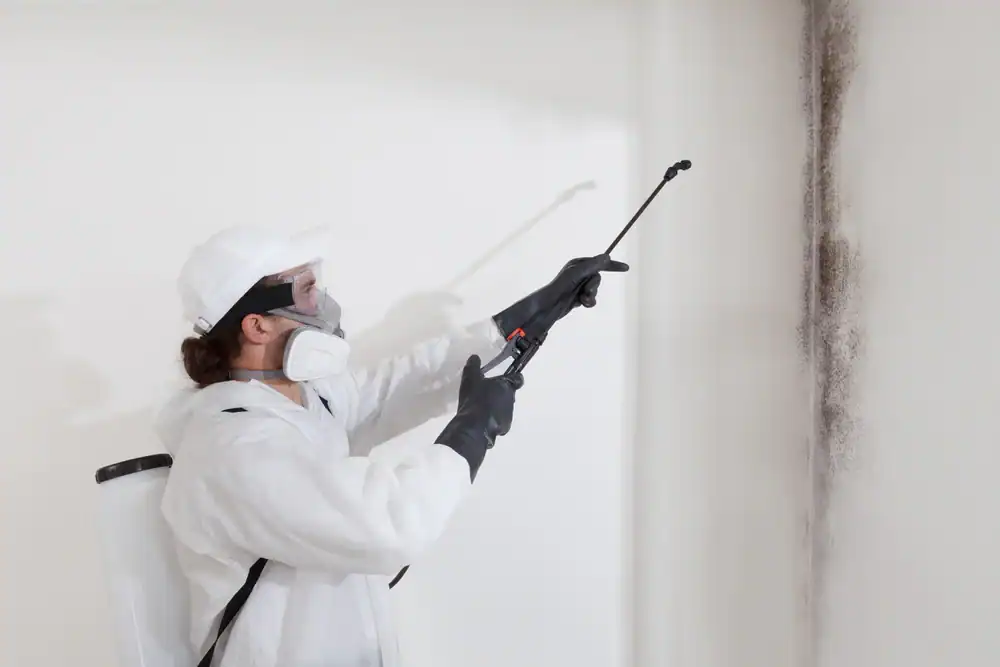
You’re not getting a crew that sprays something and leaves. You’re getting certified mold remediators who hand-wipe every contaminated surface, remove affected materials when necessary, and walk you through what caused it so you understand what you’re paying for.
We start with an inspection to find out where the mold is and what’s feeding it. That means checking your crawl space, looking at your HVAC system, identifying any water intrusion points, and measuring moisture levels in the air and materials. You need to know what you’re dealing with before anyone starts tearing things apart.
Once we know the scope, we contain the affected area so mold spores don’t spread to clean parts of your home during removal. Then we remove the mold by hand. Not with a spray that covers it up—we physically remove it from every surface. If materials like insulation or drywall are too far gone, we remove and dispose of them properly.
After the mold is gone, we treat the area and address the moisture source. That might mean improving ventilation, fixing drainage issues, sealing your crawl space, or upgrading your dehumidification. If we don’t fix what caused it, you’ll be calling someone again in a year.
The final step is verification. We make sure the air quality is back to normal and that moisture levels are where they need to be. You get documentation of what was done, and you know exactly what to watch for going forward.
Ready to get started?
You get a full assessment of where mold is growing and why. We’re looking at your entire home’s moisture situation, not just the spot you called about. In Graham, that usually means spending time in your crawl space, because that’s where most of the moisture problems start in this area.
You get complete removal using industry-standard containment and HEPA filtration. We’re not leaving mold behind or letting spores circulate through your house while we work. Everything contaminated gets cleaned or removed, and we’re wearing the right protective gear because we take this seriously.
You also get the moisture solution. Whether that’s crawl space encapsulation, better drainage around your foundation, upgraded dehumidification, or repairs to leaks you didn’t know you had—we’re fixing the root cause. Alamance County’s clay soil and humidity levels mean you can’t just remove mold and hope for the best. The conditions that created it are still there unless someone addresses them.
And if your mold problem is related to a water damage event that your insurance might cover, we’ll work with you on documentation and help you understand what’s typically covered versus what’s considered maintenance.
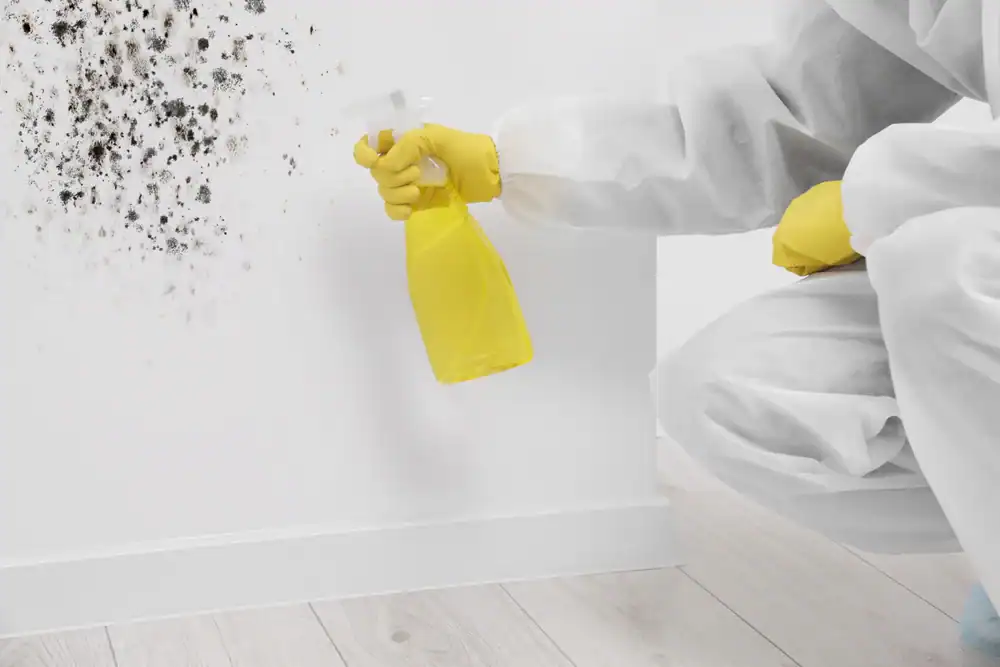
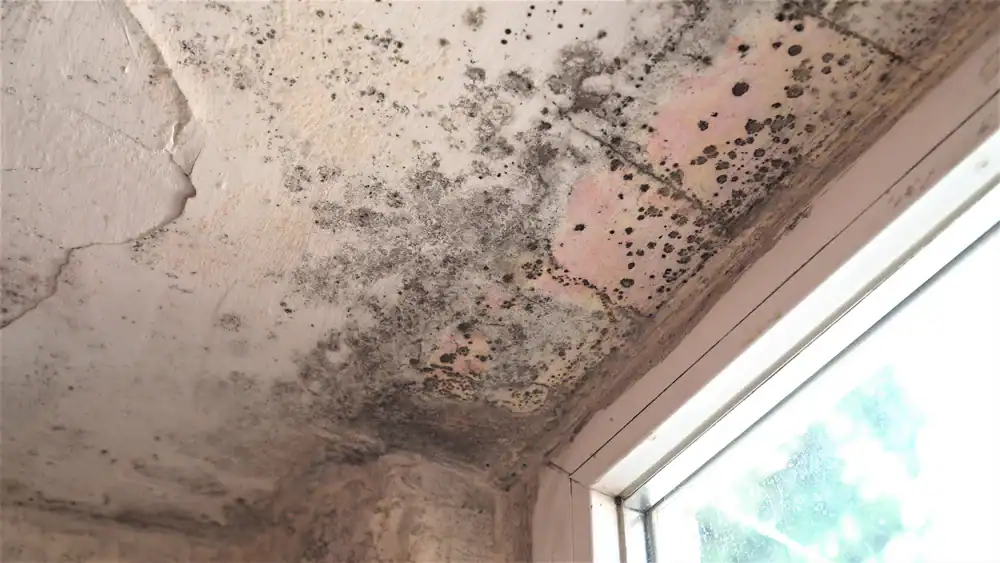
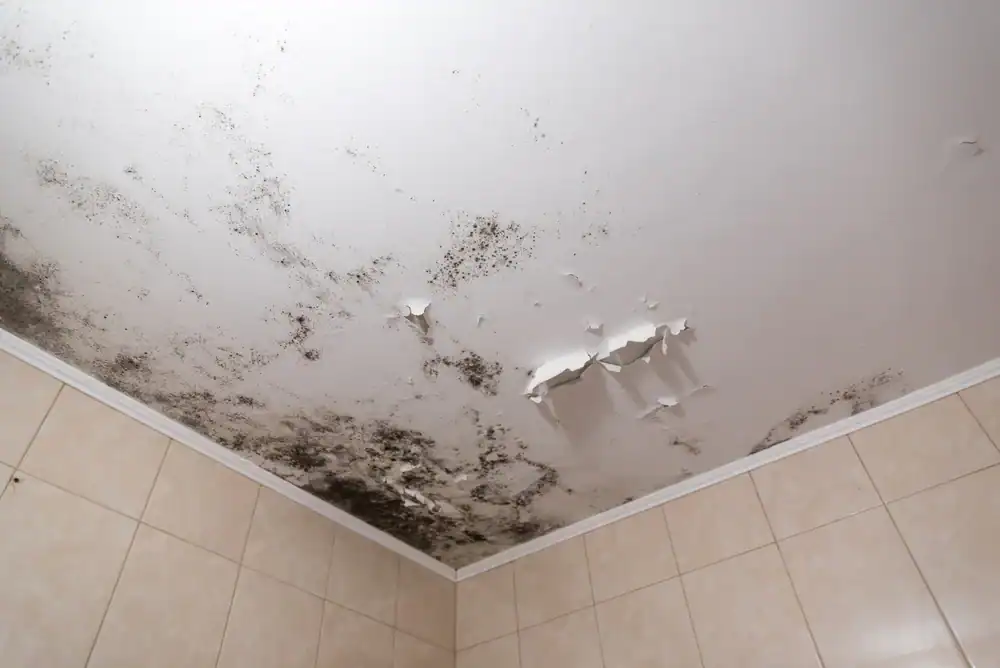
If you’re smelling something musty that doesn’t go away, that’s usually mold. If anyone in your house is dealing with unexplained respiratory irritation, watery eyes, or worsening asthma, that’s another sign. Visible growth on walls, ceilings, or in your crawl space is obvious, but most mold in Graham homes is hidden.
Normal humidity feels sticky in summer. A mold problem smells different—earthy, damp, like wet cardboard. You’ll notice it most when you first walk into your house or when you open a closet that’s on an exterior wall.
The only way to know for sure is to have someone inspect your crawl space and check moisture levels in your home. In North Carolina, humidity above 60% indoors creates conditions for mold growth, and most homes here sit above that without proper dehumidification. If your crawl space has standing water, wet insulation, or visible growth on the floor joists, you’ve got a problem that needs professional mold cleanup.
Because you’re treating the symptom, not the cause. Mold grows when there’s moisture and organic material. If you scrub mold off a wall but don’t fix the leak, improve the ventilation, or address the humidity problem, you’re just buying yourself a few weeks.
Most DIY mold removal also doesn’t get deep enough. Surface cleaning might remove what you can see, but mold has roots that penetrate porous materials like drywall and wood. Unless you’re removing affected materials or treating them properly, the mold is still there under the surface.
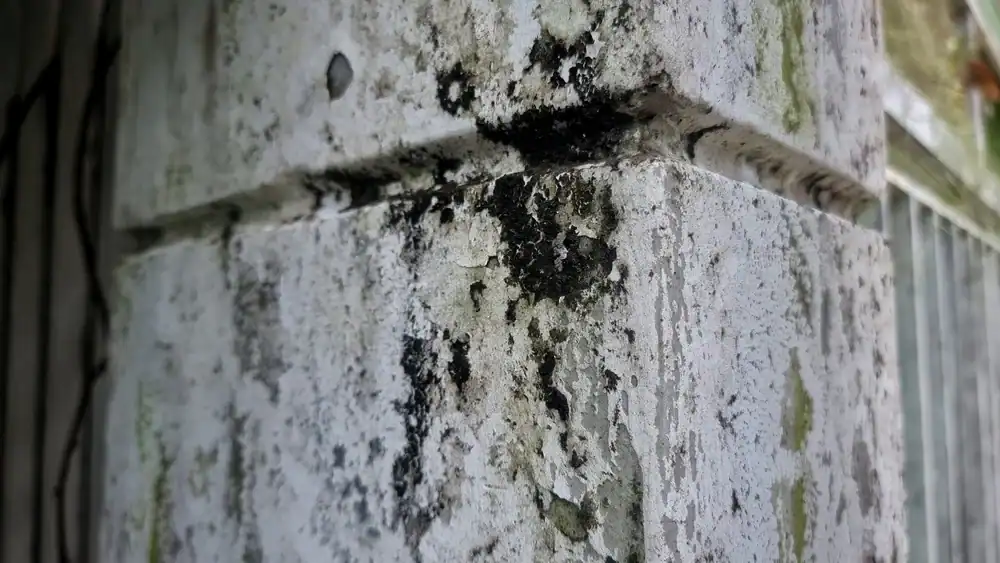
In Graham, the bigger issue is usually your crawl space. Moisture from the ground evaporates up into your home, creating humidity that feeds mold growth throughout your house. You can clean your bathroom ceiling every month, but if your crawl space is a swamp, you’re never going to solve it. That’s why professional mold mitigation includes moisture control—it’s the only way to actually stop the cycle.
For a contained area like a bathroom or single crawl space section, you’re usually looking at 1-3 days. For whole-home contamination or severe crawl space mold, it can take a week or more. It depends on how much mold there is, what materials are affected, and how extensive the moisture problem is.
The inspection and assessment usually happen on day one. Containment and removal happen next. If we’re pulling out insulation, treating floor joists, or removing drywall, that adds time. Then there’s drying time before we can encapsulate or seal anything.
The moisture solution might extend the timeline. If your mold problem requires crawl space encapsulation, drainage improvements, or HVAC work, those are additional steps that happen after the mold is gone. We’re not rushing through this to hit a deadline—we’re making sure it’s done right so you’re not calling us back in six months. Most Graham homeowners are more concerned with thoroughness than speed, and that’s the right priority when you’re talking about your family’s health and your home’s structural integrity.
Black mold—specifically Stachybotrys chartarum—gets a lot of attention because it can produce mycotoxins that cause serious health issues. But here’s the reality: all mold growing in your home is a problem. You shouldn’t be breathing any of it.
Different people react differently to mold exposure. Some people get respiratory irritation, headaches, and sinus problems from any mold. Others are fine until exposure is severe. If you’ve got asthma or allergies, any mold in your home is making it worse. The CDC estimates that 21% of asthma cases in the US are linked to dampness and mold in homes.
What matters more than the type is the amount and how long you’ve been exposed. If you’ve got mold growing in your crawl space and your HVAC system is pulling that air into your living space, you’re breathing mold spores every day. That’s a problem whether it’s black mold or any other species. We treat all contamination seriously because your health doesn’t care what color it is.
It depends on what caused the mold. If it’s from a sudden, accidental water event—like a burst pipe or storm damage—most policies will cover the mold removal as part of the water damage claim. If it’s from long-term neglect, poor maintenance, or gradual moisture problems, probably not.
Insurance companies want to see that you responded quickly to water damage. Mold that grows because you didn’t fix a known leak or didn’t address flooding within 48 hours is usually considered a maintenance issue. But if a pipe burst while you were at work and mold grew before you could get it dried out, that’s typically covered.
The best approach is to document everything, take photos, and contact your insurance company right away. We can help you with the documentation process and work with your adjuster if needed. We’ve been doing this in Alamance County for 30 years, so we know what local insurance companies typically cover and how to present the claim. Even if insurance doesn’t cover it, you still need to address the problem—mold doesn’t get better on its own, and the longer you wait, the more expensive it gets.
Mold removal is getting rid of the mold you can see. Mold remediation is fixing the entire problem so it doesn’t come back. Removal is a step in the process, but remediation is the complete solution.
True mold remediation includes identifying the moisture source, removing contaminated materials, treating affected areas, improving ventilation or humidity control, and verifying that the environment is no longer supporting mold growth. It’s a systems approach, not just a cleaning service.
In Graham, that distinction matters because our climate creates ongoing moisture challenges. If a company just removes the mold and leaves, you’re going to have the same problem again. Remediation means we’re addressing why your crawl space stays damp, why your bathroom doesn’t ventilate properly, or why water is pooling against your foundation. We’re certified mold remediators, which means we’re trained to handle the entire scope—not just the visible growth. You’re paying for a solution, not a temporary fix.