

Contact Info
- Greensboro, NC 27406
- Call: 336-707-0498
- Text: 336-707-0498
-
Mon - Fri: 8am - 4pm
Sat - Sun: Closed
Contact Info
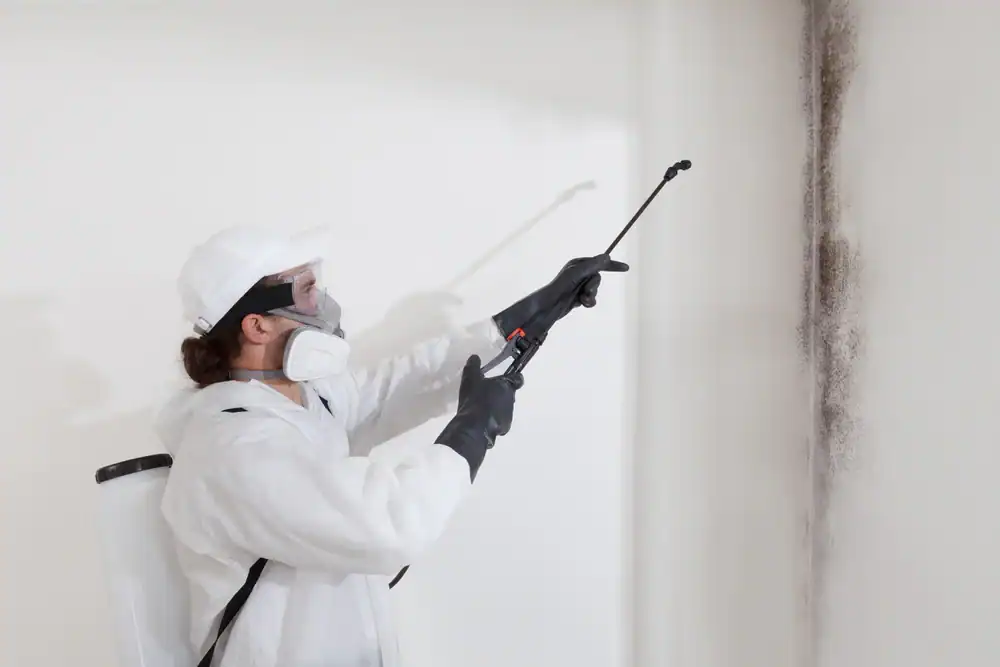
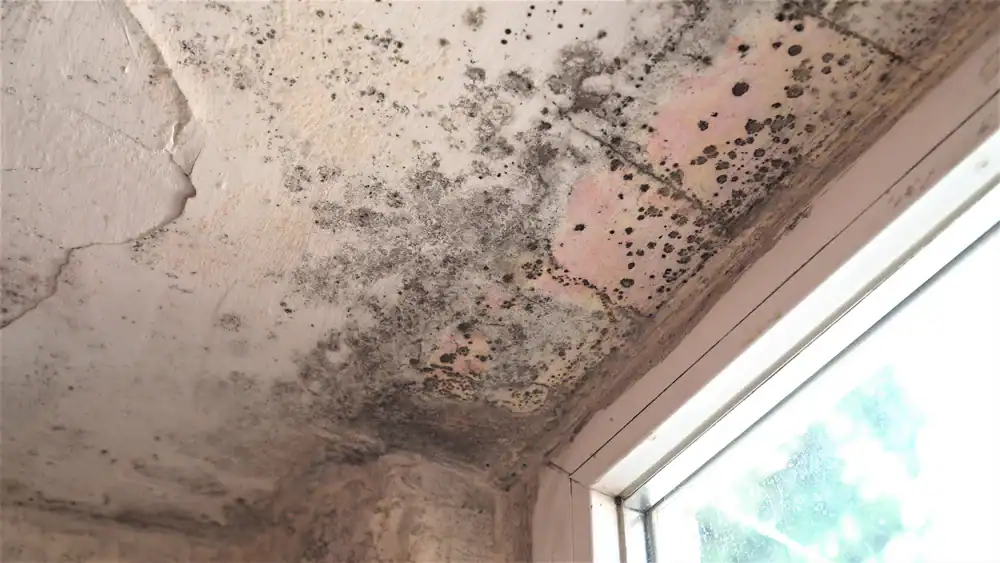
You stop wondering what’s growing behind your walls or under your floors. The musty smell disappears. Your HVAC system stops circulating spores through every room.
Most mold problems in Kirkman Crossroad start where you can’t see them—crawl spaces with moisture buildup, ductwork that’s never been cleaned, or small leaks that turned into bigger issues. By the time you notice it, mold has usually been spreading for weeks or months.
Professional mold removal means finding every affected area, treating it correctly, and fixing the moisture problem that caused it. You’re not just cleaning visible mold off a wall. You’re eliminating the source, protecting wood structures from rot, and making sure it doesn’t come back next season. That’s what actually solves the problem.
We’ve been handling mold remediation services in the Greensboro area for over 30 years. We’ve seen every type of mold situation North Carolina homes deal with—from crawl space flooding to HVAC contamination to hidden growth in wall cavities.
Kirkman Crossroad’s climate creates perfect conditions for mold. Humid summers, temperature swings, and older homes with crawl spaces mean moisture problems are common. We know where to look and what actually works in this area.
Our team uses industry-grade equipment and proper containment methods. We’re not a carpet cleaning company that does mold on the side. This is what we do.
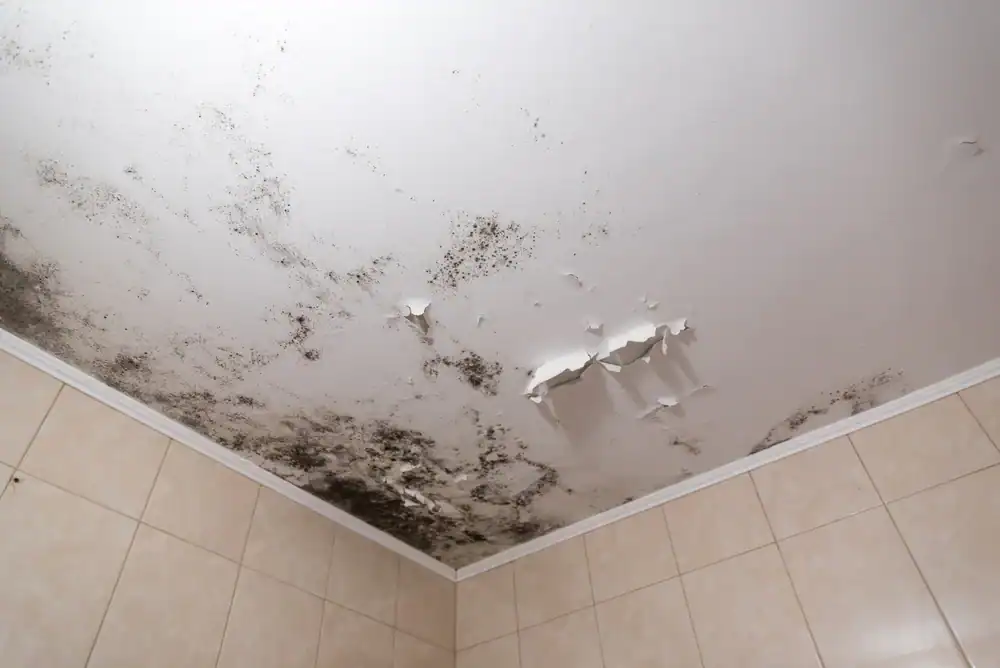
First, we inspect your property to find all affected areas—not just the spots you can see. Mold often hides in crawl spaces, inside ductwork, or behind walls where moisture has been sitting. We test to identify the type and extent of growth.
Next, we contain the work area to prevent spores from spreading during removal. We use HEPA filtration and negative air pressure to keep contamination isolated. Then we remove all affected materials that can’t be salvaged and treat surfaces with professional-grade antimicrobial solutions.
The last step is fixing what caused the mold in the first place. That usually means addressing moisture sources—sealing crawl spaces, repairing leaks, improving ventilation, or cleaning contaminated ductwork. Without this step, you’re just waiting for mold to come back.
After treatment, we verify the work with post-remediation testing. You get documentation showing the mold is gone and the air quality is back to safe levels.
Ready to get started?
You get a full property assessment that identifies all mold growth, not just surface-level problems. We check crawl spaces, attics, HVAC systems, and anywhere moisture accumulates. In Kirkman Crossroad, crawl space mold is especially common because of ground moisture and poor ventilation in older homes.
Our mold abatement services include containment setup, removal of contaminated materials, HEPA air filtration during the work, antimicrobial treatment of all affected surfaces, and proper disposal of moldy materials. We also handle the source—whether that’s crawl space encapsulation, duct cleaning, or moisture control solutions.
You’re not paying for a quick spray-and-pray treatment. You’re getting certified mold remediators who follow proper protocols, use the right equipment, and fix the underlying problem. We also provide documentation for insurance claims and real estate transactions if needed.
North Carolina’s humidity means mold doesn’t just go away on its own. It requires professional treatment and prevention measures designed for this climate.
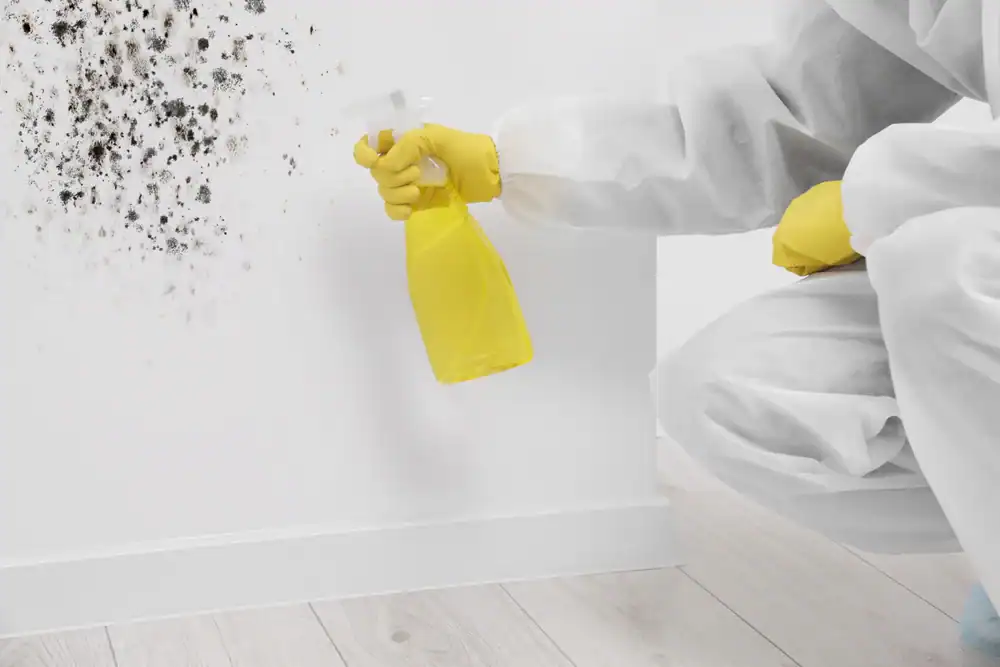
If you can see mold growth larger than a few square feet, smell persistent musty odors, or have had water damage that wasn’t dried within 48 hours, you need professional help. Small surface mold on a bathroom tile might be something you can handle yourself. But if mold is in your crawl space, inside walls, or throughout your HVAC system, DIY methods won’t cut it.
Health symptoms are another sign. If people in your home are experiencing unexplained respiratory issues, allergies, or headaches that improve when they leave the house, mold could be the cause. Black mold and other toxic varieties release spores that affect indoor air quality.
In Kirkman Crossroad, the bigger issue is usually hidden mold. You might not see it, but it’s growing in your crawl space or ductwork and spreading through your home every time your HVAC runs. A professional inspection finds these hidden problems before they cause serious structural damage or health issues.
Mold removal means getting rid of visible mold growth. Mold remediation means removing the mold and fixing the conditions that allowed it to grow in the first place. One is a temporary fix. The other actually solves the problem.
You can scrub mold off a surface, but if you don’t address the moisture source, it’ll grow back within weeks. Remediation includes identifying why mold grew there—whether it’s a crawl space moisture issue, a roof leak, poor ventilation, or condensation in your ductwork—and correcting that problem.
Professional mold remediation also involves containment to prevent spores from spreading during removal, proper disposal of contaminated materials, air filtration, and post-treatment testing to verify the work was successful. It’s a complete process, not just surface cleaning. That’s why certified mold remediators follow specific protocols that DIY approaches and general contractors don’t.
Most residential mold remediation projects take between three to seven days, depending on the extent of contamination and what needs to be fixed. A single room with contained mold might only take a couple of days. A whole crawl space with structural damage and HVAC contamination could take a week or more.
The timeline includes inspection and testing, containment setup, actual removal and treatment, source correction like crawl space sealing or duct cleaning, and final verification testing. We can’t rush proper mold abatement—cutting corners means the problem comes back.
In Kirkman Crossroad, crawl space jobs often take longer because we’re not just removing mold. We’re also installing vapor barriers, improving ventilation, and sometimes repairing wood damage from rot. But you’re getting a permanent solution, not a quick patch that fails in six months. We’ll give you a realistic timeline after the initial inspection so you know exactly what to expect.
It depends on what caused the mold. If mold resulted from a sudden, covered event like a burst pipe or storm damage, most policies will cover remediation. If mold developed slowly from neglect, poor maintenance, or long-term moisture problems, insurance typically won’t pay.
The key is documenting everything. Take photos of the damage, keep records of when you discovered it, and report it to your insurance company quickly. Many policies have strict timelines for filing claims. We can provide detailed reports and documentation that insurance companies require for claims processing.
Some policies have specific mold coverage limits—often around $10,000—so review your policy or talk to your agent. Even if insurance doesn’t cover the full cost, addressing mold quickly prevents much more expensive structural repairs down the road. Ignoring mold to avoid the cost now usually means paying far more later when floor joists need replacing or your HVAC system is completely contaminated.
It depends on the size and location of the mold problem. For small, contained areas like a bathroom or single room, you can usually stay in your home while we work. We seal off the work area with plastic barriers and use negative air pressure to prevent spores from spreading to other rooms.
For larger jobs—especially crawl space mold remediation or whole-house contamination—it’s often better to stay elsewhere for a few days. Not because the work itself is dangerous to be around, but because we need access to your HVAC system, and containment measures work better when the house isn’t occupied.
If anyone in your home has respiratory issues, allergies, or a compromised immune system, we typically recommend staying somewhere else regardless of project size. Mold remediation temporarily increases airborne spore counts even with proper containment. We’ll be straight with you about whether staying makes sense for your specific situation. Most of our Kirkman Crossroad clients with crawl space jobs stay in their homes without issues.
Mold needs moisture to grow. Remove the moisture source, and mold can’t come back. That’s why our mold mitigation process always includes fixing the underlying problem—not just cleaning up what’s already there.
In Kirkman Crossroad, that usually means crawl space encapsulation with vapor barriers to block ground moisture, improving ventilation in attics and crawl spaces, sealing air leaks that cause condensation, and cleaning HVAC ductwork so spores don’t recirculate. Sometimes it involves fixing grading issues around your foundation or repairing roof leaks.
We also treat affected areas with antimicrobial solutions that inhibit future growth. But the real prevention is moisture control. Keep humidity below 60%, fix leaks immediately, ensure proper drainage around your home, and maintain your HVAC system. We’ll give you specific recommendations based on what we find during inspection. Most mold problems are completely preventable once you understand what caused them.