
Contact Info
- Greensboro, NC 27406
- Call: 336-707-0498
- Text: 336-707-0498
-
Mon - Fri: 8am - 4pm
Sat - Sun: Closed
Contact Info
You stop waking up with itchy eyes and a scratchy throat. The musty smell in your basement or crawl space disappears. Your home feels healthier because the air actually is healthier.
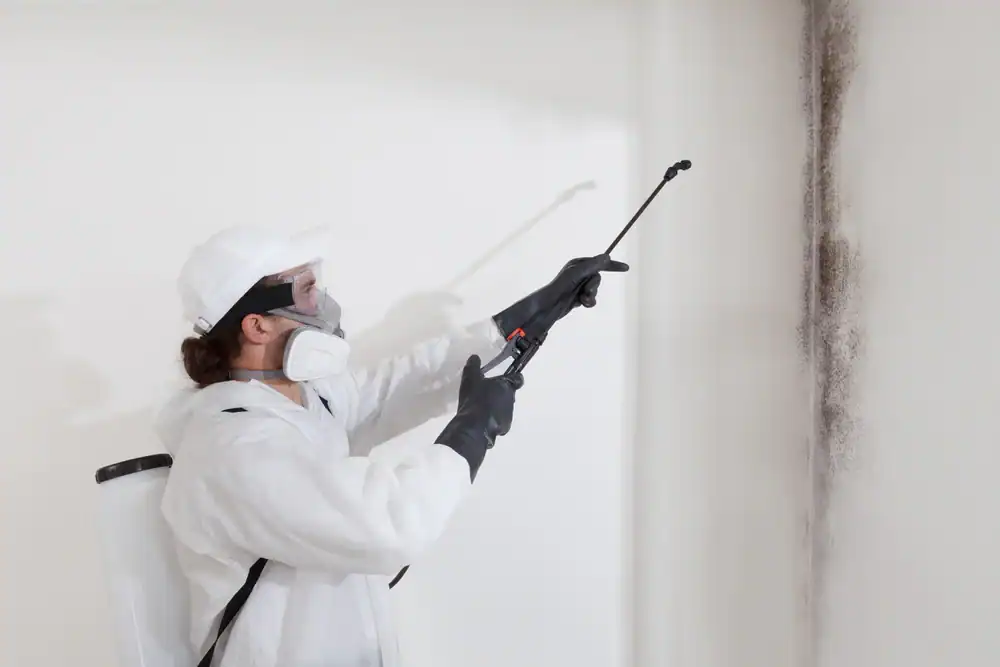
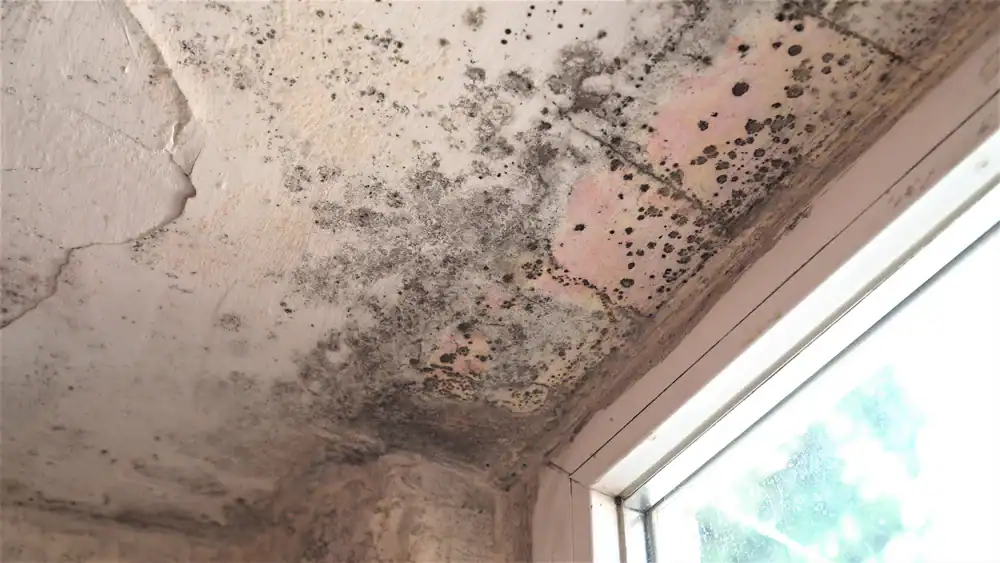
Mold doesn’t just sit on surfaces. It sends spores into the air you breathe, and in North Carolina’s humidity, it spreads fast. Professional mold removal means containment, deep drying, HEPA filtration, and antimicrobial treatment that gets to the root cause.
You’re not just cleaning what you can see. You’re eliminating what’s hidden in walls, under floors, and inside ductwork. That’s what stops it from coming back in three months when the next rainstorm hits.
We’ve been handling crawl space moisture, HVAC contamination, and mold issues in the Greensboro area for over 30 years. We’re IICRC-certified, which means our team is trained to handle mold removal and water damage the right way.
Lewisville’s climate creates perfect conditions for mold growth. Humidity stays above 70% most of the year, and crawl spaces stay damp. We’ve seen it all, from minor bathroom mold to full crawl space remediation after flooding.
We use thermal imaging to find moisture you can’t see, industrial dehumidifiers to dry it out, and EPA-approved treatments that are safe for your family and pets. You get honest communication, fair pricing, and a crew that shows up when we say we will.
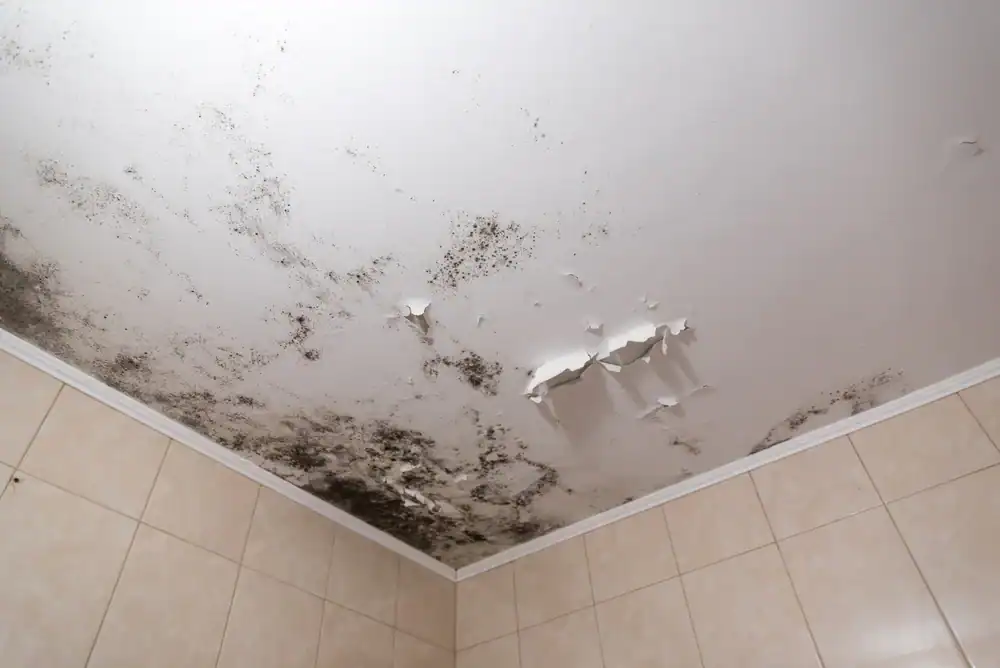
First, we inspect your property with moisture meters and thermal imaging to find every affected area. Mold loves crawl spaces, attics, and anywhere water has leaked or condensation builds up. We map out the full scope before we start.
Next, we contain the area to prevent cross-contamination. That means sealing off the space, using negative air pressure, and protecting the rest of your home. Then we remove contaminated materials safely and treat all affected surfaces with antimicrobial solutions.
The drying process is critical. We don’t just wipe surfaces down. We use industrial dehumidifiers and air movers to pull moisture out of walls, floors, and structural materials. This takes days, not hours, because if moisture stays trapped, mold comes back.
Finally, we verify with moisture readings and air quality checks. Once levels are normal, we restore or replace damaged materials. You get documentation of the work and clear next steps to keep your home dry.
Ready to get started?
You get a full inspection with moisture mapping and mold testing. We identify the source of the moisture, whether it’s a leaky pipe, poor ventilation, or groundwater seeping into your crawl space. In Lewisville, crawl space humidity is one of the biggest culprits.
We handle containment, removal, and deep cleaning with HEPA filtration to capture airborne spores. All contaminated materials are bagged and disposed of according to EPA guidelines. Surfaces get treated with antimicrobial sprays that prevent regrowth.
The drying phase includes industrial-grade equipment running for several days to bring moisture levels below 55%, which is the threshold where mold can’t thrive. We also address ventilation issues and recommend encapsulation or dehumidifier installation if your crawl space needs long-term protection.
North Carolina’s climate means you’re fighting humidity year-round. Our service doesn’t just remove mold. It creates conditions where mold can’t survive. That’s the difference between a temporary fix and actual remediation.
Mold can start growing within 24 to 48 hours after water exposure, and it spreads rapidly in North Carolina’s humid climate. If you’ve had a leak, flood, or even just high humidity in your crawl space, mold spores are already present and waiting for moisture to activate.
Within 72 hours, you’ll often see visible growth on drywall, wood, or insulation. But the bigger problem is what you don’t see. Mold grows inside walls, under flooring, and in HVAC ducts where it circulates through your home.
The faster you dry out the affected area, the better your chances of preventing a full-blown infestation. That’s why emergency mold removal matters. Waiting a week to “see if it gets worse” usually means you’re looking at a much bigger remediation job and higher costs.
Mold removal sounds like you’re getting rid of every single spore, but that’s not realistic. Mold spores are everywhere, indoors and out. They’re part of the environment. The goal isn’t to sterilize your home. It’s to bring mold levels back to normal and remove the conditions that let it grow.
Mold remediation is the professional term for that process. It means identifying the moisture source, containing the affected area, removing contaminated materials, treating surfaces, and drying everything thoroughly. You’re not just cleaning visible mold. You’re eliminating the root cause.
A lot of DIY mold removal fails because people scrub the surface but don’t address the moisture problem. The mold comes back in a few months. Professional remediation includes moisture control, which is the only way to prevent regrowth in a humid climate like ours.
Black mold, or Stachybotrys chartarum, gets a lot of attention because it can produce mycotoxins that cause respiratory issues, headaches, and fatigue. But here’s the reality: all mold can cause health problems, especially if you’re exposed to it over time.
The bigger issue is the amount of mold and how long you’re breathing it in. Whether it’s black mold, green mold, or white mold, prolonged exposure can trigger allergic reactions, asthma attacks, and chronic sinus infections. In fact, 93% of chronic sinus infections have been linked to mold.
If you see mold growing in your home, don’t spend time trying to identify the species. Treat it seriously and get it removed. The health risks aren’t worth waiting to find out if it’s the “dangerous kind.” Any mold growing indoors is a sign of a moisture problem that needs fixing.
Most mold remediation jobs in North Carolina run between $1,500 and $9,000, with the average around $3,500. Small areas like a bathroom or closet might cost $500 to $1,000. Extensive crawl space or attic remediation can reach $30,000 if there’s structural damage.
The cost depends on the size of the affected area, how much material needs to be removed, and whether you need additional services like crawl space encapsulation or HVAC cleaning. If mold has spread through your ductwork, that adds to the scope.
Most homeowners insurance policies cover mold remediation if it’s caused by a sudden event like a burst pipe. They typically won’t cover it if it’s from long-term neglect or humidity issues. We can work with your insurance adjuster to document the damage and help with the claims process.
Bleach kills mold on non-porous surfaces like tile or glass, but it doesn’t penetrate porous materials like drywall, wood, or insulation. Mold has roots that grow deep into these materials, and bleach only kills what’s on the surface. The mold comes back because the roots are still alive.
Bleach also doesn’t address the moisture problem. If you spray bleach on moldy drywall but don’t fix the leak or dry out the wall cavity, you’re just buying time. The mold will regrow as soon as conditions are right again.
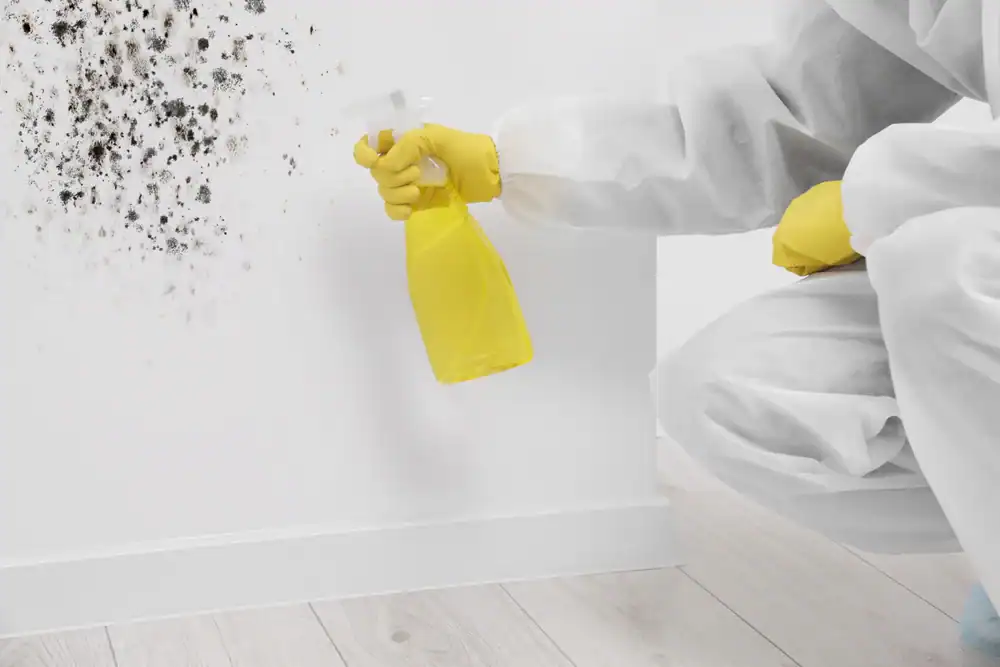
DIY cleaning also puts you at risk if you don’t have proper containment. Disturbing mold releases spores into the air, which spread to other areas of your home and get into your lungs. Professional remediation includes containment barriers, negative air pressure, and HEPA filtration to prevent cross-contamination. That’s not something you can replicate with a spray bottle.
Control moisture. That’s the entire answer. Mold needs moisture to grow, so if you keep humidity below 55% and fix leaks immediately, mold won’t come back.
In Lewisville, that usually means addressing your crawl space. Most homes here have vented crawl spaces that pull in humid outdoor air all summer. Installing a vapor barrier, sealing vents, and adding a dehumidifier keeps moisture levels stable year-round. We recommend encapsulation for long-term protection.
You also need to check your HVAC system. If your ducts are in the crawl space or attic, they’re pulling in contaminated air and circulating it through your home. Regular duct cleaning and proper insulation make a big difference. Fix any plumbing leaks, improve ventilation in bathrooms, and keep gutters clean so water drains away from your foundation. Mold prevention is about creating an environment where it can’t survive.