
Contact Info
- Greensboro, NC 27406
- Call: 336-707-0498
- Text: 336-707-0498
-
Mon - Fri: 8am - 4pm
Sat - Sun: Closed
Contact Info
Your family stops waking up with unexplained allergies, coughing, or that musty smell you can’t quite place. The air in your home feels cleaner because it actually is cleaner.
Professional mold remediation services mean the problem gets fixed at the source, not just covered up with paint or bleach. You’re not wondering if it’s growing back behind the drywall or spreading through your air ducts every time the AC kicks on.
When black mold removal is done correctly, you get documentation that proves your home is safe. That matters if you’re selling, filing an insurance claim, or just trying to sleep at night knowing your kids aren’t breathing in spores. The difference between DIY attempts and certified mold remediators is the difference between hoping it’s gone and knowing it’s gone.
We understand what North Carolina’s 70%+ humidity does to homes in Miles Crossroad, NC. We’ve seen what happens when moisture gets trapped in crawl spaces during our heavy rain seasons, and we know exactly where mold hides in HVAC systems that run constantly through our long summers.
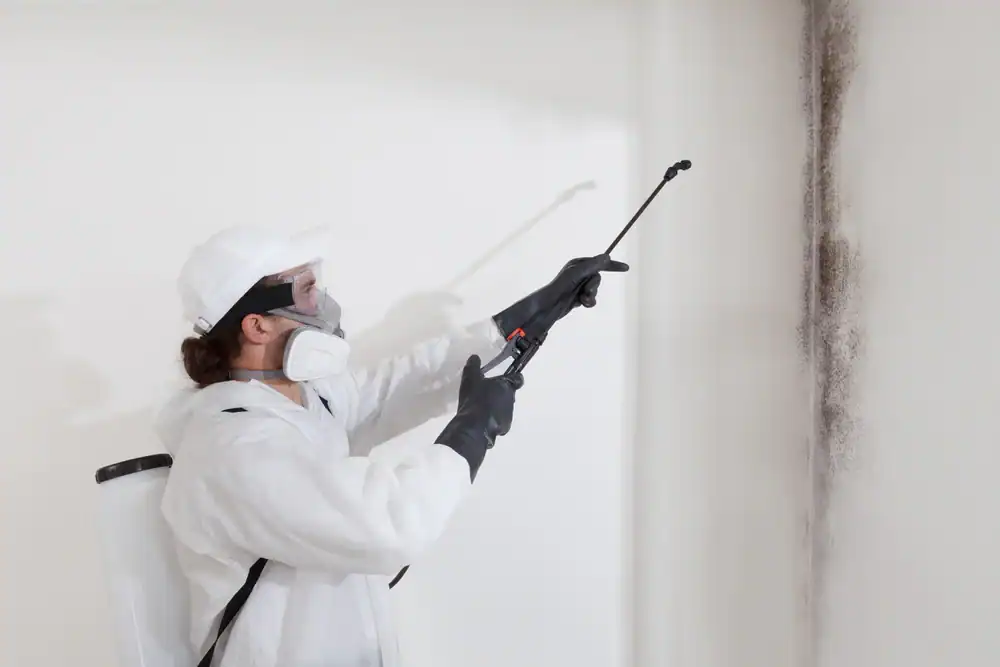
Our team follows IICRC S520 protocols and uses EPA-registered treatments because shortcuts in mold abatement services create bigger problems down the road. We’re not a general contractor trying to add mold removal to a list of services. This is what we do.
When you call, you’re talking to people who’ve dealt with every type of mold situation in this area. From flooded basements after storm damage to slow leaks that went unnoticed for months, we’ve handled it and we know how to fix it permanently.
First, we inspect your property with thermal imaging and moisture meters to find every area where mold is growing, not just the spots you can see. Hidden mold in wall cavities, under flooring, or in ductwork gets missed without the right equipment.
Next, we contain the affected area so spores don’t spread to clean parts of your home during removal. Air scrubbers with HEPA filtration run continuously to capture airborne particles. Then we remove contaminated materials that can’t be salvaged and treat surfaces with antimicrobial solutions that actually kill mold at the root.
After removal, we address the moisture source. Whether that’s fixing a leak, improving ventilation, or encapsulating your crawl space, mold comes back if the environment that caused it doesn’t change. Finally, we verify the work with air quality testing and provide documentation showing your home meets safety standards.
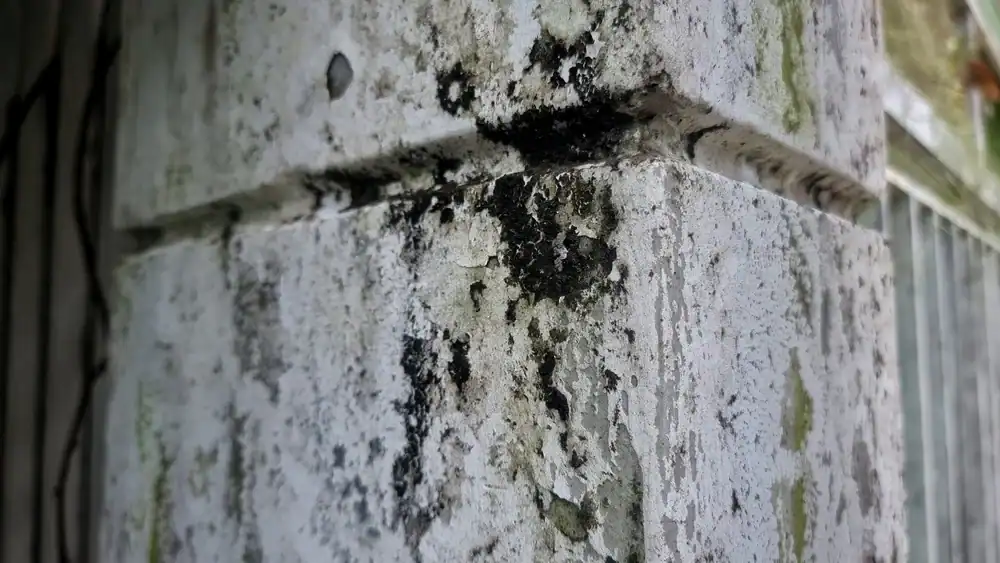
Ready to get started?
You get a thorough inspection that identifies all mold growth and the moisture problems causing it. In Miles Crossroad, NC’s climate, that often means checking crawl spaces where North Carolina’s seasonal storms create standing water, and HVAC systems where condensation builds up during humid months.
The removal process includes containment barriers, negative air pressure systems, removal of affected materials, antimicrobial treatment, and HEPA air filtration. If your ductwork is contaminated, we clean the entire system so you’re not circulating spores every time your heat or AC runs.
We also handle the prevention side. Crawl space encapsulation, dehumidifier installation, and moisture barrier systems stop mold from coming back. You’ll get a detailed report with photos, air quality test results, and recommendations for keeping your home mold-free long-term. That documentation helps with insurance claims and gives you proof the job was done right if you ever sell your property.
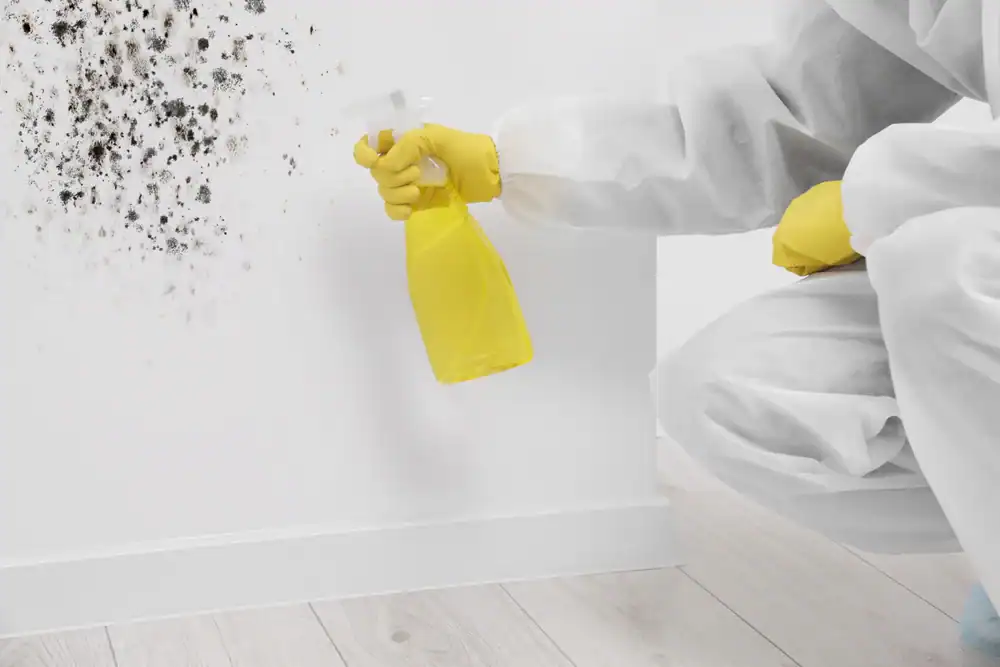
Mold can start growing within 24 to 48 hours after water exposure, especially in North Carolina’s humid climate where conditions are already ideal for spore development. If you’ve had a leak, flood, or even significant condensation buildup, the clock starts immediately.
The faster you dry out affected areas, the better your chances of preventing growth. But once mold establishes itself, it spreads rapidly through porous materials like drywall, insulation, and wood. Within 72 hours, a small problem can become a major remediation project.
That’s why professional mold cleanup matters most in the first few days after water damage. Waiting to see if it dries on its own or trying to handle it yourself usually means you’re dealing with a much bigger issue a week later. If you’ve had any water intrusion, get it inspected quickly.
Bleach kills surface mold on non-porous materials like tile or glass, but it doesn’t penetrate porous surfaces like drywall, wood, or insulation where mold roots grow deep. You might remove the visible black spots, but the mold colony underneath keeps growing and comes back within weeks.
More importantly, disturbing mold without proper containment releases thousands of spores into your air. Without negative air pressure systems and HEPA filtration, you’re spreading contamination to other rooms. DIY removal also means you’re breathing in high concentrations of spores during the process, which can cause serious respiratory problems.
We use EPA-registered antimicrobials designed for porous materials, contain the work area to prevent cross-contamination, and verify with air testing that the job is complete. For small surface mold on bathroom tile, sure, clean it yourself. For anything inside walls, under floors, or larger than a few square feet, professional mold remediation services are the only safe option.
Mold exposure causes respiratory symptoms in most people, even if you don’t have existing allergies or asthma. You might notice persistent coughing, sneezing, throat irritation, or congestion that doesn’t go away. About 21% of current asthma cases are directly linked to mold and dampness in homes.
For people with mold allergies or compromised immune systems, the effects are more severe. Hypersensitivity pneumonitis, chronic sinus infections, and worsening asthma symptoms are common. Black mold specifically produces mycotoxins that can cause neurological symptoms, chronic fatigue, and serious respiratory infections with prolonged exposure.
The tricky part is that mold symptoms look like a lot of other things—seasonal allergies, a cold that won’t quit, or just feeling run down. If multiple family members have unexplained respiratory issues that improve when you leave the house, mold is likely the culprit. Kids and elderly family members are especially vulnerable, so it’s worth taking seriously even if you’re not feeling major symptoms yourself.
Most mold remediation projects in this area run between $3.50 and $7.50 per square foot, depending on the extent of contamination and where the mold is located. A typical crawl space or small bathroom job might cost $1,500 to $3,000, while whole-house remediation after significant water damage can run $10,000 or more.
The price depends on how much material needs to be removed, whether your HVAC system is contaminated, and what caused the moisture problem in the first place. If we’re also encapsulating your crawl space or installing dehumidification systems to prevent recurrence, that adds to the cost but saves you from paying for mold removal again in two years.
Insurance often covers mold remediation if it resulted from a covered event like a burst pipe or storm damage. We provide detailed documentation and work with insurance companies regularly, which helps minimize your out-of-pocket costs. Getting multiple quotes is fine, but the cheapest bid usually means corners get cut—incomplete removal, no air testing, or failure to fix the underlying moisture issue that caused the mold.
Mold removal focuses on eliminating visible mold growth, while mold remediation addresses the entire problem including the moisture source and prevention of future growth. True remediation means you’re not just treating symptoms, you’re fixing the cause.
Removal alone might involve scrubbing surfaces, applying antimicrobials, and replacing contaminated drywall. That’s necessary, but if the humidity issue in your crawl space or the leak in your roof doesn’t get fixed, you’ll have mold again within months. Remediation includes moisture control solutions, ventilation improvements, and sometimes structural repairs to ensure mold doesn’t return.
We do both—we remove existing contamination and modify conditions so your home doesn’t support future growth. That’s why our process includes moisture mapping, identifying all water sources, and implementing prevention measures like vapor barriers or dehumidifiers. You want remediation, not just removal, if you’re serious about solving the problem permanently.
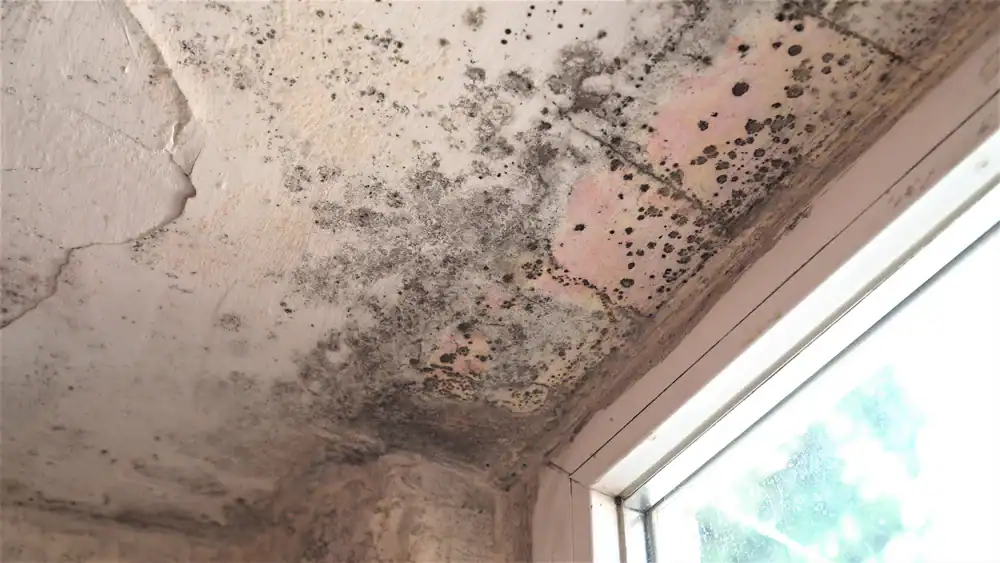
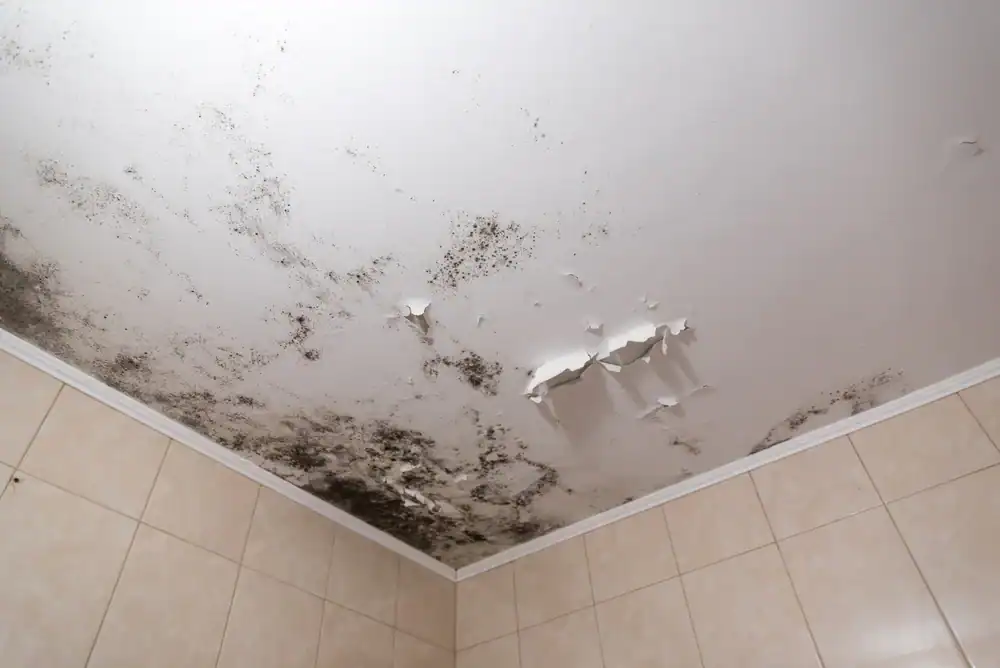
Musty odors are usually the first sign of hidden mold, especially smells that get stronger in certain rooms or when your HVAC runs. If you notice persistent dampness, water stains, or discoloration on walls and ceilings, there’s likely mold growth behind the surface.
Other indicators include warped or soft flooring, peeling paint or wallpaper, and visible condensation on windows or pipes. In Miles Crossroad, NC’s humid climate, crawl spaces are prime locations for hidden mold because moisture accumulates there first. If you’ve had any water damage, roof leaks, or plumbing issues in the past year, there’s a good chance mold is growing somewhere you can’t see.
Our inspections use thermal imaging cameras to detect temperature differences that indicate moisture behind walls, and moisture meters that measure water content in building materials. Air quality testing can identify elevated mold spore counts even when you can’t see the source. If you suspect hidden mold, don’t wait until it spreads enough to become visible—get it inspected now while it’s still a manageable problem.