

Contact Info
- Greensboro, NC 27406
- Call: 336-707-0498
- Text: 336-707-0498
-
Mon - Fri: 8am - 4pm
Sat - Sun: Closed
Contact Info
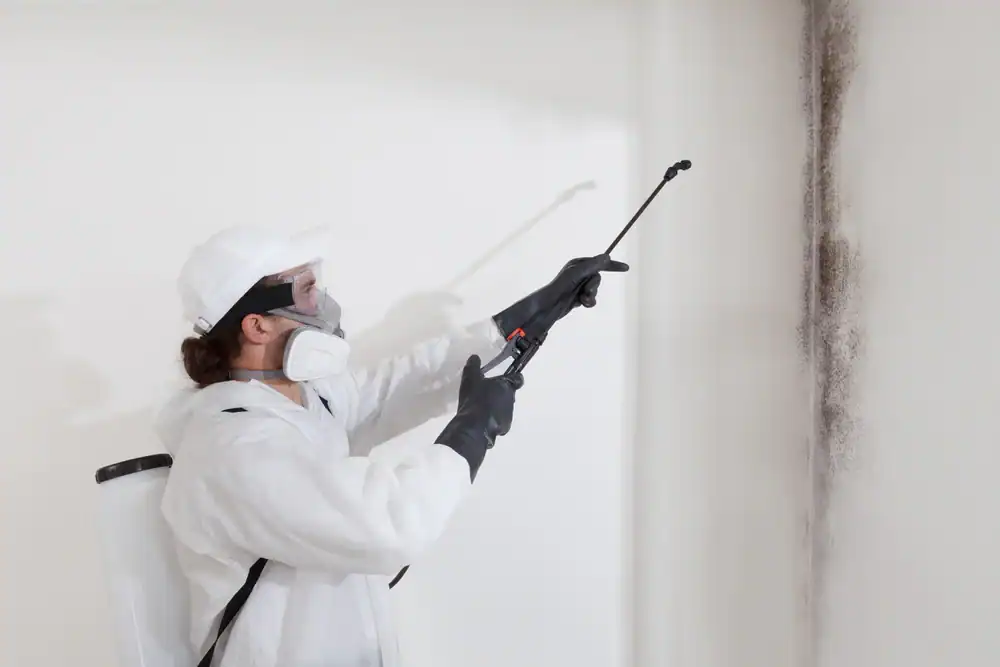
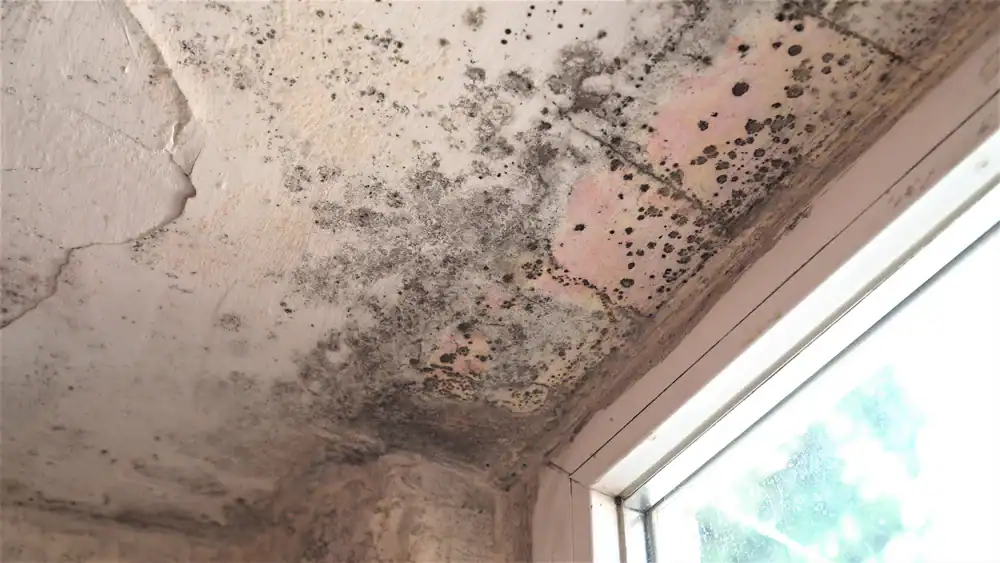
Mold doesn’t just look bad. It affects how your family breathes, how your home feels, and whether buyers will even consider your property down the road.
North Carolina’s humidity creates the perfect environment for mold to grow behind walls, under floors, and in crawl spaces where most homeowners never look. Once it takes hold, it spreads fast. Wood rots, air quality drops, and health problems start showing up in the people you care about most.
Professional mold removal means more than scrubbing visible spots. It means finding the moisture source, treating contaminated areas with IICRC-approved methods, and sealing spaces like crawl spaces so mold doesn’t come back. The result is cleaner air, a safer structure, and a home that holds its value instead of losing it to hidden damage.
We’ve been serving Monticello and surrounding areas with mold remediation, HVAC cleaning, and crawl space encapsulation for years. Our owner, Ben Perrou, became one of North Carolina’s first certified mold remediators when the state started certification in 2000.
That experience matters in a state where humidity averages over 70% and seasonal storms create moisture problems that most homeowners don’t catch until it’s too late. We’ve seen what happens when mold goes untreated in this climate, and we know how to stop it for good.
Every job starts with a thorough inspection. We don’t guess. We find the source, explain what’s happening, and walk through a plan that makes sense for your home and your budget.
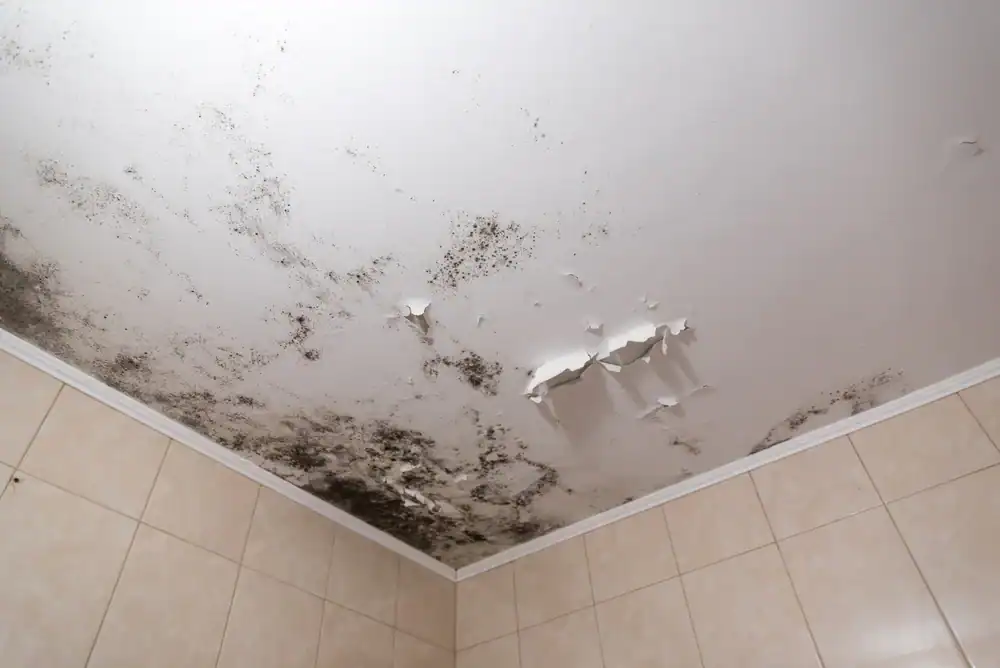
First, we inspect your home to locate visible mold and identify hidden growth in crawl spaces, attics, or behind walls. Most serious mold problems aren’t obvious from the living areas, so this step matters.
Next, we contain the affected area to prevent spores from spreading during removal. We follow IICRC standards and the only ANSI-approved mold remediation protocol, which means proper containment, air filtration, and safe removal of contaminated materials.
Then we treat surfaces, remove damaged materials if necessary, and address the moisture source. That might mean fixing a leak, improving drainage, or encapsulating a crawl space. Mold comes back if the moisture stays, so we don’t skip this part.
Finally, we verify the work with post-remediation testing when needed and provide documentation for insurance claims. The space gets cleaned, sealed, and returned to you in better condition than before the mold showed up.
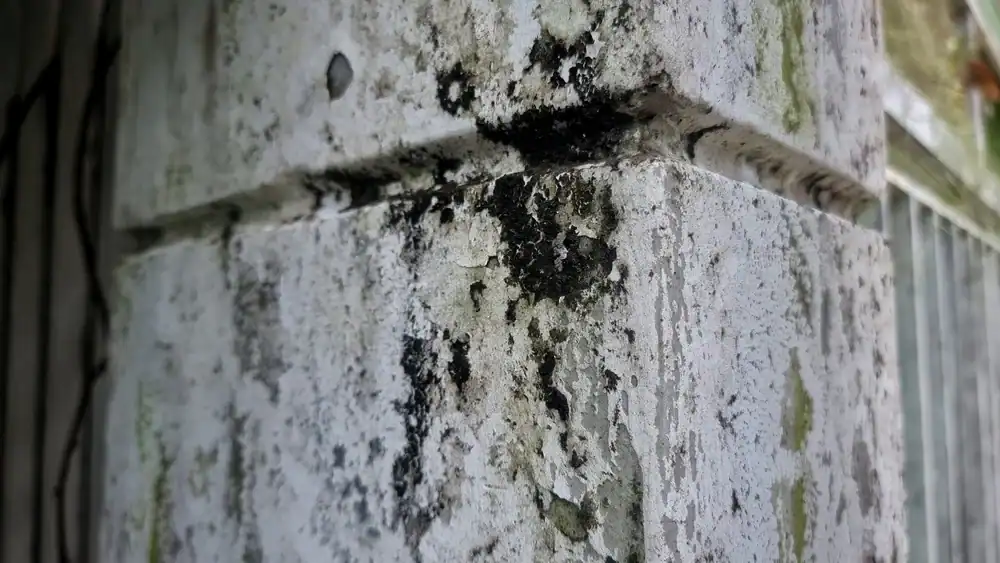
Ready to get started?
Mold removal in Monticello means dealing with the reality of North Carolina’s climate. Heavier rains, longer stretches of heat and humidity, and crawl spaces that trap moisture create conditions where mold doesn’t just grow—it thrives.
Our service includes full inspection of problem areas, containment and removal using EPA-compliant methods, treatment of affected surfaces, and moisture control solutions like crawl space encapsulation. We also clean HVAC systems that may be circulating mold spores throughout your home.
Black mold gets special attention because of the health risks. We treat it with the same certified protocols, but we’re more aggressive about containment and air filtration. Costs typically range from $1,500 to $9,000 depending on the extent of contamination, but we provide free estimates so there’s no guessing.
Local data shows a 35% increase in mold-related issues across Western North Carolina in recent years. That’s not surprising given the climate shifts. What matters is catching it early and handling it right the first time.
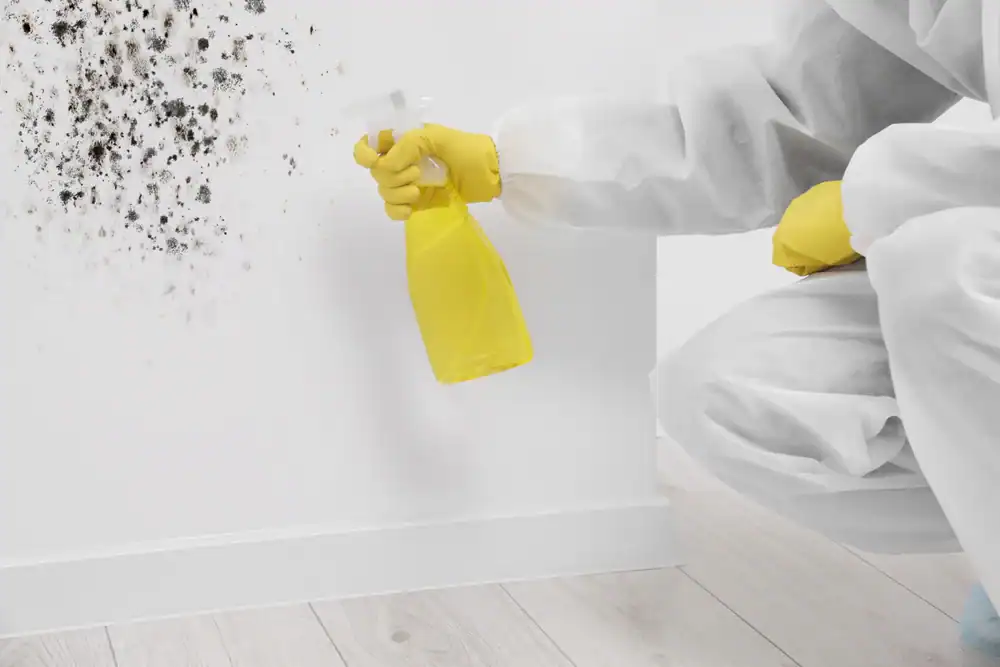
Visible mold is obvious, but most serious problems hide behind walls, under floors, or in crawl spaces. Look for musty odors, water stains, peeling paint, or warped wood. Those are signs moisture has been sitting long enough for mold to grow.
Health symptoms matter too. If people in your home are experiencing unexplained respiratory issues, allergic reactions, or asthma flare-ups that improve when they leave the house, mold exposure could be the cause. Kids and infants are especially vulnerable because their lungs are still developing.
The only way to know for sure is a professional inspection. We check areas most homeowners never see and use moisture meters to find problems before they become expensive disasters. Most mold issues in North Carolina start in crawl spaces where humidity stays high year-round.
Mold removal sounds like you’re getting rid of every spore, but that’s not realistic. Mold spores exist everywhere. Remediation means bringing mold levels back to normal, safe levels and eliminating the conditions that let it grow out of control.
Professional mold cleanup involves containment, removal of contaminated materials, treatment of affected surfaces, and fixing the moisture problem. If you only clean visible mold without addressing why it grew there, it comes back. That’s why remediation focuses on the source, not just the symptom.
DIY approaches might work for small surface mold on non-porous materials, but anything larger than 10 square feet, anything involving black mold, or anything in your HVAC system or crawl space needs certified professionals. The health risks and potential for spreading contamination are too high to handle incorrectly.
Most residential mold remediation projects in North Carolina range from $1,500 to $9,000. The cost depends on the size of the affected area, the type of mold, and whether structural materials need replacement.
Small jobs in a bathroom or closet might cost $1,500 to $3,000. Larger projects involving crawl spaces, attics, or multiple rooms can run $5,000 to $9,000 or more. Black mold requires more intensive containment and safety protocols, which increases the price.
We provide free estimates with no obligation, and we document everything for insurance claims. Some homeowner policies cover mold remediation if it resulted from a covered event like a burst pipe. The key is addressing it quickly—waiting makes the problem bigger and more expensive. Mold that sits for 24 to 48 hours in the right conditions will spread.
Mold comes back if the moisture source isn’t fixed. That’s why legitimate mold remediation always includes moisture control. Cleaning mold without stopping the leak, improving ventilation, or sealing the crawl space is a waste of money.
In Monticello’s climate, crawl spaces are the biggest repeat offenders. Humidity levels above 70% and temperatures between 60 and 80 degrees create ideal conditions for regrowth. Encapsulation—sealing the crawl space with a vapor barrier and controlling humidity—prevents mold from returning.
We also address HVAC systems that might be distributing spores throughout your home. Regular maintenance, duct cleaning, and proper air circulation all reduce the chance of mold reappearing. When the job is done right and the moisture is controlled, mold doesn’t come back.
Mold is a health risk, especially for children, elderly family members, and anyone with respiratory conditions. One in 12 adults and one in 11 children in the US have asthma, and more than half of those cases involve respiratory allergies often triggered by mold exposure.
Kids breathe faster than adults and have less mature lungs, so they get heavier exposure to mold spores in contaminated spaces. Symptoms include coughing, wheezing, throat irritation, nasal congestion, and skin rashes. Long-term exposure can lead to more serious respiratory problems.
Beyond health, mold damages your home’s structure. It rots wood, weakens floors and framing, and destroys drywall. It also makes your home nearly impossible to sell. Buyers won’t touch a property with mold issues, and appraisers flag it immediately. Treating mold as cosmetic is a mistake that costs more the longer it’s ignored.
Small projects take one to three days. Larger jobs involving crawl spaces, attics, or extensive contamination can take a week or more. The timeline depends on the size of the affected area, the extent of the damage, and how long materials need to dry after treatment.
Containment and removal happen quickly, but addressing the moisture source and ensuring everything is properly dried takes time. Rushing this part leads to recurring problems. We’d rather take an extra day to do it right than leave early and have mold return in six months.
Most homeowners can stay in their homes during remediation as long as the affected area is properly contained. We use air scrubbers and negative pressure to keep spores from spreading to clean areas. If the contamination is severe or involves your HVAC system, we’ll recommend temporary relocation until the air quality is safe again.