

Contact Info
- Greensboro, NC 27406
- Call: 336-707-0498
- Text: 336-707-0498
-
Mon - Fri: 8am - 4pm
Sat - Sun: Closed
Contact Info
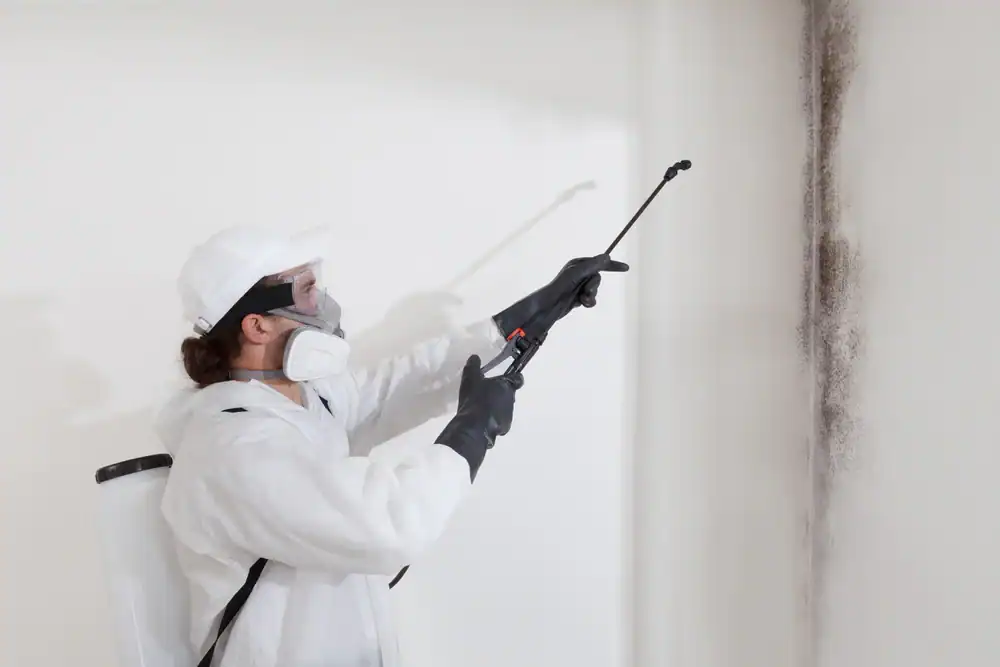
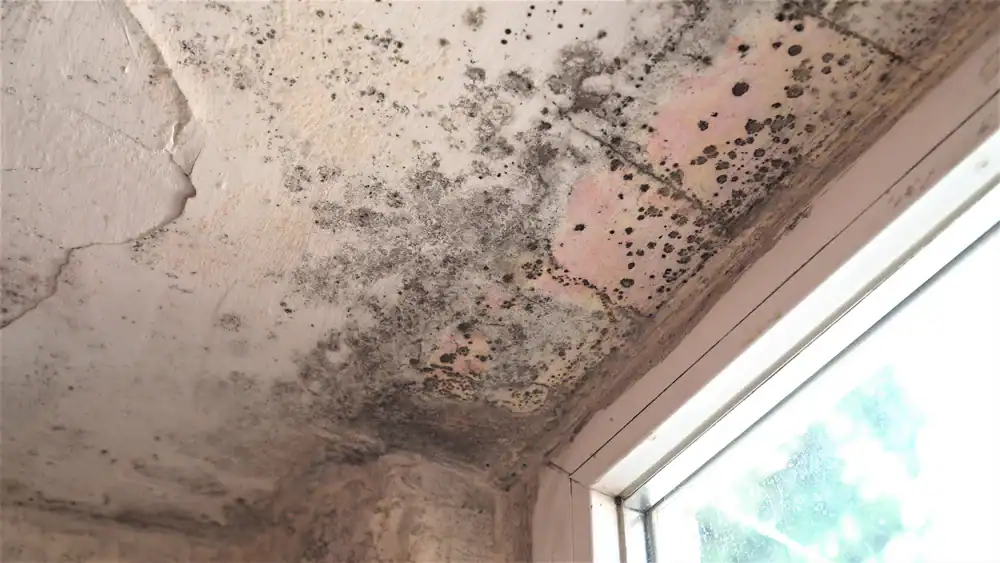
You stop breathing in spores every time you walk through your home. The musty smell disappears. Your family quits dealing with unexplained respiratory symptoms, and you’re not wondering if that dark spot behind the wall is getting worse.
Professional mold cleanup means finding every affected area, not just the visible patches. It means removing contaminated materials safely, treating surfaces properly, and fixing the moisture problem that caused it in the first place. Without that last part, you’re just buying time before it comes back.
Pleasant Garden’s humidity creates perfect conditions for mold growth, especially in crawl spaces and areas with poor ventilation. When remediation is done correctly, you get documentation for insurance, protection for your property value, and confirmation that the job meets safety standards. You’re not guessing whether it’s handled—you know it is.
We’ve spent over 30 years improving indoor air quality throughout the Greensboro area, including Pleasant Garden. We’ve seen what happens when mold gets ignored, when DIY attempts make things worse, and when homeowners finally call someone who knows how to fix it permanently.
We handle the full scope: inspection, containment, removal, treatment, and moisture control. Our team uses thermal imaging to find hidden mold, professional-grade equipment to remove it safely, and proven methods to keep it from coming back.
Pleasant Garden homes deal with high humidity year-round, and crawl spaces are especially vulnerable. We’ve worked in enough local properties to know where mold hides, what causes it here, and how to address both the growth and the underlying moisture issues that feed it.
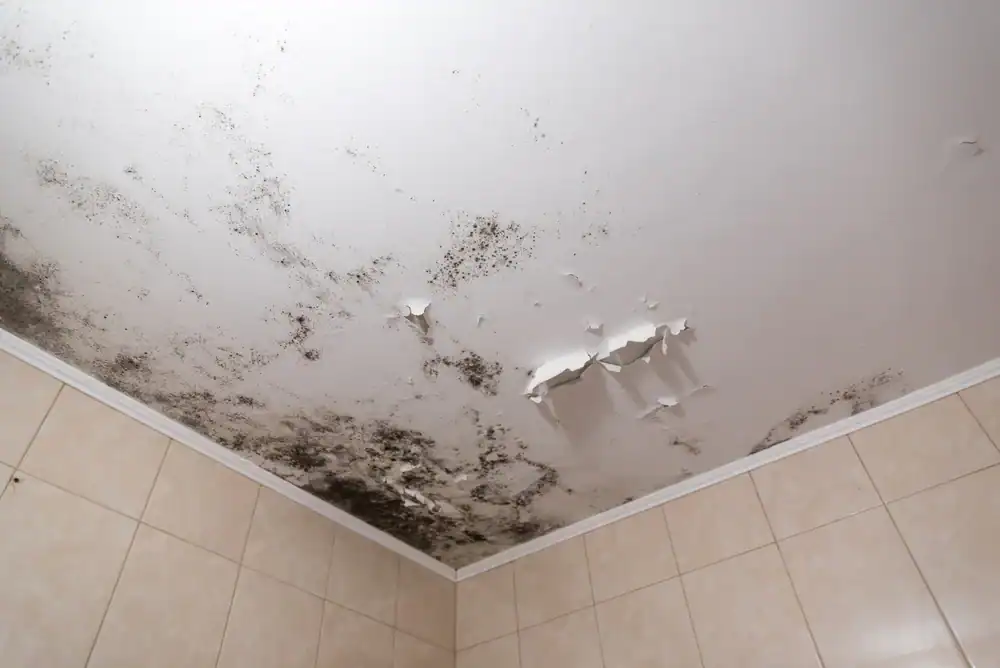
We start with a thorough inspection using moisture meters and thermal imaging to locate all affected areas, including spots you can’t see. Mold doesn’t always show up on surfaces—it grows behind walls, under flooring, and in crawl spaces where moisture accumulates.
Once we map out the problem, we contain the area to prevent spores from spreading during removal. Then we remove contaminated materials, treat affected surfaces with antimicrobial solutions, and use HEPA filtration to clean the air. This isn’t a spray-and-pray situation. We’re pulling out what’s damaged and treating what can be saved.
The last step is fixing what caused the mold. That usually means addressing moisture sources: sealing crawl spaces, improving ventilation, fixing leaks, or installing dehumidification systems. Without moisture control, mold will return. We make sure you understand what caused it and what’s been done to prevent it from happening again.
Ready to get started?
You get a complete assessment that identifies the type of mold, the extent of growth, and the moisture source feeding it. We document everything for insurance purposes and provide a clear scope of work before we start.
The removal process includes containment setup, safe removal of affected materials, HEPA air scrubbing, antimicrobial treatment, and proper disposal of contaminated debris. We also clean and treat your HVAC system if mold has spread through ductwork, which happens more often than most people realize in Pleasant Garden’s humid climate.
Crawl space mold is especially common here. Heavy rains and high humidity create damp conditions that turn crawl spaces into mold factories. We seal and encapsulate crawl spaces to cut off moisture at the source, which protects your home’s structure and improves overall air quality. You’re not just removing mold—you’re eliminating the environment where it thrives.
After remediation, you receive documentation showing the work completed, photos of before and after, and recommendations for ongoing moisture management. Most projects also come with a warranty, so if mold returns due to our work, we address it.
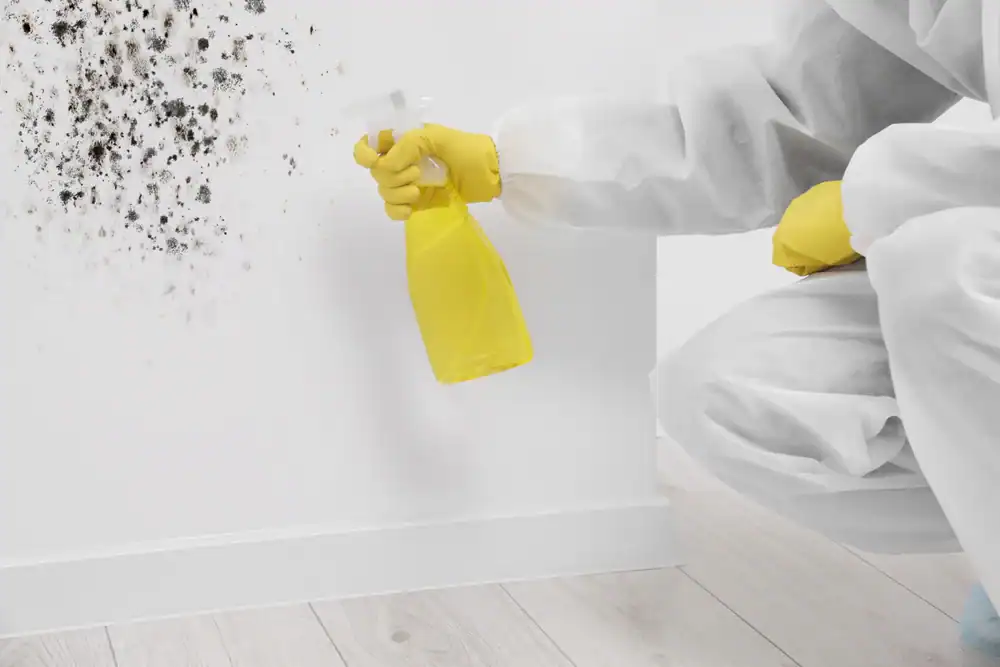
Most mold remediation projects in the Pleasant Garden area run between $1,500 and $6,000, depending on the size of the affected area and how far the mold has spread. Small jobs under 10 square feet might cost around $1,000, while larger projects involving multiple rooms or extensive crawl space work can reach $15,000 or more.
The price depends on several factors: square footage of mold growth, type of materials affected, accessibility of the area, and whether structural repairs are needed after removal. Mold behind walls or in crawl spaces costs more to remediate than surface mold on bathroom tile.
We provide free estimates that break down exactly what you’re paying for. You’ll know the scope of work, the timeline, and the cost before we start. Most homeowners insurance policies cover mold remediation if it resulted from a covered event like a burst pipe, so we also help with documentation for claims.
Small surface mold on non-porous materials like tile or glass can be cleaned with proper safety gear and the right products. But if you’re dealing with more than 10 square feet, mold on porous materials like drywall or wood, or mold in your HVAC system or crawl space, you need professional remediation.
DIY mold removal often makes the problem worse. Disturbing mold without proper containment spreads spores throughout your home. Using bleach on porous surfaces kills surface mold but doesn’t address root growth, so it comes back. And if you don’t fix the moisture source, you’re just cleaning up the same problem repeatedly.
Professional mold mitigation includes containment to prevent spread, proper removal techniques for different materials, HEPA filtration to capture airborne spores, and moisture control to prevent recurrence. We also have the equipment to find hidden mold you can’t see. Black mold exposure carries health risks, especially for people with asthma or allergies, so proper safety protocols matter.
Most residential mold removal projects take between one and five days, depending on the extent of contamination and the size of the affected area. A single bathroom with surface mold might be done in a day. A crawl space with extensive growth and moisture damage could take a week.
The timeline includes inspection, containment setup, removal, treatment, drying, and final clearance testing if needed. We can’t rush the drying process—materials need to reach proper moisture levels before reconstruction begins, or you’ll just create conditions for new mold growth.
We’ll give you a realistic timeline during the estimate. Most homeowners can stay in their homes during remediation as long as the affected area is properly contained. If mold has spread through your HVAC system or covers a large portion of your living space, temporary relocation might be necessary. We’re upfront about what to expect so you can plan accordingly.
Humidity and moisture. Pleasant Garden’s climate creates ideal conditions for mold, with relative humidity hitting 77% in May and staying high throughout summer. Mold needs moisture, warmth, and organic material to grow—and homes here provide all three.
The most common causes are crawl space moisture, roof leaks, plumbing leaks, poor ventilation in bathrooms and kitchens, and HVAC condensation issues. Crawl spaces are especially problematic because they’re damp, dark, and often poorly ventilated. Moisture from the ground evaporates up through your home, raising indoor humidity and creating perfect conditions for mold in walls, floors, and ductwork.
After heavy rains, which are increasingly common in this area, water can seep into basements and crawl spaces. If it’s not dried quickly, mold starts growing within 24 to 48 hours. Addressing the moisture source is just as important as removing the mold. Otherwise, you’re treating symptoms instead of fixing the problem.
Yes. Mold can drop your property value by 20% to 37%, and more than half of potential buyers will walk away from a home with known mold issues. Even if you disclose that mold was remediated, buyers often negotiate lower prices or request extensive documentation proving it was handled correctly.
Home inspectors look for mold during the buying process. If they find it, or even find conditions conducive to mold growth, it becomes a negotiating point. Buyers will either demand remediation before closing, ask for a price reduction to cover the cost, or move on to another property.
Professional remediation with proper documentation protects your investment. When mold is removed correctly and the moisture source is fixed, you can provide buyers with proof that the problem was addressed by certified professionals. That documentation matters during resale and helps maintain your property value.
Musty odors are the most common sign of hidden mold. If you smell it but can’t see it, mold is growing somewhere out of sight—behind walls, under flooring, in ductwork, or in your crawl space. Other signs include unexplained respiratory symptoms, increased allergy issues, water stains on walls or ceilings, and peeling or bubbling paint.
Visible mold in one area often means hidden growth elsewhere. Mold spreads through spores, and if conditions are right in multiple areas of your home, it’s likely growing in more than one spot. High indoor humidity, condensation on windows, or a damp feeling in certain rooms all point to moisture problems that support mold growth.
Professional inspection uses thermal imaging and moisture meters to detect hidden mold without tearing into walls. We can identify temperature differences and moisture levels that indicate mold growth behind surfaces. If you suspect hidden mold, get it checked. The longer it grows undetected, the more damage it causes and the more expensive remediation becomes.