
Contact Info
- Greensboro, NC 27406
- Call: 336-707-0498
- Text: 336-707-0498
-
Mon - Fri: 8am - 4pm
Sat - Sun: Closed
Contact Info
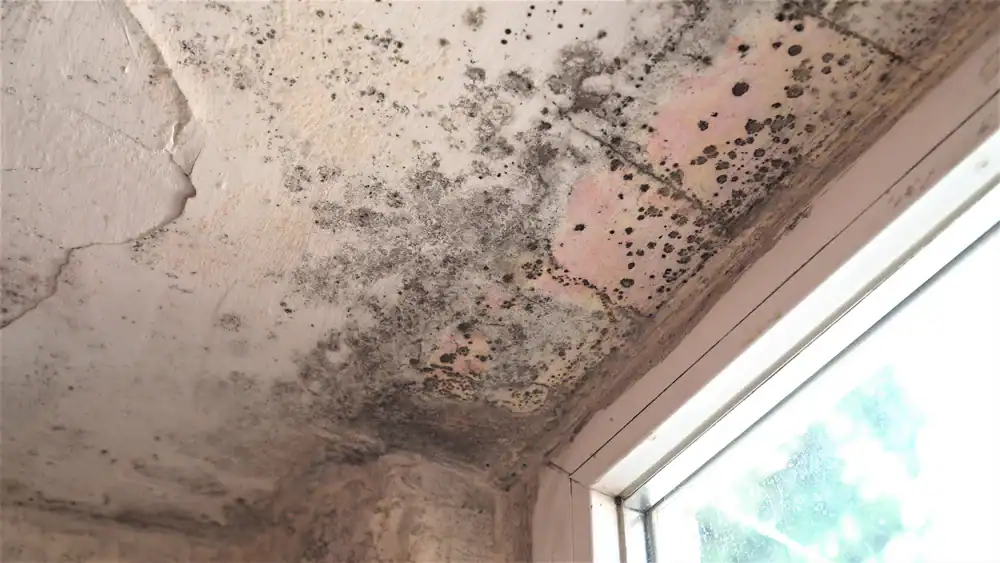
You stop worrying every time someone in your house coughs. The air smells normal again—not musty, not damp, just clean. You’re not wondering if that dark spot in the corner is spreading or if your kids are breathing in something harmful while they sleep.
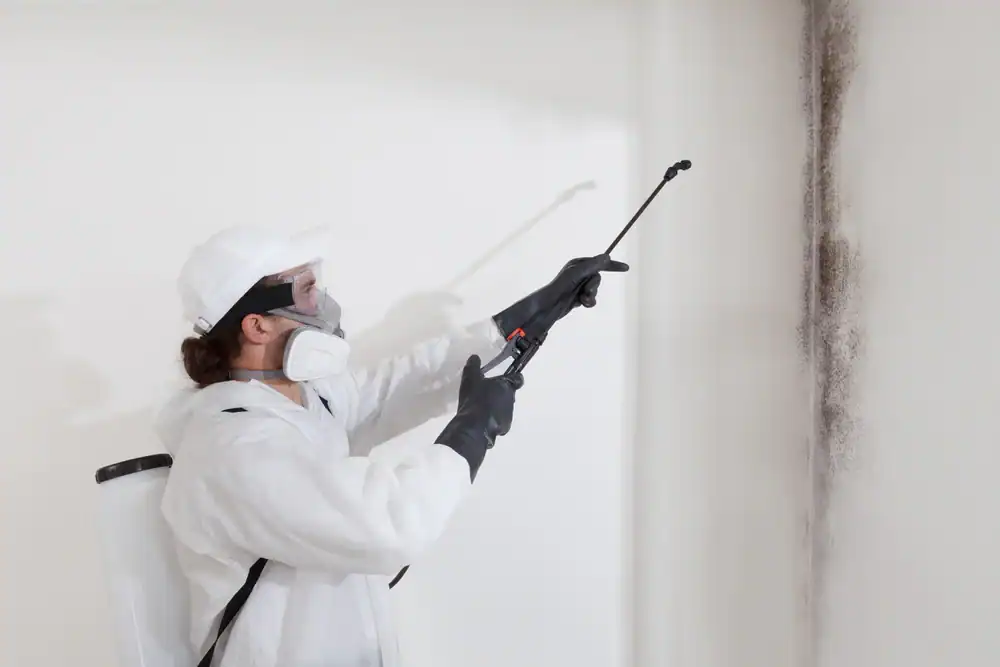
Mold removal isn’t just about scraping off what you can see. It’s about eliminating the spores you can’t see, controlling the moisture that feeds them, and making sure your crawl space or ductwork isn’t creating the perfect environment for it to come right back. That’s what professional mold cleanup actually does.
When the job’s done right, you’re not masking the problem. You’re not hoping it goes away. You’re living in a home where the air is cleaner, your family is safer, and you’re not dealing with recurring issues six months later because someone just sprayed bleach and called it a day.
We’ve been improving indoor air quality in the Greensboro area for over 30 years. We’ve seen what happens when mold gets ignored, and we’ve cleaned up plenty of jobs where someone tried the DIY route or hired the cheapest option and ended up with a bigger problem.
Randleman sits right in the middle of North Carolina’s high-humidity zone. That means your crawl space, your HVAC system, and anywhere moisture can settle is at risk—especially after heavy rain or if your home has drainage issues. We know this area, and we know how mold behaves here.
We’re certified, insured, and we use equipment that actually removes contaminants instead of just moving them around. Our team doesn’t rush through jobs, and we don’t leave until the source of the problem is addressed—not just the visible mold.
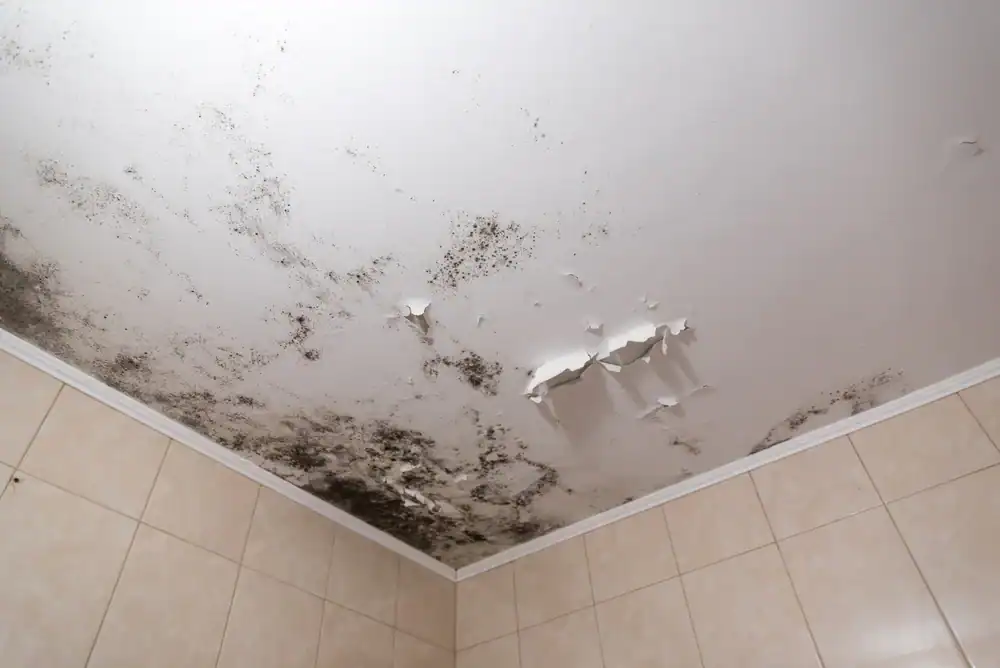
First, we inspect your property to figure out where the mold is growing and why. That means checking your crawl space, your ductwork, anywhere water or humidity might be collecting. We’re looking for the source—not just the symptom.
Once we know what we’re dealing with, we contain the area to prevent spores from spreading during removal. Then we remove the mold using professional-grade equipment and treatment methods that eliminate it at the source. We don’t just spray and wipe—we treat, vacuum, and remove contaminated materials if needed.
After the mold is gone, we address the moisture problem. That might mean sealing your crawl space, fixing ventilation issues, or recommending dehumidification. If water’s getting in, mold will come back—so we make sure that doesn’t happen. You’ll know exactly what we did, why we did it, and what to watch for going forward.
Ready to get started?
You’re getting a full inspection, containment, removal, and moisture control plan. We’re not showing up with a spray bottle and a shop vac. We’re using HEPA filtration, antimicrobial treatments, and proper containment barriers to keep your home safe during the process.
In Randleman, crawl space mold is one of the most common issues we see. North Carolina’s humidity levels average over 70%, and your crawl space is the perfect breeding ground if it’s not sealed or ventilated properly. We treat the mold, remove contaminated insulation if necessary, and seal the space so moisture doesn’t keep feeding the problem.
We also clean HVAC ducts where mold and allergens build up over time. If your system’s been circulating mold spores through your home, you need more than surface cleaning. Our process removes debris, treats contamination, and improves the air quality throughout your entire house. This isn’t a quick fix—it’s a complete reset for your indoor environment.
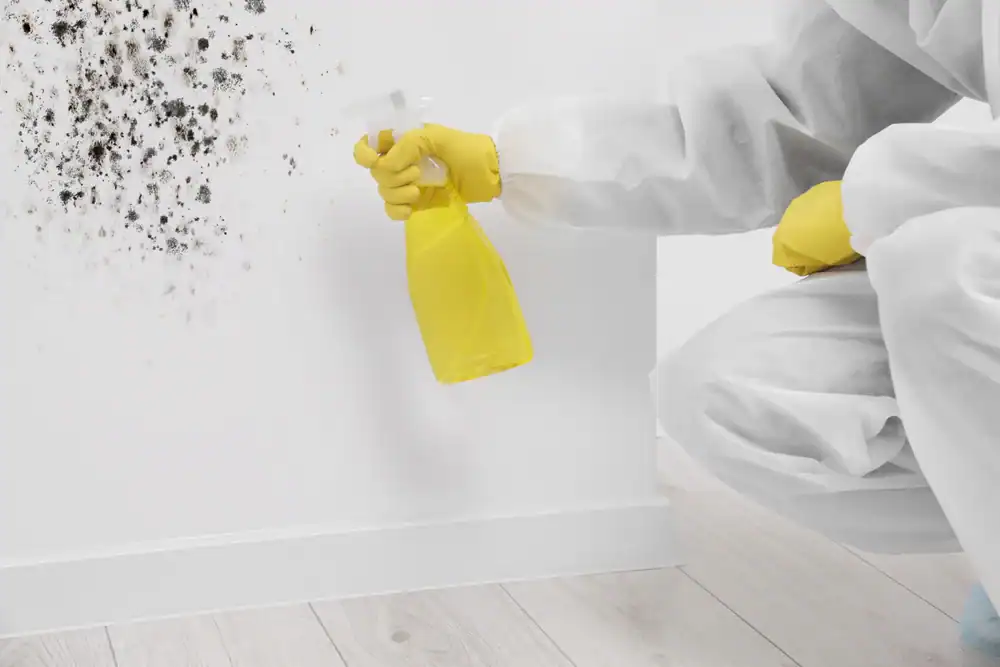
If you’re seeing visible mold growth larger than about 10 square feet, smelling a persistent musty odor, or dealing with recurring moisture problems, you need professional help. DIY methods might handle small surface spots, but they won’t address hidden growth or the moisture source feeding it.
Mold in your crawl space, inside your walls, or in your HVAC system isn’t something you can safely handle on your own. Disturbing large amounts of mold releases spores into the air, and without proper containment and filtration, you’re making the problem worse. If anyone in your home has asthma, allergies, or respiratory issues, professional mold remediation services aren’t optional—they’re necessary.
North Carolina law actually requires disclosure of mold growth over 10 square feet when selling a home. If you’re seeing it, buyers will too, and it’ll cost you more in lost value than it would to fix it now.
Mold removal means getting rid of the visible mold. Mold remediation means removing the mold and fixing the conditions that caused it so it doesn’t come back. Most people need remediation, not just removal.
You can scrub mold off a surface, but if the humidity’s still high or water’s still leaking, you’re just buying time. Remediation includes moisture control, ventilation improvements, and sometimes structural repairs. It’s the difference between treating the symptom and curing the problem.
A certified mold remediation company will test moisture levels, identify the source, contain the affected area during treatment, and give you a plan to prevent future growth. That’s what keeps your home safe long-term, not just clean for a few weeks.
Most residential mold removal projects take between one and five days, depending on the size of the affected area and how much moisture damage there is. A small crawl space job might be done in a day or two. A whole-house situation with HVAC contamination and structural issues could take a week or more.
The timeline also depends on drying time. If we’re dealing with active water intrusion or high humidity, we need to dry everything out completely before sealing or rebuilding. Rushing that process just traps moisture and invites mold back.
We’ll give you a realistic timeline after the inspection. If it’s an emergency—like after a flood or major leak—we can start containment and removal within 24 to 48 hours. The key is stopping the spread fast and then doing the work right, not fast.
It depends on what caused the mold. If it’s from a sudden, accidental event like a burst pipe or storm damage, most policies will cover remediation. If it’s from long-term neglect, poor maintenance, or gradual moisture buildup, probably not.
Insurance companies want to see that you responded quickly to water damage. If a pipe burst and you called us within a few days, that’s usually covered. If your crawl space has been damp for years and you ignored it, that’s considered a maintenance issue.
We’ve worked with insurance companies for years and can help document the damage properly. Get your policy details, call your agent, and we’ll provide the inspection report and photos they need to process your claim. Even if insurance doesn’t cover it, fixing mold now costs way less than dealing with structural damage, health problems, or a tanked home value later.
Bleach kills surface mold on non-porous materials like tile or glass, but it doesn’t penetrate porous surfaces like wood or drywall—and that’s where most mold actually lives. It also doesn’t remove the dead mold, which can still trigger allergies and respiratory problems.
More importantly, bleach doesn’t fix the moisture problem. You might kill what you can see today, but if humidity’s still high or water’s still getting in, mold will grow back in a few weeks. You’re also releasing spores into the air when you scrub, and without proper containment, you’re spreading contamination to other areas of your home.
For small spots on hard surfaces, bleach might work temporarily. For anything in your crawl space, behind walls, or in your HVAC system, you need professional treatment and moisture control. Mold mitigation isn’t about killing mold—it’s about removing it completely and making sure it can’t come back.
Humidity. Randleman sits in one of the most humid parts of North Carolina, with average levels well over 70% during warmer months. Add in heavy summer storms, poor crawl space ventilation, and older homes without proper moisture barriers, and you’ve got the perfect recipe for mold growth.
Crawl spaces are the biggest culprit. Most homeowners never go down there, so mold can spread for months or even years before anyone notices. Groundwater evaporates, humid air gets trapped, and wood stays damp—exactly what mold needs to thrive. If your crawl space isn’t sealed and conditioned, it’s feeding mold and pushing that contaminated air up into your living space.
HVAC systems are the second most common problem. Ducts collect dust, debris, and moisture, especially if there’s a leak or condensation issue. Once mold starts growing in your ductwork, your system blows spores throughout your entire home every time it runs. Sealing your crawl space and cleaning your ducts aren’t just comfort upgrades—they’re health necessities in this climate.