

Contact Info
- Greensboro, NC 27406
- Call: 336-707-0498
- Text: 336-707-0498
-
Mon - Fri: 8am - 4pm
Sat - Sun: Closed
Contact Info
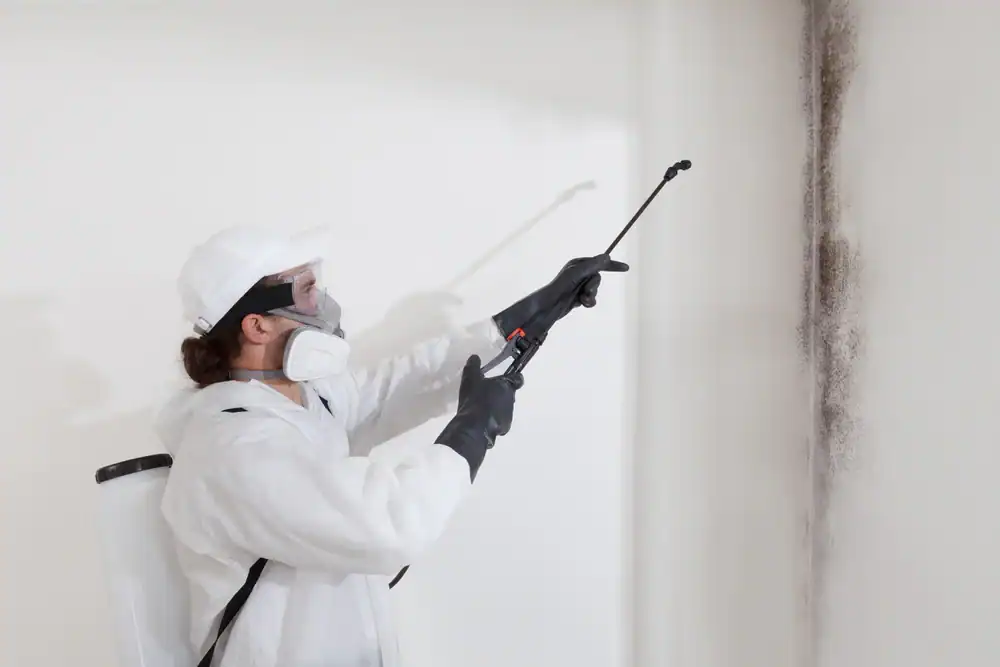
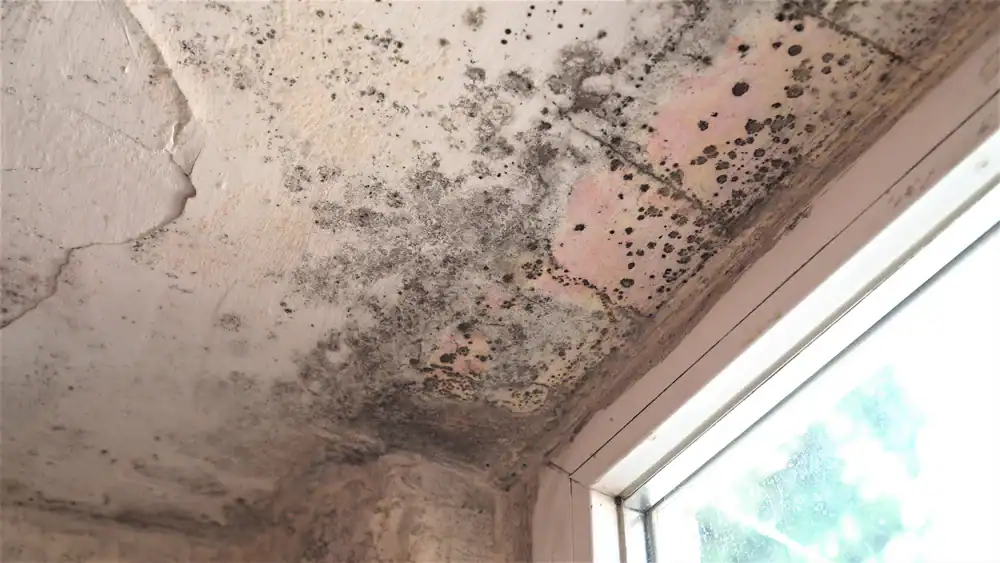
You’ll notice the difference in how your home feels once the mold is actually gone. Not just cleaned over or painted around, but removed down to the source with the moisture problem fixed so it doesn’t come back in three months.
Your family stops dealing with the constant sneezing, coughing, and that musty smell that never quite goes away. Kids with asthma get relief. You stop worrying every time you walk past that bathroom wall or head down to the basement.
The value of your home stays protected. Mold makes properties nearly impossible to sell, and even if you’re not selling now, you don’t want to discover a $15,000 problem when you finally do. Professional mold removal means documentation, proper containment, and the kind of work that passes inspection when it matters.
We work throughout Sedalia and the surrounding area, dealing with the mold issues that come with our climate. We’re not a national franchise reading from a script. We’re local technicians who’ve seen what happens to crawl spaces after a wet spring and what black mold does behind shower walls in older homes.
Our team holds IICRC certifications for mold remediation, which means we follow the actual protocols that work, not shortcuts. We use thermal imaging to find hidden moisture, HEPA filtration to contain spores during removal, and industrial dehumidifiers to dry everything properly.
You’re hiring people who show up when we say we will, explain what we’re doing in plain language, and clean up when the job’s done. We’ve built our reputation here by doing thorough work and not disappearing when customers have questions later.
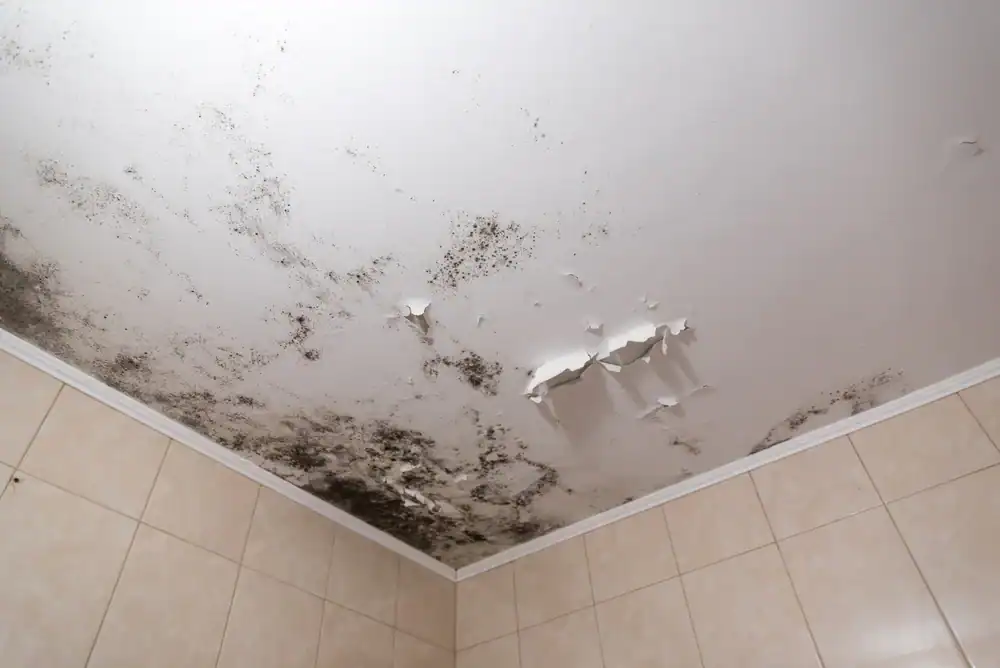
We start with a real inspection, not a sales pitch. That means checking obvious spots like bathrooms and basements, but also using moisture meters and infrared cameras to find problems you can’t see. Mold grows behind walls, under flooring, and in crawl spaces where most people never look.
Once we know what we’re dealing with, we contain the area with plastic sheeting and negative air pressure so spores don’t spread to clean parts of your home during removal. Then we remove the contaminated materials, whether that’s drywall, insulation, or flooring that’s too far gone to save.
The actual cleaning involves HEPA vacuums, antimicrobial treatments, and proper disposal of everything that came out. But here’s the part that matters most: we fix the moisture source. Could be a leak, poor ventilation, humidity from a dirt crawl space, or drainage issues around your foundation. If we don’t fix why the mold grew in the first place, you’ll be calling someone again in six months.
Final step is verification. We test the air quality to confirm spore counts are back to normal levels and make sure the space is actually dry before we close everything up.
Ready to get started?
You get a thorough inspection with moisture mapping and documentation you can use for insurance claims if needed. We provide detailed photos and reports that show exactly what we found and what we did about it.
The remediation itself covers containment setup, removal of all affected materials, HEPA air filtration during the entire process, and antimicrobial treatment of surfaces we can save. We handle the disposal properly instead of just bagging it up and leaving it in your driveway.
Sedalia’s climate creates specific challenges. Over three-quarters of North Carolina homes have crawl spaces, and most of them have moisture problems that lead to mold. We deal with this constantly. If your crawl space is part of the issue, we can handle encapsulation to prevent future growth. If it’s your HVAC system spreading spores through the house, we clean and treat the ductwork too.
You also get honest answers about what caused this and how to prevent it. Sometimes that’s as simple as fixing a gutter. Sometimes it means a dehumidifier or better ventilation. We’ll tell you what actually needs to happen, not what makes us the most money.
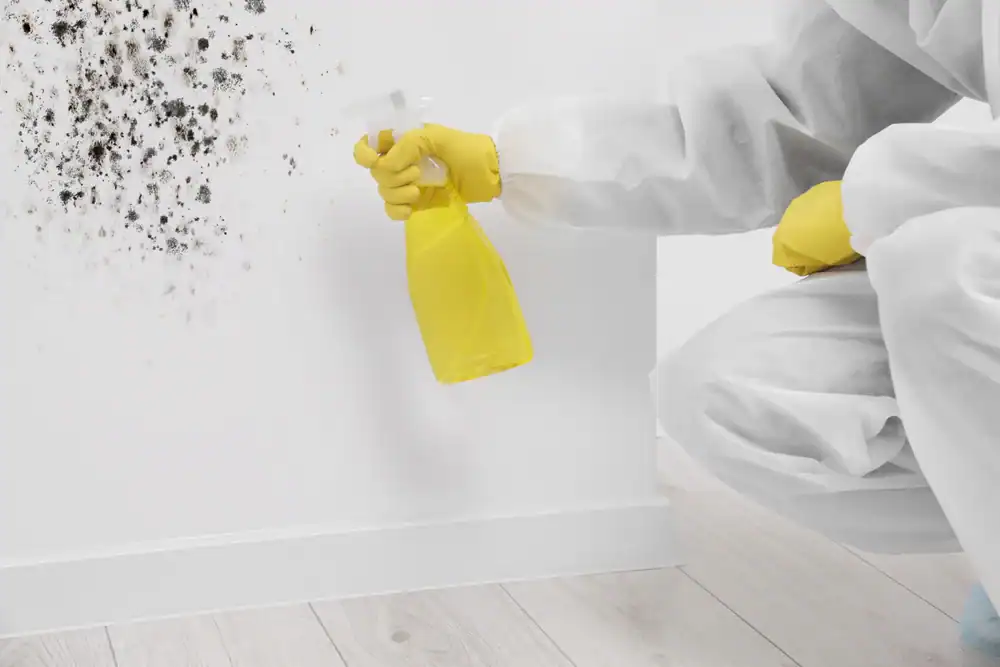
Most residential mold removal jobs in this area run between $1,500 and $4,000, but that range depends entirely on how much mold you have and where it’s growing. A small bathroom problem might cost $1,200. A flooded crawl space with mold throughout the insulation and floor joists could hit $8,000 or more.
The size of the affected area matters most. Mold remediation gets priced by square footage of contaminated space, plus the cost of materials we have to remove and replace. Drywall is cheaper to replace than hardwood flooring. Surface mold is easier than mold that’s gotten into your HVAC system.
We provide free inspections so you know what you’re dealing with before spending anything. You’ll get a written estimate that breaks down the work and the cost. No surprises, no “we found more once we started” unless we genuinely discover hidden damage behind a wall.
If it’s a tiny spot on a windowsill or a small patch on bathroom caulking, sure. Spray it with vinegar or bleach, scrub it off, fix whatever’s causing moisture, and you’re probably fine. But if you’re looking at mold bigger than about three feet by three feet, or if it’s in your crawl space, inside walls, or in your HVAC system, you need professional mold remediation.
Here’s why DIY usually fails: you can kill mold with cleaning products, but dead mold spores still cause allergic reactions and health problems. You have to physically remove them. Plus, if you disturb mold without proper containment, you spread millions of spores throughout your house. People try to clean a moldy basement and end up with mold problems in their bedrooms three weeks later.
Professional equipment makes the difference. HEPA filtration, negative air pressure, proper containment, moisture meters to confirm everything’s actually dry. We also know how to remove mold without spreading it and how to identify the moisture source so it doesn’t come back. Most homeowners don’t own thermal imaging cameras or industrial dehumidifiers, and renting them costs almost as much as hiring someone who knows how to use them properly.
A typical residential mold removal job takes two to five days from start to finish. Small projects like a bathroom or closet might be done in a day or two. Larger jobs involving multiple rooms, crawl spaces, or significant water damage can take a week or more.
Day one is usually inspection, containment setup, and starting the removal process. Days two and three involve removing contaminated materials, cleaning and treating surfaces, and running dehumidifiers to dry everything out. The final day or two covers verification testing, final cleaning, and removal of containment barriers.
Drying time affects the schedule more than anything else. We can remove moldy drywall in a few hours, but if the studs behind it are damp, we need to dry them completely before closing walls back up. Rushing this part guarantees the mold comes back. North Carolina’s humidity doesn’t help. We’re fighting 70-80% outdoor humidity in summer, so proper drying takes longer here than it would in Arizona.
Sometimes yes, sometimes no. It depends on what caused the mold and what your specific policy says. Most homeowners insurance covers mold remediation if the mold resulted from a covered peril like a burst pipe, storm damage, or appliance leak that happened suddenly. They typically won’t cover mold that grew because of long-term neglect, poor maintenance, or gradual issues like a slow leak you ignored for months.
Read your policy or call your insurance company before you do anything. Many policies cap mold coverage at $10,000 or less, even if the actual damage costs more. Some exclude mold entirely unless you purchased additional coverage.
We help with the insurance process by providing detailed documentation, photos, moisture readings, and written reports that show what we found and what needs to happen. We can work directly with adjusters and provide the information they need to process your claim. But we’re honest about this: insurance companies look for reasons to deny mold claims, so document everything from the moment you discover the problem, take photos, and report it to your insurance company immediately.
Mold affects different people differently, but the most common problems are respiratory issues. You’ll see increased sneezing, coughing, wheezing, throat irritation, and nasal congestion. People with asthma or allergies get hit harder. Their symptoms get worse, they need their inhaler more often, and they feel lousy in their own home.
Some people develop skin irritation or eye irritation from mold exposure. You might notice itchy, watery eyes or rashes that don’t have an obvious cause. Headaches and fatigue are common too, though those symptoms are vague enough that most people don’t connect them to mold until after the remediation when they suddenly feel better.
Black mold gets the most attention, but all mold can cause problems if you’re sensitive to it. The severity depends on how much mold you have, how long you’re exposed, and your individual health. Young kids, elderly people, and anyone with compromised immune systems or existing respiratory conditions face the biggest risks. North Carolina health departments can’t easily track mold-related illness because the symptoms look like allergies or a cold, but research shows that dampness and mold in homes increases respiratory problems by 30-50%.
Control moisture and you control mold. That’s the entire game. Mold needs moisture to grow, so if you keep indoor humidity below 50% and fix water problems quickly, mold won’t come back.
Start with the basics: fix leaks immediately, improve ventilation in bathrooms and kitchens, use exhaust fans when you shower or cook, and make sure your gutters and downspouts move water away from your foundation. In Sedalia’s humid climate, you probably need a dehumidifier running in your basement or crawl space during summer months. Check it regularly and empty it before it shuts off from being full.
Crawl space encapsulation makes a huge difference if that’s where your moisture comes from. Sealing the crawl space with a vapor barrier and conditioning the air stops the humidity that rises into your living space. It’s an investment, but it prevents mold, reduces energy costs, and protects your floor joists from rot.
Watch for early warning signs: musty odors, condensation on windows, water stains on ceilings or walls, or that damp feeling in certain rooms. Catch moisture problems early and you’ll never deal with major mold growth. Wait until you see visible mold and you’re looking at a bigger, more expensive problem.