

Contact Info
- Greensboro, NC 27406
- Call: 336-707-0498
- Text: 336-707-0498
-
Mon - Fri: 8am - 4pm
Sat - Sun: Closed
Contact Info
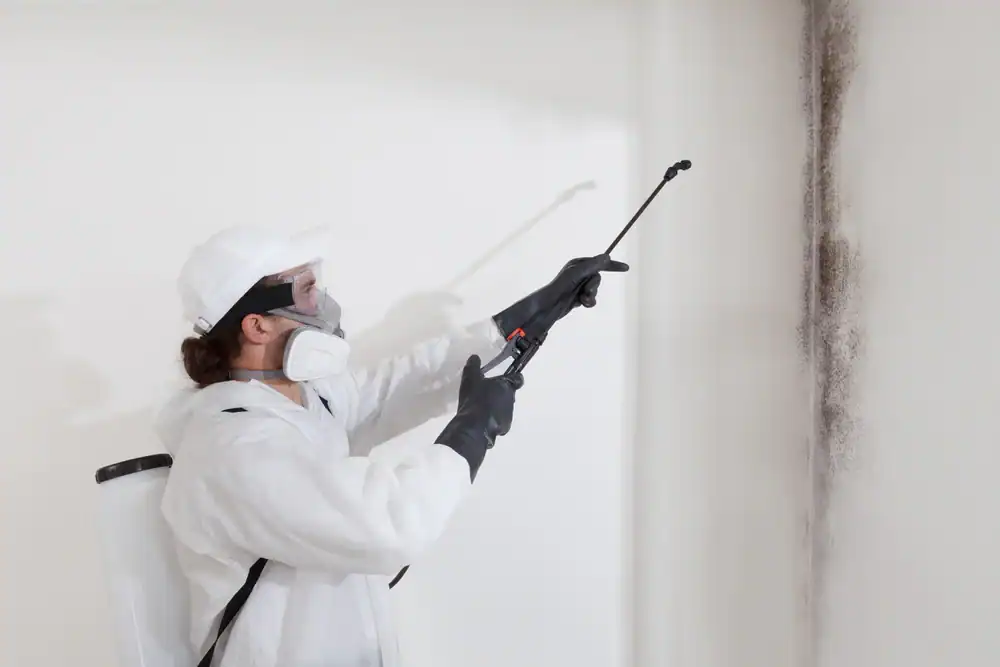
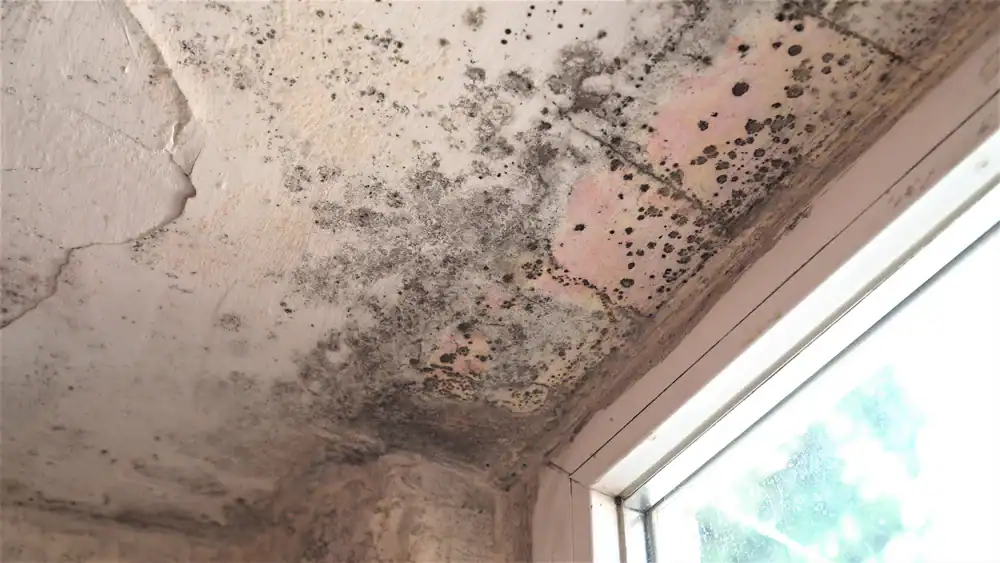
You stop worrying every time your kid coughs. The air in your home doesn’t feel heavy anymore. You’re not scrubbing the same corner every weekend watching it come back.
When mold is professionally removed—not just wiped down—you get your home back. Your family stops dealing with itchy eyes, respiratory irritation, and that constant concern about what’s growing behind your walls. You protect your property value instead of watching it drop because of something you knew about but didn’t address properly.
Here’s what real mold removal does: it eliminates the source, treats affected areas with antimicrobial solutions, removes contaminated materials safely, and prevents future growth by fixing the moisture problem. You’re not covering up a problem. You’re solving it so it doesn’t come back and cost you more later.
We’ve spent over 30 years improving indoor air quality for homes across Guilford, Randolph, Alamance, and Forsyth Counties. We’re IICRC-certified mold remediators, which means we follow the same standards used by restoration professionals nationwide—not just someone with a spray bottle.
We know Snow Camp. We know that 35.6% of homes here are mobile homes, which means different ventilation challenges and moisture patterns than traditional construction. We know North Carolina’s humidity sits above 70% most of the year, creating perfect conditions for mold growth in crawl spaces, basements, and HVAC systems.
You’re not getting a national franchise that doesn’t understand local conditions. You’re working with a local team that’s seen every type of mold problem Snow Camp homes face—and knows how to fix them permanently.
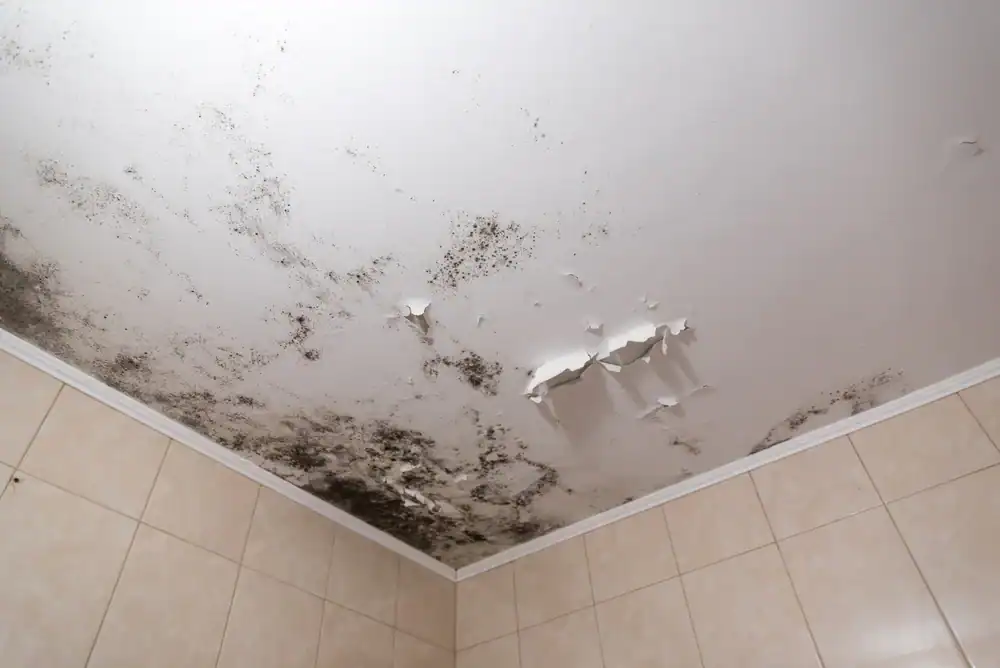
First, we assess the situation. We use moisture meters and thermal imaging to find hidden mold growth behind walls, under flooring, and in areas you can’t see. We identify the water source causing the problem—because if we don’t fix that, the mold comes back.
Next, we contain the area. We shut down your HVAC system temporarily and set up physical barriers to prevent mold spores from spreading to clean areas during removal. This isn’t optional—it’s how you avoid contaminating the rest of your home.
Then we remove it. We HEPA vacuum surfaces to capture 99.97% of mold spores. We apply antimicrobial treatments that kill mold at the root. If materials like drywall or insulation are too damaged, we remove and dispose of them safely. We don’t just clean what you can see—we treat what you can’t.
Finally, we prevent future growth. We fix the moisture issue, improve ventilation if needed, and give you a clear plan to keep your home mold-free. You get a one-year warranty because we’re confident the mold won’t come back if the conditions are controlled.
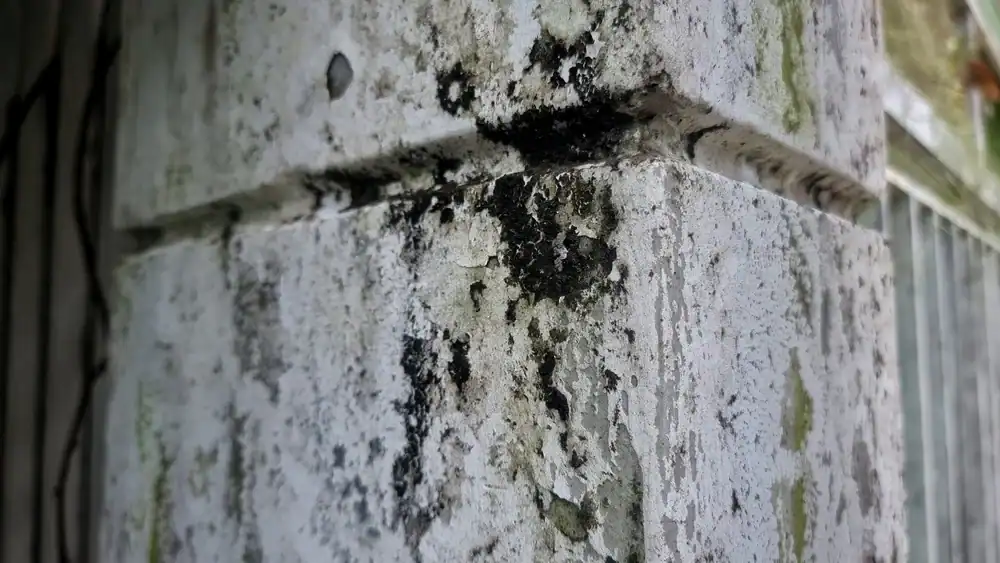
Ready to get started?
You get a full inspection with specialized detection equipment that finds mold you didn’t know was there. You get containment procedures that protect the rest of your home during the removal process. You get HEPA filtration that captures mold spores instead of just moving them around.
You get antimicrobial treatment applied to affected surfaces—not surface-level cleaning that leaves spores behind. If materials are damaged beyond cleaning, you get safe removal and disposal that follows EPA and OSHA guidelines. You get the moisture source identified and corrected so you’re not dealing with this again in six months.
Snow Camp’s housing market is strong right now, with median home prices at $325,000 and climbing. But North Carolina law requires you to disclose mold problems over 10 square feet to buyers. If you’re planning to sell, professional mold removal protects your sale price and keeps you legally covered. If you’re staying, it protects your family’s health and your home’s structural integrity.
You also get 24/7 emergency response if you need it. Mold doesn’t wait for business hours, and neither do we.
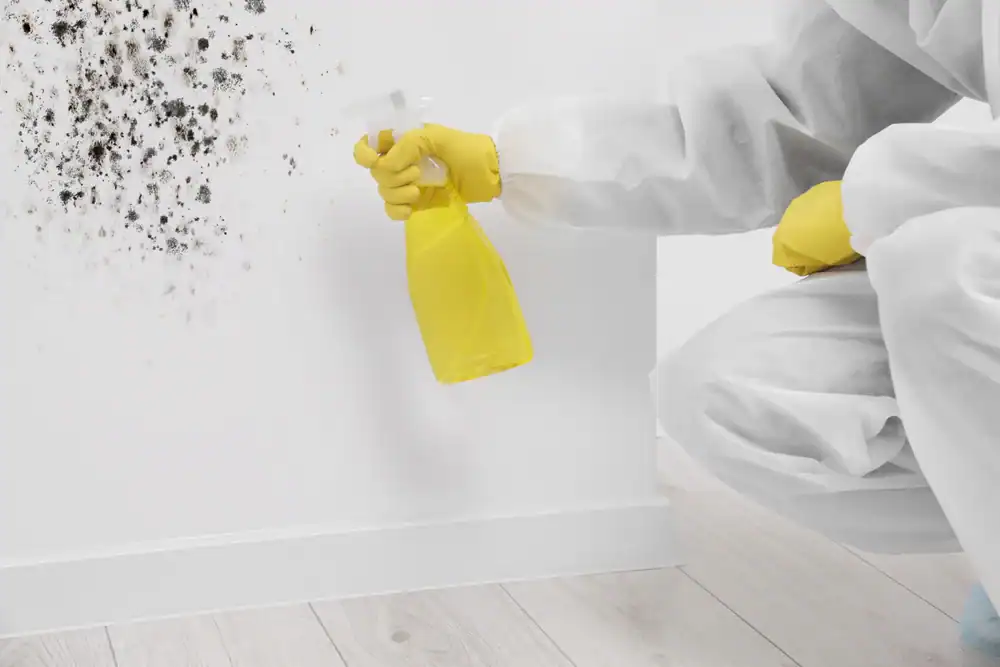
If the mold covers more than 10 square feet, you need a professional. That’s about a 3×3 area. Anything larger means the contamination has spread beyond what surface cleaning can handle, and you risk making it worse by disturbing spores without proper containment.
You also need professional help if the mold is caused by contaminated water, like sewage backup or flooding. If anyone in your home has respiratory issues, asthma, or allergies, professional removal protects them from exposure during cleanup. If you’ve cleaned mold before and it keeps coming back, that means the moisture source wasn’t fixed—and a professional can identify and correct what’s actually causing it.
DIY mold removal with bleach or vinegar only works on hard, non-porous surfaces for small spots. It doesn’t kill mold on drywall, wood, or insulation. It doesn’t address airborne spores. And it doesn’t fix the underlying problem. Professional remediation does all of that.
Most mold removal jobs in Snow Camp take between one and three days, depending on the size of the affected area and how much material needs to be removed. Small, contained areas might be done in a day. Larger jobs involving multiple rooms or structural materials take longer.
You don’t always have to leave, but it depends on the scope. If we’re working in one bathroom or a section of your basement, you can usually stay in other parts of the house. If the mold is extensive or involves your HVAC system, it’s safer to stay elsewhere during active remediation to avoid exposure to disturbed spores.
We’ll tell you upfront what to expect. We’re not going to make you leave unnecessarily, but we’re also not going to tell you it’s safe to stay if it’s not. Your health matters more than convenience, and we’ll give you an honest assessment based on the situation we find.
It depends on what caused the mold. If it’s from a sudden, accidental event like a burst pipe or storm damage, most policies cover it. If it’s from long-term neglect, high humidity, or a maintenance issue you didn’t address, they probably won’t.
Insurance companies want to see that you acted quickly after discovering water damage. If you wait weeks or months, they’ll argue the mold was preventable. If you’ve had a leak you knew about and didn’t fix, that’s considered a maintenance issue, not a covered loss.
We can work with your insurance company and provide documentation they need for your claim. We’ll give you a detailed assessment of the damage, what caused it, and what’s required to fix it. But you should call your insurance company as soon as you discover mold or water damage—before you call us—so you know what’s covered and what’s not. That way there are no surprises when the bill comes.
Mold removal means getting rid of visible mold growth. Mold remediation means bringing mold levels back to normal and preventing it from returning. Remediation is the more accurate term because you can’t remove every single mold spore from a home—they’re everywhere in the environment.
The goal isn’t zero mold. The goal is reducing mold to safe, natural levels and eliminating the conditions that let it grow out of control. That means treating affected areas, removing damaged materials, controlling moisture, and improving ventilation.
When we remediate mold, we’re not just cleaning what you see. We’re addressing the root cause so it doesn’t come back. That’s why we fix leaks, improve drainage, and sometimes recommend dehumidifiers or better airflow in problem areas. Removal is surface-level. Remediation is comprehensive. You want remediation.
Small jobs—like a moldy bathroom corner or under a sink—typically run between $500 and $1,500. Medium jobs involving a larger area like a basement or crawl space usually cost between $1,500 and $4,000. Extensive remediation that requires removing drywall, insulation, or treating your HVAC system can run $4,000 to $10,000 or more.
The cost depends on how much mold there is, where it’s located, what materials are affected, and whether structural repairs are needed. Hidden mold behind walls or in crawl spaces costs more because it requires more labor and specialized equipment to access and treat properly.
We’ll give you a clear estimate after we inspect your home. No surprises, no upselling. You’ll know exactly what you’re paying for and why it’s necessary. And if insurance is covering it, we’ll work with them directly to make the process easier for you. The cost of doing it right now is always less than the cost of doing it twice—or dealing with health problems and property damage because it wasn’t done correctly the first time.
Control moisture. That’s it. Mold needs water to grow, so if you keep things dry, it won’t come back.
Fix leaks immediately—roof leaks, plumbing leaks, foundation cracks that let water in. Use exhaust fans in bathrooms and kitchens to vent humidity outside, not into your attic. Run a dehumidifier in your basement or crawl space if humidity stays above 60%. Clean your gutters so water drains away from your foundation instead of pooling around it.
Check areas that tend to stay damp: under sinks, around windows, in crawl spaces, near HVAC units. If you see condensation or feel dampness, that’s a problem waiting to happen. North Carolina’s humidity makes this especially important—you’re fighting the climate, so you need to stay on top of it.
We’ll give you specific recommendations based on what we find during remediation. And our one-year warranty covers you if mold returns in treated areas, as long as the moisture conditions haven’t changed. You’re not on your own after we leave.