

Contact Info
- Greensboro, NC 27406
- Call: 336-707-0498
- Text: 336-707-0498
-
Mon - Fri: 8am - 4pm
Sat - Sun: Closed
Contact Info
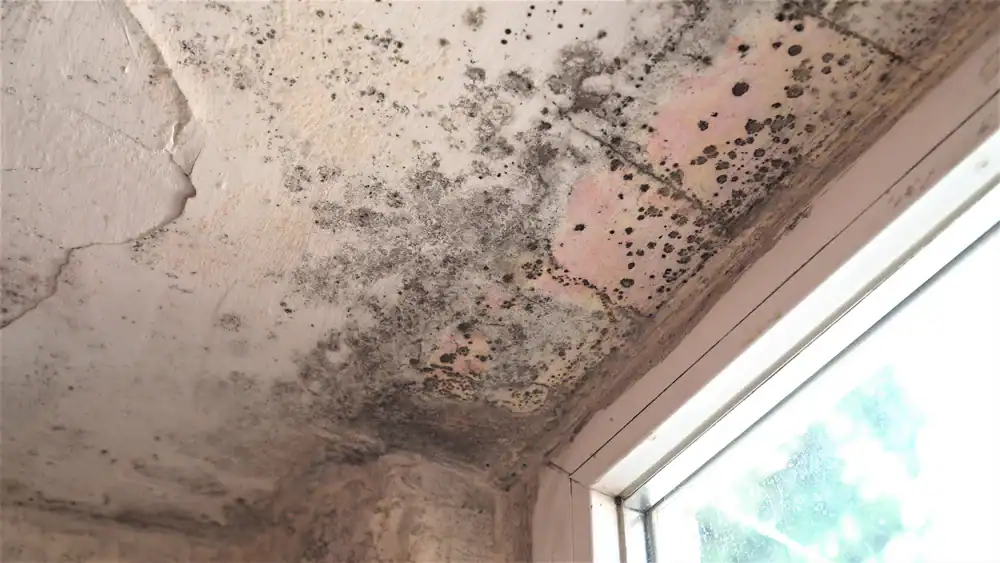
You stop wondering if the air you’re breathing is making you sick. The headaches, the respiratory issues, the constant worry about what’s growing behind your walls—that ends when the mold is actually gone, not just covered up or killed in place.
Your home stops deteriorating from the inside out. Mold doesn’t just sit there looking ugly. It eats through wood, weakens floors, and creates structural problems that cost tens of thousands to fix if you wait too long.
You can sell your home without legal nightmares. North Carolina law requires disclosure of any mold problem over 10 square feet. Professional mold abatement services give you documentation that the problem was handled correctly, so you’re not facing lawsuits or failed inspections down the road.
We’ve spent over 30 years fixing indoor air quality problems in Whitsett and throughout the Greensboro area. We’re not a franchise that showed up last year. We’re the local crew that understands how North Carolina’s humidity creates perfect conditions for mold growth in crawl spaces and HVAC systems.
Most homes in Whitsett were built in the 1980s, which means older construction methods and decades of moisture exposure. We’ve seen what happens when mold gets ignored in these homes, and we know exactly how to stop it before it becomes a $50,000 structural repair job.
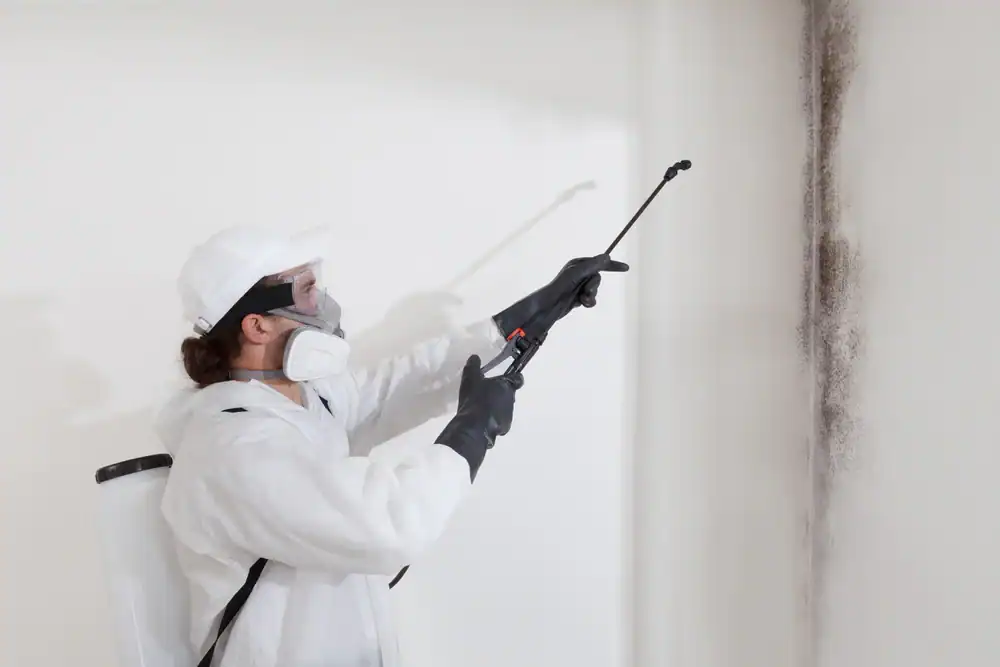
You get certified technicians who follow IICRC S520 standards for mold remediation, not someone with a spray bottle and a YouTube education. That means proper containment, HEPA filtration, and moisture control that actually prevents the mold from coming back.
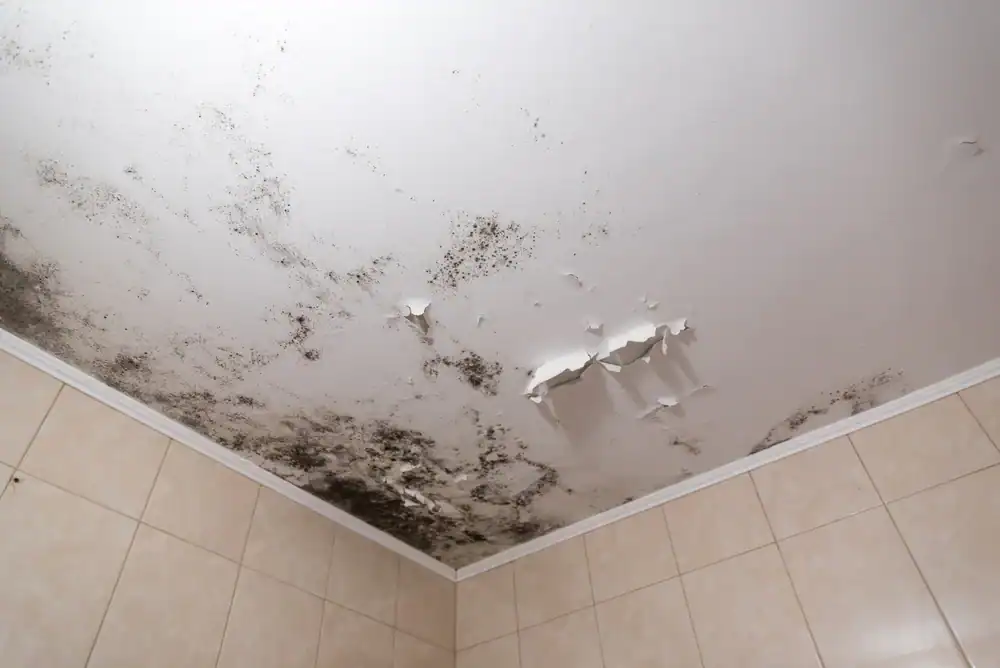
First, we come out and actually look at the problem. Free estimate, no pressure. We use moisture meters and infrared cameras to find mold you can’t see, because the stuff behind your walls is usually worse than what’s visible. You get a clear explanation of what’s happening and what it’ll take to fix it.
Then we contain the work area before we touch anything. This is the step most people skip when they try DIY mold removal, and it’s why they end up spreading spores throughout their house. We seal off the space, set up negative air pressure, and use HEPA filtration so mold doesn’t travel to clean areas.
We remove the contaminated materials and treat affected surfaces with antimicrobial solutions. Dead mold is still dangerous, so everything gets physically removed and properly disposed of. Then we address the moisture source—because if you don’t fix why the mold grew in the first place, you’re just buying yourself six months before it comes back.
Finally, we verify the work with post-remediation testing if needed and give you documentation of what was done. You’re not guessing whether the problem is solved.
Ready to get started?
You get a complete moisture assessment, not just mold removal. In Whitsett’s humid subtropical climate—where we average over 70% relative humidity—mold will return if the moisture problem isn’t fixed. We check crawl spaces, HVAC systems, and ventilation to find where water is getting in.
The actual remediation follows EPA and OSHA guidelines, which means proper safety equipment, containment barriers, and HEPA air scrubbers running throughout the job. Contaminated materials get bagged and removed, not just sprayed and left in place. Structural elements get treated with hospital-grade antimicrobials.
You also get recommendations for preventing future growth. Sometimes that means crawl space encapsulation. Sometimes it’s fixing drainage issues or improving ventilation. We tell you what actually needs to happen, not what makes us the most money. If your crawl space needs sealing to control moisture long-term, we’ll explain why and what it costs.
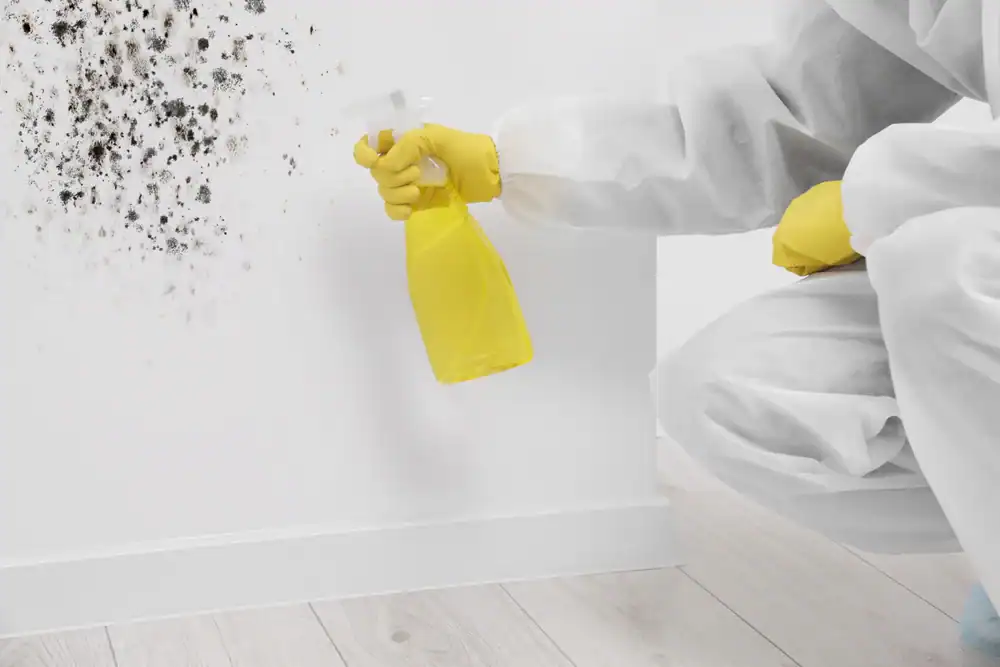
Most residential mold remediation projects in Whitsett run between $1,500 and $6,000, depending on how much mold there is and where it’s located. A small bathroom ceiling problem costs less than a whole crawl space full of contaminated insulation and floor joists.
The size of the affected area matters most for pricing. North Carolina requires disclosure for mold problems over 10 square feet, and once you’re past that threshold, you’re usually looking at professional remediation that involves containment, removal, and moisture control. Crawl space mold tends to cost more because access is harder and the affected area is usually larger than people realize.
What drives costs up is structural damage and moisture source repairs. If the mold has been growing long enough to rot floor joists or require HVAC duct replacement, you’re adding significant expense. That’s why catching it early matters. We give free estimates so you know exactly what you’re dealing with before any work starts.
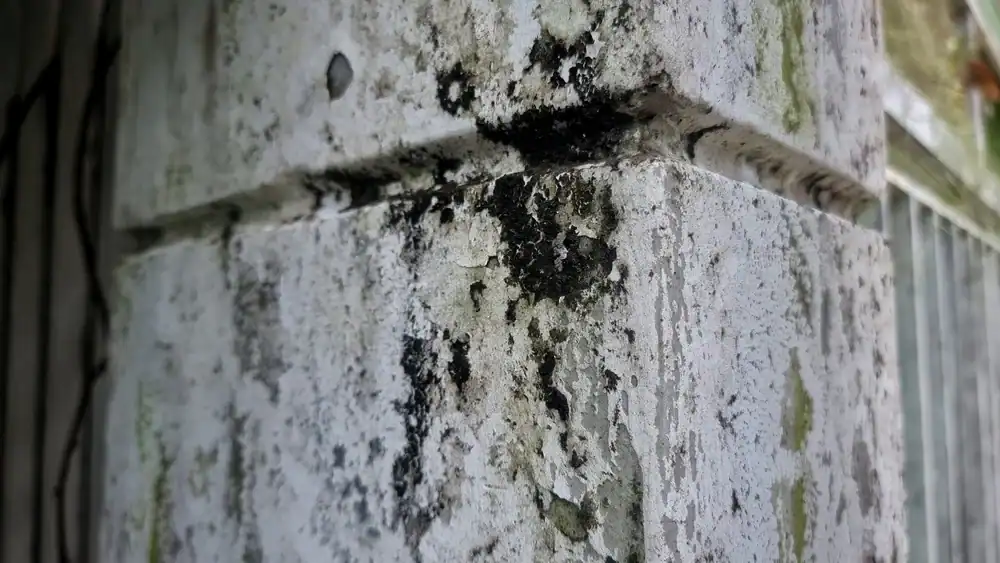
Small surface mold on non-porous materials—like a little mildew on bathroom tile—you can handle yourself with proper safety gear. But if you’re seeing black mold in your crawl space, on drywall, or anywhere moisture has been sitting for a while, DIY is a bad idea for several reasons.
First, disturbing mold without proper containment spreads spores throughout your house. One wrong move turns a localized problem into whole-house contamination. Second, killing mold isn’t enough—dead mold spores still trigger respiratory problems and allergic reactions. You have to physically remove contaminated materials. Third, if you don’t fix the moisture source, you’re wasting your time because it’ll grow back within weeks.
We use containment barriers, negative air pressure, and HEPA filtration to prevent cross-contamination. We remove affected materials instead of just spraying them. And we address the underlying moisture problem so you’re not doing this again next year. The cost of doing it wrong the first time—both in health risks and having to pay for professional cleanup anyway—usually exceeds the cost of just calling someone who knows what they’re doing.
Most residential mold removal jobs take between one and five days, depending on the size of the affected area and how much material needs to be removed. A single bathroom or small crawl space section might be done in a day or two. A whole crawl space with contaminated insulation and floor joists takes longer.
The actual remediation work moves pretty quickly once containment is set up. The time-consuming parts are setting up proper containment barriers, running HEPA air scrubbers to clean the air, and waiting for treated areas to dry completely before we close everything back up. Rushing this process is how you end up with mold growing back in six months.
If there’s structural damage or if we need to coordinate with other contractors for repairs—like fixing a plumbing leak or replacing rotted subfloor—the timeline extends. We’ll give you a realistic schedule during the estimate so you know what to expect. Most people are surprised how fast the work goes once we start, but doing it right matters more than doing it fast.
Moisture and humidity, full stop. Whitsett sits in a humid subtropical climate where we regularly hit 70%+ relative humidity, especially in summer. That’s perfect for mold growth, and it’s why crawl spaces and HVAC systems are the most common problem areas in homes around here.
Most homes in Whitsett were built in the 1980s, before modern moisture control techniques were standard. Crawl spaces weren’t sealed or encapsulated. Vapor barriers were thin or nonexistent. Ground moisture rises up through the soil, condenses on cooler surfaces, and creates the damp environment mold needs to thrive. Add in poor ventilation and you’ve got a mold factory under your house.
The other common culprit is water intrusion—roof leaks, plumbing leaks, foundation cracks that let groundwater in during heavy rain. North Carolina gets plenty of precipitation, and even small leaks create big mold problems if they go unnoticed for weeks or months. HVAC systems also create condensation, and if your ductwork isn’t properly sealed or insulated, that moisture feeds mold growth inside the ducts themselves.
Not if the moisture problem is fixed. Mold needs three things to grow: moisture, organic material to feed on, and the right temperature range. Your home will always have the last two, so controlling moisture is the only way to prevent mold from returning.
This is why our mold remediation includes identifying and addressing the moisture source. If we remove mold from your crawl space but don’t fix the drainage issue that’s letting water pool under your house, you’ll have mold again within months. Same thing with roof leaks, plumbing problems, or condensation from poor ventilation—fix the water problem or the mold problem never really goes away.
We typically recommend crawl space encapsulation for Whitsett homes because it creates a permanent moisture barrier between the ground and your house. Pair that with a dehumidifier and proper drainage, and you’ve eliminated the conditions mold needs to grow. Some situations also require HVAC improvements or better attic ventilation. We’ll tell you what actually needs to happen based on what we find during inspection, not based on what services we want to sell you.
Yes. We come out, assess the situation, and give you a clear estimate of what it’ll cost to fix the problem. No charge for that, and no obligation to hire us.
During the inspection, we use moisture meters and infrared cameras to find mold and moisture you can’t see with your eyes. We check crawl spaces, HVAC systems, attics, and anywhere else moisture tends to accumulate in Whitsett homes. You get an honest assessment of what’s happening and what it’ll take to fix it—not a sales pitch designed to scare you into buying services you don’t need.
The estimate breaks down the scope of work, the timeline, and the cost. If you need additional services like crawl space encapsulation or duct cleaning to prevent future mold growth, we’ll explain why and what those cost separately. You can decide what makes sense for your situation and your budget. Most people appreciate knowing exactly what they’re dealing with before they commit to anything.