Soda Blasting Services Guilford County, NC

HVAC Systems That Actually Run Clean

When mold, grease, and years of buildup are choking your HVAC equipment, soda blasting cuts through the contamination without destroying the components you need to keep running. It’s the difference between a surface wipe-down and a system that’s genuinely restored.

Non-Destructive Deep Cleaning

Sodium bicarbonate removes contaminants without damaging delicate coils, fins, or aluminum components that sandblasting would destroy.

FDA-Approved Safe Process

Food-grade media means no toxic residue, no hazardous cleanup, and safe application in any facility including food processing environments.

Kills Mold and Deodorizes

Soda blasting doesn't just remove visible mold—it kills spores, neutralizes odors, and prevents regrowth better than surface treatments.

Water-Soluble No-Mess Cleanup

Unlike sand or other abrasives, sodium bicarbonate dissolves with water, eliminating disposal concerns and simplifying post-cleaning procedures.

Industrial HVAC Cleaning Guilford County

What Soda Blasting Actually Does

Soda blasting uses compressed air to propel sodium bicarbonate particles at high velocity onto HVAC surfaces. When the crystals hit contaminated areas, they explode outward the force strips away grease, mold, carbon buildup, and debris without abrading the underlying metal or components. This makes it ideal for cleaning evaporator coils, air handlers, ductwork, and equipment that can’t handle aggressive methods. It’s not a rinse or a wipe. It’s complete removal of what’s been accumulating in your system for years, reaching into radiator fins, intake vents, and areas you can’t access with standard cleaning tools. The result is equipment that looks and performs like it should.

HVAC Equipment Cleaning Benefits

What Clean Equipment Actually Gets You

When your HVAC system isn’t fighting through layers of contamination, everything downstream improves—from your energy bills to how long your equipment lasts.

HVAC Mold Removal Guilford County

Why Mold Keeps Coming Back

Surface treatments don’t work because mold roots itself into HVAC components. You can spray disinfectant on visible growth, but if the spores are embedded in your evaporator coils or drain pan, they’ll just regrow when conditions are right. Soda blasting physically removes the mold not just the surface layer, but the growth that’s worked its way into porous materials and tight spaces. Sodium bicarbonate also has natural antifungal properties that kill spores on contact. Then it deodorizes, which matters when you’re dealing with that musty smell that lingers even after cleaning. The difference is permanent removal versus temporary suppression. If you’ve cleaned mold before and watched it return within months, it’s because the cleaning method didn’t reach deep enough. Soda blasting does.
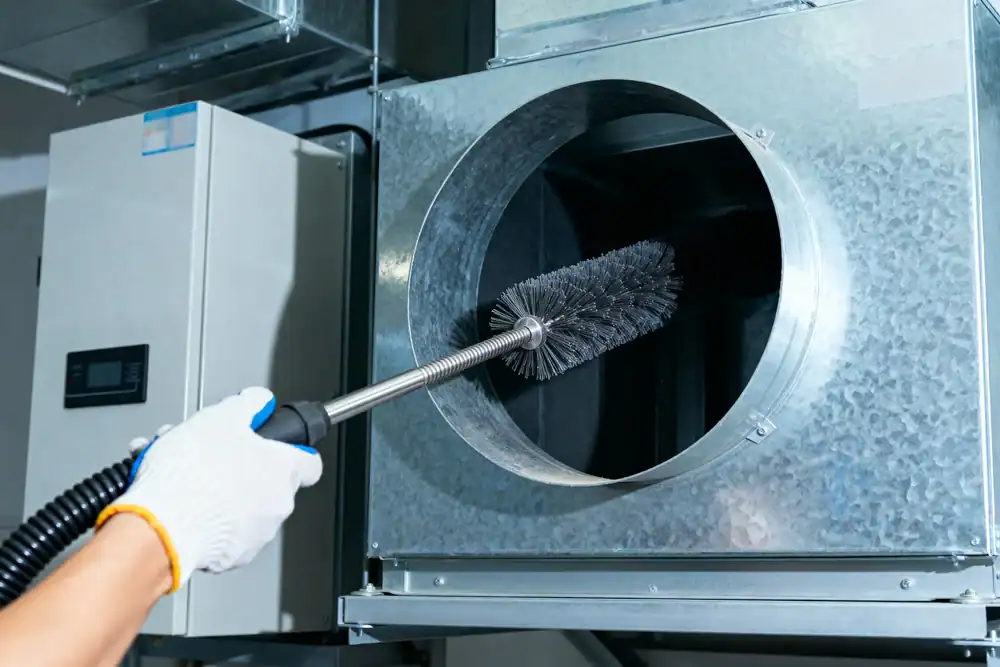
Commercial duct cleaning services for improved air quality in Alamance, NC. Expert HVAC duct cleanin.
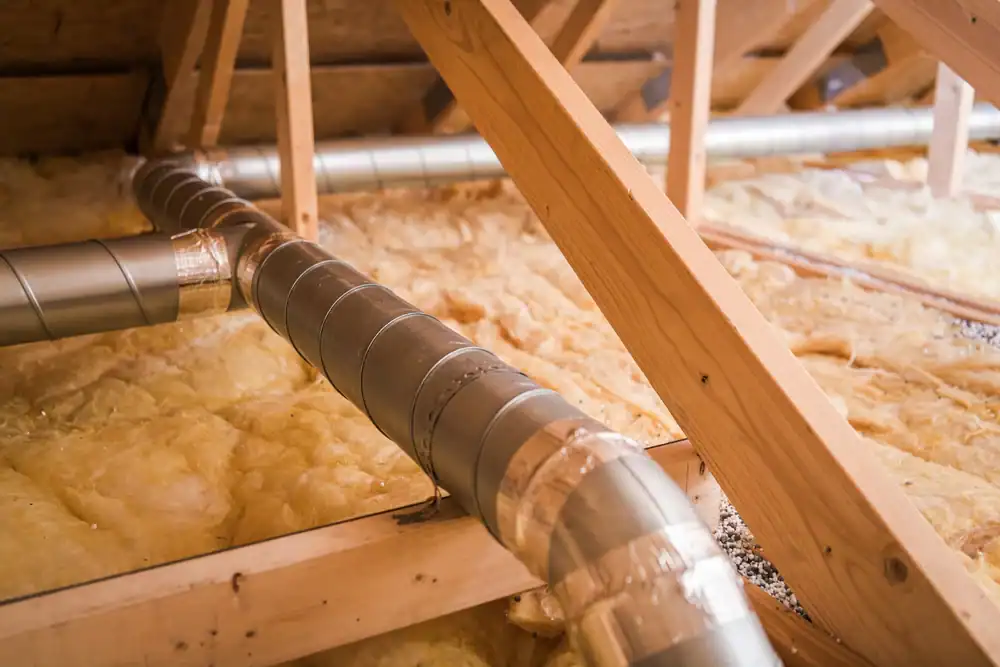
Ductwork for moisture control in building insulation.

Commercial HVAC Duct Cleaning Services

What's Included in a Real Cleaning

A complete soda blasting service for your HVAC system means we’re cleaning the entire air path not just the parts you can see. That includes evaporator coils, blower assemblies, air handlers, supply and return ducts, and any component where contaminants accumulate. Clean Air LLC accesses your system through existing service openings when possible, or we create access points that get sealed properly after cleaning. The soda media reaches into fins, vents, and corners where dust and mold hide. Everything that gets dislodged is captured by negative pressure systems, so contamination doesn’t spread through your facility during the process. You’re not getting a filter change or a vent wipe-down. This is the kind of cleaning that restores HVAC performance to what it was when the equipment was new. The kind that actually shows up in your energy bills and system longevity.
Soda Blasting FAQs

Common Questions About Our Service

Regular duct cleaning typically uses brushes and vacuums to remove loose dust and debris from accessible ductwork. Soda blasting goes much deeper. It uses compressed air to blast sodium bicarbonate particles at high velocity, which physically removes contaminants that are stuck to surfaces—things like baked-on grease, embedded mold, carbon deposits, and years of buildup that brushes can’t touch. The media reaches into tight spaces like evaporator coil fins, air handler components, and areas where standard tools can’t access. It’s also non-abrasive, so it cleans without damaging delicate HVAC parts. If you’ve had your ducts cleaned before but still smell mold or notice poor airflow, it’s because surface cleaning doesn’t address what’s actually causing the problem.
No. That’s the entire point of using sodium bicarbonate instead of sand or other aggressive abrasives. Soda has a MOHS hardness rating of only 2.4, which makes it softer than most substrates but harder than the contaminants we’re removing. When the crystals hit your equipment, they explode outward—the force lifts away dirt and mold without scratching, etching, or warping the underlying metal, aluminum, or plastic components. This makes it safe for evaporator coils, radiator fins, intake vents, and other sensitive parts that would be destroyed by sandblasting. It’s specifically designed for applications where you need powerful cleaning without the risk of equipment damage. If your HVAC components are intact before we start, they’ll be intact when we’re done—just significantly cleaner.
It depends on your facility type and how hard your system works. Commercial HVAC systems typically run 10 to 12 hours a day, which means they accumulate contamination much faster than residential systems. For most facilities, a thorough soda blasting every 3 to 5 years keeps systems running efficiently. However, if you’re in food processing, healthcare, or manufacturing where air quality is critical, you might need more frequent cleaning. Signs it’s time include visible mold around vents, musty odors when the system runs, reduced airflow, higher energy bills, or if you’ve had fire or water damage. The EPA recommends cleaning on an as-needed basis when contaminants are present, and NADCA standards support regular maintenance to prevent buildup. If you’re not sure, we can inspect your system and give you an honest assessment of whether cleaning is necessary now or can wait.
Absolutely. Sodium bicarbonate is FDA-approved as a food-grade cleaning agent, which means it’s safe to use in food processing plants, commercial kitchens, healthcare facilities, and any environment with strict contamination controls. The media is non-toxic, non-flammable, and leaves no hazardous residue. After cleaning, any remaining soda dissolves with water and rinses away completely—there’s no secondary waste to dispose of and no chemical fumes that linger in your facility. This is why soda blasting is preferred in industries where you can’t risk introducing contaminants or harsh chemicals into your environment. It cleans thoroughly while meeting the highest safety and regulatory standards. If you’re in a regulated industry, this method keeps you compliant without compromising on cleaning effectiveness.
Soda blasting effectively removes mold, mildew, grease, oil, carbon deposits, soot from fire damage, dirt, dust buildup, and light surface rust. It’s particularly effective on organic contaminants like mold because sodium bicarbonate has natural antifungal properties—it doesn’t just scrub the growth away, it kills the spores. For facilities dealing with fire or smoke damage, it removes soot and char while also neutralizing odors. If your HVAC system has been running for years without deep cleaning, there’s likely a combination of these contaminants coating your coils, ducts, and components. Soda blasting strips all of it away, leaving surfaces clean down to the original substrate. What it won’t do is remove heavy rust or extremely tough coatings—for that, you’d need a more aggressive abrasive. But for the contamination that builds up in typical HVAC applications, soda blasting handles it completely.
We focus exclusively on commercial and industrial HVAC systems and equipment. We don’t service residential dryer vents. Our equipment and expertise are designed for larger-scale applications—things like commercial air handlers, industrial ductwork, rooftop HVAC units, and equipment that requires specialized cleaning methods. If you’re a business, facility manager, or property owner dealing with contaminated HVAC systems, that’s what we handle. For residential dryer vent cleaning, you’ll want to contact a company that specializes in residential services. Our niche is commercial and industrial work where soda blasting makes the most sense—facilities with complex HVAC systems, heavy contamination, or equipment that can’t handle aggressive cleaning methods.
1

System Assessment and Access

We inspect your HVAC components to identify contamination levels and determine the best access points for thorough cleaning.

2

Soda Blasting Application

High-velocity sodium bicarbonate particles are applied to all contaminated surfaces, breaking up and removing mold, grease, and debris.

3

Cleanup and System Restoration

We remove all dislodged material, rinse away soda residue with water, and verify your system is clean and ready for operation.