

Contact Info
- Greensboro, NC 27406
- Call: 336-707-0498
- Text: 336-707-0498
-
Mon - Fri: 8am - 4pm
Sat - Sun: Closed
Contact Info
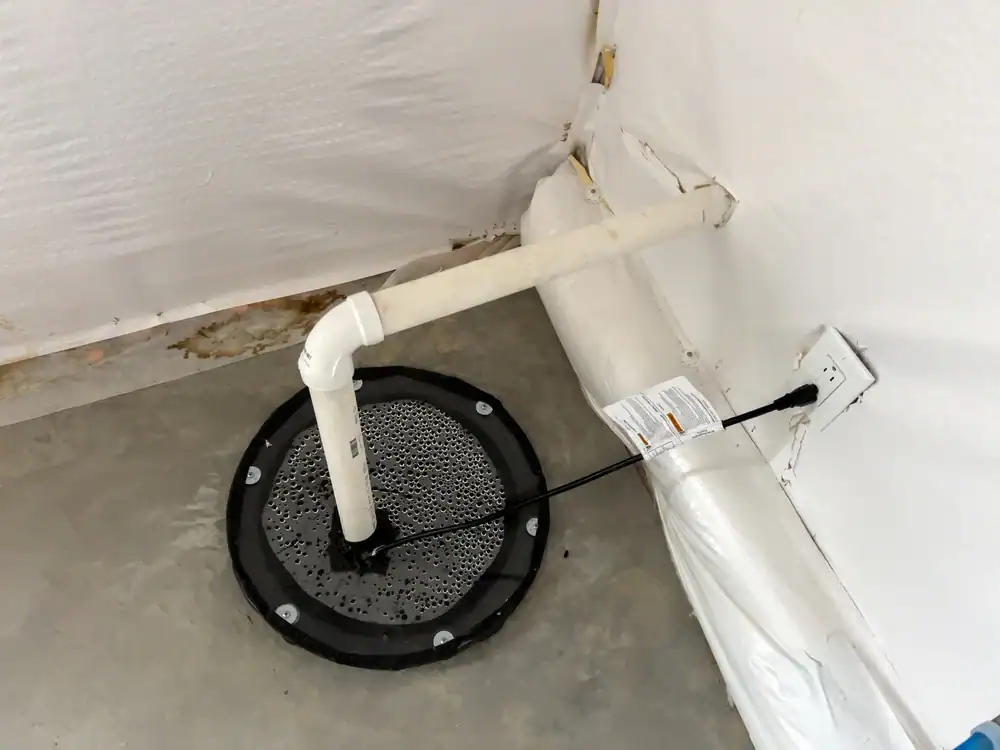
You don’t think about your sump pump until it stops working. Then you’re standing in water, dealing with ruined belongings, and facing repair bills that make you sick.
A working sump pump means your basement stays dry during heavy rain. It means you’re not scrambling to find an emergency plumber at 2 AM when storms roll through. It means the mold doesn’t start growing in corners you can’t reach.
Most pumps last about 10 years. If yours is older than that, or if it’s running constantly, making weird noises, or cycling on and off when it shouldn’t, you’re on borrowed time. The question isn’t if it’ll fail—it’s when. And in Allen Jay, where we get more rain than the national average, that failure will happen at the worst possible moment.
We’ve worked in Allen Jay and the Greensboro area for over 30 years. We’ve seen what happens when pumps fail during spring thaw. We’ve pulled out pumps that were installed wrong from the start. We know exactly what works in this area and what doesn’t.
We’re not the cheapest option, and we won’t pretend to be. You’re paying for technicians who’ve done this hundreds of times, who show up when they say they will, and who fix it right the first time. That matters when you’re trying to protect your home from the kind of water damage that costs $20,000 to fix.
Allen Jay homeowners deal with saturated ground in spring and heavy storms in summer. Your pump needs to handle both. We make sure it does.
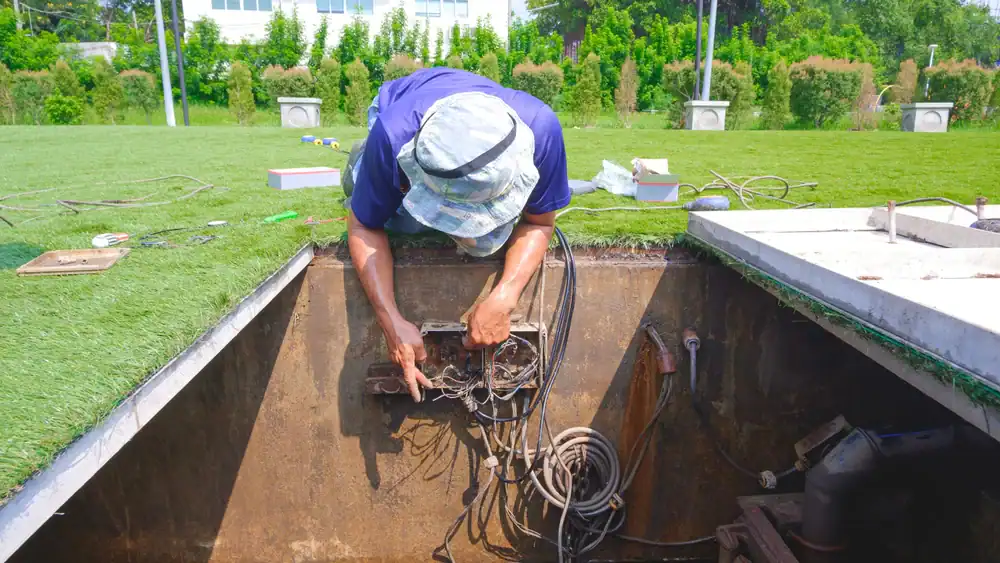
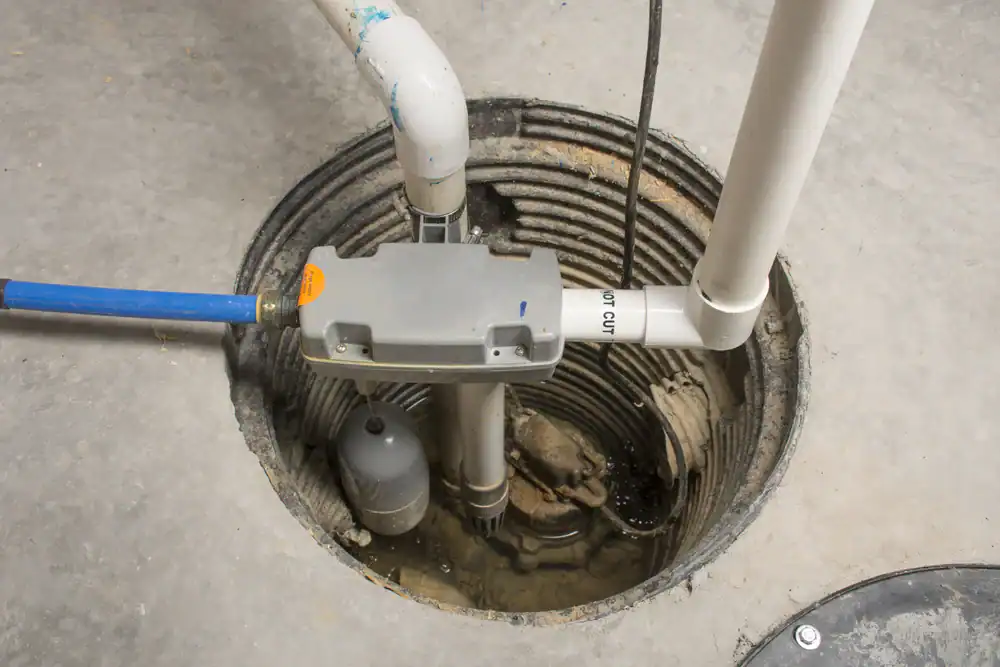
First, we look at your entire system. Not just the pump, but the pit, the discharge line, the float switch, and the backup power situation. Most failures happen because one part of the system isn’t doing its job.
We test the pump under actual working conditions. We check for clogs in the sump pit. We make sure water’s draining away from your foundation, not pooling right back where it started. If your pump’s running constantly, we find out why—could be a stuck float, could be a check valve issue, could be that your pit’s too small for the water volume you’re dealing with.
Then we tell you what’s wrong and what it’ll cost to fix. If you need a full sump pump replacement, we’ll explain why. If it’s a simple repair, we’ll do that instead. If you need sump pump maintenance to prevent this from happening again, we’ll set that up.
Most repairs happen the same day. Sump pump installation takes longer, but we’re not leaving your basement vulnerable while we wait on parts.
Ready to get started?
Every sump pump repair starts with a full system assessment. We’re checking the pump motor, testing the float switch, inspecting the discharge pipe, and cleaning out your sump pit. Clogs cause more failures than people realize.
If you’re in an area of Allen Jay where flooding risk is higher—and plenty of properties here are outside FEMA flood zones but still flood regularly—we’ll talk about backup systems. A battery backup sump pump keeps working when the power goes out. That matters during severe weather when you need it most.
We also handle sump pump installation for new systems or full replacements. That includes sizing the pit correctly, installing the pump at the right depth, and making sure your French drain system (if you have one) is actually feeding into it properly. These systems work together. When one fails, the other can’t compensate.
Allen Jay’s clay-heavy soil doesn’t drain well. Spring thaw and summer storms mean your pump works harder here than it would in other parts of the state. We account for that when we’re installing or repairing your system.

If your pump is over 10 years old and showing problems, replacement usually makes more sense than repair. You’re looking at the end of its lifespan anyway, and a new pump gives you another decade of protection.
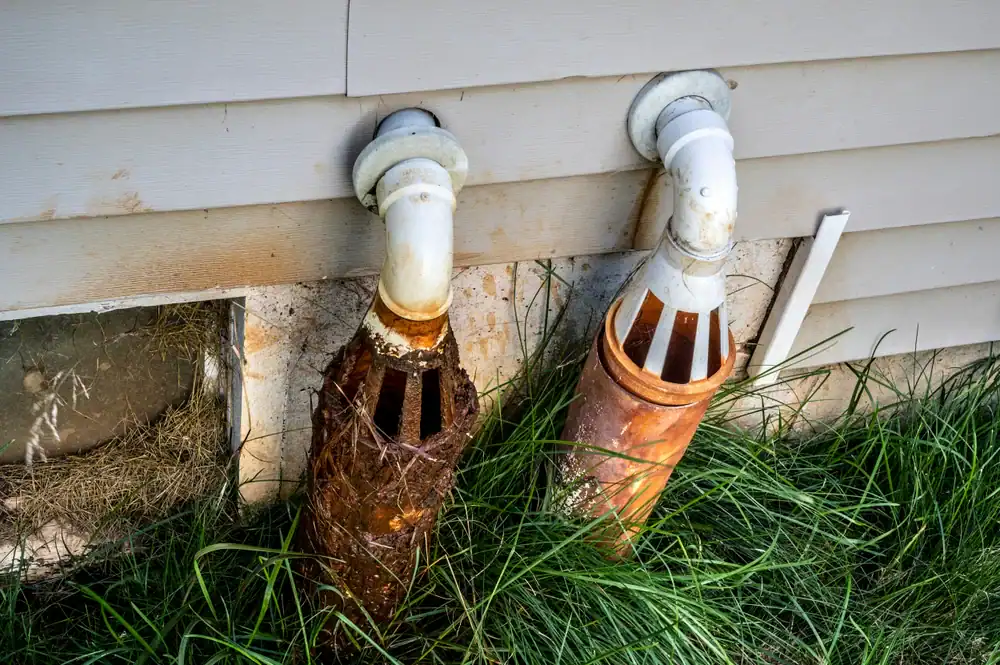
For newer pumps, it depends on what’s failing. A bad float switch or a clogged discharge line? That’s a repair. A burned-out motor or a cracked pump housing? You’re replacing it. Strange noises, constant running, or visible rust are all signs something’s seriously wrong.
The real issue is waiting too long to decide. A pump that’s struggling will fail completely, usually during the next heavy rain. If you’re noticing problems now, get it looked at before you’re dealing with a flooded basement and emergency sump pump repair at premium rates.
Power outages are the biggest culprit. Your pump can’t run without electricity, and storms knock out power right when you need the pump most. That’s why battery backup systems exist.
Beyond power issues, pumps fail because they’re overwhelmed. If your pit is too small or your pump isn’t strong enough for the water volume, it’ll run continuously and burn out. Most pumps aren’t designed to run for more than 22 hours straight.
Clogs are another common problem. Debris gets into the sump pit, jams the float switch, and the pump never turns on. Or the discharge line freezes in winter and the pump can’t push water out. Regular sump pump maintenance catches these issues before they become failures. We’re talking about checking your system twice a year—once before spring thaw, once before storm season.
Simple repairs—replacing a float switch, clearing a clog, fixing a check valve—usually run a few hundred dollars. Full sump pump replacement costs more, typically between $800 and $2,000 depending on the pump type and whether you need a battery backup system.
That sounds like a lot until you compare it to water damage costs. Two inches of water in a 2,500-square-foot home causes about $27,000 in damage to the structure and your belongings. Your pump is cheap insurance against that scenario.
The real cost is waiting. Emergency repairs cost more than scheduled service. A flooded basement costs more than a new pump. And if you’re dealing with mold remediation because water sat too long, you’re looking at thousands more. Get the pump fixed when you first notice problems, not after it’s already failed.
You can install one yourself if you’re comfortable with plumbing and electrical work. But installation errors are one of the top reasons pumps fail early. The pit needs to be the right size and depth. The pump needs to sit at the correct height. The discharge line needs to slope properly and drain far enough from your foundation.
We’ve replaced dozens of DIY installations that failed within a year or two. Usually it’s because the pit was too shallow, the pump was underpowered for the space, or the discharge line was dumping water right back toward the house.
Professional sump pump installation costs more upfront, but you’re getting a system that’s sized correctly for your basement and your soil conditions. In Allen Jay, where clay soil and high water tables create specific challenges, that expertise matters. You’re also getting someone who knows local building codes and can handle the electrical work safely.
Twice a year minimum—once in late winter before spring thaw, and once in early summer before storm season. Those are the times when your pump will work hardest and when failures cause the most damage.
Maintenance means cleaning the sump pit, testing the float switch, checking the discharge line for clogs or damage, and running the pump to make sure it’s working properly. It takes about 30 minutes and catches most problems before they become emergencies.
If your pump runs frequently or if you’ve had basement water issues before, check it more often. And if your pump is over seven years old, pay closer attention. That’s when mechanical problems start showing up. Catching them early means you’re scheduling a repair on your timeline, not dealing with an emergency plumber in the middle of a storm.
A French drain intercepts water before it reaches your foundation. It’s a trench filled with gravel and a perforated pipe that redirects groundwater away from your house. A sump pump removes water that’s already collected in your basement.
They work together. The French drain reduces how much water your sump pump has to handle. The sump pump acts as backup when the French drain can’t keep up with heavy rain or spring melt. Most basements in Allen Jay benefit from both systems, especially if you’re dealing with a high water table or clay soil that doesn’t drain well.
If you only have one or the other, you’re not fully protected. A French drain without a sump pump can get overwhelmed during severe weather. A sump pump without a French drain is working harder than it needs to and will wear out faster. We install and maintain both systems because they’re designed to work as a team.