

Contact Info
- Greensboro, NC 27406
- Call: 336-707-0498
- Text: 336-707-0498
-
Mon - Fri: 8am - 4pm
Sat - Sun: Closed
Contact Info
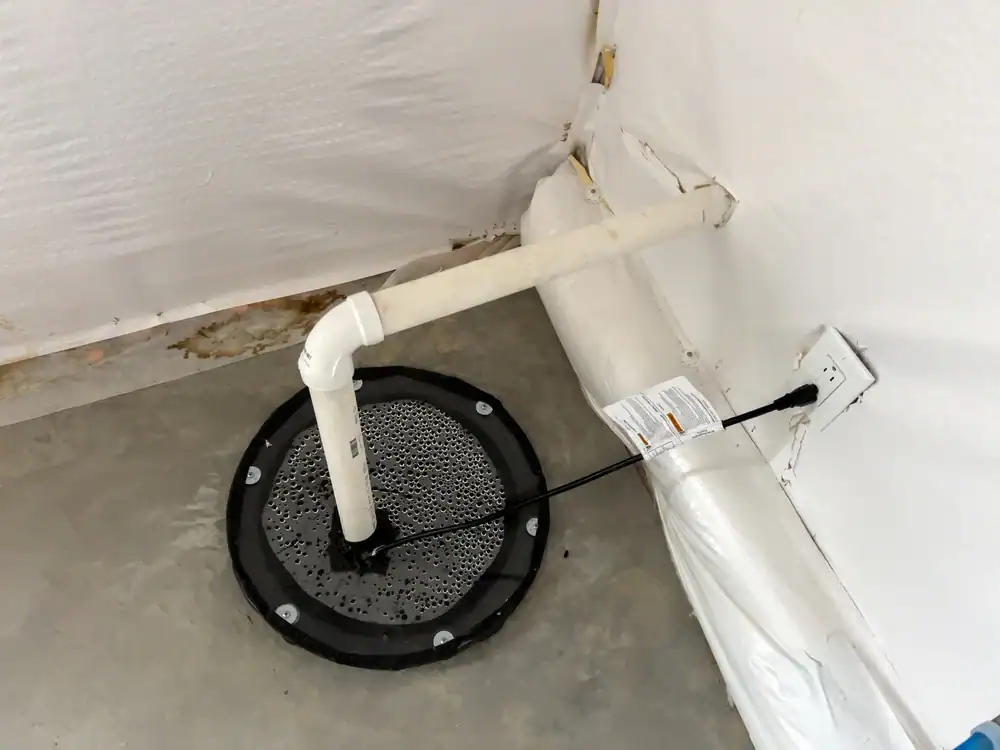
You walk downstairs after a heavy rain and your basement floor is bone dry. No standing water. No musty smell creeping up through the house. No frantic calls to restoration companies at midnight.
That’s what a properly functioning sump pump system gives you. Altamahaw gets 45 inches of rain a year—seven inches more than the national average. Your foundation takes a beating, and when your sump pump fails during a storm, you’re looking at $23,000+ in damage from just two inches of water.
A working system moves water away from your foundation before it becomes a problem. You get peace of mind during storm season, protection from mold growth in your crawl space, and you avoid the nightmare of replacing soaked drywall, ruined belongings, and compromised structural integrity. Most homeowners don’t think about their sump pump until it stops working. By then, the damage is already happening.
We’ve spent over 30 years fixing water problems in homes across the Greensboro and Burlington area, including Altamahaw. We’re not a national franchise that rotates techs every six months. We’re local, owner-operated, and we’ve seen what happens when sump pumps fail during North Carolina’s unpredictable weather patterns.
We know the clay soils around here slow water infiltration and push runoff straight toward your foundation. We know spring snowmelt and summer storms create the exact conditions that overwhelm failing pumps. And we know most homeowners don’t realize their pump is struggling until their basement floods.
Our BBB A+ rating and decades of local experience mean we’ve diagnosed and repaired just about every sump pump issue you can imagine. We’re the team that shows up, figures out what’s actually wrong, and fixes it right the first time.
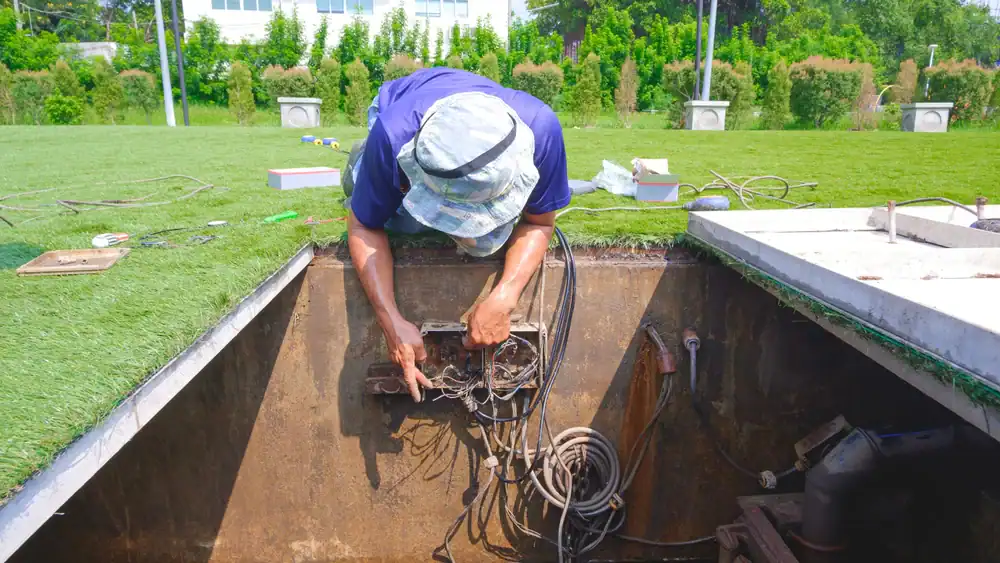
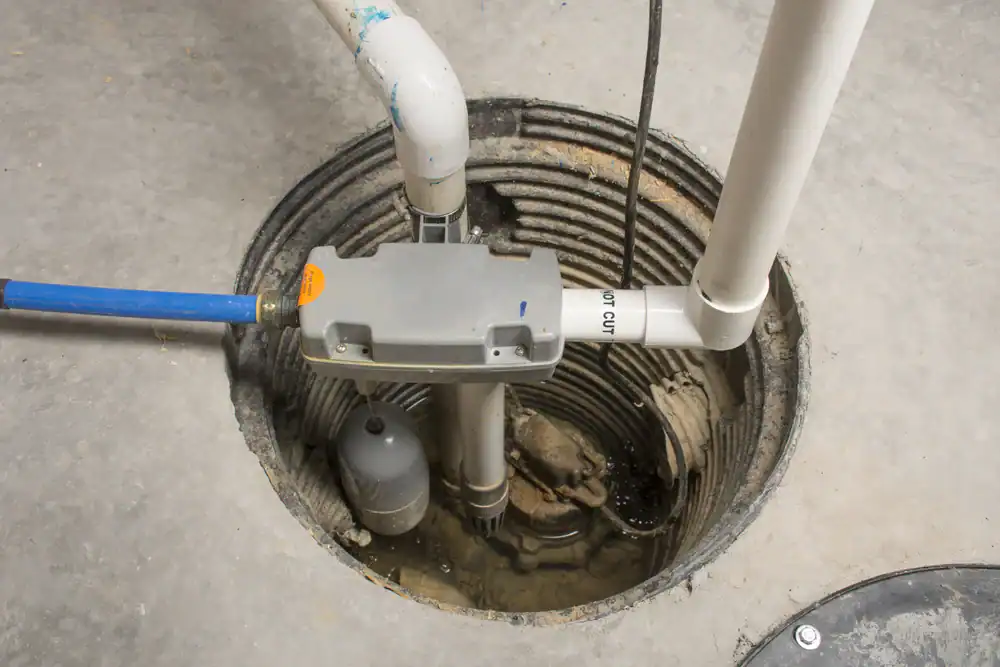
First, we assess your entire system—not just the pump. We check the sump pit for debris, test the float switch, inspect the discharge line, and look for signs of motor failure or electrical issues. Most sump pump problems come from clogs, switch malfunctions, or a worn-out motor that can’t keep up anymore.
Next, we give you a clear diagnosis and a detailed estimate. If your pump is seven to ten years old and the repair costs more than half the price of replacement, we’ll tell you straight up that a new installation makes more sense. If it’s a simple fix—a stuck float switch or a clogged discharge line—we handle it on the spot.
Then we test everything under load to make sure it’s actually working when water enters the pit. We don’t just flip a switch and leave. You get a system that’s ready for the next storm, plus straightforward advice on maintenance so you’re not calling us back in six months with the same problem.
Ready to get started?
You get a full system inspection that covers the pump motor, float switch, check valve, discharge line, and sump pit condition. We clear out any debris or sediment that’s affecting performance. We test the backup power system if you have one, because a sump pump without power during a storm is just an expensive paperweight.
If you need sump pump installation or replacement, we’ll walk you through your options based on your home’s specific needs. Altamahaw’s high rainfall and clay soil conditions mean your system has to handle more water than average. We size the pump correctly, position the discharge line to move water away from your foundation, and make sure the pit itself is set up to handle the volume.
We also offer sump pump maintenance plans that include regular inspections, cleaning, and testing. Most homeowners never think about their sump pump until it fails. A yearly check catches small problems before they become emergency repairs during the worst possible moment—right in the middle of a storm when every plumber in the area is already booked solid.

Most sump pump repairs in Altamahaw run between $300 and $750, with the average homeowner paying around $526. That covers both parts and labor for common issues like float switch replacement, clogged discharge lines, or check valve repairs.
Motor replacement is the most expensive repair because it’s the heart of the system. If your motor fails, you’re looking at $250 to $500 just for that component. At that point, if your pump is older than seven years, replacement often makes more financial sense than repair.
Emergency repairs during active flooding can cost more due to urgency and after-hours service. The real cost comparison is this: a $500 repair versus $23,000+ in water damage to your basement. That’s why catching problems early through regular maintenance saves you money in the long run.
Power outages top the list. When a storm knocks out electricity, your sump pump stops working right when you need it most. That’s why backup power systems or battery-operated pumps matter in areas like Altamahaw that see frequent severe weather.
Float switch problems are next. The switch tells your pump when to turn on, and if it gets stuck or clogged with debris, your pump won’t activate even when water fills the pit. We see this constantly in homes where the sump pit isn’t covered or maintained.
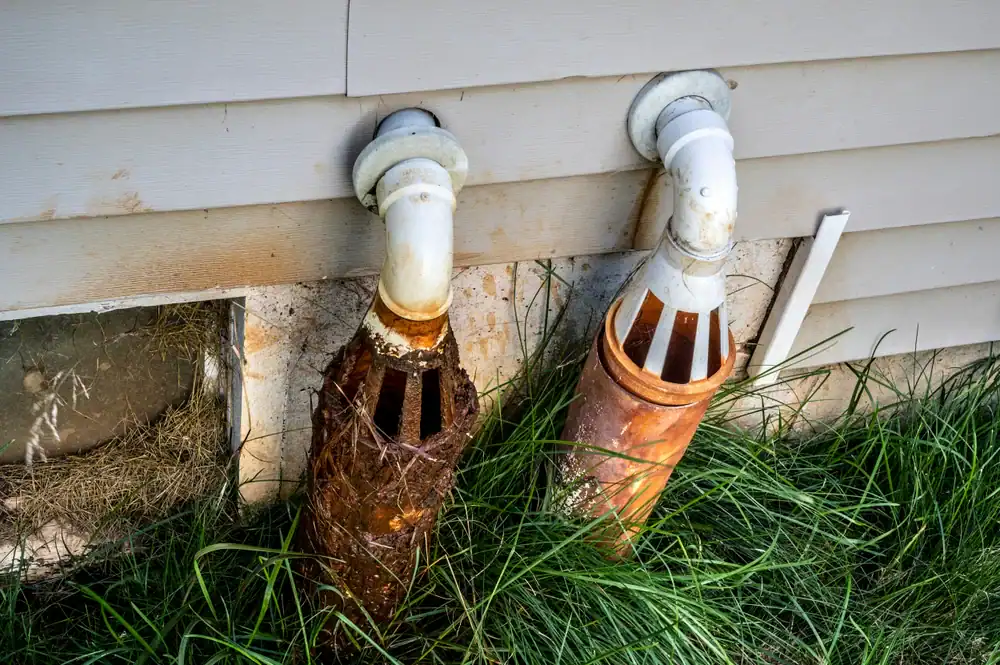
Clogged discharge lines and overwhelmed pumps round out the common failures. If your discharge line freezes in winter or gets blocked by debris, water backs up into your basement. And if your pump is undersized for the amount of water your property generates during heavy rain, it simply can’t keep up. North Carolina’s 45+ inches of annual rainfall means your system has to be sized correctly from the start.
Once a year minimum, ideally before spring when snowmelt and rain create peak demand. Annual maintenance catches problems before they turn into failures during storms. We inspect the motor, test the float switch, clear the pit, check the discharge line, and verify the backup system works.
If your pump runs frequently—meaning your property has high water table issues or poor drainage—you might need service twice a year. Pumps that cycle often wear out faster and accumulate more debris in the pit.
You should also test your pump yourself every few months by pouring water into the pit and making sure it activates and drains properly. Most homeowners never touch their sump pump until it fails. That’s like never checking your car’s oil and wondering why the engine seized. A few minutes of attention twice a year prevent thousands in emergency repairs and water damage.
If your pump is less than seven years old and the repair costs less than half the price of a new unit, repair makes sense. A stuck float switch or clogged line is a simple fix that gives you several more years of reliable service.
If your pump is older than ten years or the motor is failing, replacement is smarter. Sump pumps have an average lifespan of seven to ten years. An aging pump that’s already showing motor problems will likely fail again soon, and you’ll end up paying for multiple repairs when one replacement would have solved it.
Also consider replacement if your current pump is undersized for your property’s needs. Altamahaw’s heavy rainfall and clay soils create conditions where an underpowered pump runs constantly and still can’t keep up. Upgrading to a properly sized system prevents future flooding and extends the life of your equipment because it’s not straining to handle more water than it was designed for.
Yes. When your sump pump fails during a storm and your basement is flooding, you need help immediately—not next Tuesday. We prioritize emergency calls because we know water damage gets exponentially worse with every hour that passes.
Emergency service costs more than scheduled repairs due to after-hours response and the urgency of the situation. But compare that premium to the cost of water damage: FEMA estimates just two inches of water in a 2,500-square-foot home causes over $26,000 in combined property and structural damage.
The best approach is preventative maintenance so you’re not calling for emergency service in the first place. Regular inspections catch failing components before they quit during a storm. But if you’re already dealing with a failure and active flooding, call us. Getting water out of your basement and your pump working again is time-sensitive, and waiting until morning can mean the difference between a repair bill and a renovation project.
Usually not. Most standard homeowners insurance policies exclude flooding caused by groundwater, which includes sump pump failure and water seeping through your foundation. You’d need separate flood insurance, and even then, coverage depends on the specific cause of the failure.
Some policies offer optional water backup coverage that might cover damage from sump pump failures, but it’s not standard. You have to add it specifically, and it comes with limits and deductibles. Read your policy carefully or call your agent to know exactly what’s covered before you assume you’re protected.
That’s why prevention matters so much. If insurance won’t cover the damage, you’re paying out of pocket for everything—water extraction, structural repairs, mold remediation, and replacing damaged belongings. A $500 annual maintenance plan and timely repairs are a lot cheaper than a $25,000 basement restoration that you’re funding entirely yourself because your policy excluded groundwater damage.