

Contact Info
- Greensboro, NC 27406
- Call: 336-707-0498
- Text: 336-707-0498
-
Mon - Fri: 8am - 4pm
Sat - Sun: Closed
Contact Info
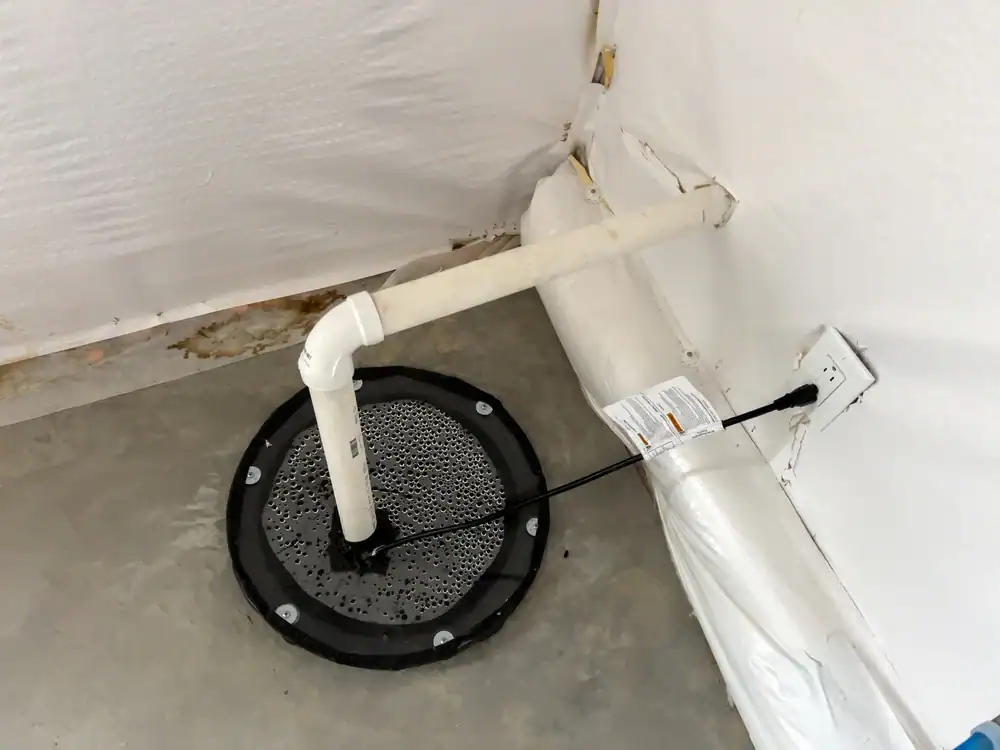
You’re not worried about what might happen during the next heavy rain. Your sump pump works when it needs to, your basement floor stays dry, and you’re not dealing with ruined belongings or expensive repairs.
That’s what happens when your system actually does its job. No standing water after storms. No musty smell creeping up from downstairs. No panic when the forecast calls for three inches of rain overnight.
North Carolina gets hit with humid summers and frequent thunderstorms. In Belews Creek, that means your sump pump isn’t optional—it’s the only thing standing between your foundation and serious water damage. When it stops working, you’re looking at flooded basements, mold growth, and repair bills that can hit $25,000 for just one inch of water. Most homeowners don’t realize their insurance won’t cover groundwater flooding unless they’ve paid extra for flood coverage.
A working sump pump removes water before it becomes a problem. It keeps your crawl space dry, prevents mold from taking hold, and protects the investment you’ve made in your home.
We’ve been serving Belews Creek homeowners for over three decades. We started with air quality and moisture control, and we’ve seen firsthand what happens when water gets where it shouldn’t.
We know the clay soils around here. We know how basements flood during storm season. And we know exactly what it takes to keep your sump pump running when you need it most.
You’re not getting a national chain that doesn’t understand local conditions. You’re getting technicians who’ve worked in hundreds of Belews Creek homes, who show up when they say they will, and who explain what’s wrong in plain language. We take photos, walk you through the problem, and give you a straight answer about what needs to happen next.
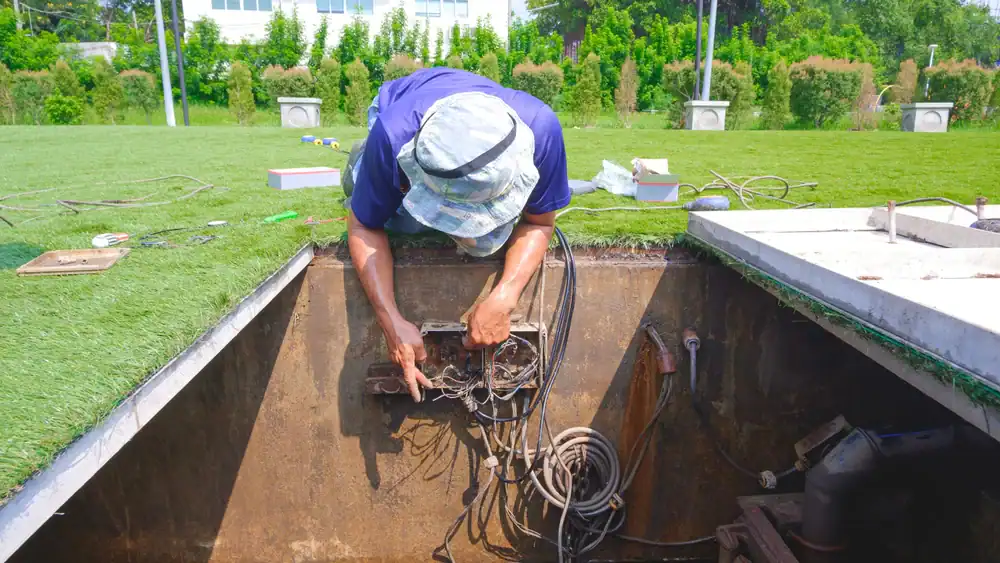
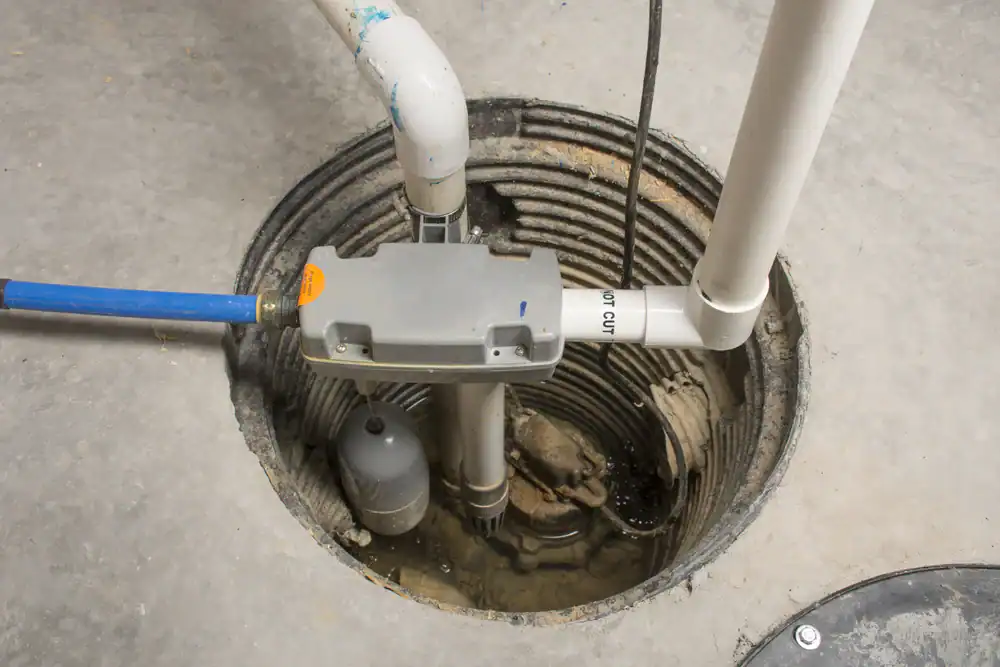
First, we show up and actually look at your system. We’re checking the sump pit for sediment buildup, testing the float switch, inspecting the discharge line, and making sure the check valve works. Most pump failures come down to clogs, switch problems, or valves that aren’t sealing right.
We’ll tell you what’s broken and what it’ll take to fix it. If your pump is short cycling—turning on and off too fast—that’s usually a switch issue or a problem with how it’s positioned in the pit. If water’s backing up, we’re looking at clogs or discharge line problems.
Once you know what needs to happen, we handle the repair or replacement. If you need a new pump, we’ll recommend the right size and type for your home—not the most expensive one, the right one. We install it correctly, test it under load, and make sure it’s actually moving water out and away from your foundation.
You’ll know it works before we leave. And if you need emergency service because your basement’s already taking on water, we move fast.
Ready to get started?
We’re not just swapping parts and calling it done. You’re getting a full assessment of why your pump failed and what’s needed to prevent it from happening again.
That includes sump pit cleaning if sediment and debris are causing problems. It includes checking your backup power setup if you have one, because a pump that can’t run during a power outage isn’t much help during a storm. And it includes making sure your discharge line is actually moving water far enough away from your foundation—not just dumping it right back where it started.
Belews Creek sits in an area where 1 in 67 homes files a water damage claim each year. Your sump pump is your first line of defense, and it only works if it’s maintained correctly. We also handle sump pump installation if your home doesn’t have one yet, or if your current system is undersized for the water you’re dealing with.
If your crawl space is taking on moisture, or if you’re noticing dampness and mold growth downstairs, that’s a sign your water management system isn’t keeping up. We’ll walk you through what’s happening and what it takes to fix it for good.

If your pump is running constantly, making strange noises, or not turning on at all, something’s wrong. Constant running usually means the float switch is stuck or the pump isn’t strong enough for the water volume you’re dealing with. Grinding or rattling noises point to a failing motor or debris in the impeller.
If your pump is more than seven years old and starting to act up, replacement is often smarter than repair. Older pumps fail when you need them most, and repair costs add up fast when you’re chasing multiple issues.
The clearest sign you need help is water in your basement after a storm. If your pump didn’t keep up, it’s either broken, clogged, or not the right size for your home. We’ll test it, figure out what failed, and tell you whether a repair will actually solve the problem or if you’re better off with a new system.
The most common issue is a clogged sump pit. Sediment, dirt, and debris build up over time and either jam the float switch or clog the pump intake. When that happens during a storm, water comes in faster than the pump can handle it—or the pump doesn’t turn on at all.
Check valve failure is another big one. If the valve isn’t sealing, water flows back into the pit after the pump shuts off. The pump has to re-pump the same water over and over, which burns it out fast and leaves you with a flooded basement when it finally quits.
Power outages during storms are also a problem if you don’t have a battery backup. Your pump can’t run without electricity, and that’s usually when you need it most. We see a lot of failures in Belews Creek during heavy thunderstorms because homeowners don’t realize their pump is tied to the same power grid that goes down when lightning hits. A backup system keeps you covered when the power cuts out.
Once a year is the standard recommendation, ideally before storm season hits. We’ll clean out the sump pit, test the float switch, check the discharge line, and make sure the pump is actually moving the volume of water it’s supposed to.
If you’re in an area with a high water table or you get frequent basement moisture, twice a year makes more sense. Belews Creek’s clay soil and seasonal rainfall mean your pump works harder than it would in drier areas, and that means more wear on the system.
You should also test it yourself every few months. Pour a bucket of water into the sump pit and make sure the pump kicks on, moves the water out, and shuts off when the pit’s empty. If it doesn’t, call us before the next storm. Waiting until it fails during a heavy rain means you’re dealing with a flooded basement instead of a simple repair.
Yes. If your basement or crawl space is taking on water and you don’t have a pump, we’ll assess your property and recommend the right setup. That starts with figuring out where water is entering, how much volume you’re dealing with, and where the sump pit needs to go.
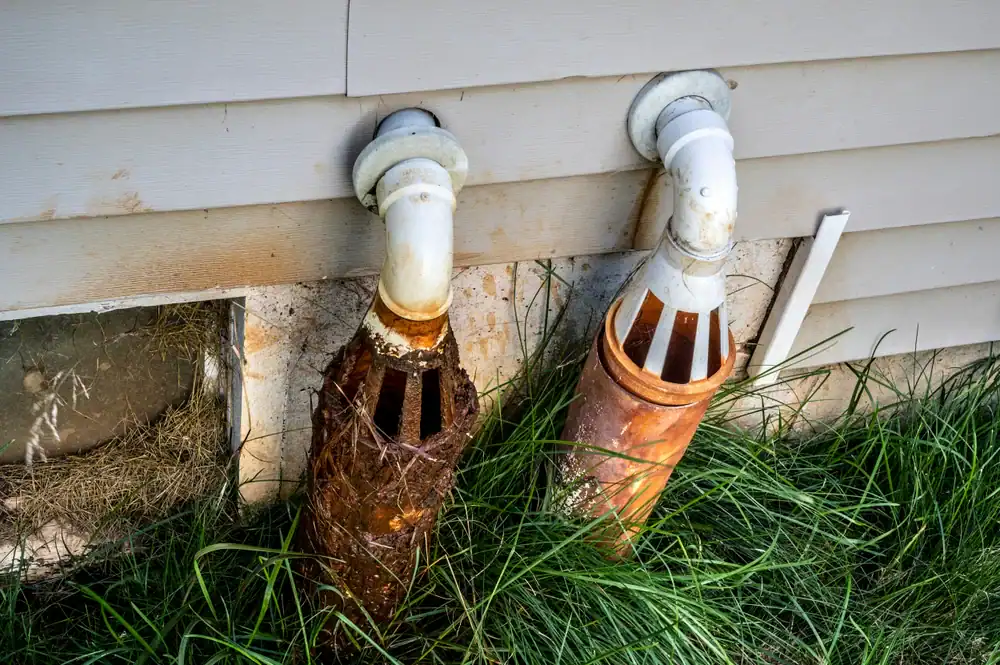
We’ll install the pit, set the pump at the right depth, and run a discharge line that moves water away from your foundation—not just outside the wall where it seeps right back in. Depending on your property, that might mean running the line 10 or 20 feet out, or tying it into a drainage system that moves water downhill.
If your home has a crawl space instead of a basement, we can install a crawl space sump pump to handle groundwater and prevent moisture buildup. A lot of Belews Creek homes deal with damp crawl spaces, and a properly installed pump is the most effective way to keep that space dry and prevent mold growth. We’ll also talk through whether you need a backup pump or a battery system, depending on how often you lose power and how much water you’re managing.
Repair means something’s already broken. Your pump isn’t turning on, it’s not moving water, or it’s running nonstop and not shutting off. We’re diagnosing the failure, replacing the broken part, and getting your system working again.
Maintenance is what you do to prevent that failure in the first place. We’re cleaning the pit, testing the components, and catching small problems before they turn into emergencies. A stuck float switch is easy to fix during a maintenance visit. It’s a much bigger problem when it fails during a storm and your basement floods.
Most homeowners don’t think about their sump pump until it stops working. By then, you’re dealing with water damage, not just a repair bill. Regular maintenance costs a fraction of what you’ll pay to fix a flooded basement, and it keeps your system running when you actually need it. If you’re not sure when your pump was last serviced—or if it’s never been serviced—now’s the time to schedule it.
Yes. If your basement is flooding and your pump isn’t working, call us. We know that sump pump failures don’t wait for business hours, and neither does water damage.
We’ll get there as fast as we can, figure out what’s wrong, and get your pump running again. If the pump is completely shot and can’t be repaired on the spot, we’ll talk through your options for temporary fixes or emergency replacement so you’re not left with a basement full of water.
The faster you call, the less damage you’ll deal with. Two inches of water in a 2,500-square-foot home can cause over $26,000 in damage to your home and belongings, and most of that happens in the first few hours. If your pump has failed and water is coming in, don’t wait to see if it gets worse. It will.