

Contact Info
- Greensboro, NC 27406
- Call: 336-707-0498
- Text: 336-707-0498
-
Mon - Fri: 8am - 4pm
Sat - Sun: Closed
Contact Info
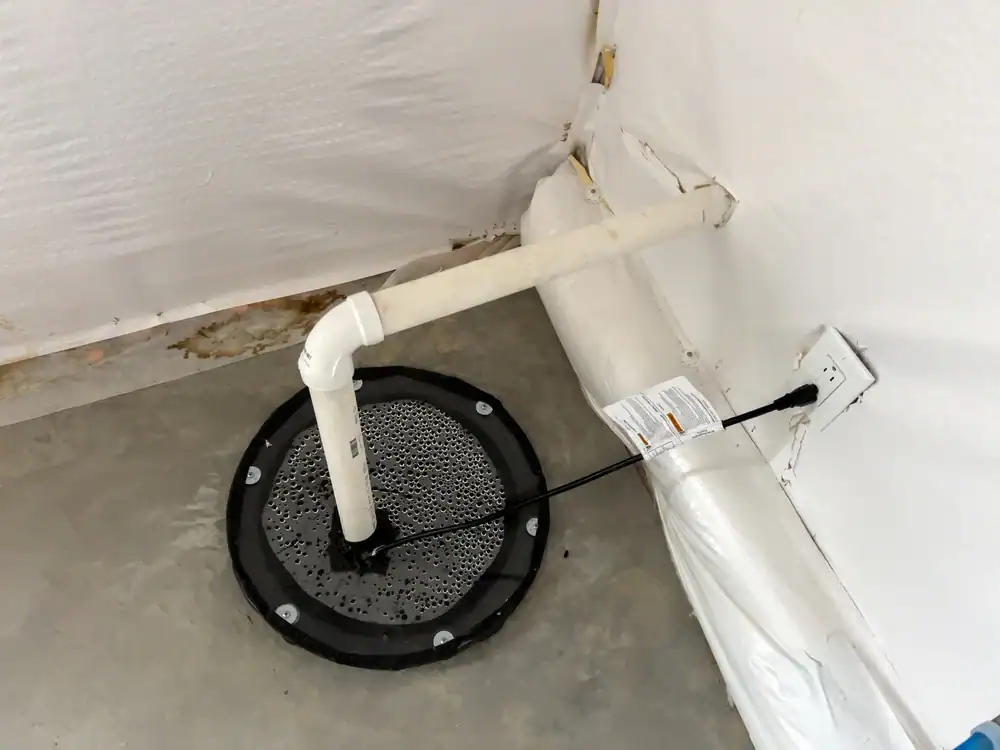
A working sump pump is the only thing standing between your basement and serious flooding. When it fails during a storm, you’re looking at water pouring in, ruined belongings, and repair bills that average over $11,000 according to recent insurance data.
You don’t get a warning. The pump just stops working when you need it most.
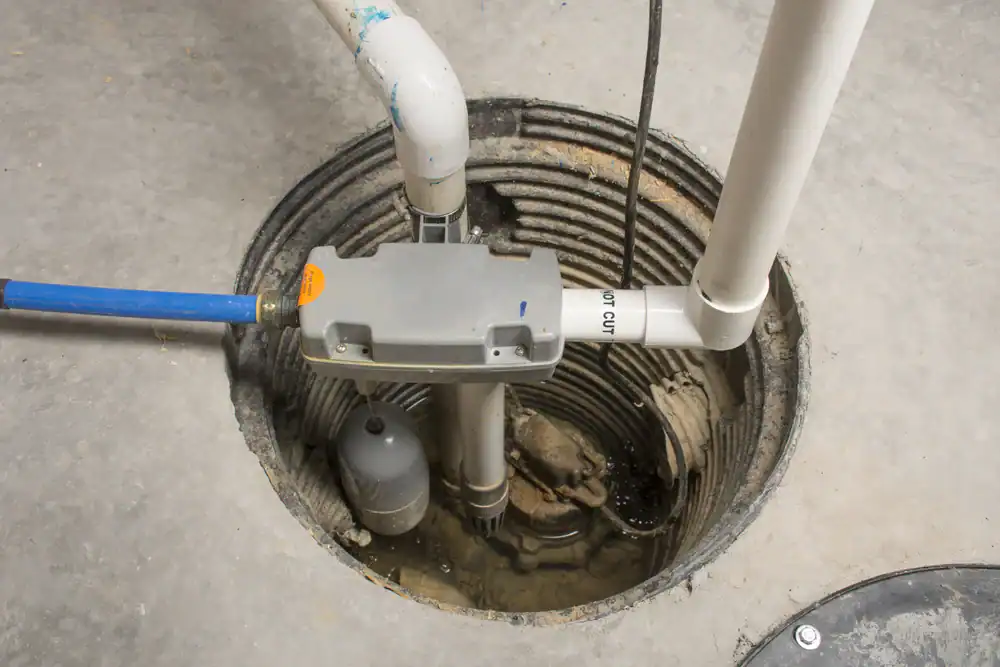
We check the float switch, test the discharge line, inspect the backup battery, and make sure your pump actually kicks on when water rises. If something’s worn out or undersized for your home, we’ll tell you exactly what needs fixing and why. No basement in Brightwood should flood because a $20 part failed or a clogged pit went unnoticed.
The difference between a dry basement and a disaster is whether your sump pump works when it rains. We make sure it does.
We’ve spent over 30 years protecting homes in the Greensboro area from water damage, mold, and air quality problems. We’re BBB A+ rated and NADCA certified, which means our work meets national standards for indoor environmental services.
Brightwood sits in the Blue Ridge Mountains where heavy rains and humid summers put real pressure on your home’s drainage systems. We’ve seen what happens when sump pumps fail here—and we’ve helped hundreds of homeowners avoid it.
Our team includes certified technicians who understand how crawl spaces, basements, and sump systems work together. We don’t just swap out pumps. We look at the whole picture so you’re actually protected.
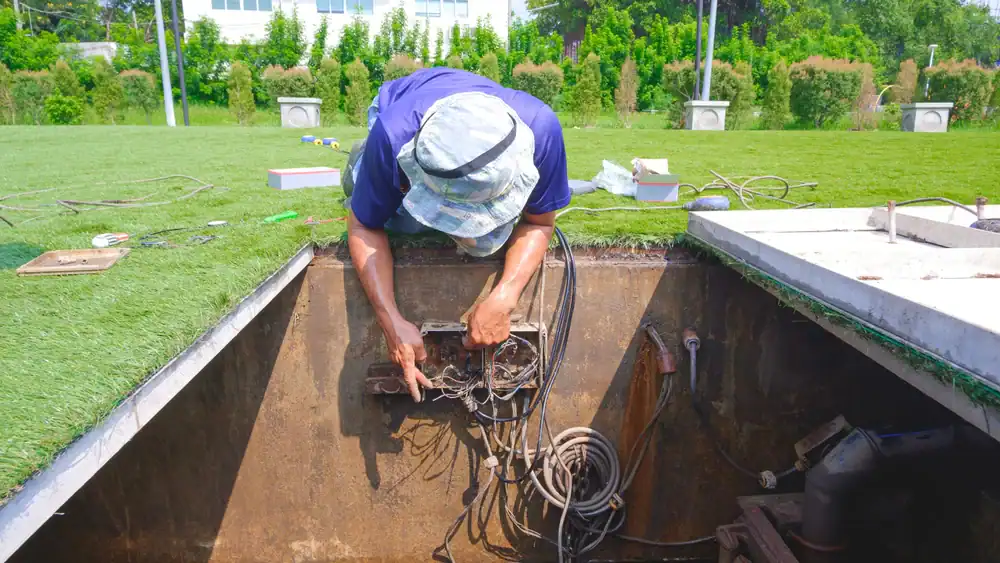
First, we inspect your current system. That means checking the sump pit for debris, testing the float switch, examining the discharge pipe, and running the pump to see if it’s actually moving water. We also look at your backup power setup if you have one.
If we find a problem, we explain what’s wrong in plain terms. Maybe the check valve is stuck. Maybe the pump motor is burning out. Maybe you need a larger capacity unit or a battery backup system. You’ll know what failed, why it matters, and what it costs to fix before we do anything.
Then we make the repair or handle the replacement. We test everything before we leave—running water into the pit, watching the pump cycle, making sure the discharge line isn’t frozen or clogged. You’ll see it work.
If you need a full sump pump installation, we size it correctly for your basement, set the float height right, and make sure the drainage actually directs water away from your foundation. The goal is a system that works every time it rains, not just the day we install it.
Ready to get started?
When we service your sump pump, you’re getting a full system check—not just a quick look. We clean out the sump pit, test all mechanical parts, verify the discharge line is clear, and confirm your pump has enough capacity for your home’s water volume.
North Carolina sees serious storms. Hurricane Florence, Matthew, and Tropical Storm Fred all caused catastrophic flooding in recent years. Brightwood’s location in the mountains means water runoff during heavy rain can overwhelm an undersized or failing pump fast.
We also handle sump pump replacement when repairs don’t make sense anymore. If your pump is over seven years old and starting to struggle, replacement is usually smarter than patching it together. We’ll install a pump that matches your basement size and water table, set up a backup battery system if you want one, and show you how to test it yourself between service visits.
Most homeowners don’t think about their sump pump until it fails. By then, you’re dealing with water instead of preventing it. Regular sump pump maintenance means catching problems during a dry week, not during a storm.

Your pump will usually give you signs before it dies completely. Listen for strange noises—grinding, rattling, or a motor that runs constantly without moving water. Check if the pump cycles on and off repeatedly even when there’s no water coming in. That’s called short cycling and it wears out the motor fast.
Look inside the sump pit. If you see rust, debris, or the float switch stuck in one position, something’s wrong. Pour a bucket of water into the pit and watch what happens. The pump should kick on within seconds and drain the water quickly. If it doesn’t start, starts slowly, or leaves water sitting in the pit, you’ve got a problem.
Also pay attention after heavy rain. If your basement smells musty or you notice dampness on the floor near the sump pit, the pump isn’t keeping up. Don’t wait until you’re standing in water to call someone.
Most standard homeowners policies don’t cover water damage from sump pump failure. You need a separate endorsement called “water backup coverage” to protect against this specific problem. It’s one of the most common add-ons people buy, but plenty of homeowners don’t realize they need it until after their basement floods.
Between 2016 and 2020, the average water damage claim in the U.S. was $11,650. That’s out of pocket if you don’t have the right coverage. Some policies will cover the pump replacement itself under home systems coverage, but not the resulting water damage to your floors, walls, or belongings.
Call your insurance agent and ask specifically about water backup coverage. It’s usually cheap to add—often under $100 per year—and it can save you from paying for thousands in damage yourself. Don’t assume you’re covered just because you have homeowners insurance.
Once a year is the standard recommendation, ideally before storm season hits. Spring is a smart time since that’s when North Carolina sees heavy rainfall and your pump will be working hardest. An annual service catches worn parts, clears out debris, and confirms everything works before you actually need it.
If your area has a high water table or your pump runs frequently, twice a year makes more sense. We’ve seen pumps in Brightwood that cycle dozens of times during a single storm. That kind of use wears components down faster than a pump that only runs occasionally.
Between professional services, test your pump yourself every few months. Pour water into the pit and make sure it activates. Check the discharge pipe outside to confirm water is actually flowing out and away from your foundation. These quick checks take two minutes and can alert you to problems early. If you have a battery backup system, test that separately to make sure it kicks on when the primary pump loses power.
Repair makes sense when a specific part fails but the pump itself is still in decent shape. Common repairs include replacing the float switch, fixing a jammed impeller, clearing a clogged discharge line, or swapping out a check valve. These fixes usually cost a few hundred dollars and can add years to your pump’s life if the motor is still strong.
Replacement is the better call when the motor is failing, the pump is over 10 years old, or you’re dealing with repeat problems. Pumps don’t last forever—most give you seven to ten years depending on how hard they work. If your pump is already old and struggling, spending money on repairs just delays the inevitable.
We’ll tell you honestly which option makes sense for your situation. Sometimes a $150 repair buys you three more years. Sometimes you’re better off spending $500 on a new pump that won’t fail during the next big storm. The wrong choice is ignoring the problem and hoping it holds up. It won’t.
If you lose power during storms, yes. Heavy rain and power outages happen at the same time in North Carolina—wind knocks out lines right when your sump pump needs to be running. A battery backup system keeps your pump working even when the electricity is out, which is exactly when your basement is most likely to flood.
Battery backups aren’t cheap—expect to spend $500 to $1,000 for the system and installation—but they’re a lot cheaper than water damage. Just one inch of water in your basement can cause up to $25,000 in damage according to restoration industry data. Most backup systems will run for several hours on a full charge, long enough to get through typical outages.
If your home is in a low-lying area, has a high water table, or you’ve had basement water problems before, a backup system is worth it. Even if you’ve never flooded, ask yourself what’s stored in your basement and whether you can afford to replace it. For most people, the peace of mind alone justifies the cost.
Power outages are the most common culprit. Your pump runs on electricity, so when the power goes out, it stops pumping—even if water is pouring into the pit. That’s why backup battery systems exist. Storms that cause flooding are often the same storms that knock out power lines.
Mechanical failure happens too, especially if the pump hasn’t been maintained. The float switch can get stuck, the impeller can clog with debris, or the motor can burn out from overuse. Pumps that run constantly during heavy rain are working hard, and parts wear out. If your pump was already struggling before the storm, that’s when it’ll quit completely.
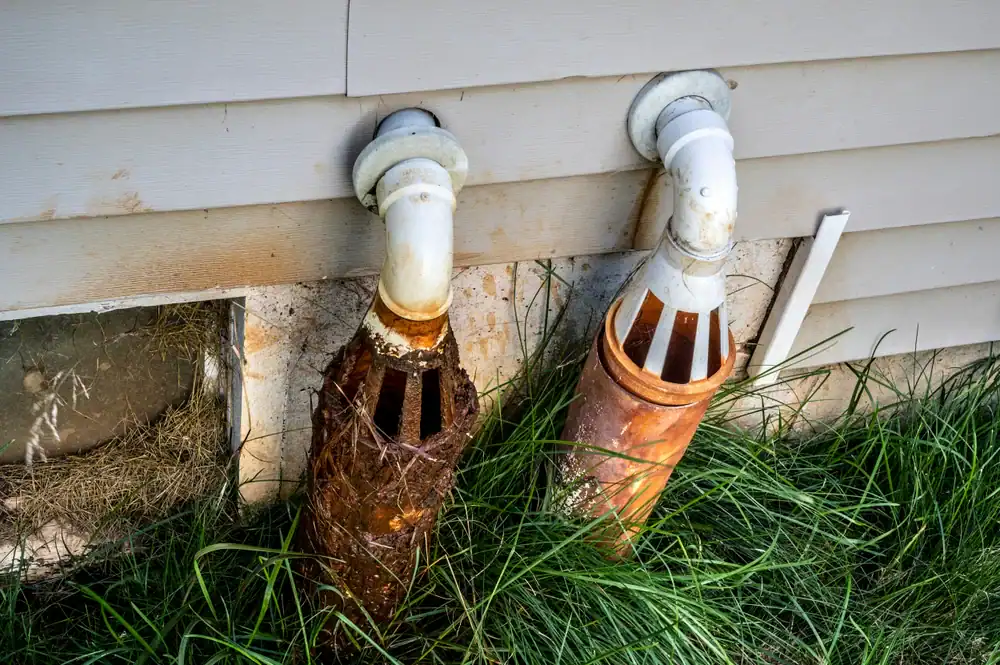
Sometimes the problem isn’t the pump itself—it’s the discharge line. If the pipe freezes in winter, gets clogged with mud or leaves, or wasn’t installed with proper slope, water can’t exit even if the pump is running. We’ve seen pumps burn out because they were fighting a blocked discharge line. Regular maintenance catches these issues before they become emergencies, but most people don’t think about their sump pump until it’s too late.