

Contact Info
- Greensboro, NC 27406
- Call: 336-707-0498
- Text: 336-707-0498
-
Mon - Fri: 8am - 4pm
Sat - Sun: Closed
Contact Info
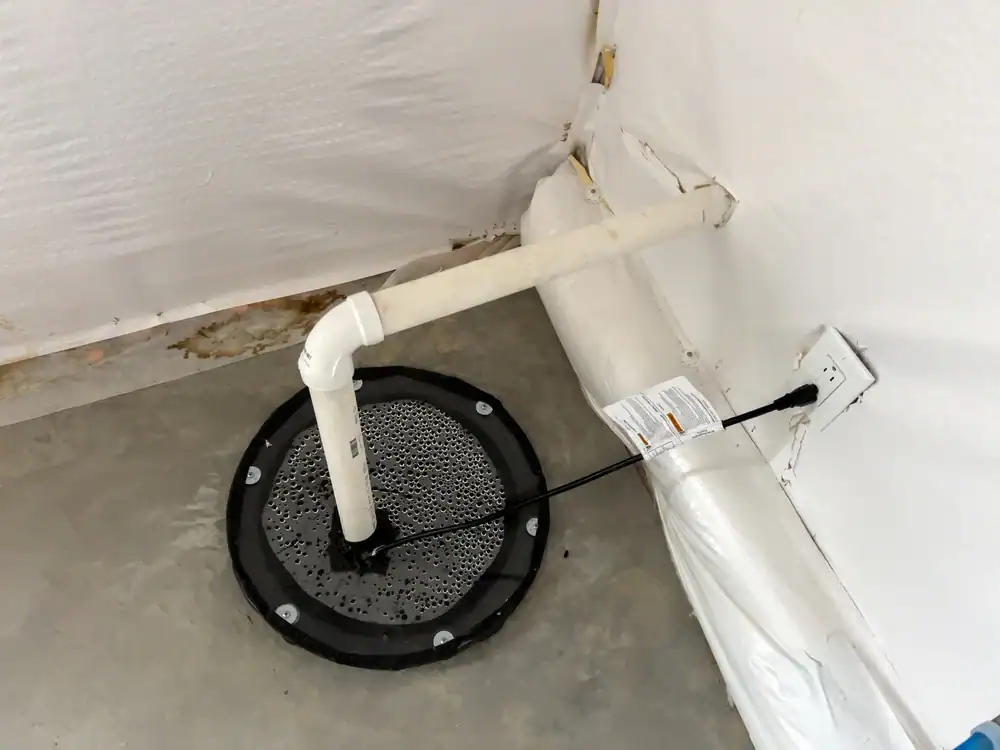
You shouldn’t have to check your basement every time the forecast calls for storms. A working sump pump means you sleep through the rain instead of running downstairs with a flashlight at 2 AM.
When your system’s actually doing its job, water gets pumped out before it becomes a problem. Your foundation stays dry. Your stored belongings don’t get ruined. And you’re not dealing with that musty smell that comes from standing water in your crawl space.
The difference between a maintained sump pump and one that’s been ignored shows up when you need it most. Freeman Mill, NC gets its share of heavy weather, and your home’s water management system either handles it or it doesn’t. There’s not much middle ground when three inches of rain falls in an hour.
We started doing this work in Freeman Mill, NC over 30 years ago. We’ve seen what happens when sump pumps fail during storms, and we’ve helped hundreds of homeowners fix their water management systems before small issues turn into foundation damage.
We’re not just a sump pump company. We handle crawl space moisture control, dehumidification, and air quality issues that often go hand-in-hand with basement water problems. When we inspect your system, we’re looking at the full picture of how water moves around your property.
Most of our customers find us after they’ve already had a flooding incident. Some catch problems early during routine maintenance. Either way, you’re dealing with someone who knows Freeman Mill’s soil conditions, water table issues, and the specific challenges homes face in this area.
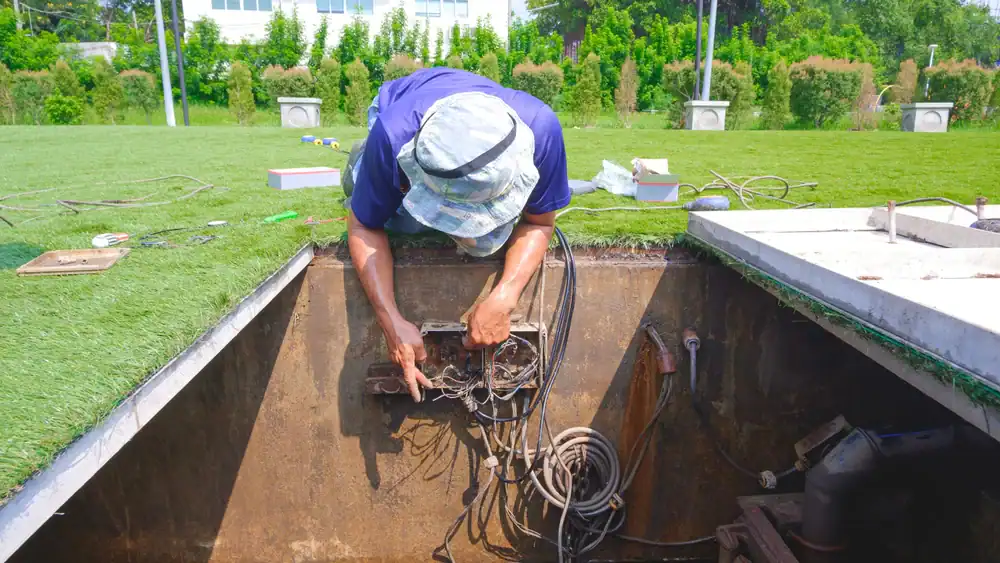
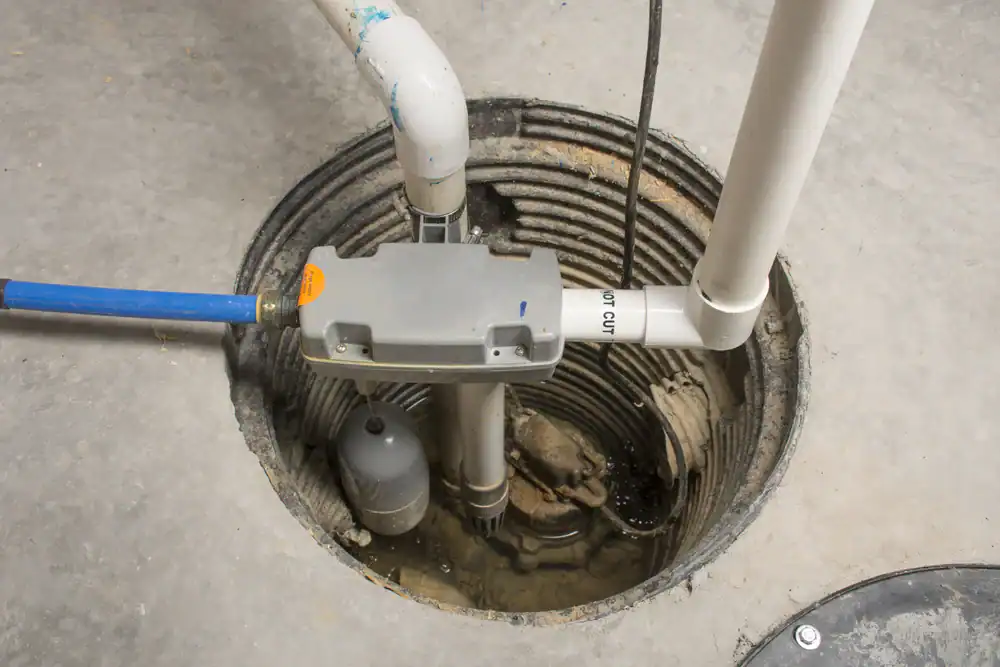
First, we come out and actually look at your setup. That means inspecting your sump pit, checking the pump itself, testing the float switch, and making sure your discharge line isn’t clogged or frozen. We take pictures and show you exactly what’s going on.
If you need sump pump replacement, we’ll explain why and give you options that fit your home’s specific water volume. Not every house needs the same pump capacity. A 2,000 square foot home with minor seepage needs different equipment than a finished basement that sits below the water table.
For repairs, we fix what’s broken and test everything before we leave. That includes running water through the system to make sure it cycles properly. We also check your backup power situation, because a sump pump without battery backup is just waiting to fail during a power outage in the middle of a storm.
After the work’s done, we walk you through basic maintenance you can do yourself between service calls. Cleaning your sump pit and testing your float switch twice a year takes ten minutes and catches most problems before they become emergencies.
Ready to get started?
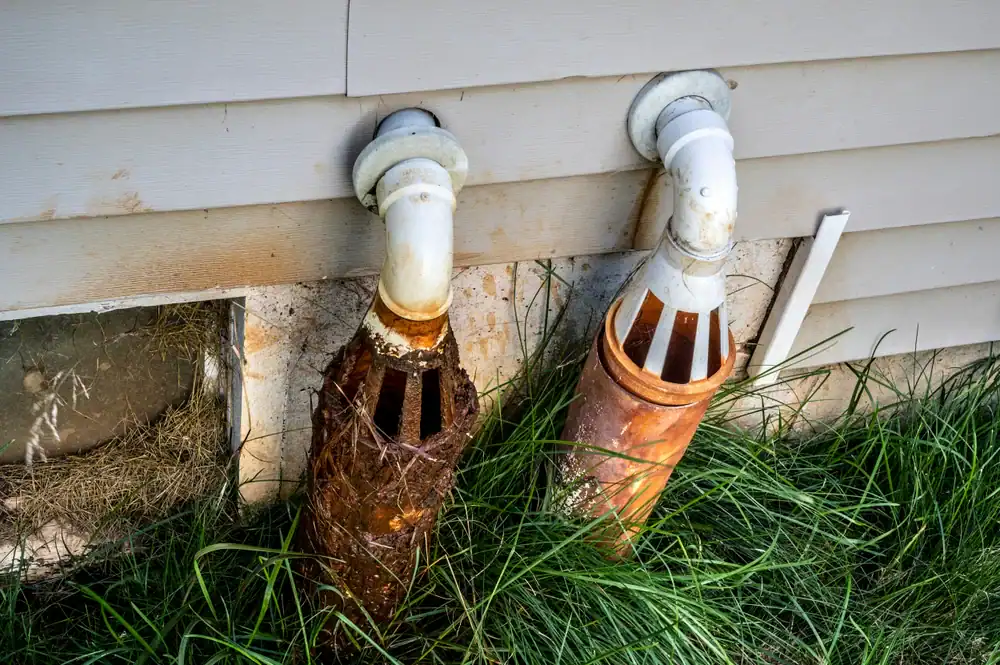
When we handle your sump pump installation or repair in Freeman Mill, NC, you’re getting a full system evaluation. We don’t just swap out a pump and call it done. We’re checking why it failed in the first place and whether your current setup can actually handle the water your property deals with.
Freeman Mill sits in an area where crawl space moisture is common. Many homes here were built with minimal ground water management, which means your sump pump is working harder than it should. We look at whether you need additional drainage solutions, better discharge routing, or a secondary pump for redundancy.
Our service includes sump pit cleaning, which most homeowners don’t think about until their pump starts cycling constantly because debris is triggering the float switch. We also inspect your check valve to make sure water isn’t flowing backward into your pit after the pump shuts off.
You’ll get a clear explanation of what we found, what we fixed, and what you should watch for going forward. No technical jargon. No upselling equipment you don’t need. Just straight information about your home’s water management system and whether it’s actually protecting your foundation.

Your pump needs attention if it’s running constantly, making grinding or rattling noises, or not turning on when water enters the pit. Constant cycling usually means a stuck float switch or a pump that’s undersized for your water volume. Strange noises typically indicate a failing motor or debris caught in the impeller.
If your pump is over seven years old and showing any of these signs, replacement often makes more sense than repair. Older pumps fail without warning, and you don’t want to find out your motor died during the next heavy rain. We can test your current pump’s output and tell you whether it’s worth fixing or if you’re just delaying the inevitable.
Age matters less than performance. A well-maintained five-year-old pump that’s been handling your water volume without issues can keep running. A three-year-old pump that’s been fighting a high water table and poor drainage might already be worn out. We look at your specific situation and give you an honest assessment.
Power outages are the number one reason sump pumps fail during storms. Your pump can’t run without electricity, and severe weather often knocks out power right when rainfall is heaviest. That’s why battery backup systems exist, but most homes in Freeman Mill, NC don’t have them installed.
The second most common failure happens when your pump gets overwhelmed by water volume. If your sump pit fills faster than your pump can discharge water, you’re going to have flooding no matter how well your equipment works. This usually means you need a higher capacity pump or a secondary pump for redundancy.
Debris and sediment cause failures too. When your sump pit fills with mud, gravel, or other material during heavy rain, it can jam your float switch or clog your pump intake. Regular sump pit cleaning prevents this, but most homeowners don’t think about maintenance until after they’ve had a problem. We recommend checking your pit twice a year and cleaning out any accumulated debris before storm season.
Basic repairs like replacing a float switch or cleaning a clogged discharge line typically run a few hundred dollars. More involved repairs, like replacing a failed check valve or fixing electrical connections, cost more depending on what’s actually broken and how accessible your sump pit is.
Full sump pump replacement usually costs between $800 and $2,000 depending on the pump capacity you need and whether we’re also upgrading your pit, adding backup power, or improving your drainage system. Homes with finished basements or difficult access cost more because the work takes longer.
We give you a clear estimate before we start any work. No surprise charges for “unforeseen issues” that we should have caught during the initial inspection. If we find additional problems while we’re repairing your pump, we’ll explain what’s wrong and what it costs to fix before we do anything. You decide what makes sense for your home and your budget.
If your basement floods when the power goes out, yes. Battery backup systems keep your pump running during outages, which is exactly when you need it most. Severe storms that dump heavy rain are the same storms that knock down power lines.
Freeman Mill, NC gets thunderstorms that can leave homes without power for hours or even days. Your sump pump doesn’t care why the electricity is out. It just stops working, and water keeps coming in. A battery backup gives you 8-12 hours of runtime depending on how often your pump cycles, which covers most outage situations.
The cost of a backup system is a lot less than the cost of water damage to your foundation, flooring, and belongings. We’ve seen too many homeowners deal with thousands in damage because they skipped the $500-800 backup installation. It’s not required, but it’s the difference between sleeping through a storm and waking up to a flooded basement because the power went out at 3 AM.
You should test your sump pump yourself every three months by pouring water into the pit until the float switch activates. This takes five minutes and tells you whether your pump actually turns on. If it doesn’t, you’ve got time to fix it before the next storm instead of discovering the problem when your basement’s already flooding.
Professional inspection and maintenance should happen once a year, ideally before spring when Freeman Mill typically sees the heaviest rainfall. We’ll clean your sump pit, test your pump’s output, check your discharge line for clogs or freeze damage, inspect your check valve, and make sure your backup power system is working if you have one.
Between professional visits, keep an eye on how often your pump runs during rain. If it’s cycling more frequently than usual, that could mean your water table is rising, your drainage is getting worse, or your pump is starting to fail. Don’t wait until it quits completely. Early intervention on sump pump problems is always cheaper than emergency repairs during a storm.
Yes. If your basement or crawl space floods and you don’t have a sump pump system, we can install one from scratch. That means cutting a sump pit into your basement floor, installing the pump and discharge piping, and routing the water away from your foundation.
New sump pump installation takes longer than replacement because we’re building the entire system. We need to determine the right location for your pit based on where water enters your basement, calculate the pump capacity you need based on your home’s size and water volume, and plan a discharge route that actually moves water away from your house instead of just dumping it next to your foundation where it seeps right back in.
Many Freeman Mill, NC homes were built without sump pumps because builders didn’t anticipate water problems or tried to save money during construction. If you’re dealing with regular basement moisture, foundation seepage, or crawl space flooding, installing a proper sump pump system solves the problem permanently. We’ll assess your property and tell you whether a sump pump is the right solution or if you need additional drainage work to manage your water issues.