

Contact Info
- Greensboro, NC 27406
- Call: 336-707-0498
- Text: 336-707-0498
-
Mon - Fri: 8am - 4pm
Sat - Sun: Closed
Contact Info
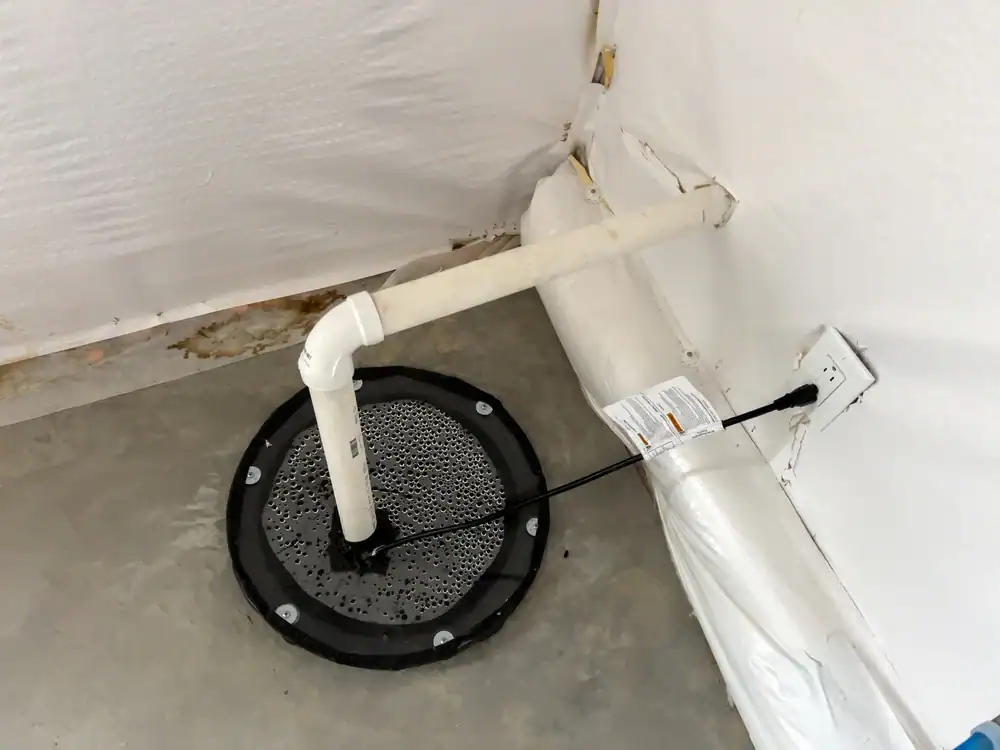
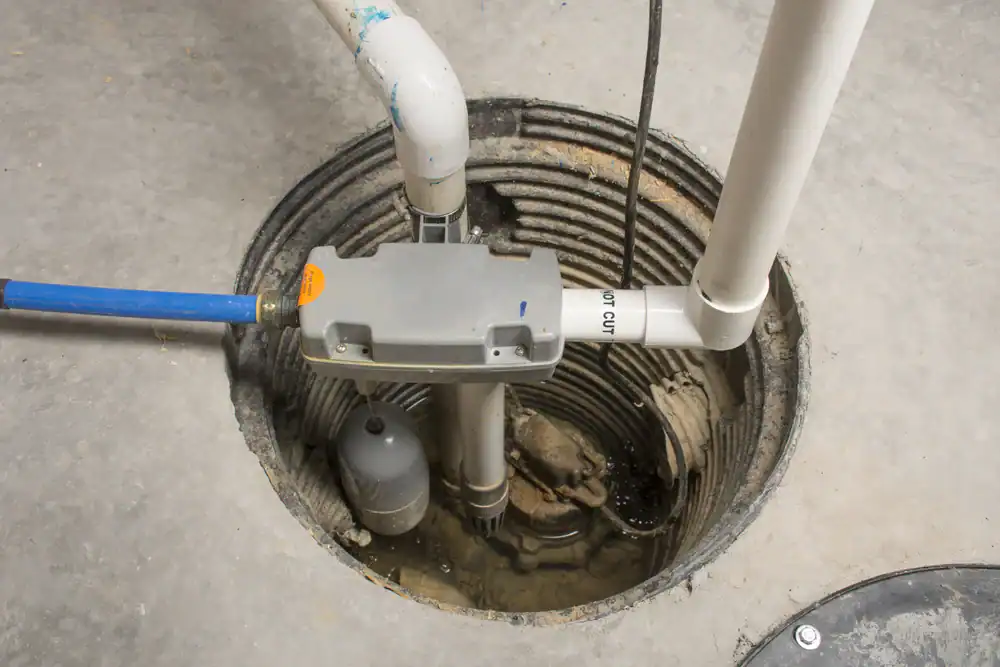
You’re not thinking about your basement during a storm. You’re not checking the sump pit every time rain hits. You’re definitely not dealing with an inch of water that just cost you $25,000 in damage.
A working sump pump means your foundation stays protected, your belongings stay safe, and mold never gets a chance to start growing in your crawl space. That’s what matters when Gibsonville gets hit with heavy spring rains or when storms knock out power and your backup system kicks in.
The difference between a functioning system and a failed one isn’t subtle. One keeps your home dry. The other turns your weekend into an emergency cleanup situation with restoration crews, insurance claims, and everything stored in your basement now sitting in contaminated water.
We’ve spent over three decades figuring out how water moves through Gibsonville properties. We’ve seen what happens when sump pumps fail during the worst possible moments, and we’ve installed systems that handle everything this area throws at them.
Gibsonville sits in a region that gets 45 inches of rain annually—seven inches more than the national average. Your property deals with constantly high humidity, crawl space moisture, and drainage challenges that most other areas don’t face. We know these conditions because we work in them every day.
Our team doesn’t just show up and swap parts. We assess your entire water management situation, explain what’s actually happening, and fix it correctly the first time. No upselling. No runaround. Just straightforward service from people who’ve been handling local flooding issues longer than most companies have existed.
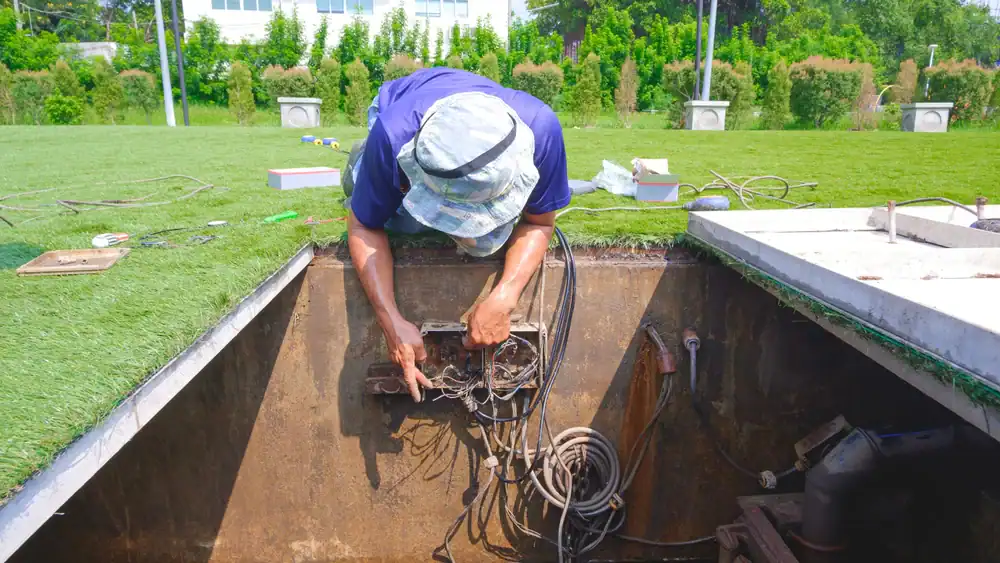
First, we show up—usually within an hour if it’s an emergency. No extra fees for urgent calls, because we know pump failures don’t wait for business hours.
We diagnose the actual problem. Could be a stuck float switch, a burned-out motor, a clogged discharge line, or a failed check valve. Sometimes it’s the pump. Sometimes it’s everything around the pump that’s causing the issue. We check the sump pit for debris, test the backup system if you have one, and inspect your drainage setup to see if water’s even reaching the pit correctly.
Then we explain what we found in plain terms. You’ll know what failed, why it failed, and what it takes to fix it. If you need a full sump pump replacement, we’ll walk through options that actually fit your situation—not just the most expensive unit we carry.
Repairs happen fast. Installations are scheduled based on your timeline. Either way, we test everything before we leave, and you’ll know exactly how your system works and what to watch for going forward.
Ready to get started?
You get a complete system evaluation, not just a quick fix on whatever’s obviously broken. We’re checking your sump pit for sediment buildup, testing the float mechanism, inspecting discharge pipes for freeze damage or clogs, and making sure your pump is actually sized correctly for your basement.
If you’re in Gibsonville’s older neighborhoods where homes were built before modern drainage codes, we’re also looking at whether your current setup even makes sense anymore. A lot of properties around here have pumps that were undersized from day one or discharge lines that dump water right back toward the foundation.
Our sump pump maintenance service includes cleaning the sump pit, testing the backup battery system, checking the check valve, and running the pump through a full cycle. Most homeowners never do this, which is why 90% of people don’t realize their pump’s failing until it’s too late.
For installations, we’re bringing in quality equipment—Zoeller pumps that have proven themselves reliable for over 20 years. We’re setting up proper discharge routing, installing battery backup systems if you need them, and making sure everything integrates with your existing French drain system if you have one. This isn’t a one-size-fits-all situation. Gibsonville properties have different water tables, different soil compositions, and different drainage challenges depending on where you’re located.

If your pump is running constantly, making grinding or rattling noises, or cycling on and off without actually moving water, something’s wrong. These are the obvious signs most people notice first.
Less obvious problems show up as rust in the sump pit, water that drains slower than it used to, or a pump that works fine until you actually need it during heavy rain. The average sump pump lasts about 10 years, so if yours is approaching that age and showing any performance issues, replacement usually makes more sense than repair.
Here’s the reality: a repair might cost $200-400, but if your pump is seven or eight years old and already failing, you’re likely looking at another failure within a year or two. A new installation runs more upfront but gives you a decade of reliable protection. We’ll be straight with you about which option actually makes sense for your situation and your timeline.
Water starts accumulating in your basement or crawl space immediately. Depending on how fast groundwater is entering your sump pit, you could see flooding within 30 minutes to a few hours.
This is why we offer 24/7 emergency sump pump repair with no additional fees. When you call during a storm, we’re getting someone to your property as fast as safely possible—usually within an hour. We’ve handled enough of these situations to know that every minute counts when water’s rising.
If you’re dealing with an active failure right now, your first move is to check if you have a backup pump or battery system that might kick in. If not, you can try manually removing water with a shop vac or portable pump while waiting for professional help, but don’t go into standing water if there’s any chance of electrical hazards. The best prevention is having a battery backup system installed before the emergency happens. Most Gibsonville homeowners don’t think about this until they’ve already dealt with one failure during a power outage.
A straightforward sump pump replacement typically runs $800-1,500 depending on the pump quality and any additional components needed. If you’re adding a battery backup system, expect another $500-1,000 on top of that.
Full new installations where we’re creating the sump pit, running discharge lines, and setting up the entire system from scratch cost more—usually $2,000-4,000 depending on your property’s specific challenges and how far we need to route the discharge.
These numbers assume normal installation conditions. If your basement has accessibility issues, if we’re working in a tight crawl space, or if your property needs additional drainage work to direct water to the sump pit effectively, costs adjust accordingly. We provide free estimates so you know exactly what you’re looking at before any work starts. And here’s something worth considering: that investment protects you against flood damage that FEMA estimates at $25,000 for just one inch of water. The math makes sense when you’re looking at actual risk versus actual protection.
If you lose power during storms—which happens frequently in Gibsonville during severe weather—your primary sump pump stops working exactly when you need it most. A battery backup system keeps running even when the power’s out.
Most basement flooding happens during heavy storms that knock out electricity. Your sump pump could be brand new and perfectly functional, but it’s useless if it has no power. A backup system solves this problem by automatically taking over when it detects power loss or primary pump failure.
The question really comes down to risk tolerance. If flooding your basement would mean significant damage to finished space, HVAC equipment, stored belongings, or anything else you can’t easily replace, a backup system is cheap insurance. If you’re in a high water table area or you’ve had water issues before, it’s not really optional. We install these on about 60% of our sump pump jobs in Gibsonville because homeowners have learned the hard way that storms don’t care about your primary pump’s reliability.
Annual sump pump maintenance is the standard recommendation, ideally before spring when Gibsonville sees the heaviest rainfall. That’s when your pump works hardest and when failures are most likely to happen.
During a maintenance visit, we’re cleaning out the sump pit, testing the float switch, checking the check valve, inspecting discharge lines for clogs or damage, and running the pump through several cycles to verify it’s working properly. We’re also testing your backup battery if you have one, because those batteries lose capacity over time and need replacement every 3-5 years.
Most homeowners never touch their sump pump until it fails. Only about 20% perform any kind of regular maintenance, and 90% think they can detect problems on their own—which usually means they notice issues after water’s already in the basement. An annual checkup costs a fraction of what you’d spend on emergency repairs or water damage restoration. It’s the difference between planned maintenance on your schedule versus an emergency call at 2 AM during a thunderstorm.
Yes. If your basement or crawl space has water problems and no existing sump pump system, we can install one from scratch. This involves creating the sump pit, installing the pump and discharge system, and routing everything to move water away from your foundation.
New installations take more work than replacements because we’re establishing the entire system. We need to determine the best location for the sump pit based on where water naturally collects, how your property drains, and where we can effectively discharge water without creating new problems. In Gibsonville, that often means coordinating with existing French drain systems or creating new drainage solutions that work together.
The process usually takes a full day depending on your property’s specifics. We’re cutting into your basement floor to create the pit, installing the pump and backup system, running discharge pipes to a safe exit point, and testing everything thoroughly. It’s not a small job, but it’s often the only real solution for properties with chronic water problems. Many Gibsonville homes were built before sump pumps were standard, and adding one now can solve flooding issues that homeowners have been fighting for years with inferior solutions.