

Contact Info
- Greensboro, NC 27406
- Call: 336-707-0498
- Text: 336-707-0498
-
Mon - Fri: 8am - 4pm
Sat - Sun: Closed
Contact Info
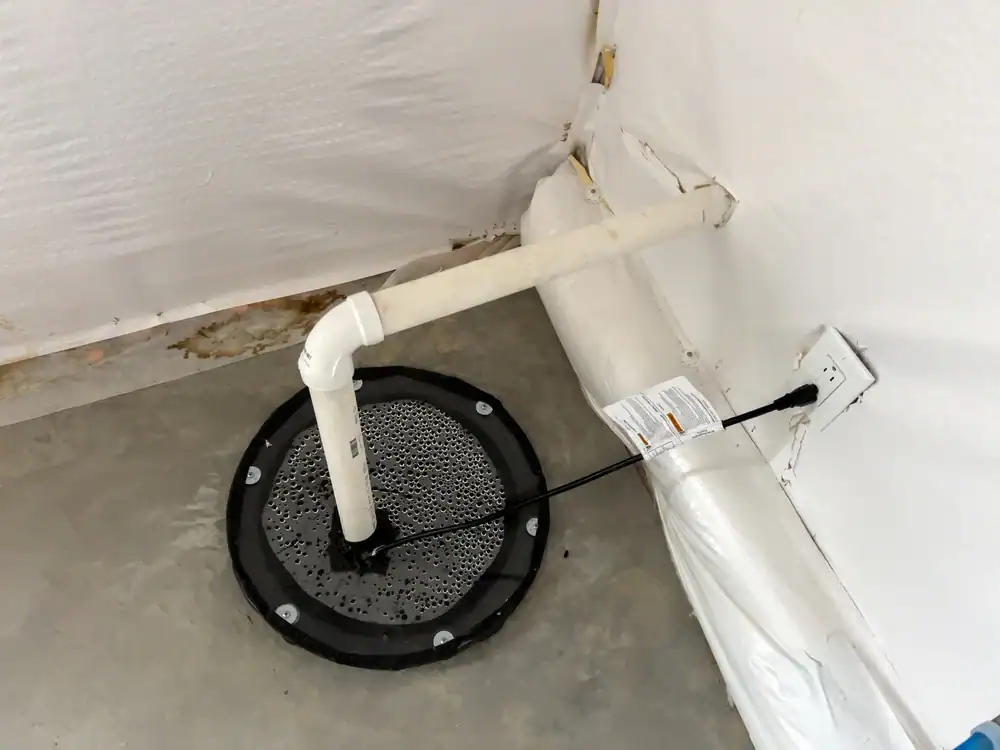
A working sump pump means you sleep through thunderstorms instead of checking your basement every hour. You’re not bailing water at 2 AM or tearing out soaked drywall.
Your foundation stays protected. Mold doesn’t get a chance to grow. Your finished basement, stored belongings, and everything you’ve invested in your home stays safe.
Greensboro’s rainfall is only increasing—climate projections show we’re heading toward 47+ inches annually. Your sump pump isn’t optional equipment. It’s the difference between a dry basement and thousands in water damage. When it’s working right, you don’t think about it. When it fails, you can’t think about anything else.
Clean Air LLC has been protecting Greensboro homes from moisture problems for years. We’re NADCA certified, BBB accredited, and we built our reputation on crawl space encapsulation and water control—so sump pump repair fits exactly what we already do best.
Rick Watson and our team know how North Carolina weather hits basements hard. We’ve seen what happens when pumps fail during our heavy spring rains. We’ve cleaned up the mold that follows.
You’re hiring people who understand moisture control from the ground up. We’re not just swapping parts—we’re making sure water stays out of your home for good.
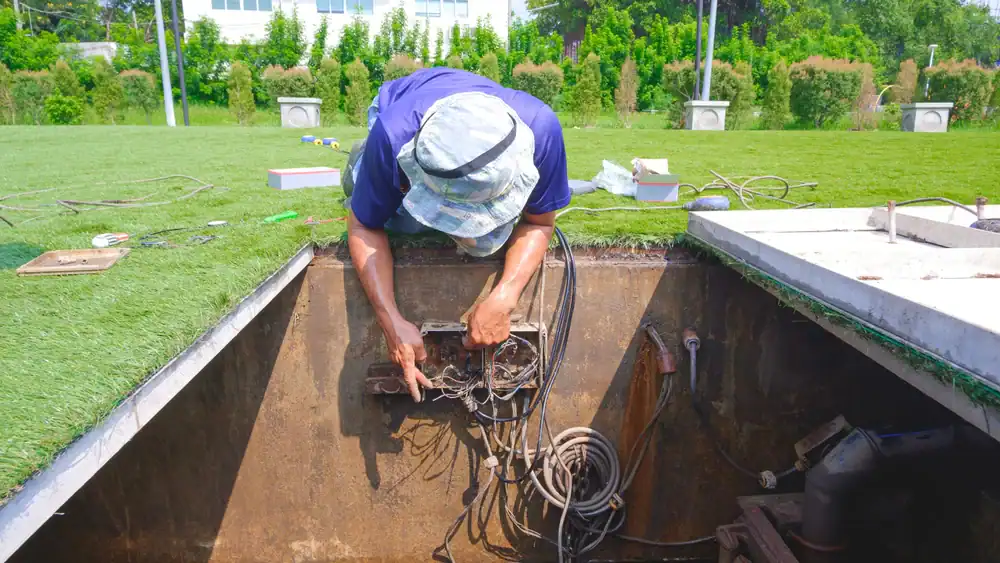
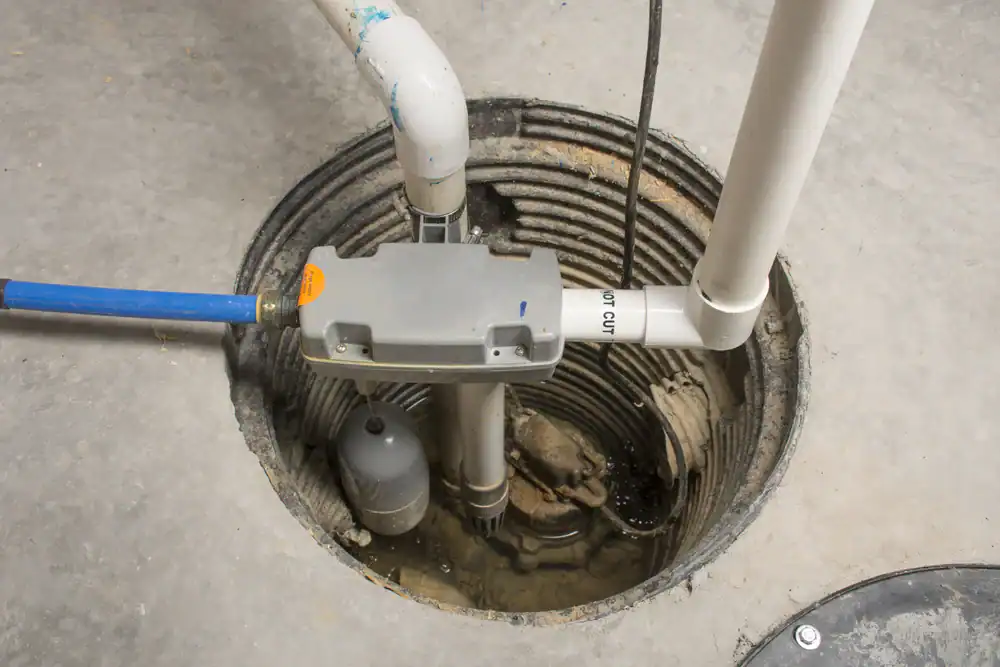
First, we inspect your entire sump pump system—not just the pump itself. We check the pit, the discharge line, the float switch, and the backup power if you have it. Most failures happen because one part of the system isn’t doing its job.
Then we diagnose the actual problem. Sometimes it’s a stuck float. Sometimes the pump motor burned out. Sometimes the discharge line froze or got clogged. We tell you what’s wrong in plain terms and what it’ll take to fix it.
If it’s repairable, we fix it on the spot when possible. If the pump is past its lifespan—most last about 10 years—we recommend sump pump replacement with quality equipment that can handle Greensboro’s rainfall. We install it correctly, test it under load, and make sure your backup systems work if you have them. You’ll know it’s done right before we leave.
Ready to get started?
Sump pump maintenance is something most homeowners skip until there’s a problem. We check your system annually so small issues don’t become emergencies. That means cleaning your sump pit, testing the float and switch, inspecting discharge lines, and making sure your pump can handle the volume it needs to move.
Greensboro’s flood risk is real—about 7% of buildings face high flood risk, with a 43% chance of significant flooding over 30 years. Your sump pump is your first line of defense. If you don’t have one, sump pump installation is worth every dollar when you consider what basement flooding costs.
We also handle emergency plumber calls when your pump fails during a storm. Those don’t wait for business hours. Water doesn’t care if it’s Sunday night—and neither do we. You need someone who picks up the phone and shows up ready to stop the flooding.

If your pump is making strange noises, running constantly, or not kicking on when water enters the pit, something’s wrong. Loud grinding or rattling usually means the motor is failing. If it cycles on and off every few minutes, the float switch might be stuck or the pump is undersized for your water volume.
Age matters too. Sump pumps last around 10 years on average. If yours is older and starting to act up, sump pump replacement is usually smarter than dumping money into repairs. A new pump costs a few hundred dollars. A flooded basement costs thousands.
Bring us out for an inspection if you’re not sure. We’ll tell you honestly whether a repair makes sense or if you’re better off with a new unit. There’s no point fixing a pump that’s going to fail again in six months.
The most common issue is the pump can’t keep up with water volume. Greensboro’s heavy spring storms dump water faster than a single pump can move it, especially if your pump is older or underpowered. That’s why some homes need a backup sump pump or a larger primary unit.
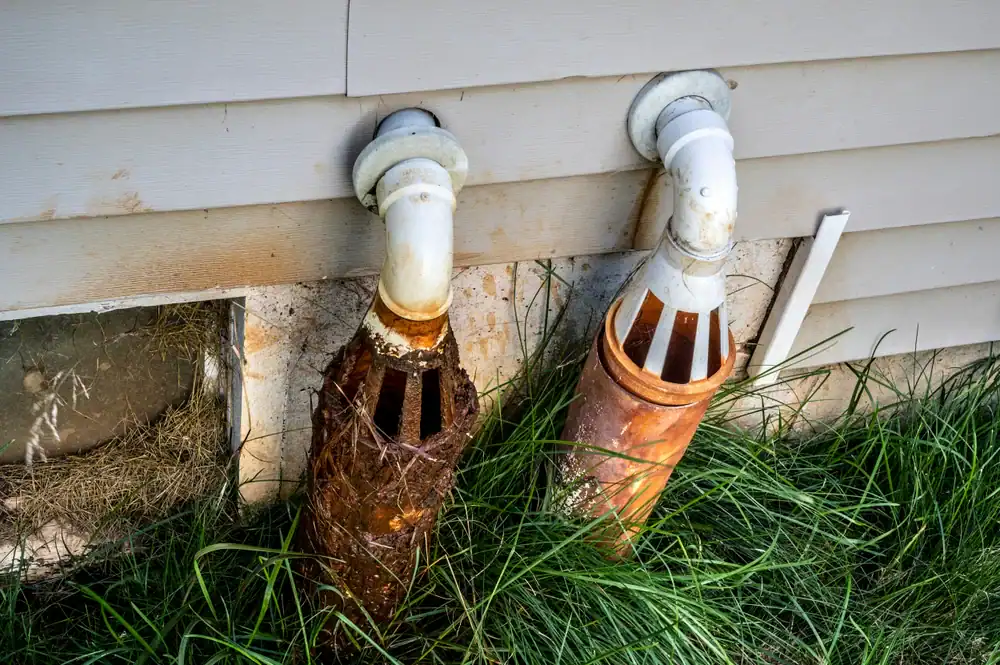
Clogged discharge lines are another big one. If the line freezes in winter or gets blocked by debris, water has nowhere to go. The pump runs but your pit fills up anyway. Power outages during storms kill pumps too—if you lose electricity, your pump stops working right when you need it most.
Float switches fail over time. They get stuck or corroded, so the pump doesn’t turn on even when water’s rising. Regular sump pump maintenance catches these problems before a storm tests your system. We clean pits, check floats, and test everything under real conditions so you’re not finding out it doesn’t work when your basement’s already flooding.
You can, but most DIY installations we see have problems. The pump might be positioned wrong in the pit, the discharge line might drain back toward the foundation, or the float has no room to move. Small mistakes mean the system doesn’t work when you need it.
Sump pump installation isn’t just dropping a pump in a hole. You need the pit dug to the right depth, proper gravel base, a check valve on the discharge line, and the outlet positioned so water drains away from your house. If any of that’s wrong, you’re either going to flood or you’ll burn out your pump early.
We’ve fixed plenty of DIY jobs where the homeowner spent money twice—once on the equipment, once on us to redo it correctly. If you’re handy and want to try it, at least have someone experienced check your work before the next heavy rain. If you’d rather skip the trial and error, we’ll install it right the first time with equipment that’s actually sized for your home.
Once a year is the standard recommendation, ideally before spring when Greensboro gets the heaviest rainfall. Annual sump pump maintenance keeps small problems from becoming emergency repairs. We’re checking that the float moves freely, the pump turns on and off correctly, and the discharge line isn’t clogged or frozen.
You should also test your pump yourself every few months. Pour a bucket of water into the pit and make sure the pump kicks on and drains it. If it doesn’t, call us before you need it during a storm. Waiting until it fails means you’re dealing with a flooded basement instead of a simple repair.
Sump pit cleaning is part of regular maintenance too. Dirt, debris, and sediment build up over time and can jam the float or clog the pump intake. Keeping the pit clean extends the life of your equipment and makes sure it works when water starts rising.
Your primary pump does the everyday work—it turns on when water enters the pit and pumps it out through the discharge line. Most homes only have a primary pump, and that’s fine if it’s sized correctly and well-maintained.
A backup sump pump is insurance for when your primary fails or can’t keep up. Some backups run on battery power, so they work during power outages. Others are water-powered and use your home’s water pressure to move water out. If you have a finished basement or you’ve had flooding before, a backup system makes sense.
Greensboro’s flood risk and heavy rainfall mean a backup pump isn’t overkill—it’s smart planning. We’ve seen too many basements flood because the primary pump failed during a storm and there was no backup. If your home is in a high-risk area or you’re not around to check the basement during heavy rain, the backup pays for itself the first time it saves you from water damage.
Yes. Sump pumps don’t fail on your schedule—they quit during the worst storms, usually at night or on weekends. We handle emergency plumber calls for sump pump failures because we know you can’t wait until Monday morning when your basement’s filling with water.
Call us when you notice the problem. If your pump isn’t running, making weird noises, or your basement’s already taking on water, don’t wait to see if it gets worse. The faster we get there, the less damage you’re dealing with. We’ll stop the immediate flooding and either repair the pump or get a temporary solution running while we source the right replacement.
Emergency repairs cost more than scheduled maintenance, but they cost a lot less than tearing out flooded drywall, replacing ruined belongings, and remediating mold. If your sump pump fails, call us. We’ll be there.