

Contact Info
- Greensboro, NC 27406
- Call: 336-707-0498
- Text: 336-707-0498
-
Mon - Fri: 8am - 4pm
Sat - Sun: Closed
Contact Info
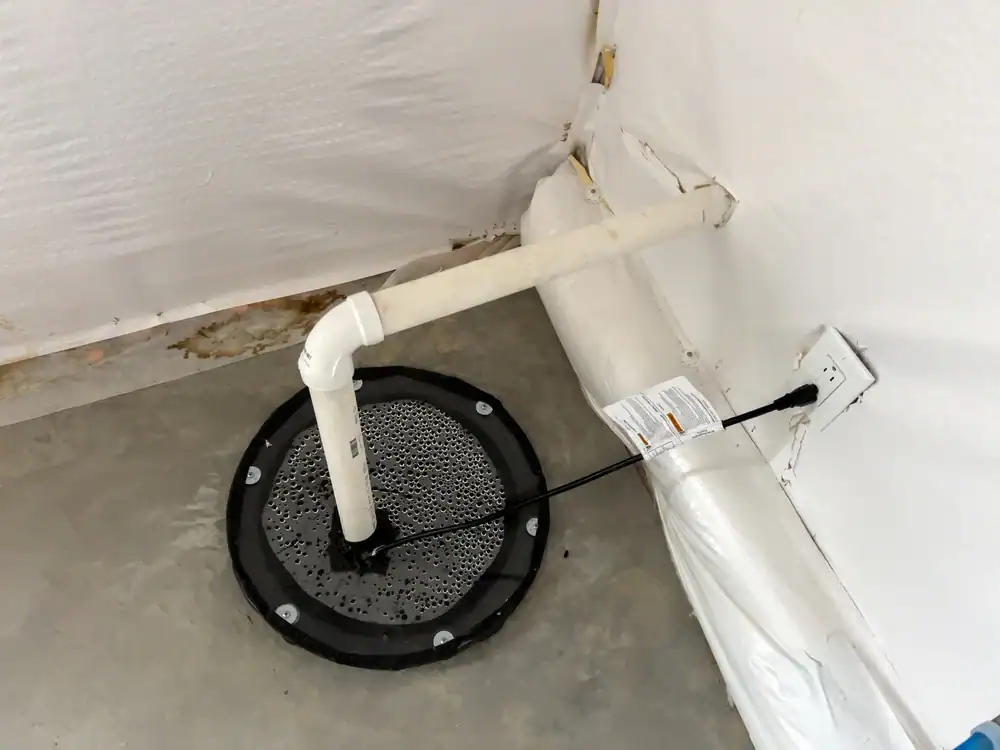
You sleep through storms without checking your basement. Your foundation stays protected because water gets pumped out before it builds pressure against your walls. Your air quality stays breathable because there’s no standing water growing mold in the corners.
A working sump pump means you’re not dealing with the aftermath. No shop-vac marathons at 2 AM. No ruined storage boxes or warped drywall. No frantic calls to your insurance company trying to explain how fast it happened.
The difference between a maintained system and a failing one is about 22 hours. That’s how long most pumps can run continuously before they burn out. After that, you’re looking at emergency sump pump replacement in the middle of a downpour, which costs more and fixes nothing about why it failed in the first place.
We’ve spent over three decades keeping basements dry in Guilford and the surrounding Greensboro area. We’ve seen what happens when pumps fail during North Carolina’s heavy rain seasons, and we know exactly how to prevent it.
This isn’t our side business. We’ve been here through every major storm that’s hit this region, and we understand how local soil conditions, water tables, and drainage patterns affect your system. Guilford sits in an area where clay soil and seasonal flooding create real challenges for basement waterproofing, which means your sump pump isn’t just a nice-to-have.
You’re not getting a national franchise that doesn’t know the area. You’re getting a local team that’s been doing sump pump maintenance and emergency repairs in this exact market for over 30 years.
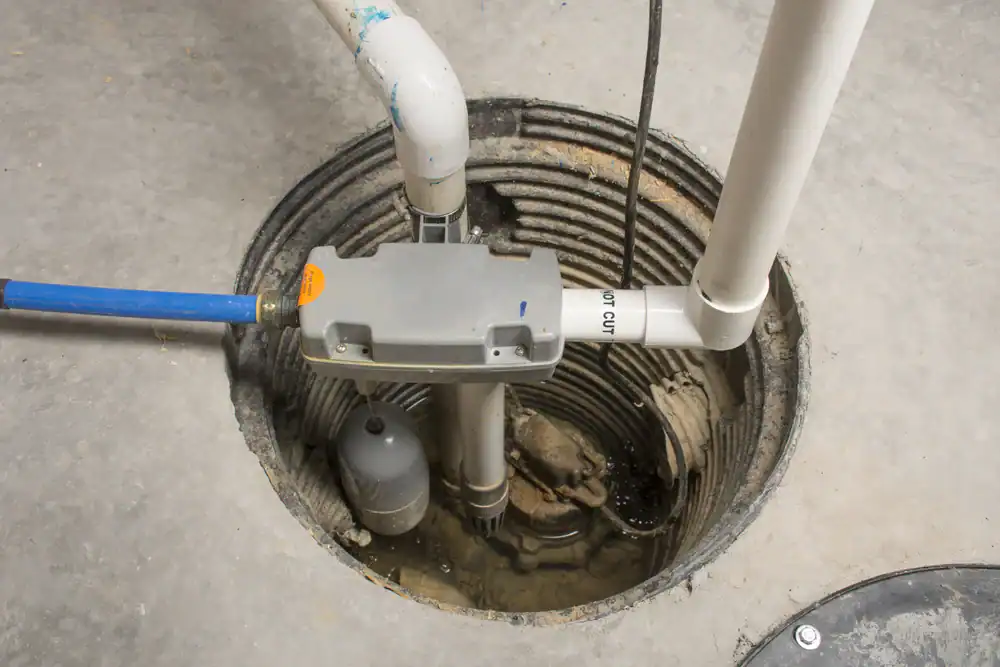
First, we assess your current system. We check the sump pit for debris, test the float switch, inspect the discharge line, and measure how fast water’s entering your basin. Most failures happen because something simple got overlooked—a stuck float, a clogged intake, or a check valve that’s not sealing.
If your pump’s running constantly or making grinding noises, we diagnose whether it’s overworked, undersized, or just wearing out. Sometimes you need a backup sump pump added to handle high water volume. Other times the issue is your drainage system feeding too much water into one pump.
We give you a clear explanation of what’s wrong and what it’ll take to fix it. If you need a full sump pump replacement, we walk you through your options—including battery backup systems for power outages. If it’s a simpler repair, we handle it the same day when possible. Then we test everything under load to make sure it’s actually working before we leave.
Ready to get started?
You get a full system inspection, not just a quick glance at the pump. We clean your sump pit, check your discharge lines for blockages, and test your backup power if you have it. We also look at how water’s entering your basement in the first place, because sometimes the real problem is poor grading or missing French drains.
Guilford gets hit with severe thunderstorms and hurricane remnants that dump inches of rain in short windows. Your pump needs to handle sudden surges, not just steady drips. We make sure your system is sized correctly for local conditions and that you have a plan for when the power goes out mid-storm.
We also cover the basics most homeowners miss: testing your pump before storm season, making sure your discharge line isn’t freezing in winter, and checking that your float switch isn’t getting caught on debris. These small things prevent the expensive emergency calls at midnight when your basement’s already flooding.

If your pump runs constantly for more than a day, makes loud grinding or rattling noises, or cycles on and off every few minutes, something’s wrong. Constant running means it’s either overwhelmed by water volume or it’s not pumping efficiently anymore. That grinding sound usually means the motor bearings are shot or debris is jamming the impeller.
Cycling rapidly often points to a faulty float switch or a check valve that’s letting water flow backward. You might also notice your basement smells musty even though you don’t see standing water—that’s a sign your pump isn’t keeping up and moisture is building.
Most pumps last 7-10 years with proper maintenance. If yours is older and showing these symptoms, replacement makes more sense than repeated repairs. But if it’s newer, a targeted fix usually gets you back to normal. We assess the age, condition, and whether the pump’s actually the right size for your space before recommending anything.
Volume overload is the main culprit. Your pump can only move so many gallons per hour, and when a storm dumps water faster than that, your basin fills up. If you only have one pump and no backup system, you’re relying on a single motor to keep up with whatever nature throws at it.
Power outages during storms kill pumps too. Your system goes dead right when you need it most. A battery backup sump pump solves this, but most homes in Guilford don’t have one installed until after they’ve had a failure.
The other issue is maintenance—or lack of it. Sump pits collect sediment, mud, and debris over time. That clogs the intake, makes the float stick, and forces your motor to work harder. When a big storm hits and your pump’s already struggling with buildup, it burns out fast. Regular sump pit cleaning prevents this, but most people don’t think about it until water’s coming in.
Once a year minimum, ideally before spring when North Carolina gets the heaviest rainfall. That’s when you need your system working perfectly, so late winter is the right time to catch problems before they matter.
If your area flooded in the past or you’re in a low-lying part of Guilford, twice a year makes more sense. You want a check before spring storms and another one before hurricane season in late summer. Each inspection should include cleaning the sump pit, testing the float and switch, checking discharge lines, and running the pump under load.
You should also test it yourself every few months. Pour a bucket of water into the pit and make sure the pump kicks on and drains it quickly. If it’s slow to start or doesn’t turn on at all, call us before the next storm does it for you. Waiting until you hear strange noises or see water pooling means you’re already behind.
Yes, and it’s one of the smartest upgrades you can make. A backup system gives you a second pump that kicks in when your primary pump fails, can’t keep up, or loses power. Most backup pumps run on battery power, so even if the storm knocks out electricity, you’re still protected.
We install battery backup sump pumps that can run for hours on a single charge—long enough to get through most outages. Some systems also include water-powered backups that use your home’s water pressure to pump out your basin. Those don’t need electricity or batteries, but they do use municipal water, which adds to your bill during an emergency.
The cost of adding a backup is a fraction of what you’d pay to repair water damage. Two inches of water in a 2,500-square-foot home can cause over $26,000 in damage to your property and belongings. A backup pump costs far less and actually prevents that scenario instead of just reacting to it.
Repair makes sense when the core components still work but something specific failed—like a bad float switch, a clogged intake screen, or a worn check valve. These are parts we can replace without swapping the entire pump. You’re back up and running the same day for a fraction of replacement cost.
Replacement is necessary when the motor’s burned out, the housing is cracked, or the pump is just too old and inefficient to trust. If your system is over 10 years old and needs a second or third repair, you’re better off installing a new pump. Older units also tend to be underpowered for today’s weather patterns—what worked in 2010 might not handle the heavier storms we’re seeing now in Guilford.
We’ll never push replacement if repair is the smarter move. But we also won’t patch a dying pump just to get another six months out of it if that means you’re at risk during the next heavy rain. We give you the honest assessment and let you decide what makes sense for your situation and budget.
Yes. When your pump fails during a storm and your basement’s taking on water, waiting until Monday morning isn’t an option. We handle emergency calls because we know that’s when failures happen—not during sunny weeks when it’s convenient.
Emergency sump pump repair means we prioritize your call, get someone out fast, and focus on stopping the immediate problem. Sometimes that’s getting your existing pump working again. Other times it means installing a temporary pump while we order the right replacement part or unit.
The reality is that most sump pump emergencies are preventable with regular maintenance and a backup system. But if you’re already in crisis mode, we’re not going to lecture you about what you should have done. We’re going to fix the problem, get your basement dry, and then talk about how to avoid it next time.