

Contact Info
- Greensboro, NC 27406
- Call: 336-707-0498
- Text: 336-707-0498
-
Mon - Fri: 8am - 4pm
Sat - Sun: Closed
Contact Info
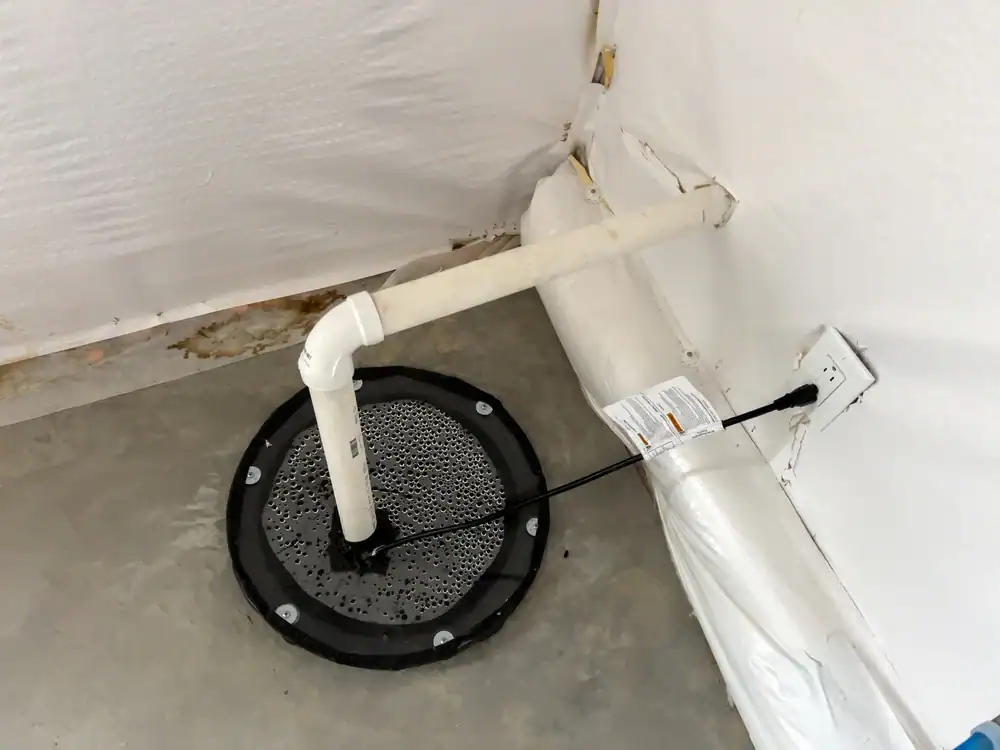
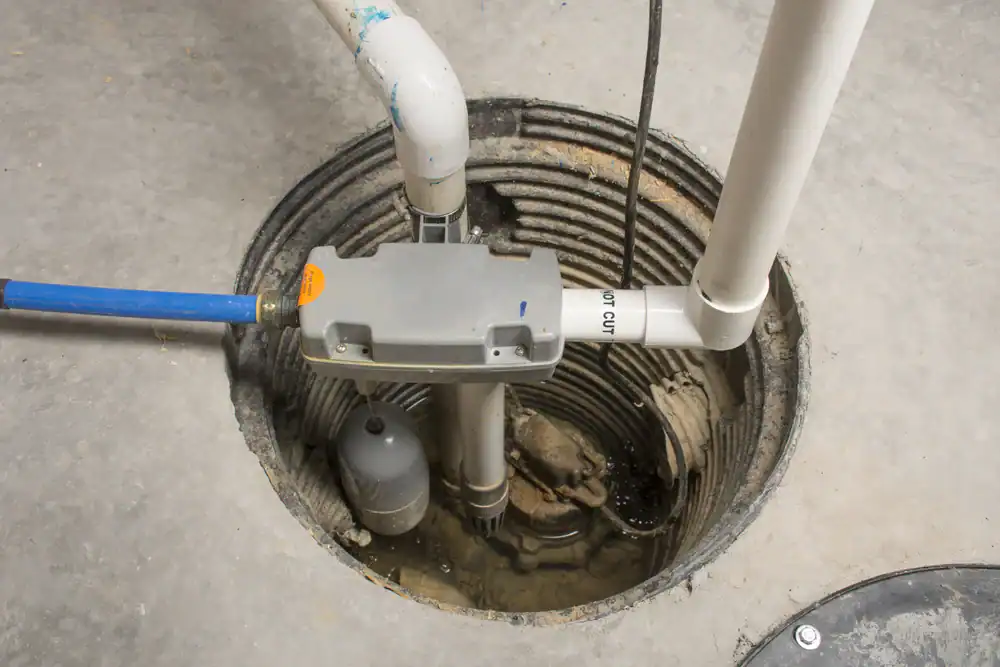
You hear the forecast calling for heavy rain and your stomach drops. Will the sump pump hold up this time? Or will you be dealing with inches of water in your basement again?
That anxiety ends when your system actually works. A properly functioning sump pump means you sleep through storms instead of checking the basement every hour. Your stored belongings stay dry. Your foundation stays protected. You stop worrying about mold growth or that musty smell that never quite goes away.
The difference between a working system and a failing one isn’t subtle. One protects your home’s value and your family’s health. The other costs you thousands in water damage, ruined belongings, and emergency restoration work. When your sump pump is reliable, you simply don’t think about it anymore—and that’s exactly how it should be.
We’ve been handling moisture control and indoor air quality issues across Guilford County for over 30 years. We’re not traditional plumbers who occasionally work on sump pumps—this is what we do. Moisture problems, crawl space issues, and basement flooding solutions.
Hillsdale homeowners deal with specific challenges. The soil composition here holds water longer after heavy rain. Older homes in the area often have outdated drainage systems that can’t keep up with modern weather patterns. We’ve seen it all, fixed it all, and we know what actually works in this area versus what sounds good but fails in six months.
You’re not getting a sales pitch from us. You’re getting honest assessment from technicians who’ve been doing this work since before you had to worry about your sump pump.
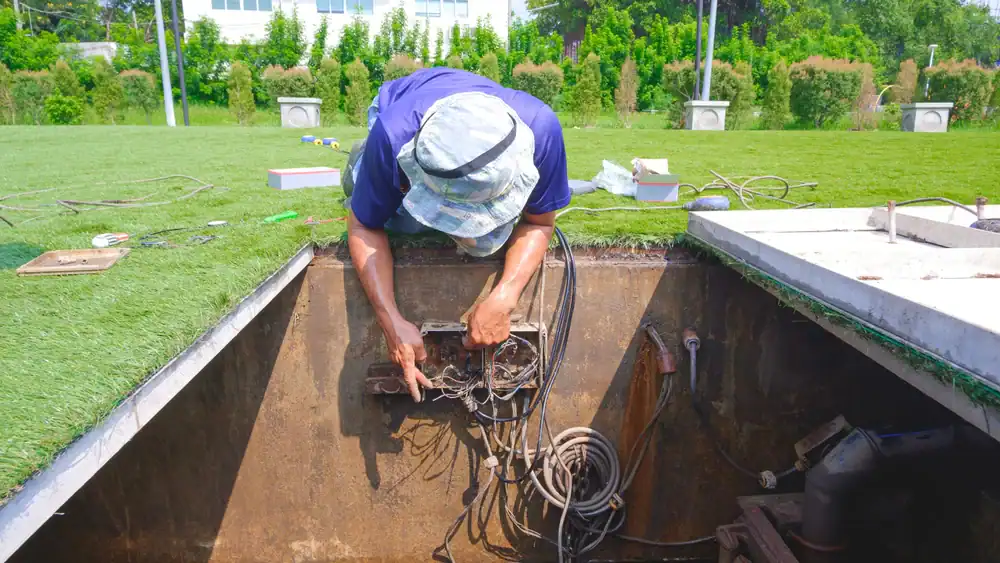
First, we show up when we say we will. If it’s an emergency, we respond fast—because a failing sump pump during a storm isn’t something that can wait until next Tuesday.
We inspect the entire system, not just the obvious problem. That means checking the pump itself, the float switch, the discharge line, the check valve, and the backup power supply if you have one. We’re looking at why it failed, not just what failed. Sometimes the pump is fine but the discharge line is frozen or clogged. Sometimes the pit itself is the issue.
You get a clear explanation of what’s wrong and what it’ll take to fix it. No upselling to a full replacement if a repair will actually work. No bandaid fixes if you genuinely need a new system. We tell you what we’d do if it were our house.
Then we fix it right. That might mean sump pump repair, sump pump replacement, or addressing drainage issues that are overwhelming even a good pump. When we’re done, we test everything under actual load conditions. You see it working before we leave.
Ready to get started?
You get technicians who understand how moisture affects your entire home. We’re looking at your sump pump as part of your home’s moisture control system, not as an isolated piece of equipment. That perspective matters because sometimes the pump is doing its job but it’s undersized for your actual water volume. Or your grading is pushing too much water toward your foundation.
Emergency service means we’re available when storms hit. Not next week when the damage is already done. Hillsdale sees its heaviest rainfall in spring and during hurricane season—exactly when you can’t afford to wait.
You also get maintenance options that actually prevent problems. Most sump pump failures happen because nobody’s checking the system until it’s too late. Sump pit cleaning, testing float switches, clearing discharge lines—basic maintenance that keeps emergency calls from happening in the first place. We can set up a schedule that makes sense for your system and your property’s water issues.
The goal isn’t to see you again in three months for another emergency repair. It’s to set up your system so it works when you need it, every single time.

Age and repair history tell you most of what you need to know. If your pump is over seven years old and you’re calling for the second or third repair, replacement makes more sense than throwing more money at an aging system.
But age isn’t everything. A three-year-old pump that’s been running constantly because of poor drainage might be worn out. A ten-year-old pump in a home with good grading and minimal water intrusion might have years left.
Listen to how it sounds. Grinding, rattling, or cycling on and off rapidly usually means internal damage that’s not worth repairing. If the motor runs but nothing’s pumping, you’ve likely got a broken impeller. That’s repairable on newer pumps but often costs enough that replacement makes more sense on older units.
We’ll give you an honest assessment. Sometimes repair buys you another few years. Sometimes it’s just delaying the inevitable and you’re better off replacing now rather than during the next emergency.
Power outages are the number one culprit. Your sump pump can’t run without electricity, and severe storms often knock out power right when water is pouring into your sump pit. That’s why battery backup systems exist—they take over when the power goes out.
The second most common issue is the pump getting overwhelmed. If your pit is filling faster than your pump can discharge water, you’ll have overflow even with a working pump. This happens when drainage problems are pushing excessive water toward your foundation, or when your pump is undersized for your actual water volume.
Mechanical failure spikes during heavy use. A pump that sits idle most of the year suddenly runs continuously during a major storm. Worn bearings, failing switches, or debris in the impeller all choose that moment to quit. It’s like your car breaking down on a road trip instead of in your driveway—it happens when you’re pushing the system hard.
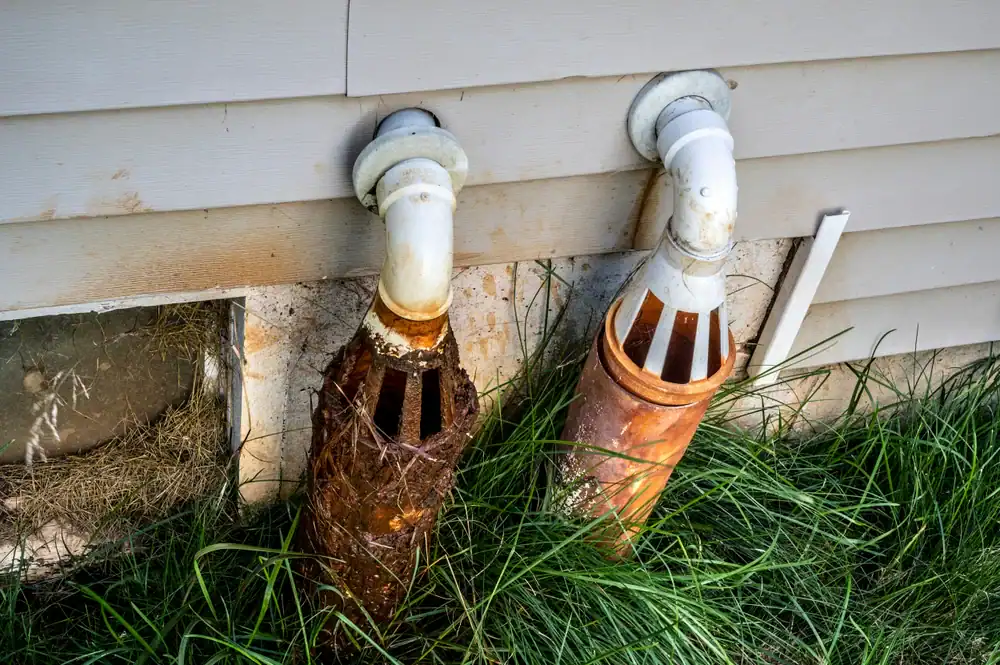
Frozen or clogged discharge lines will also cause failure. The pump runs but water can’t exit, so your pit overflows. This is especially common in winter or early spring when discharge lines haven’t been checked in months.
We prioritize emergency calls because we know what’s at stake. When your sump pump fails during active flooding, every hour matters. We’re talking about the difference between minor water intrusion and thousands in damage.
Response time depends on current call volume and weather conditions. If half of Guilford County is flooding, we’re running multiple crews and triaging based on severity. But we’re not making you wait days while your basement fills with water.
For non-emergency service—like maintenance, inspection, or replacement of a pump that’s showing warning signs but still working—we typically schedule within a few days. That’s actually when you want to call us. Before it becomes an emergency. Before the next storm forecast has you panicking.
The homeowners who never need emergency service are the ones who call when they first notice their pump cycling more frequently, making unusual sounds, or struggling to keep up. Catching problems early means you schedule service at your convenience instead of ours.
If your basement floods when the power goes out, yes. Absolutely. A battery backup system is the only thing standing between you and water damage during power outages.
Hillsdale’s storm patterns make this especially relevant. Severe thunderstorms and tropical systems don’t just bring heavy rain—they knock out power. Your primary pump becomes useless right when you need it most. A backup system runs on battery power and kicks in automatically when the primary pump fails or loses power.
The cost of a backup system is typically less than your deductible for water damage. It’s definitely less than replacing flooring, drywall, and belongings. And it’s a fraction of what you’ll pay for mold remediation if water sits in your basement for days.
Some homes also benefit from a secondary pump in addition to battery backup. If your water intrusion is severe enough that one pump can’t keep up even with power, a dual pump system makes sense. We’ll assess your actual water volume and recommend what your property genuinely needs—not what generates the biggest invoice.
Annual maintenance is the standard recommendation, but your property might need more frequent attention. Homes with high water tables or heavy water intrusion should have their systems checked twice a year—once before spring rains and once before hurricane season.
Maintenance includes testing the float switch to ensure it triggers the pump correctly. We’re checking that the pump actually turns on when water reaches the right level and shuts off completely when the pit empties. Float switches are one of the most common failure points and they’re easy to test.
Sump pit cleaning is part of proper maintenance. Debris, sediment, and small rocks accumulate in the pit over time. That debris can jam the float switch or get sucked into the impeller. Cleaning the pit means your pump operates in clean water instead of fighting through muck.
We also inspect the discharge line for clogs, freezing damage, or separation at connection points. We test the check valve to make sure water isn’t flowing backward into your pit after the pump shuts off. And we verify that your pump is actually moving the volume of water it should be moving—sometimes pumps lose efficiency gradually and you don’t notice until they can’t keep up during heavy rain.
Your sump pump removes water that’s already entering your basement. It’s reactive—it responds to water intrusion. But it doesn’t stop water from getting there in the first place.
Basement moisture problems often require looking beyond the sump pump. Poor grading around your foundation, clogged gutters, missing downspout extensions, or foundation cracks all contribute to excessive water intrusion. You can have a perfectly functioning sump pump that runs constantly because your property is directing too much water toward your foundation.
That’s where our moisture control expertise matters. We’re not just fixing pumps—we’re identifying why your pump is working so hard. Sometimes the solution involves improving drainage, encapsulating your crawl space, or addressing foundation issues alongside sump pump installation or repair.
Hillsdale’s soil composition means water doesn’t drain away quickly after heavy rain. Properties in lower-lying areas or with clay-heavy soil need comprehensive moisture management, not just a working sump pump. We look at the complete picture because that’s what actually solves the problem instead of just managing symptoms.