

Contact Info
- Greensboro, NC 27406
- Call: 336-707-0498
- Text: 336-707-0498
-
Mon - Fri: 8am - 4pm
Sat - Sun: Closed
Contact Info
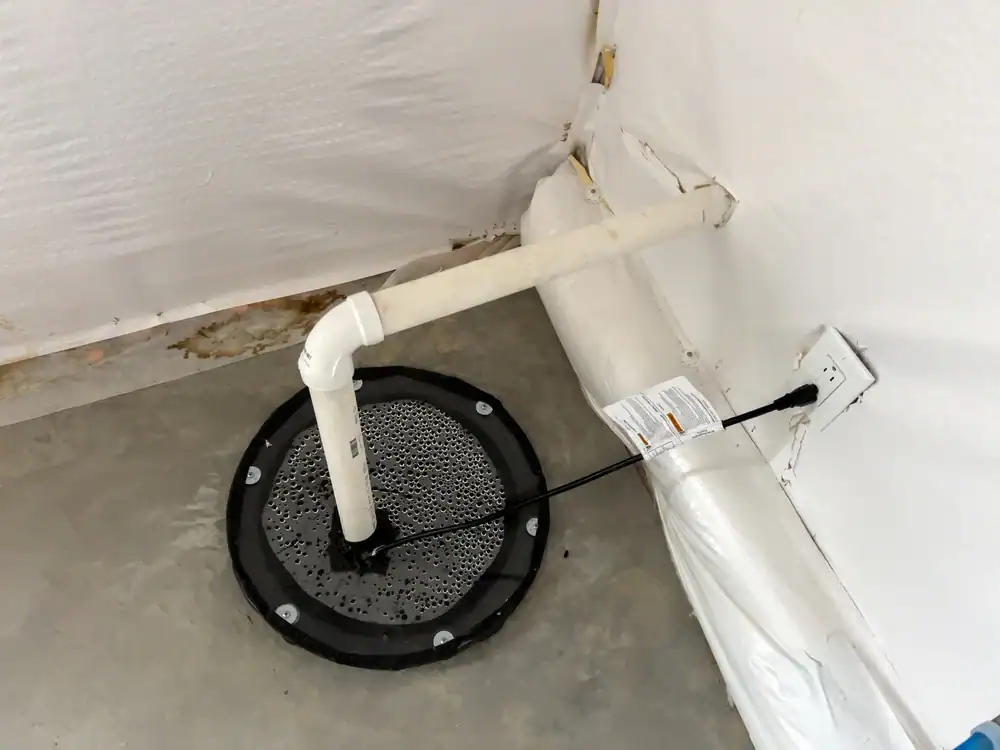
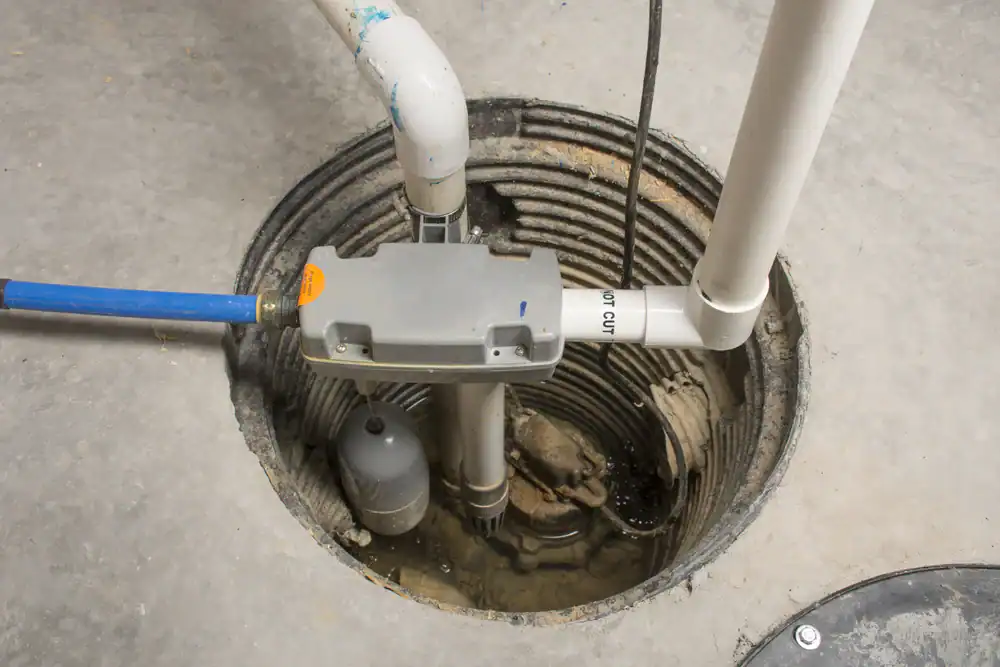
A flooded basement isn’t just water on the floor. It’s ruined furniture, destroyed memories in storage boxes, and repair bills that can hit $10,000 for just a few inches of water. When your sump pump quits during a storm, you’re racing against time.
Most homeowners in Jamestown, NC don’t think about their sump pump until it fails. That’s when the panic sets in—standing water, overwhelmed drains, and the sinking feeling that everything stored downstairs is at risk.
We handle sump pump repair and replacement the same day in most cases. Our service vehicles stock the parts and pumps needed to get your system running before the next heavy rain. You get a dry basement, protected belongings, and the peace of mind that your pump won’t quit when you need it most.
We’ve spent over 30 years serving Jamestown, NC and the surrounding Guilford County area. We started with indoor air quality and crawl space solutions, and sump pump service became a natural extension—because water problems and air quality problems go hand in hand.
We’re licensed, insured, and local. When storms roll through Jamestown and the surrounding areas, we’re the ones homeowners call because we show up fast and fix it right the first time.
North Carolina weather throws everything at us—sudden downpours, tropical systems, and spring storms that overwhelm undersized pumps. We’ve seen what happens when sump pumps fail, and we’ve helped hundreds of local homeowners avoid that nightmare.
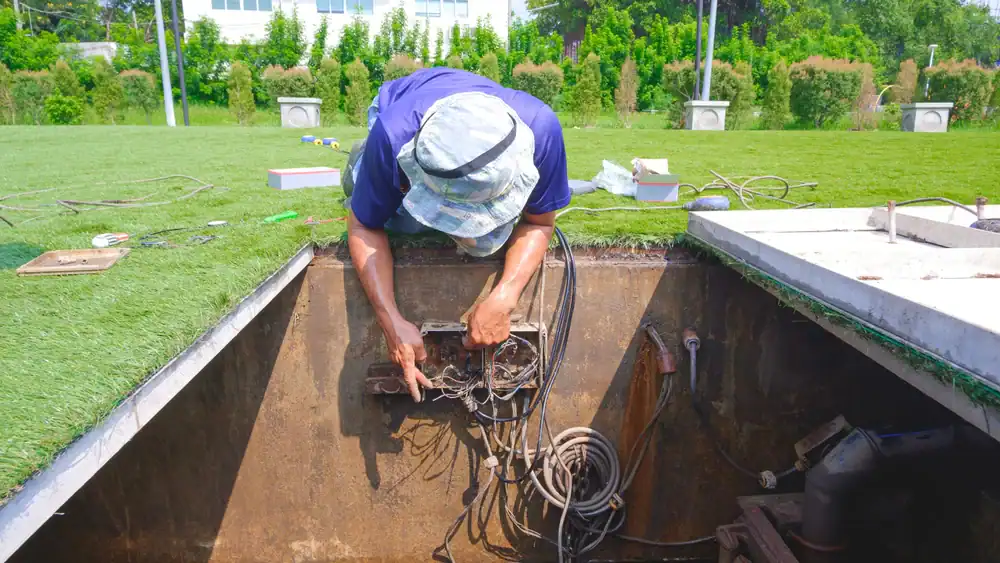
First, we assess your situation. Is your pump completely dead, running but not pumping, or cycling constantly? We check the float switch, the discharge pipe, electrical connections, and the sump pit itself. Most failures come down to a few common culprits—burned-out motors, stuck float switches, clogged discharge lines, or pumps that were never sized correctly for your home.
Next, we give you a straight answer. If it’s a quick fix, we handle it on the spot. If your pump is old, underpowered, or damaged beyond repair, we’ll recommend sump pump replacement with a unit that actually matches your home’s needs—factoring in your basement size, local water table, and how much rain Jamestown typically sees during peak storm season.
Then we test everything before we leave. We run water through the system, verify the float switch activates properly, check that the discharge line is clear, and make sure your backup power options are working if you have them. You’ll know your basement is protected before we pack up.
Ready to get started?
Sump pump maintenance isn’t glamorous, but it’s what keeps your basement dry when it matters. We clean your sump pit, removing debris and sediment that can jam the float switch or clog the pump intake. We inspect discharge pipes for blockages, cracks, or improper drainage that sends water back toward your foundation.
For sump pump installation, we follow manufacturer specs and local building codes. That means proper pit depth, correct pump sizing for your home’s square footage and soil conditions, and electrical work that won’t trip breakers during storms. Jamestown sits in an area where heavy spring rains and summer thunderstorms can dump inches of water in hours—your pump needs to handle that volume without burning out.
We also talk through battery backup options. Power outages during storms are common in Guilford County, and a sump pump that can’t run when the power’s out is useless. A backup system keeps your pump operational even when the grid goes down, which is exactly when you need it most.

Listen for unusual sounds—grinding, rattling, or a motor that runs constantly without stopping. Those are early warnings that something’s wrong. A healthy sump pump cycles on and off as water enters the pit, runs quietly, and shuts off once the water level drops.
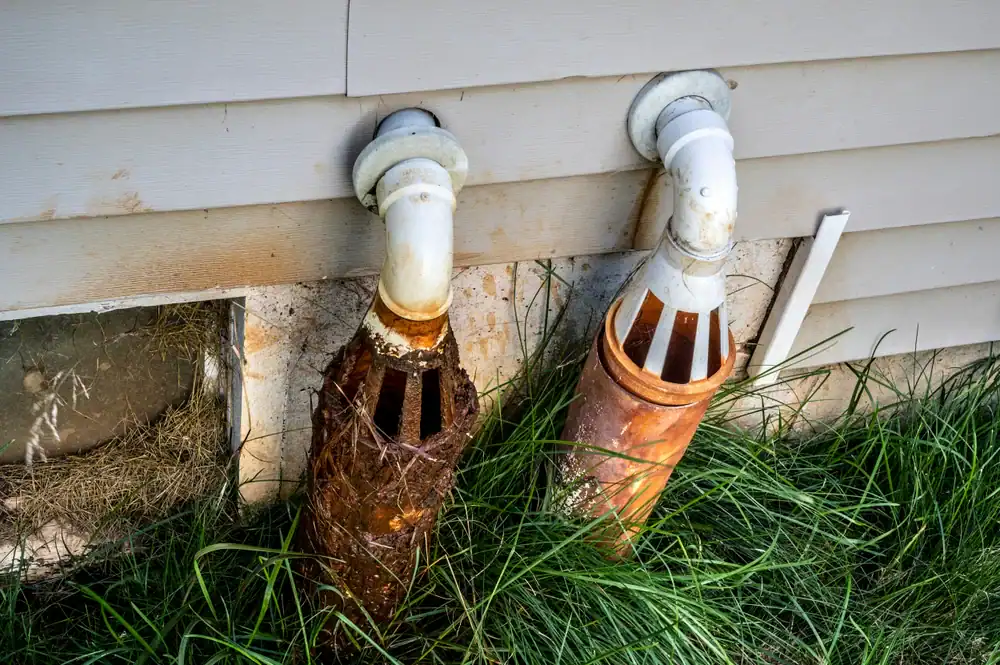
Check your sump pit between storms. If you see standing water that isn’t draining, your pump isn’t keeping up. Also watch for rust on the pump housing, which signals age and potential failure. Most sump pumps last seven to ten years, so if yours is older than that, it’s living on borrowed time.
Test it manually by pouring water into the pit. The float switch should trigger the pump to turn on, and you should see water flowing through the discharge pipe outside. If nothing happens, or if the pump runs but doesn’t move water, call us before the next storm hits.
Power outages are the biggest culprit. Storms knock out electricity, and if your pump doesn’t have battery backup, it’s dead in the water—literally. The second most common failure is an overwhelmed pump that’s too small for the job. When Jamestown gets hit with heavy spring rains or remnants of tropical systems, an undersized pump can’t keep pace with the water volume.
Clogged discharge pipes also cause failures. If the pipe that carries water away from your house is blocked or frozen, the pump runs but water backs up into your basement. Cheap pumps with low-quality components burn out under stress, especially during extreme weather when they’re working overtime.
Float switch problems are another frequent issue. The float tells the pump when to turn on and off, but if it gets stuck or jammed by debris in the pit, the pump either won’t start or won’t stop running. Regular sump pit cleaning prevents most of these mechanical failures.
Usually not. Most standard homeowners insurance policies in North Carolina exclude water damage caused by sump pump failure or lack of maintenance. They treat it as a preventable issue that’s the homeowner’s responsibility to address. Some policies offer add-on coverage for sump pump failures, but even then, you need to prove you maintained the system properly.
That’s why prevention matters so much. A few hundred dollars for sump pump maintenance or replacement is nothing compared to $10,000 to $50,000 in basement restoration costs. Insurance companies know that most water damage from failed pumps is avoidable, so they don’t cover it under basic policies.
If you’re concerned about coverage, call your insurance agent and ask specifically about sump pump failure protection. Read the fine print on maintenance requirements—they’ll often deny claims if you can’t show you serviced the pump regularly. Either way, keeping your pump in working order is your best protection.
In most cases, same day. Our service vehicles carry common replacement parts, float switches, and several models of sump pumps that fit standard residential installations. If you call in the morning with an emergency, we can usually have you fixed by afternoon—assuming we’re not already swamped with calls from a major storm.
For sump pump installation of a completely new system, it depends on your setup. If you already have a sump pit and proper drainage, we can typically install a new pump in a few hours. If we need to cut a new pit, install discharge piping, or upgrade electrical service, it might take a full day.
The key is calling before you’re in crisis mode. If you wait until your basement is flooding, we’re doing damage control instead of prevention. About 58% of homeowners want sump pump repairs done within one to two days, and another 26% need it within two weeks—those are mostly emergency calls that could’ve been avoided with earlier action.
Submersible pumps sit inside the sump pit, fully underwater when they’re running. They’re quieter, take up less space in your basement, and clog less often because the motor is sealed. They’re the most common choice for finished basements where noise matters, and they handle debris better than pedestal models.
Pedestal pumps have the motor mounted on a pole above the pit, with only the intake pipe sitting in the water. They’re easier to service because you don’t have to pull them out of the pit, and they tend to last longer since the motor isn’t submerged. But they’re louder and take up more visible space.
For most homes in Jamestown, NC, submersible pumps make more sense. They’re reliable, efficient, and don’t turn your basement into a noisy mechanical room every time it rains. We’ll look at your specific situation—pit depth, basement layout, and how much water you typically deal with—and recommend the right type for your home.
Yes, especially in Jamestown and Guilford County where storms frequently knock out power. A battery backup sump pump keeps running when your main power fails, which is exactly when you need it most. Storms that cause flooding are the same storms that take down power lines.
Battery backup systems kick in automatically when they detect power loss. They won’t run as long as a pump on main power, but they’ll give you several hours of protection—usually enough to get through the worst of a storm. Some systems also include water-powered backups that use municipal water pressure to pump out your sump pit, though those are less common.
The cost of a backup system is a fraction of what you’d pay for water damage restoration. If your basement has finished space, valuable storage, or HVAC equipment, a backup isn’t optional—it’s necessary. We install battery backup systems alongside new sump pump installations or add them to existing setups. It’s the difference between sleeping through a storm and waking up to a flooded basement.