

Contact Info
- Greensboro, NC 27406
- Call: 336-707-0498
- Text: 336-707-0498
-
Mon - Fri: 8am - 4pm
Sat - Sun: Closed
Contact Info
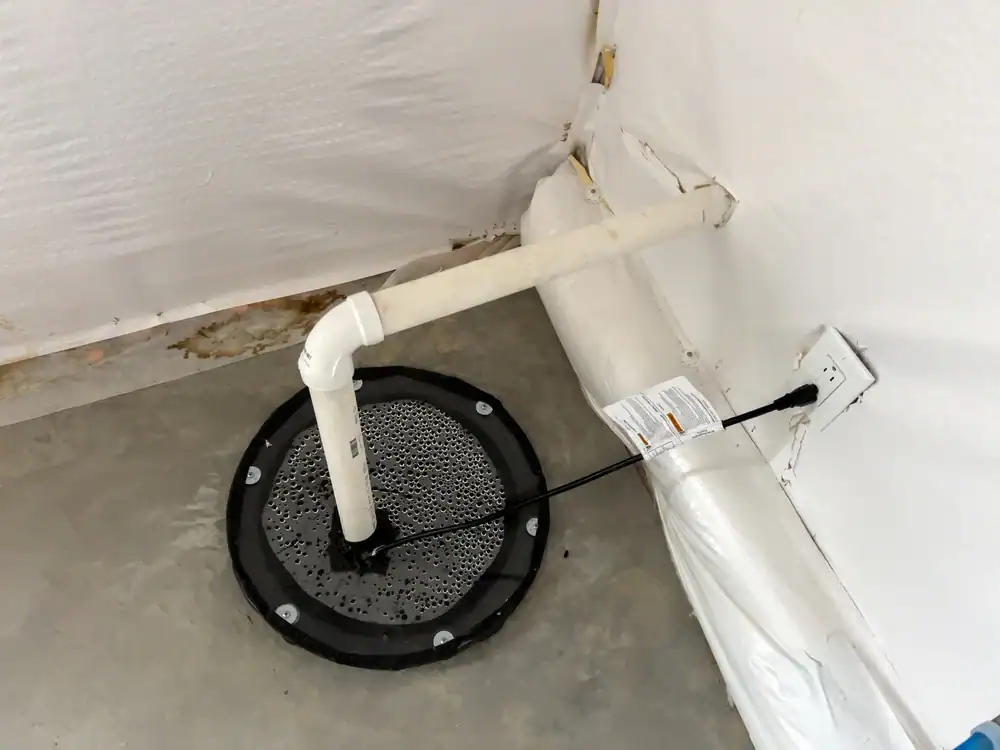
You don’t think about your basement. You don’t check it after every storm. You don’t worry about mold growing behind stored boxes or whether your homeowner’s insurance will actually cover the damage.
That’s what a working sump pump does. It runs when it needs to, shuts off when it’s done, and keeps water where it belongs—outside your home.
Most sump pump repairs in Miles Crossroad run between $289 and $650, and they take one to two hours. Compare that to the $25,000 FEMA says one inch of water can cost you, or the $50,000 to $75,000 for a fully flooded basement. The math isn’t complicated.
When your pump stops working, you’ve got maybe hours before water starts pooling. North Carolina storms don’t wait for business hours, and neither does water damage. That’s why sump pump maintenance matters—and why emergency repair availability matters even more.
We handle sump pump repair, sump pump installation, and crawl space moisture control throughout Miles Crossroad and Forsyth County. We’re not a national franchise following a script—we’re local, and we understand how North Carolina’s clay soil, seasonal downpours, and high humidity create water problems that other states don’t deal with.
We’ve seen what happens when gutters dump water next to foundations. We know how spring rains saturate the ground and push water through basement walls. We’ve pulled pumps that failed because nobody checked the float switch or cleaned the sump pit in five years.
Our work includes sump pump replacement, battery backup installation, discharge line repairs, and annual maintenance. We also handle the related problems—crawl space encapsulation, dehumidifier installation, and mold testing—because water issues rarely stop at just one system.
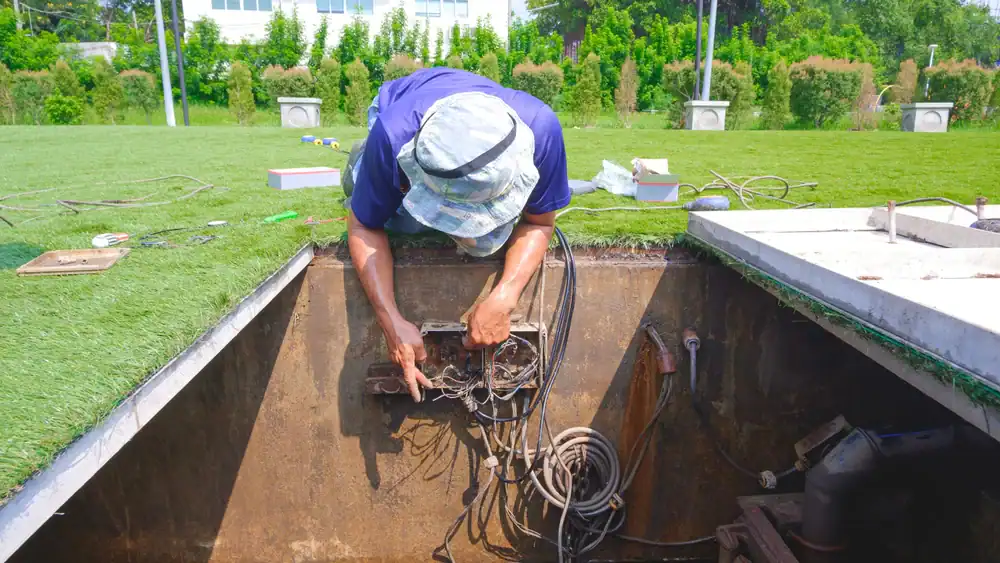
First, we show up. If it’s an emergency, that means fast—because a failed sump pump during a storm isn’t something you can wait on.
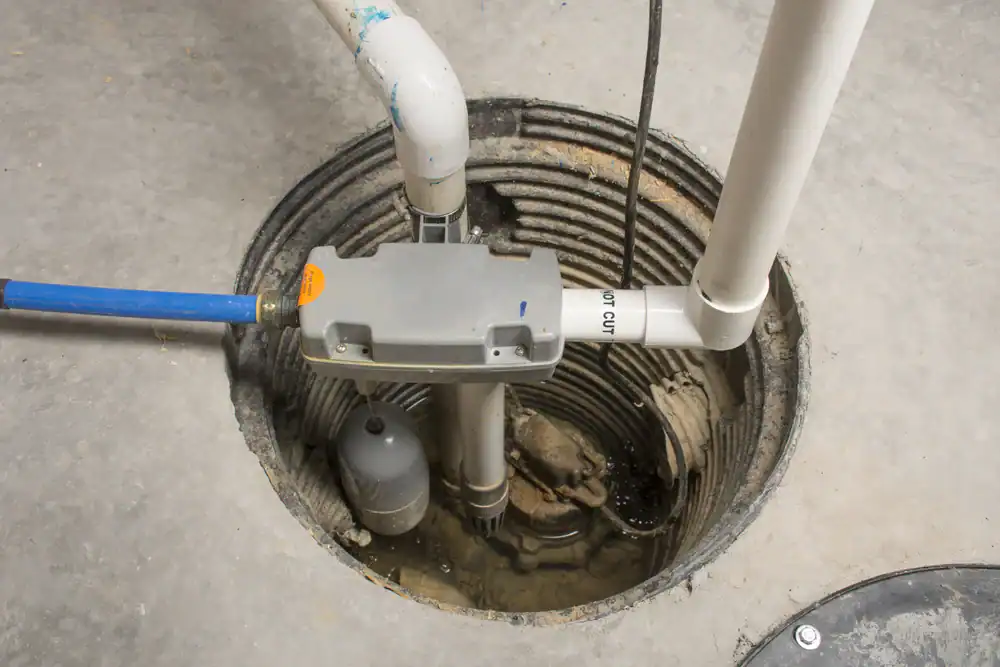
We inspect the entire system: the pump itself, the float switch, the discharge line, the check valve, and the sump pit. We’re looking for clogs, mechanical failure, electrical issues, and sediment buildup. Most problems fall into a few categories—stuck float switches, burned-out motors, clogged discharge lines, or power supply issues.
Once we know what’s wrong, we tell you what it’ll cost before we do the work. No surprises. If it’s a simple fix like clearing a blockage or replacing a switch, we handle it on the spot. If the pump needs replacement, we talk through your options: submersible vs pedestal, horsepower requirements for your home, and whether a battery backup makes sense given how often Miles Crossroad loses power during storms.
After the repair or installation, we test everything. We run water through the system, check the float activation, and make sure the discharge line is pushing water far enough from your foundation. Then we walk you through what we did and what you should watch for going forward.
Ready to get started?
Sump pump repair isn’t just swapping out a motor. It’s diagnosing why the system failed and fixing the conditions that caused it.
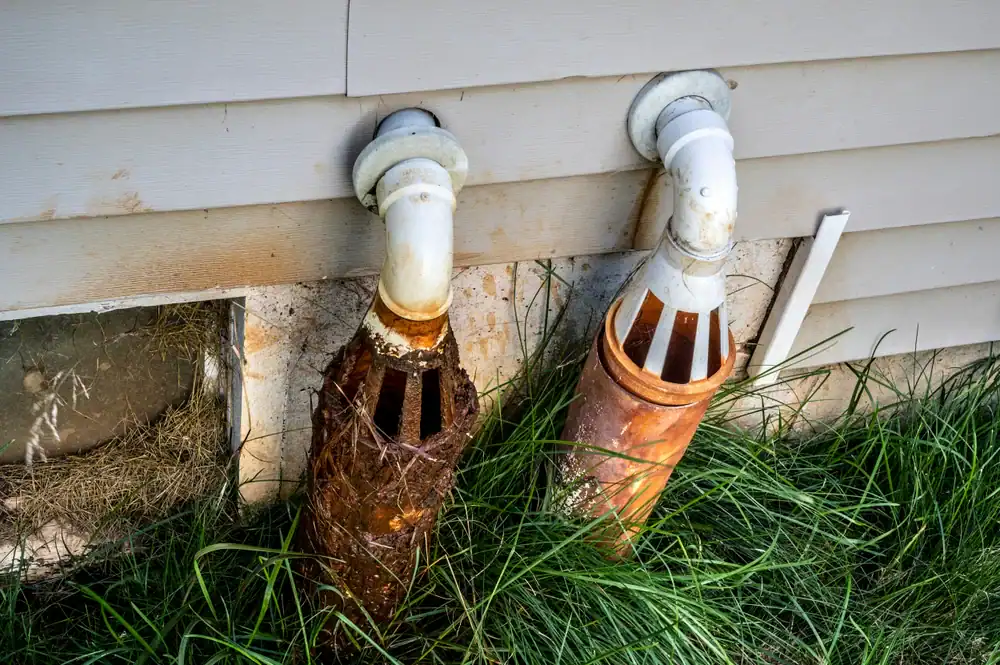
We clean the sump pit, which most homeowners never think about until it’s packed with sediment and debris. A dirty pit means your pump works harder and fails faster. We check and clear discharge lines, because a clog outside means water backs up inside. We test float switches, replace check valves if they’re leaking, and inspect electrical connections for corrosion or loose wiring.
If you’re in Miles Crossroad, you’re dealing with clay soil that doesn’t drain well and storm systems that drop several inches of rain in a few hours. That means your sump pump runs more than pumps in other parts of the country. We size replacements based on your home’s specific conditions—not just what’s cheapest or what we have in the truck.
We also install battery backup systems, which matter here. Power outages during storms are common in Forsyth County, and a sump pump that can’t run during the storm that caused the flooding isn’t much help. A backup system keeps your pump running when the power’s out—which is exactly when you need it most.

If your pump won’t turn on when water enters the pit, makes grinding or rattling noises, runs constantly without shutting off, or cycles on and off rapidly, something’s wrong. Those are signs of mechanical failure, a stuck float switch, or a clogged discharge line.
Maintenance issues look different. If your pump still works but you haven’t had it serviced in over a year, you’re overdue. Sediment builds up in the pit, debris can block the intake, and connections loosen over time. An annual inspection catches those problems before they turn into failures.
Most sump pumps last about 10 years with regular maintenance. If yours is older than that and starting to act up, replacement is usually smarter than repair. A new pump costs less than the water damage you’ll deal with when an old one finally quits during a storm.
Probably not—at least not automatically. Standard homeowner’s insurance doesn’t cover water damage from sump pump failure or backup. You need a separate water backup endorsement, which is an add-on to your existing policy.
Even with that coverage, there’s a catch. Most policies require proof that you maintained the pump properly. If the insurance adjuster finds a pit full of debris and a pump that hasn’t been serviced in years, they can deny the claim. That’s why documentation matters—keep records of inspections and repairs.
And here’s the bigger issue: insurance won’t pay to fix or replace the pump itself. It might cover damage to your floors, walls, and belongings after the pump fails, but you’re still on the hook for the pump repair or replacement. Prevention is cheaper than filing a claim and dealing with a potential rate increase.
Once a year, ideally before spring. March through May is when North Carolina gets the heaviest rain, and that’s when your sump pump works hardest. You want to know it’s ready before the storms start, not after your basement floods.
An inspection takes about an hour. We test the float switch, check the discharge line for clogs or freezing damage from winter, clean the sump pit, inspect the check valve, and make sure the pump turns on and off correctly. We also look at how much sediment has built up and whether the pump is showing signs of wear.
If you’ve had power outages, heavy storms, or noticed any strange sounds from your pump during the year, don’t wait for the annual inspection. Get it checked sooner. Sump pumps don’t fail on a convenient schedule—they fail when they’re working hardest, which is exactly when you need them most.
Repair makes sense when the pump is less than seven years old and the problem is fixable—a stuck switch, a clogged line, a bad check valve. Those repairs typically cost $289 to $650 and buy you a few more years of reliable service.
Replacement makes sense when the pump is old, when repairs are approaching half the cost of a new pump, or when you’ve had multiple failures in a short period. A new sump pump runs $800 to $1,500 installed, depending on the type and whether you add a battery backup. That sounds like a lot until you compare it to water damage costs.
Here’s the real question: do you trust the pump to work during the next major storm? If you’re not confident, replace it. A sump pump that might fail is worse than no pump at all, because you think you’re protected when you’re not. We’ll give you an honest assessment based on the pump’s age, condition, and how it’s been maintained—not based on what makes us the most money.
If you want your pump to work during storms that knock out power, yes. Forsyth County loses electricity during severe weather—high winds, ice storms, heavy thunderstorms. Those are the same conditions that cause flooding. A pump that only works when the power’s on isn’t much help.
A battery backup system kicks in automatically when your primary pump loses power. It won’t run as long as a generator-powered system, but it’ll give you several hours of protection, which is usually enough to get through the worst of a storm. Most battery backups cost $400 to $800 installed, depending on the battery size and pump capacity.
The alternative is a water-powered backup pump, which uses municipal water pressure instead of electricity. Those work well if you’re on city water, but they use about one gallon of water for every two gallons they pump out, so your water bill goes up during operation. We can walk you through both options based on your home’s setup and your budget.
Power outages are the biggest reason. Your pump can’t run without electricity, and storms that cause flooding are the same storms that knock out power. That’s why battery backups matter here more than in drier climates.
The second most common cause is overwhelmed capacity. North Carolina storms can drop several inches of rain in a couple of hours. If your pump isn’t powerful enough for your home’s drainage situation, or if the discharge line can’t move water away fast enough, the system gets overwhelmed. Water comes in faster than the pump can remove it, and your basement floods even though the pump is technically working.
Lack of maintenance is the third reason. Sump pits fill with sediment over time, float switches get stuck, and discharge lines develop clogs. A pump that hasn’t been serviced in years is more likely to fail exactly when you need it. Most failures happen during peak use, not during the quiet months—which means they happen during storms, when the consequences are worst.