

Contact Info
- Greensboro, NC 27406
- Call: 336-707-0498
- Text: 336-707-0498
-
Mon - Fri: 8am - 4pm
Sat - Sun: Closed
Contact Info
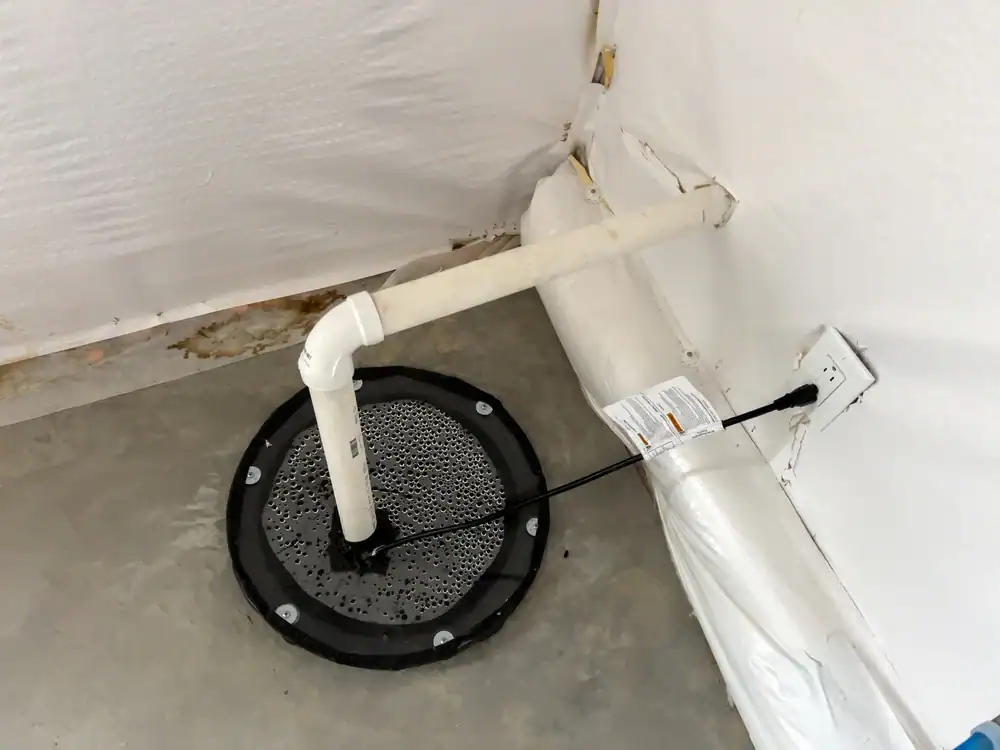
You’re not worried about the forecast anymore. Your basement stays dry through spring storms and summer downpours because your sump pump actually works when you need it.
That peace of mind comes from knowing the system’s been checked, repaired right, and won’t quit during the next heavy rain. North Carolina gets hit with intense seasonal storms, and homes in Monticello face real flooding risk without reliable water management.
When your sump pump fails, you’re looking at thousands in water damage. Two inches of standing water in a typical home runs over $23,000 in repairs to your structure and belongings. The pump that sits in your basement doing nothing 99% of the time becomes everything during that 1% when water starts rising.
We’ve spent over 30 years keeping North Carolina homes dry and healthy. We’re not new to this, and we’re not learning on your property.
Rick Watson and our team understand what Monticello homeowners face with our humid climate and unpredictable weather patterns. We’ve seen what happens when sump pumps fail, and we’ve helped hundreds of families avoid that nightmare.
We carry full licensing and insurance, hold an A+ BBB rating, and our technicians are NADCA certified. You’re getting professionals who know the difference between a quick patch and a lasting fix.
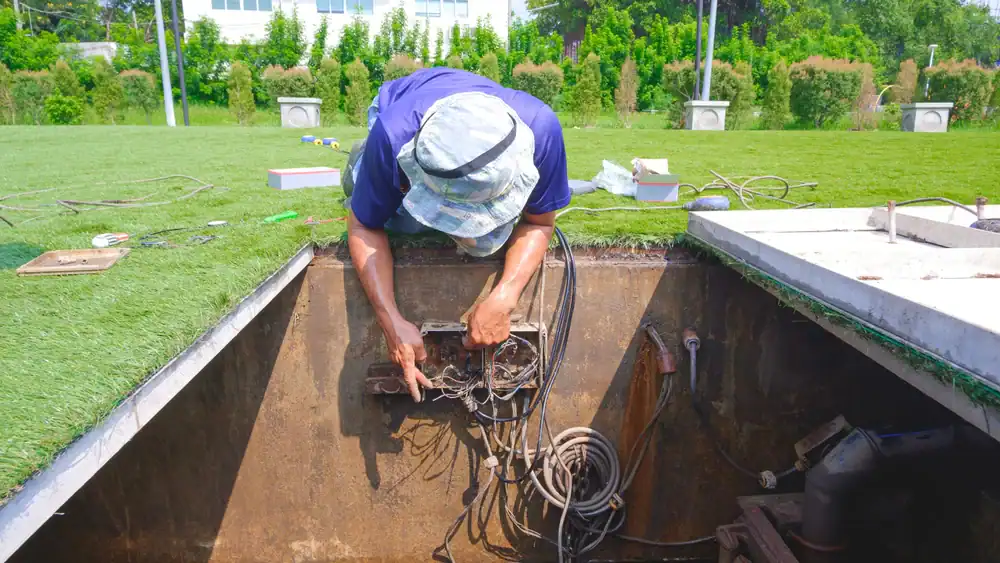
First, we show up when we say we will. You explain what’s happening—strange noises, water pooling, pump running constantly, or complete failure. We listen because the symptoms tell us where to look.
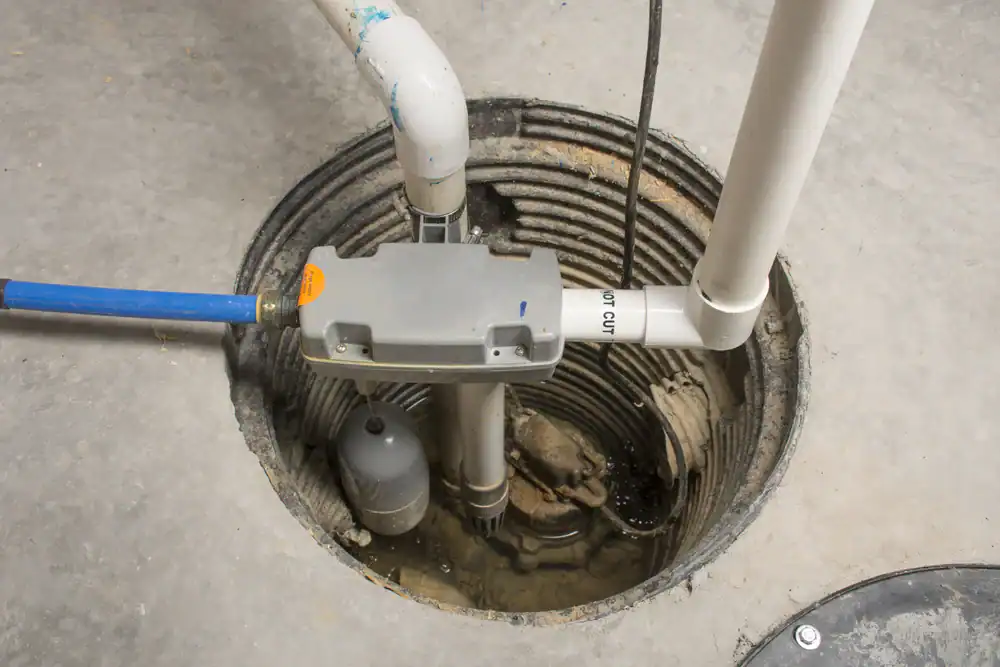
Then we inspect your entire system. Not just the pump, but the pit, the discharge line, the check valve, and the backup power situation. We’re looking for clogs, mechanical failure, improper installation, or sizing issues that cause the problem.
You get a straight answer about what’s wrong and what it takes to fix it. No upselling. No scare tactics. If you need sump pump replacement, we explain why. If maintenance and sump pit cleaning solve it, that’s what we recommend.
We complete the repair or installation, test everything under actual operating conditions, and make sure water’s flowing where it should. You know exactly what we did and how to spot warning signs before they become emergencies.
Ready to get started?
Complete system diagnosis that identifies why your sump pump isn’t working. We check the float switch, impeller, discharge pipes, and electrical connections. You find out if it’s a simple fix or time for replacement.
Emergency plumber response when you’ve got water coming in and need help now. Burst pipes and sump pump failures don’t wait for business hours. Every minute counts when your basement’s flooding.
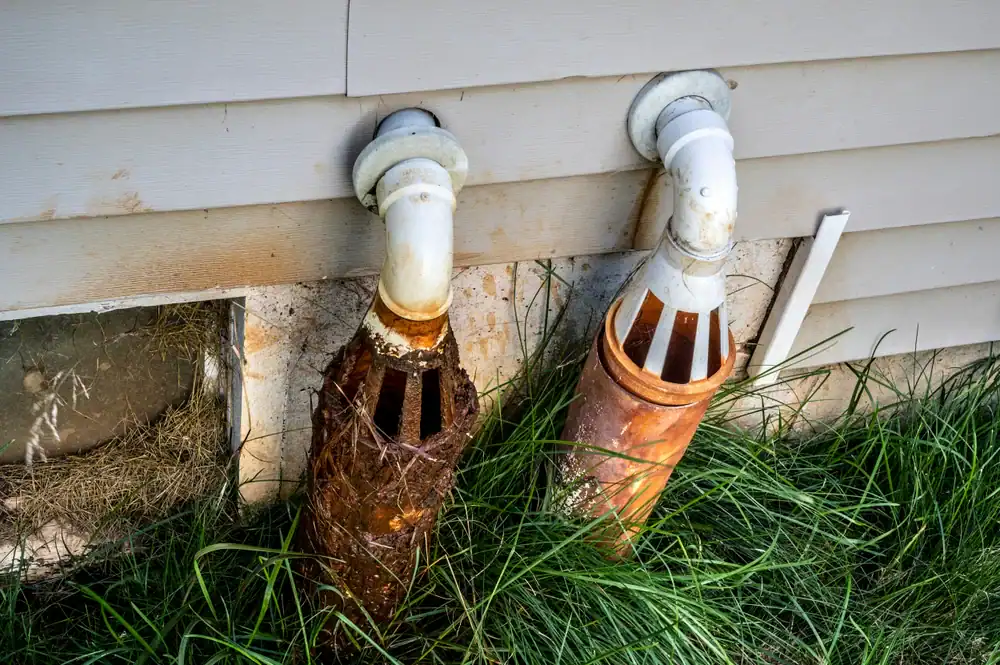
Sump pump installation that’s sized correctly for your home and properly integrated with your drainage system. Monticello’s clay soil and seasonal water tables require pumps that can handle volume during peak flow.
Annual sump pump maintenance that catches problems before they strand you during a storm. We clean the sump pit, test the backup battery, verify the check valve works, and confirm your pump cycles properly. Most sump pumps last about 10 years, but only if they’re maintained.
Battery backup solutions for when the power goes out during severe weather. Your pump stops working exactly when you need it most unless you’ve got backup power keeping it running.

Listen for constant running, loud grinding noises, or rattling sounds. Those indicate mechanical problems with the impeller or motor bearings wearing out.
Check if water’s accumulating in the pit even when the pump runs. That means it’s not moving water effectively anymore, usually from a clogged discharge line or failing check valve that lets water flow backward.
Watch for short cycling where the pump turns on and off rapidly. This happens when the float switch malfunctions or the pump’s undersized for your water volume. Short cycling burns out motors fast.
If your pump’s over 7 years old and showing any of these symptoms, replacement often makes more sense than repair. You’re buying reliability when storms hit, not just fixing today’s problem. Pumps have a 10-year average lifespan, but most start failing around year 7 or 8 depending on how hard they work.
Power outages kill most sump pumps right when you need them. Severe weather knocks out electricity, your pump goes silent, and water starts rising. Without battery backup, you’re done.
Debris clogs are the second biggest culprit. Dirt, gravel, and sediment get into the sump pit and jam the impeller or block the intake. The pump runs but moves no water.
Overwhelmed capacity happens when your pump’s too small for the water volume during heavy rainfall. It runs continuously, overheats, and eventually burns out the motor. Monticello gets intense spring storms that dump more water than undersized pumps can handle.
Lack of maintenance means small problems become complete failures. A stuck float switch or partially clogged discharge line might work fine in light rain but fails when flow increases. Annual servicing catches these issues before they leave you flooded.
Simple repairs like replacing a float switch or clearing a clogged discharge line typically run a few hundred dollars. You’re back in business the same day without major expense.
Motor or impeller replacement costs more because you’re replacing the pump’s core components. At that point, you’re often 60-70% of the way to new pump pricing for a unit that’s still old everywhere else.
Full sump pump replacement ranges from around $500 to $1,500 depending on pump quality, horsepower requirements, and whether you’re adding battery backup. Higher-end systems with backup power and alarm monitoring cost more but protect better.
Compare that against water damage costs. Just 2 inches of water in your basement runs over $23,000 in damage to structure and belongings according to FEMA. Spending $1,000 on a reliable pump beats spending $25,000 on flood restoration. The math isn’t complicated.
If you lose power during storms, yes. Severe weather that brings heavy rain also brings power outages. Your primary pump stops working exactly when water’s coming in fastest.
Battery backup systems keep your pump running for hours without electricity. Most quality backup batteries provide 5-7 hours of continuous pumping, enough to get through typical storm duration until power returns.
Monticello’s storm patterns make backup power especially important. We see intense rainfall combined with high winds that knock out power lines. Your basement doesn’t care that the power’s out—water keeps flowing into your sump pit.
The cost difference between standard installation and adding battery backup is minimal compared to one flooding event. You’re looking at a few hundred dollars more for protection that works when your primary system can’t. Most homeowners who’ve experienced backup pump failure during an outage never skip it on the replacement.
Once a year before storm season starts. Spring brings Monticello’s heaviest rainfall, so late winter maintenance ensures your pump’s ready when you need it.
Annual servicing catches wear before it becomes failure. We clean accumulated sediment from the sump pit, test the float switch operation, verify the check valve seals properly, and confirm discharge lines are clear.
You should also test your pump yourself every few months. Pour water into the pit until the float triggers and watch it pump out completely. Takes five minutes and tells you if something’s wrong before the next storm.
If your pump runs frequently because of high water tables or you’ve got significant drainage into your system, consider twice-yearly maintenance. Pumps that work harder wear faster and need more attention. The small cost of regular maintenance beats the large cost of emergency replacement during a flood.
Submersible pumps sit down in the sump pit, completely underwater when operating. The motor’s sealed and designed for constant water contact. They’re quieter, more powerful, and handle debris better.
Pedestal pumps mount the motor on a column above the pit with an intake hose reaching down into the water. They’re louder, less powerful, but easier to service because the motor stays dry and accessible.
For Monticello homes, submersible pumps usually make more sense. Our humid climate and seasonal water volume require reliable pumps that can handle sustained operation during heavy rain periods. Submersibles last longer under those conditions.
Pedestal pumps cost less upfront but typically need replacement sooner. If you’re installing new or replacing failed equipment, spending more on a quality submersible pump gives you better long-term protection. The motor placement also keeps your basement quieter when the pump’s running during storms.