

Contact Info
- Greensboro, NC 27406
- Call: 336-707-0498
- Text: 336-707-0498
-
Mon - Fri: 8am - 4pm
Sat - Sun: Closed
Contact Info
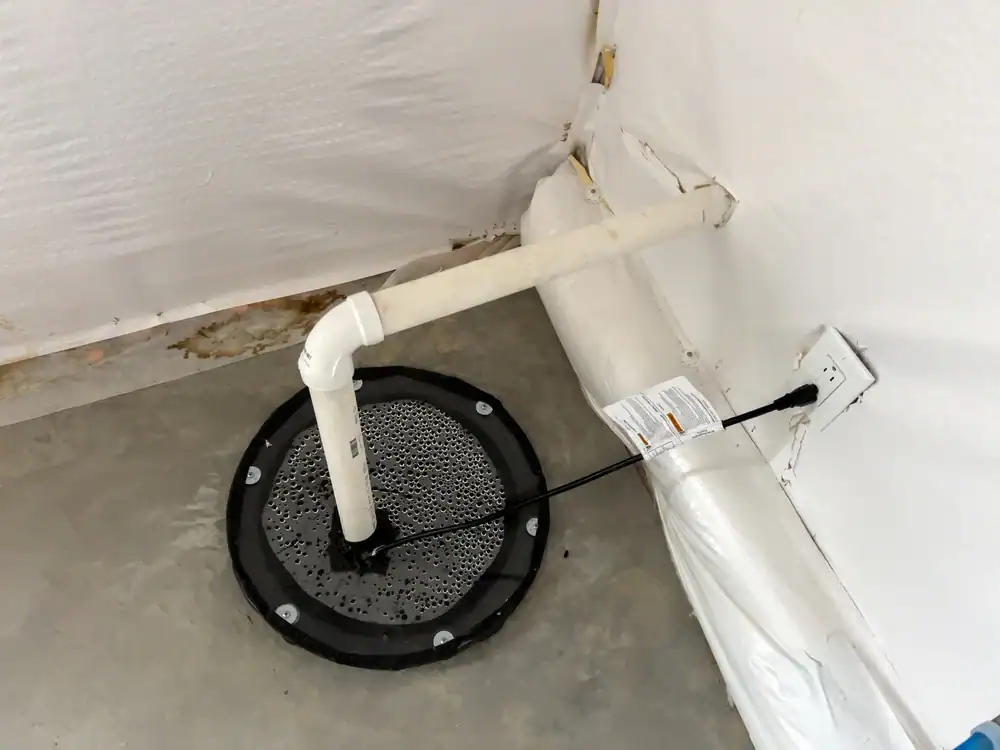
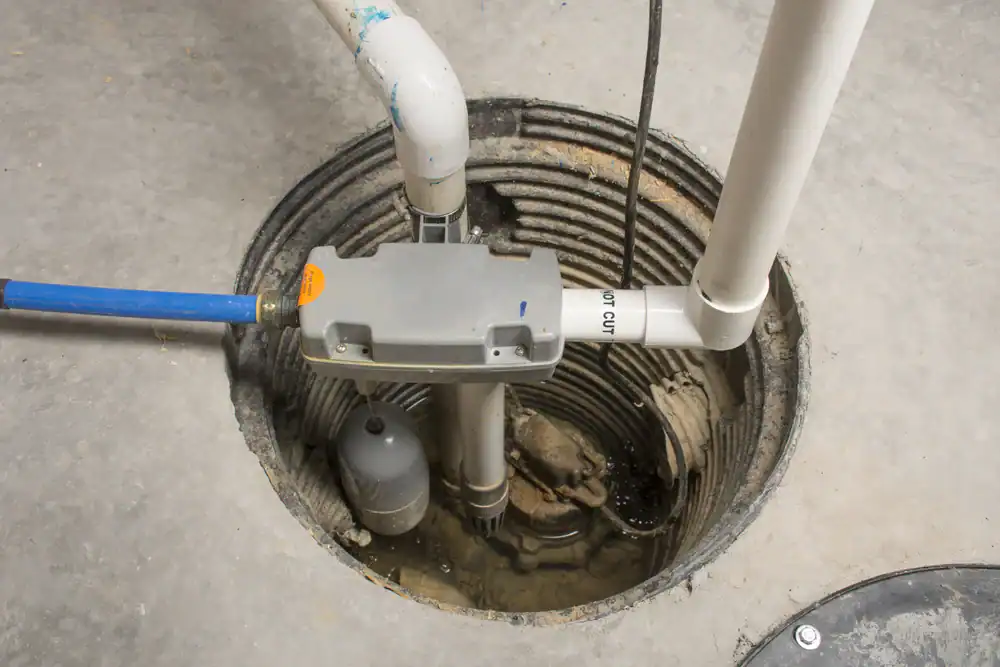
When your sump pump fails during a storm, you’re looking at standing water, damaged floors, ruined storage, and potential mold growth within 48 hours. That’s not a maybe—it’s what happens when pumps quit and water has nowhere to go.
A working sump pump means you sleep through storms instead of checking your basement every hour. It means your finished basement stays usable, your belongings stay dry, and you’re not dealing with insurance claims or restoration crews. You get to use your space the way you intended, without that constant worry about what the next rainfall will bring.
The difference between a maintained pump and a neglected one often shows up at the worst possible time. Regular sump pump maintenance catches worn parts, clogs in the sump pit, and battery backup failures before they leave you ankle-deep in groundwater. You’re not just fixing a mechanical problem—you’re protecting everything you’ve stored below ground level.
We’ve spent over 30 years dealing with moisture problems in North Carolina homes. We’ve seen what happens when sump pumps fail, when crawl spaces flood, and when homeowners wait too long to address water intrusion. That experience matters when you need someone who can diagnose the real problem, not just swap parts and hope.
We’re BBB accredited with an A+ rating and hold NADCA membership because we take this work seriously. Our team includes certified professionals who understand how water moves through your property and what it takes to keep it out. Rudd homeowners deal with the same clay soil, seasonal storms, and high water tables that affect the entire region—we’ve been handling those conditions since before most companies in this space even existed.
You’re not getting a plumber who occasionally works on pumps. You’re getting specialists in moisture control and water management who know exactly how sump pump systems fit into your home’s overall defense against flooding and foundation damage.
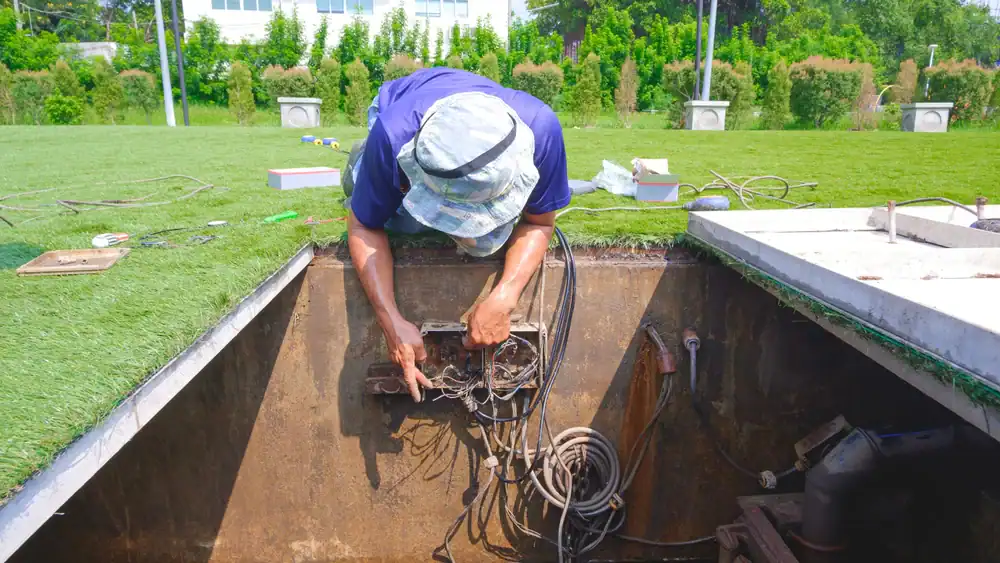
First, we show up when we say we will—especially if you’re dealing with an emergency plumber situation where water is actively coming in. We assess what’s failing: the pump itself, the float switch, the discharge line, the backup battery, or something in the sump pit that’s preventing proper operation.
Once we identify the issue, we explain what needs fixing and why. No upselling, no scare tactics—just a clear explanation of what’s broken and what it takes to get your system working again. If you need sump pump replacement instead of repair, we’ll tell you that too, along with what you’re actually paying for.
The repair or installation happens the same day whenever possible. We test the system under real conditions, make sure water flows where it should, verify your backup power works, and clean out any debris that could cause future problems. Before we leave, you know how to spot early warning signs and when to call for sump pump maintenance instead of waiting for another failure.
You get a system that works, an explanation of what we did, and straight answers about how long your equipment should last given your specific conditions.
Ready to get started?
Sump pump repair covers more than just the pump motor. We inspect and service the entire system: the pump itself, the float switch that triggers operation, the check valve that prevents backflow, the discharge pipe that carries water away from your foundation, and the sump pit where everything sits. If you have a battery backup system, we test that too—because a backup that doesn’t work when the power goes out isn’t actually a backup.
North Carolina’s climate creates specific challenges. Heavy spring storms, hurricane season, and clay soil that doesn’t drain well all put extra pressure on your sump pump system. Rudd homeowners often deal with seasonal water table changes that mean your pump works harder during certain months. We account for those local factors when we’re setting up or repairing your system, not just following a generic installation guide.
Sump pump installation includes proper pit sizing, correct pump capacity for your basement size and water volume, appropriate discharge routing that won’t just dump water back toward your foundation, and backup power options that match your actual needs. Sump pit cleaning removes the sediment and debris that builds up over time and can jam float switches or damage pump components.
You’re getting a complete system check, not just a quick fix on whatever’s obviously broken right now.

If your pump is running constantly, making grinding or rattling noises, or cycling on and off without actually moving water, something’s wrong. The question is whether it’s a fixable problem or whether the pump has reached the end of its useful life.
Most sump pumps last 7-10 years with regular use. If yours is in that range and showing problems, replacement usually makes more sense than repair—you’re paying for labor either way, and a new pump gives you years of reliability instead of a temporary fix on worn-out equipment. If your pump is newer and the issue is a failed float switch, clogged intake, or discharge line problem, repair is the smarter move.
Age isn’t the only factor. If your pump has been working overtime due to high water volume, or if it’s been running dry because of an incorrectly sized pit, it may have worn out faster than expected. We check the actual condition of the motor and components, not just the installation date. Sometimes what looks like a pump failure is actually a problem with your drainage system or a clogged sump pit that’s making a good pump work too hard.
Water comes in faster than it can drain naturally, and your basement floods. How bad it gets depends on how much water is trying to enter, how long the pump stays offline, and whether you catch the problem quickly.
The first few hours are critical. If you notice the failure early—because you hear water, see the pump isn’t running, or have an alarm system—you can sometimes minimize damage by using a backup pump, wet-vac, or emergency plumber response. If the failure happens overnight or while you’re away, you’re looking at significant standing water by the time you discover it.
This is why battery backup systems matter. When storms knock out power—which is exactly when your sump pump needs to work hardest—a backup system keeps pumping water out. Without it, your pump is useless until power returns, and your basement is filling up the entire time. We install and maintain backup systems specifically for this scenario, because we’ve seen too many homeowners learn this lesson the expensive way. The backup system costs less than one flood cleanup, and it works every time the power goes out.
Once a year is the standard recommendation, ideally before storm season when your pump will see the heaviest use. That annual service catches problems before they become emergencies.
During maintenance, we test the pump under load, verify the float switch activates at the right water level, check the discharge line for clogs or freezing damage, inspect the check valve, clean sediment from the sump pit, and test your backup battery if you have one. These aren’t things most homeowners can properly evaluate on their own—you need to see the pump work under actual conditions, not just pour a bucket of water in and hope for the best.
If your area has seen unusual weather, if you’ve noticed your pump running more frequently, or if you’ve had any water intrusion issues, schedule service sooner. The same goes if your pump is older or if you’re approaching the typical 7-10 year replacement window. Catching a failing component during scheduled maintenance costs a fraction of what you’ll pay for emergency sump pump repair during a storm, plus the water damage that happens while you’re waiting for help.
You can physically install a pump yourself if you’re comfortable with the work, but most DIY installations miss critical details that lead to problems later. Incorrect pit depth, wrong pump size, improper discharge routing, and inadequate backup systems are common issues we fix on homeowner-installed pumps.
The pump itself is just one piece. Your sump pit needs to be deep enough and properly lined, with a gravel base that allows water to enter freely. The discharge line needs to slope correctly, drain far enough from your foundation, and include a check valve to prevent backflow. The pump needs to be sized for your actual water volume—too small and it can’t keep up, too large and it short-cycles and wears out faster. Getting these details wrong means you’ve spent money on a system that doesn’t protect your home when you need it.
Professional sump pump installation also includes proper electrical work, which matters more than people realize. The pump needs a dedicated GFCI outlet, proper grounding, and if you’re adding a backup system, that requires additional electrical setup. We’ve seen DIY installations where the electrical work created safety hazards or where the pump wasn’t actually connected to backup power despite the homeowner thinking it was. For something this important to your home’s protection, professional installation eliminates the guesswork and gives you a system that actually works under pressure.
Your primary sump pump runs on household electrical power and handles normal water removal. It’s designed to run frequently and move high volumes of water. A backup system only activates when the primary pump fails or can’t keep up—it’s your insurance policy against flooding when something goes wrong.
Most backup systems run on battery power, which means they keep working during power outages when your primary pump is useless. Some homeowners use a water-powered backup that runs off municipal water pressure, which doesn’t require batteries but does increase your water bill when it operates. Battery backups are more common because they’re reliable, don’t depend on water pressure, and can run for hours during extended outages.
The backup doesn’t need to match your primary pump’s capacity—it just needs to move enough water to prevent flooding until power returns or you can get emergency service. A quality backup system includes a separate discharge line, its own switch mechanism, and a battery that’s sized for several hours of operation. We test both systems during maintenance to make sure they’ll actually work when you need them. Having a backup pump that’s never been tested is almost as bad as not having one at all—you won’t know it’s failed until your basement is flooding and it doesn’t kick on.
Constant running usually means one of three things: your pump is undersized for the water volume, your float switch is stuck or misadjusted, or you have a more serious groundwater or drainage problem that’s sending constant water toward your foundation.
If the pump is actually moving water each time it runs, you’re dealing with a water source issue. This could be a high water table, a broken drainage tile, groundwater seepage, or even a plumbing leak that’s filling your sump pit. The pump is doing its job, but something is creating more water than should normally be there. This needs investigation because even a properly sized pump will wear out fast if it’s running 24/7.
If the pump is cycling on and off without moving much water, the problem is usually mechanical. A stuck float switch can make the pump think water is present when it’s not. An incorrectly sized check valve can let water flow back into the pit after each cycle, triggering another pump cycle immediately. A pump that’s too powerful for your pit size can drain it so fast that it short-cycles constantly. These are all fixable problems, but they require someone who understands sump pump systems to diagnose correctly. Constant running isn’t just annoying—it’s burning out your pump motor and driving up your electric bill while signaling that something in your water management system needs attention.