

Contact Info
- Greensboro, NC 27406
- Call: 336-707-0498
- Text: 336-707-0498
-
Mon - Fri: 8am - 4pm
Sat - Sun: Closed
Contact Info
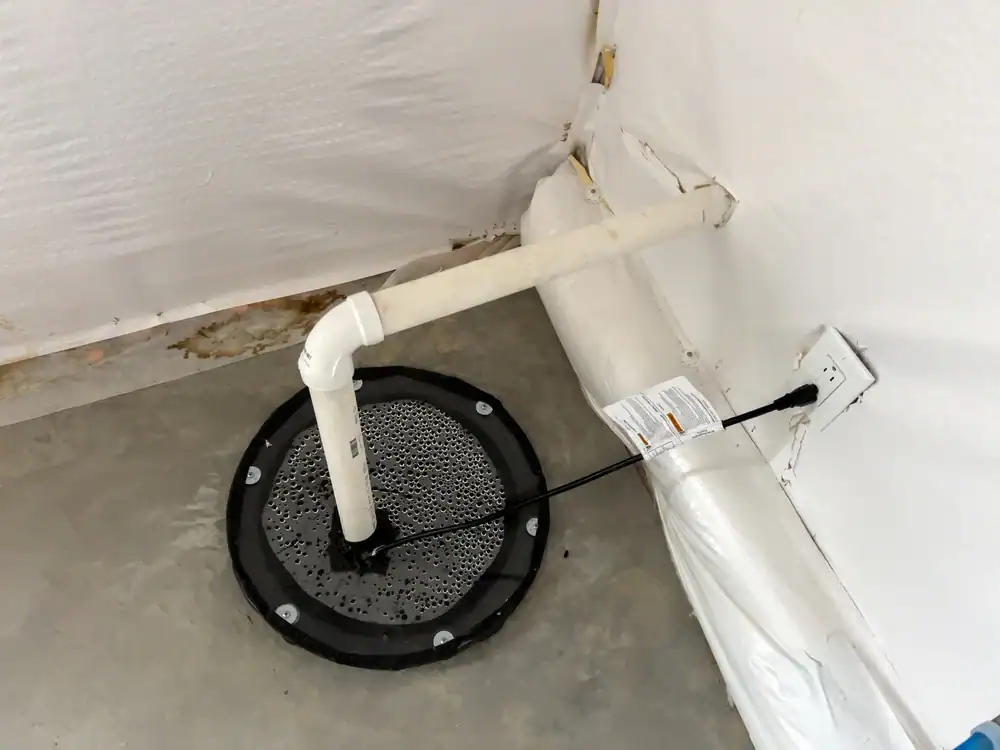
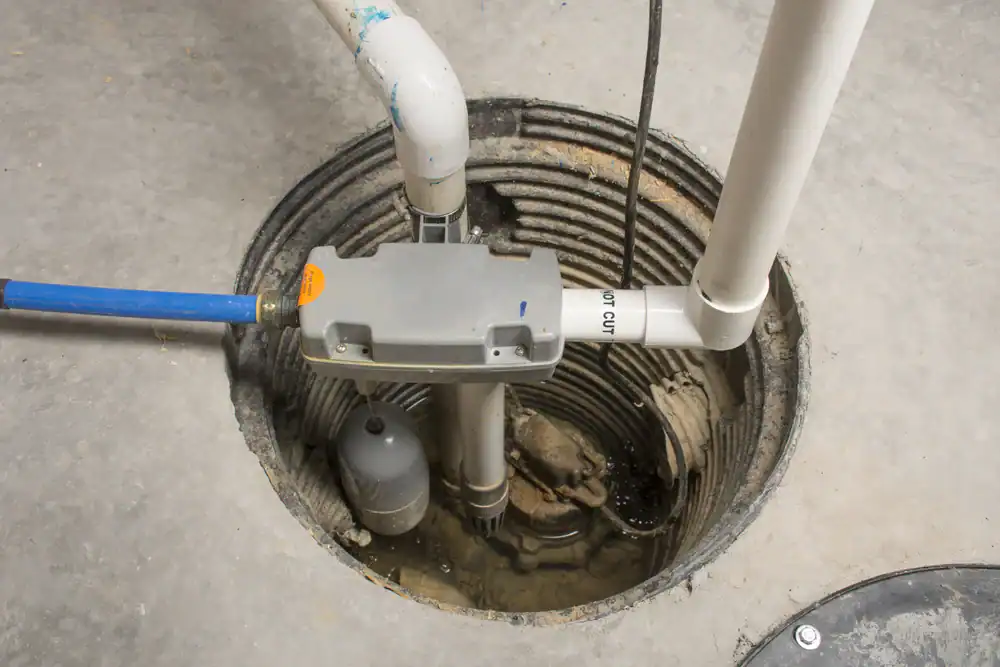
You shouldn’t have to wonder if your basement will flood during the next storm. A working sump pump means you’re not dealing with ruined belongings, mold growth, or emergency water extraction at 2 AM.
Rural Hall sits on clay-heavy soil that doesn’t drain well. When spring rains hit or snow melts fast, water builds up around your foundation. If your pump can’t keep up or quits entirely, that water finds its way inside.
We repair pumps that have failed, replace systems that can’t handle your home’s water volume, and install battery backups so you’re covered even when the power goes out. You get a basement that stays dry and a system you can count on when North Carolina weather does what it does.
We’ve spent over 30 years fixing moisture and air quality issues across Forsyth County. We’re BBB accredited and we’ve seen what happens when sump pumps fail in homes just like yours.
Rural Hall’s high water table and clay soil create specific challenges. We know how much rain your area gets, what happens to discharge lines in winter, and why some pumps get overwhelmed during heavy storms. That local knowledge matters when you need a repair that actually holds up.
We’re not a national franchise. We’re the team that shows up, diagnoses the real problem, and fixes it right the first time.
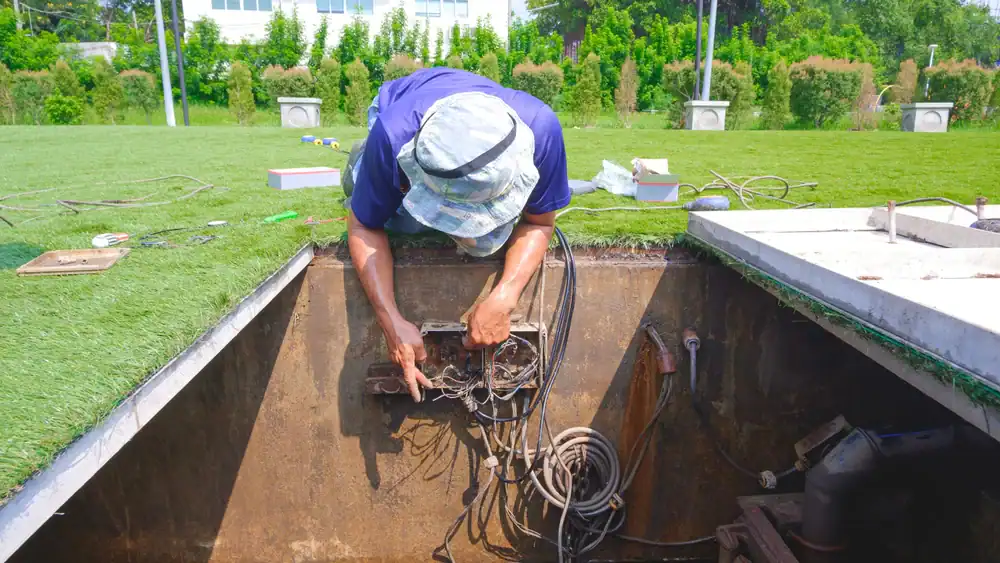
First, we come out and inspect your entire sump pump system. That means checking the pump itself, the float switch, the discharge line, the pit, and the backup power source if you have one. We’re looking for what failed and why it failed.
Then we explain what we found in plain terms. If your pump burned out from running constantly, we’ll tell you. If your pit is too small for the water volume your home deals with, you’ll know. If your discharge line freezes every winter because it’s not installed correctly, we’ll show you.
After that, we give you options. Sometimes a repair makes sense. Sometimes you need a replacement or an upgrade to a higher-capacity system. If you don’t have a battery backup and you should, we’ll recommend one. You decide what works for your situation and budget.
Once you approve the work, we handle the installation or repair completely. We test everything before we leave. You get a system that works and a clear explanation of how to maintain it.
Ready to get started?
We handle emergency sump pump repairs when your basement is actively flooding or your pump just quit. That includes diagnosing failures, replacing broken components, and getting your system running again fast.
We also do full sump pump installations for homes that need a new system or an upgrade. Rural Hall homes built on clay soil often need higher-capacity pumps than what builders originally installed. We size the system correctly for your property’s water volume, install it to code, and make sure the discharge line routes water away from your foundation properly.
Battery backup sump pump installation is part of what we offer too. Power outages happen during storms, which is exactly when you need your pump working. A backup system keeps running when the electricity doesn’t.
Regular sump pump maintenance catches problems before they become emergencies. We clean sump pits, test float switches, inspect discharge lines for freezing damage, and verify your pump can handle peak water flow. It’s the difference between a $200 service call and a $5,000 basement restoration.

If your pump runs constantly but your pit still fills with water, that’s a capacity problem. The pump can’t keep up with the volume of water entering your basement. You might need a higher-capacity replacement or a second pump.
Strange noises like grinding or rattling usually mean the motor is failing or debris is stuck in the impeller. That often requires repair or replacement depending on the pump’s age and condition.
If your pump doesn’t turn on at all, check the power source first. Then look at the float switch, which tells the pump when to start. Float switches fail regularly and they’re usually repairable. But if the motor itself is dead and your pump is over seven years old, replacement typically makes more sense than repair. Pumps don’t last forever, especially ones that run frequently in high water table areas like Rural Hall.
Power outages are the number one cause. Your pump needs electricity to run, and storms knock out power right when you need the pump most. That’s why battery backup systems exist.
Pumps also fail from being overwhelmed. Rural Hall’s clay soil doesn’t absorb water well, so heavy rain sends a lot of water toward your foundation fast. If your pump can’t evacuate water as quickly as it’s entering the pit, you’ll flood even with a working pump.
Lack of maintenance causes failures too. Sump pits fill with sediment and debris over time. That clogs the pump or jams the float switch. Discharge lines freeze in winter if they’re not installed with proper drainage. And pumps that run constantly during wet seasons burn out their motors faster. Most storm failures happen because the system wasn’t maintained or wasn’t sized correctly for the home’s actual water management needs.
If you have a finished basement, valuable items stored downstairs, or you’ve had water issues before, yes. A battery backup is cheap insurance against the exact scenario that causes the most damage: pump failure during a storm.
Rural Hall gets hit with severe weather that knocks out power. Your primary pump stops working right when water is rushing toward your foundation. A battery backup takes over automatically and keeps pumping until power returns.
The cost of a backup system is a fraction of what you’d pay for water damage restoration, mold remediation, and replacing ruined belongings. Most backups run $400-$800 installed, depending on the battery capacity you need. Compare that to the $5,000-$15,000 average cost of cleaning up a flooded basement. If your home sits in a low-lying area or you’ve seen your sump pump running hard during storms, a backup system makes sense.
Once a year minimum, ideally before spring when North Carolina gets the heaviest rainfall. That’s when your pump will work hardest and when failures cause the most damage.
Annual maintenance includes cleaning the sump pit, testing the float switch and check valve, inspecting the discharge line for damage or freezing issues, and running the pump to verify it’s working at full capacity. We also check that your backup battery holds a charge if you have one.
If your pump runs frequently because you’re in a high water table area, twice-yearly service makes more sense. Heavy use wears components faster. You want to catch a failing motor or a sticky float switch before it quits completely during a storm. Most sump pump failures are preventable with regular maintenance, but most homeowners don’t think about their pump until it stops working.
Discharge lines freeze when water sits in the pipe instead of draining completely. That happens if the line doesn’t slope away from your house properly or if it’s too long without a freeze-prevention setup.
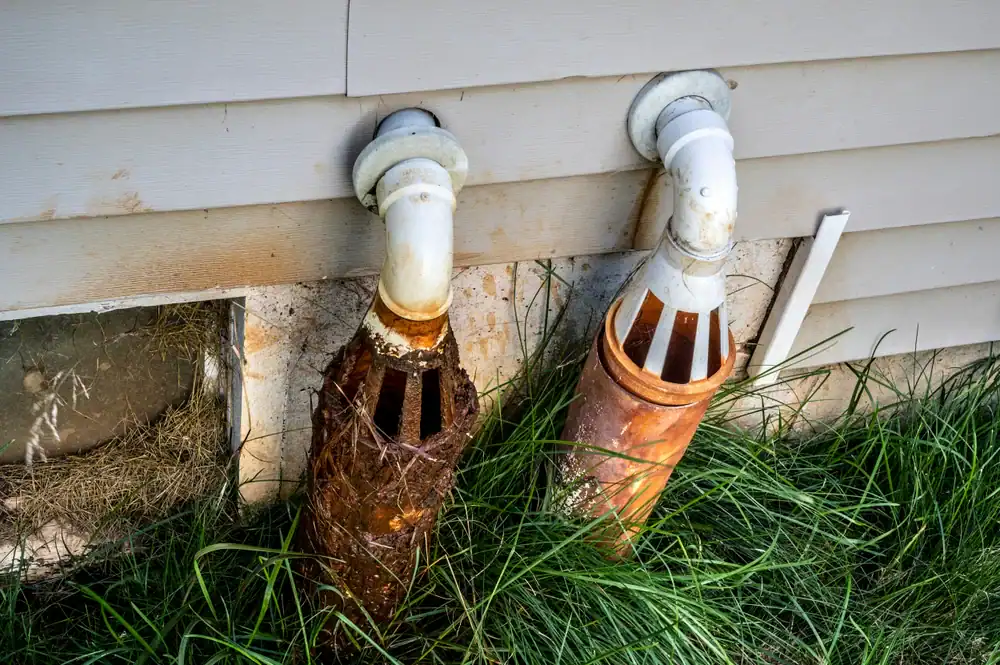
Rural Hall winters get cold enough to freeze standing water in pipes. If your discharge line runs above ground for any distance, water left in that section will freeze solid. Then your pump runs but can’t push water out, which can burn out the motor or flood your basement when the ice backs up into the pit.
The fix is either burying the discharge line below the frost line, installing a freeze-prevention valve that releases water before it reaches the above-ground section, or adding a discharge line that’s designed to drain completely after each pump cycle. Some homeowners try heat tape, but that only works if you have power. Proper installation that accounts for winter conditions is the real solution. We see this problem constantly in Rural Hall homes where the original discharge line was installed incorrectly.
Yes. If your pump failed and your basement is flooding or at risk, call us. We handle emergency repairs and we understand that sump pump failures don’t wait for business hours.
Emergency service means we diagnose the problem fast, tell you what failed, and get your pump working again or install a temporary solution if parts aren’t immediately available. Most failures come down to a burned-out motor, a stuck float switch, a tripped breaker, or a clogged discharge line. We carry common replacement parts and we can usually get your system running the same day.
If your pump is beyond repair and you need an emergency replacement, we can install a new system quickly. The goal is stopping the water damage and getting you protected again. After 30 years handling moisture control across Forsyth County, we’ve seen every type of sump pump failure Rural Hall homes deal with. We know what works and what doesn’t in your specific soil and water table conditions.