

Contact Info
- Greensboro, NC 27406
- Call: 336-707-0498
- Text: 336-707-0498
-
Mon - Fri: 8am - 4pm
Sat - Sun: Closed
Contact Info
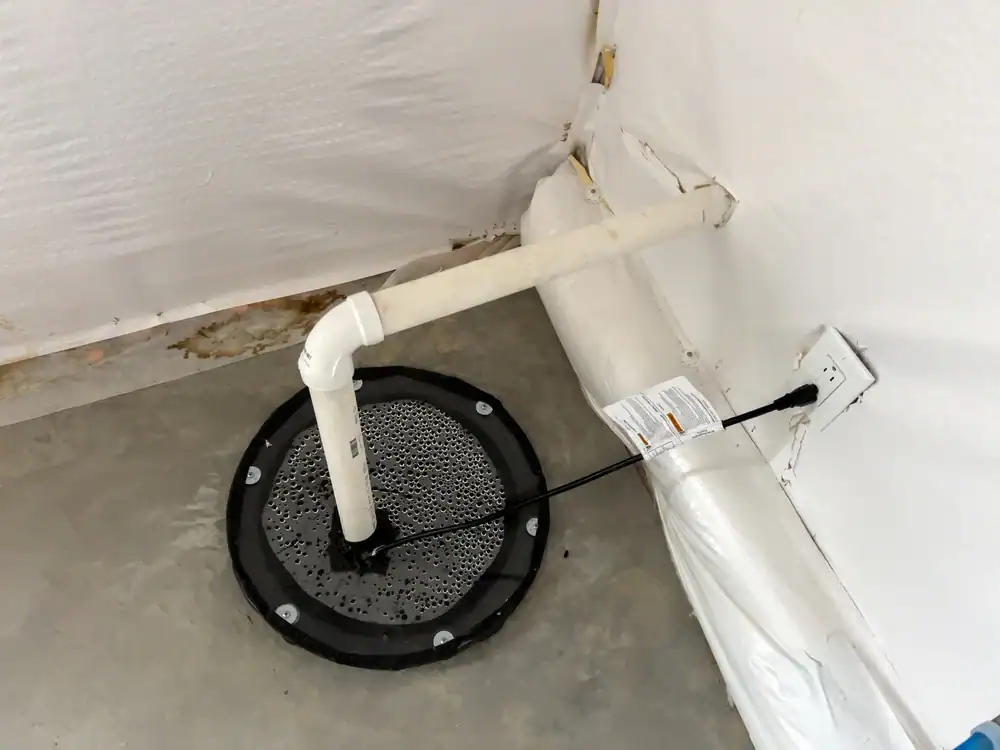
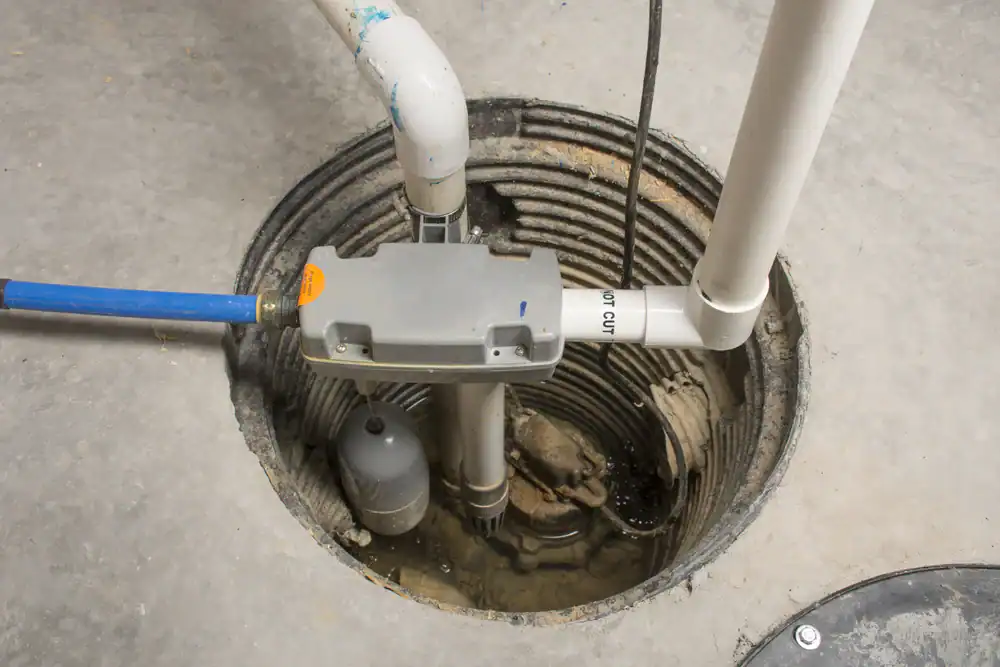
Two inches of water in a 2,500-square-foot home causes an average of $23,720 in structural damage and another $3,172 to your belongings. That’s FEMA’s data, not a scare tactic.
Most homeowners don’t realize their sump pump isn’t working until water’s already pooling. By then, you’re looking at foundation damage, ruined insulation, mold growth, and a massive insurance claim—if your policy even covers it. Spoiler: most standard policies don’t cover sump pump backup or seepage.
A working sump pump is your first line of defense. It keeps water out of your crawl space, protects your foundation, and prevents the kind of damage that turns a $289 repair into an $11,000 nightmare. You don’t need a new system every time something goes wrong. You need someone who knows how to diagnose the real problem and fix it right the first time.
We’ve spent over 30 years helping North Carolina homeowners protect their biggest investment. We’re BBB accredited, locally owned, and we’ve seen every kind of crawl space disaster this state can throw at a house.
Sandy Ridge has a lot of older homes—the median build year here is 1975. That means aging plumbing, outdated drainage, and sump pumps that were installed decades ago and never maintained. We’ve worked in hundreds of crawl spaces just like yours across Guilford, Randolph, Alamance, and Forsyth Counties.
We’re not a national franchise. We’re the team that shows up when your basement floods at 2 a.m., and we’re the same people you’ll talk to when you call back six months later with a question. You get experience, accountability, and someone who actually understands how North Carolina weather beats up a home.
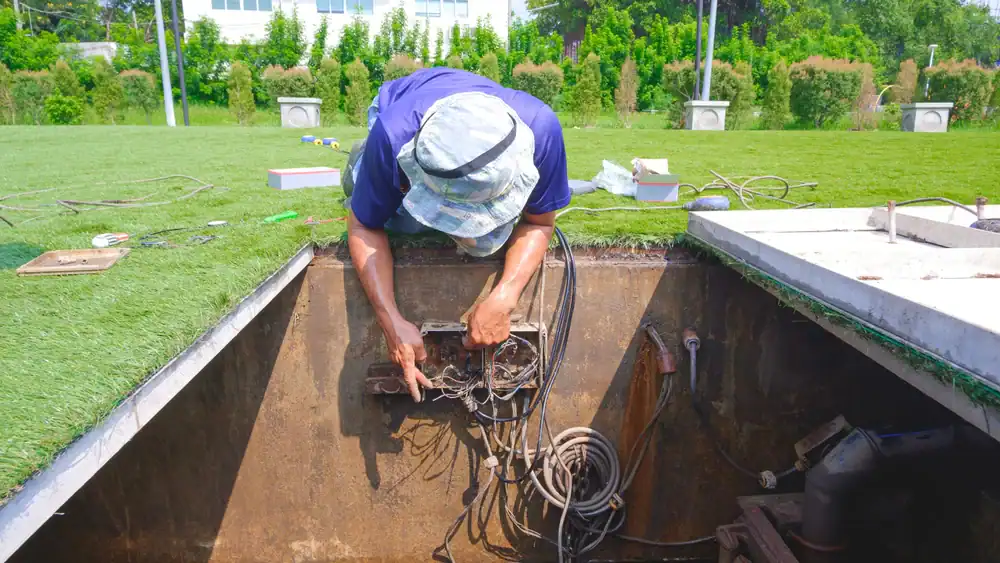
First, we inspect your sump pump and the entire pit. Most failures aren’t the pump itself—it’s a clogged discharge line, a stuck float switch, or a check valve that’s been leaking for months. We test everything: the pump, the backup battery if you have one, the outlet, and the drainage system around your foundation.
Then we tell you what’s actually wrong. Not what we think you want to hear, and not the most expensive option. If your pump just needs a new float switch and a pit cleaning, that’s what we’ll recommend. If the motor’s shot and you’re better off replacing the unit, we’ll explain why and show you the options.
Once we agree on the fix, we handle it the same day whenever possible. Sump pump repairs don’t usually take long—most jobs are done in a few hours. If you need a full sump pump replacement or want to add a battery backup system, we’ll walk you through the install process and make sure your crawl space drainage is set up to handle heavy rain without depending entirely on one piece of equipment.
Before we leave, we test everything under load and show you how to check it yourself between service visits. You’ll know what to listen for, what to look for, and when to call us back.
Ready to get started?
You’re not just getting a repair. You’re getting a full assessment of why your sump pump failed and what’s going to fail next if you don’t address it now.
We clean out your sump pit—most are full of sediment, dirt, and debris that clogs the pump and shortens its lifespan. We check your discharge line to make sure water’s actually leaving your property and not draining back toward your foundation. We inspect your crawl space for standing water, moisture damage, and signs that your pump’s been struggling for a while.
If you’ve had repeated issues, we’ll look at the bigger picture. Maybe your grading is pushing water toward your house. Maybe your gutters are dumping thousands of gallons right next to your foundation. Maybe you need a second pump or a more robust drainage system. We’ll tell you what’s worth fixing now and what can wait.
North Carolina gets hit with heavy rain, hurricanes, and flash flooding—even here in Sandy Ridge, miles from the coast. After Hurricane Florence, Matthew, and Fred, we saw entire neighborhoods with flooded crawl spaces because their sump pumps couldn’t keep up or lost power. A battery backup sump pump can be the difference between a dry crawl space and $20,000 in repairs. We install those too, and we’ll help you decide if it makes sense for your home.

If your pump is running constantly, making grinding or rattling noises, or not turning on at all, something’s wrong. Most sump pumps last seven to ten years, but that assumes regular maintenance and normal use. If yours is older than that, replacement is usually the smarter move.
Here’s the thing: a repair might cost you $289 on average, but if your pump is eight years old and already failing, you’re likely looking at another failure within a year or two. At that point, you’re better off spending a bit more now for a new pump with a warranty than paying for multiple repairs on a dying unit.
We’ll always give you both options. If a repair buys you another few years and makes financial sense, we’ll tell you. If you’re throwing good money after bad, we’ll tell you that too. The goal is to keep your crawl space dry without wasting your money on a temporary fix.
Power outages are the number one reason. Your sump pump runs on electricity, and when the power goes out during a heavy storm—exactly when you need it most—it stops working. That’s why we recommend battery backup systems for homes in flood-prone areas or with finished basements.
The second most common cause is the pump getting overwhelmed. If you’re getting several inches of rain in a short period and your sump pit is filling faster than your pump can move water out, you’ll get overflow. This happens a lot in homes with poor drainage or undersized pumps.
Clogs are another big one. Debris, sediment, and dirt build up in the sump pit over time and either block the pump intake or jam the float switch so it doesn’t trigger. Regular sump pit cleaning prevents this, but most homeowners don’t think about it until the pump stops working. We clear out the pit during every service call because it’s one of the easiest ways to extend the life of your equipment and avoid emergency repairs.
Usually not. Most standard homeowners policies specifically exclude water damage caused by sump pump failure, backup, or seepage. You can sometimes add a rider or endorsement for sump pump coverage, but it’s not automatic, and a lot of homeowners don’t realize they’re not covered until they file a claim.
Here’s the hard truth: only about 5.2% of homes with flood damage in North Carolina had any flood insurance at all, according to recent FEMA data. That means the vast majority of people are paying out of pocket for repairs. The average water damage claim is around $11,000, and that’s if your insurance even covers it.
The best insurance is prevention. A working sump pump, regular maintenance, and a backup power source will save you a lot more money than any insurance payout. If your pump fails and your crawl space floods, you’re looking at foundation repairs, mold remediation, new insulation, and possibly structural work. That adds up fast. Spending a few hundred dollars on sump pump repair or a few thousand on a new system with battery backup is a bargain compared to what water damage costs.
At least once a year, ideally before storm season. Spring is a good time because that’s when North Carolina sees the most rain, and you want to catch problems before you’re dealing with three inches of water in your crawl space.
If you use your sump pump heavily—meaning it runs multiple times a week or you live in an area with a high water table—you should have it checked twice a year. Frequent use means more wear on the motor, float switch, and check valve. Catching a worn part early is a lot cheaper than replacing a burned-out motor or dealing with a flooded crawl space.
You can do some basic checks yourself between professional inspections. Pour a bucket of water into the sump pit and make sure the pump kicks on and drains it quickly. Listen for unusual noises. Check that the discharge line isn’t frozen or clogged. But a real inspection means pulling the pump, cleaning the pit, testing the backup battery if you have one, and making sure your drainage system is directing water away from your foundation. That’s the kind of thing you want a professional handling, especially if your home was built in the ’70s like a lot of houses in Sandy Ridge.
Repair means fixing a specific part—replacing a float switch, clearing a clog, fixing a stuck check valve, or swapping out a failed outlet. Replacement means pulling the old pump and installing a new one, usually because the motor is shot or the unit is too old to be worth repairing.
If your pump is less than five years old and the problem is isolated to one component, repair almost always makes sense. You’re looking at a couple hundred dollars instead of a full replacement. But if your pump is pushing ten years old, has needed multiple repairs, or the motor itself is failing, replacement is the smarter long-term investment.
We’ll walk you through the math. A new sump pump with installation might cost you $800 to $1,500 depending on the model and whether you add a battery backup. If you’ve already spent $300 on repairs in the last year and your pump is eight years old, another repair is just delaying the inevitable. You’re better off getting a new pump with a warranty and peace of mind. We’re not here to upsell you—we’re here to give you the information you need to make the right call for your home and your budget.
Yes, and we recommend it for most homes here. Sandy Ridge gets severe weather, and power outages during storms are common. A battery backup sump pump kicks in automatically when your primary pump loses power or can’t keep up with the volume of water coming in.
Battery backups aren’t just for people with finished basements or expensive crawl space buildouts. If your home was built in 1975 or earlier—which is the median age in Sandy Ridge—your foundation and floor joists are already dealing with decades of moisture exposure. One major flooding event can cause structural damage that costs tens of thousands to repair. A battery backup system is a few thousand dollars and can save you from that nightmare.
We install backup systems as standalone units or as part of a new sump pump installation. They’re designed to run for several hours on a full charge, which is usually enough to get you through a storm even if the power’s out. We’ll also show you how to test the battery and when to replace it so you’re not caught off guard. It’s one of the best investments you can make if you want real protection against flooding, especially in a state where hurricanes and tropical storms are a regular threat.