

Contact Info
- Greensboro, NC 27406
- Call: 336-707-0498
- Text: 336-707-0498
-
Mon - Fri: 8am - 4pm
Sat - Sun: Closed
Contact Info
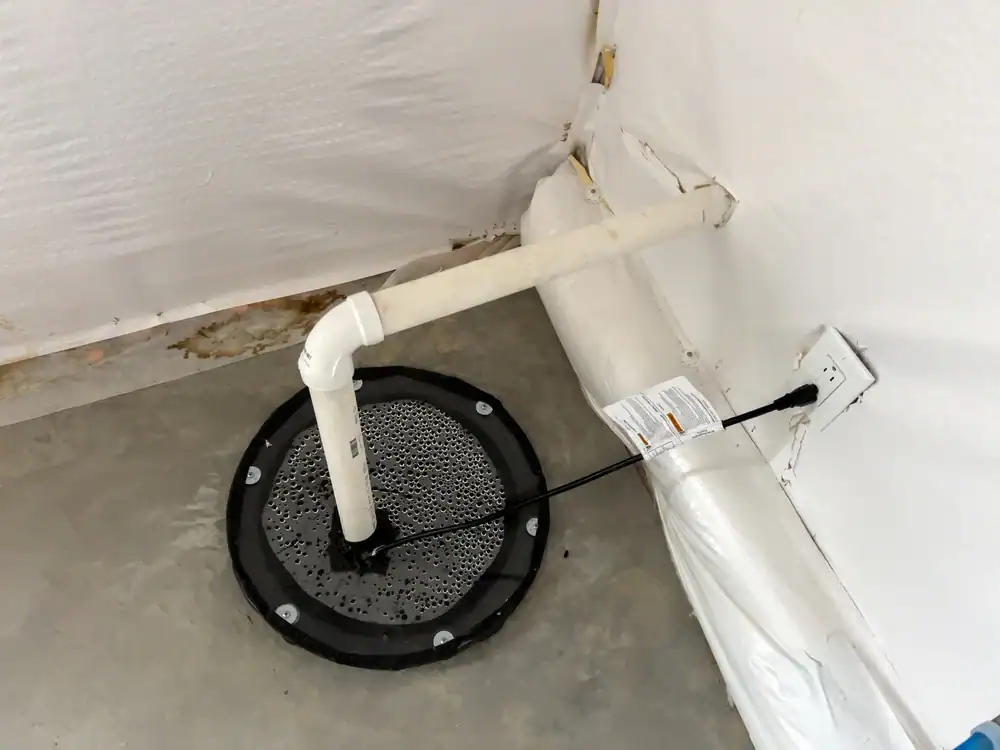
You’re not worried every time the forecast shows rain. Your basement stays dry, your belongings stay safe, and you’re not dealing with mold growing in corners you can’t reach.
A working sump pump means you sleep through storms instead of checking the basement at 2 a.m. It means your HVAC system isn’t fighting against humidity all summer. It means the air quality in your home doesn’t suffer because standing water is breeding mold spores that get pulled into your ductwork.
Most homeowners in Scalesville don’t think about their sump pump until it stops working. By then, you’re looking at water damage, potential foundation issues, and the kind of moisture problems that affect your whole house. We’d rather catch it before that happens—or fix it fast when it does.
Clean Air LLC has spent over 30 years helping Greensboro-area homeowners deal with moisture, air quality, and the problems that come with North Carolina’s humid climate. We’re BBB accredited with an A+ rating, and our owner Rick Watson holds ASCS and CVI certifications.
Sump pump repair fits directly into what we already do—crawlspace encapsulation, moisture control, and keeping your indoor environment healthy. When your pump fails, it’s not just a plumbing issue. It’s a moisture issue that affects your foundation, your air quality, and your home’s structural integrity.
We’re local to the Scalesville area. We understand how the water table behaves here, what basements in this region deal with, and how quickly things can go wrong during our heavy spring rains.
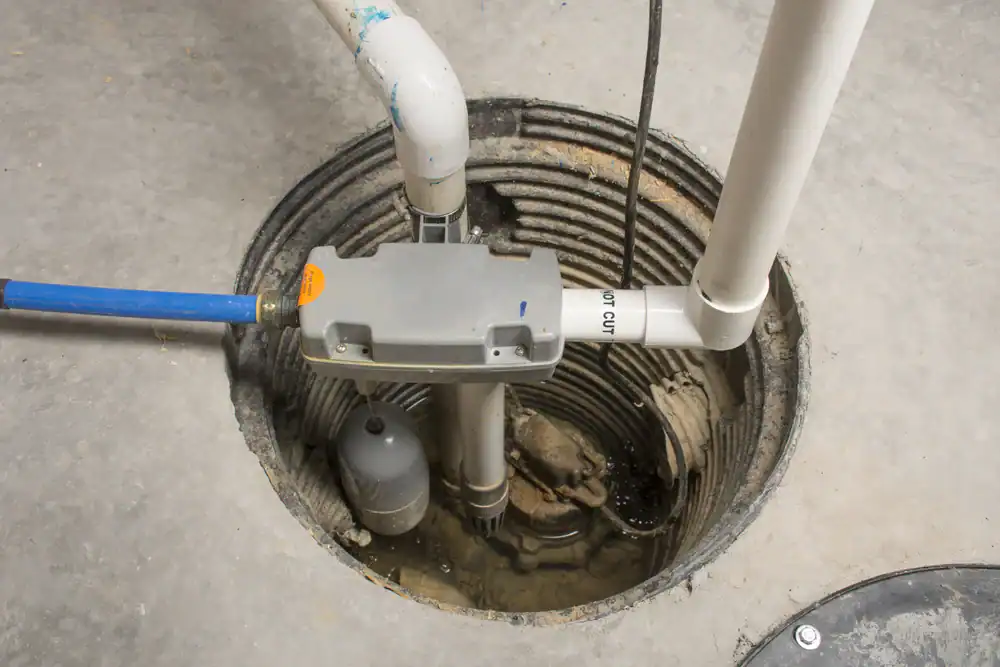
First, we show up—fast if it’s an emergency. We inspect the entire system: the pump itself, the float switch, the discharge line, the check valve, and the sump pit. Most failures come down to a few common culprits, and we can usually diagnose the problem within minutes.
If it’s a simple fix—stuck float switch, clogged discharge line, tripped breaker—we handle it on the spot. If the pump motor has failed or the system is outdated, we’ll walk you through your options. Sometimes repair makes sense. Sometimes sump pump replacement is the smarter move, especially if your current setup is undersized or past its lifespan.
We test everything before we leave. You’ll see the pump cycle, watch the water drain, and know exactly what we did and why. If we recommend sump pump maintenance or a backup system, we’ll explain what that looks like and what it costs—no pressure, just information.
Ready to get started?
Every service call includes a full system inspection. We check the pump, the pit, the drainage, and the power supply. We clean out debris that might be clogging your sump pit. We test the float mechanism and make sure your discharge line isn’t frozen, kinked, or draining back toward your foundation.
Scalesville homes deal with specific challenges. The soil composition here means water doesn’t always drain away naturally. Add in our heavy rainfall patterns, and you need a sump pump system that’s sized right and maintained regularly. We’ve seen too many homes with pumps that are too small for the job or discharge lines that dump water right back against the foundation.
If you need sump pump installation or a full replacement, we’ll make sure it’s done right the first time. That means proper pit depth, correct pump capacity for your basement size, a check valve to prevent backflow, and a discharge line that actually moves water away from your home. We also talk through battery backup options, because losing power during a storm is exactly when your pump needs to work.

If your pump is running constantly, making grinding or rattling noises, or not turning on at all, something’s wrong. The question is whether it’s worth fixing.
Pumps that are less than seven years old and just have a stuck float switch or a clogged intake are usually worth repairing. Pumps older than ten years, especially ones that have already been repaired before, are often better off replaced. The motor wears out, parts become harder to find, and you’re basically waiting for the next failure.
We’ll tell you honestly which situation you’re in. If a $150 repair buys you another five years, that’s worth it. If you’re looking at a $200 repair on a 12-year-old pump that’s already showing other signs of wear, replacement makes more sense. We’re not here to sell you something you don’t need, but we’re also not going to patch a failing system just to have you call us back in three months.
Power outages are the biggest culprit. Your pump runs on electricity, and storms knock out power. Even if your pump is in perfect condition, it can’t run without power unless you have a battery backup system.
The second most common issue is overwhelm. If your pump is undersized for your basement or the water table rises faster than your pump can handle, it’ll run continuously and eventually burn out the motor. We see this a lot in Scalesville during spring when we get multiple heavy rains in a short period.
Clogs and mechanical failures also spike during storms because that’s when your pump is working hardest. A float switch that’s been sticking occasionally will fully fail when it’s cycling every few minutes. A discharge line that’s partially blocked will freeze up completely under heavy flow. Regular sump pump maintenance catches these issues before they become emergency calls, but most people don’t think about it until water is already pooling.
Once a year is the standard recommendation, ideally before spring when you’re most likely to need it. An annual service includes cleaning the pit, testing the float and switch, checking the discharge line, and making sure the pump cycles properly.
If your basement deals with water frequently or your pump runs often, twice a year makes sense. You’re putting more wear on the system, and small issues turn into big problems faster when the equipment is working harder.
You can do some basic maintenance yourself between professional visits. Pour a bucket of water into the pit every few months to make sure the pump kicks on. Check that the discharge line isn’t blocked or frozen. Listen for unusual noises. But a real inspection means pulling the pump, checking the intake screen, testing the check valve, and making sure the electrical connections are solid—that’s not a DIY job for most homeowners.
Yes, and if you’ve ever lost power during a storm, you already know why it matters. A battery backup system keeps your pump running when the power goes out, which is exactly when your basement is most at risk.
There are two main types: battery-powered backup pumps and water-powered backup pumps. Battery systems are more common and work well for most homes. They kick in automatically when the primary pump fails or loses power, and a good battery will run for several hours depending on how often it needs to cycle.
Water-powered backups use your home’s water pressure to pump out the sump pit. They don’t need electricity or batteries, but they only work if you have municipal water with strong pressure. They also use a fair amount of water, which adds to your bill during an outage. We’ll look at your specific setup and recommend what makes sense for your home, your budget, and how much risk you’re dealing with. Most Scalesville homeowners go with a battery backup because it’s reliable and doesn’t depend on water pressure staying consistent during a storm.
Repair means fixing what’s broken—replacing a float switch, clearing a clog, fixing a valve, or addressing an electrical issue. Replacement means pulling the old pump and installing a new one, usually because the motor has failed or the pump is too old to be reliable.
The decision comes down to age, cost, and reliability. If your pump is relatively new and the repair is straightforward, fixing it makes sense. If it’s old, has been repaired before, or the repair cost is more than half the price of a new pump, replacement is usually smarter.
We’ve seen homeowners spend $300 repairing a 15-year-old pump, only to have something else fail six months later. At that point, they’ve spent nearly as much as a new installation would have cost, and they still don’t have a reliable system. We’d rather be straight with you up front about what’s worth fixing and what’s not. Sometimes the right answer is spending a little more now to avoid spending a lot more later.
Yes. When your pump fails during a storm and water is coming in, that’s an emergency. We prioritize those calls because we know every hour matters when you’re trying to prevent water damage.
Emergency service means we respond as quickly as possible, usually within a few hours depending on call volume and weather conditions. We carry common parts and replacement pumps on our trucks, so there’s a good chance we can get your system working the same day.
If it’s the middle of the night and your basement is flooding, call us. If it’s a Saturday afternoon and you just noticed your pump isn’t working, call us. We’d rather help you before the next rain than after the damage is done. Keep in mind that emergency calls during off-hours may have different pricing than scheduled service, but we’ll always tell you the cost before we start work.