

Contact Info
- Greensboro, NC 27406
- Call: 336-707-0498
- Text: 336-707-0498
-
Mon - Fri: 8am - 4pm
Sat - Sun: Closed
Contact Info
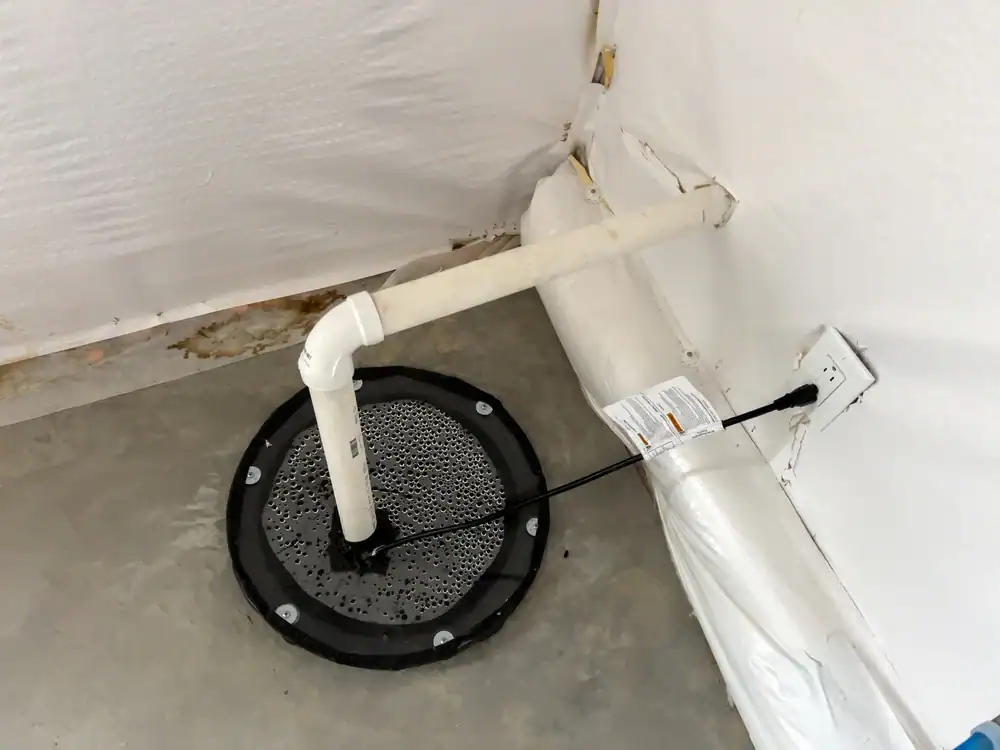
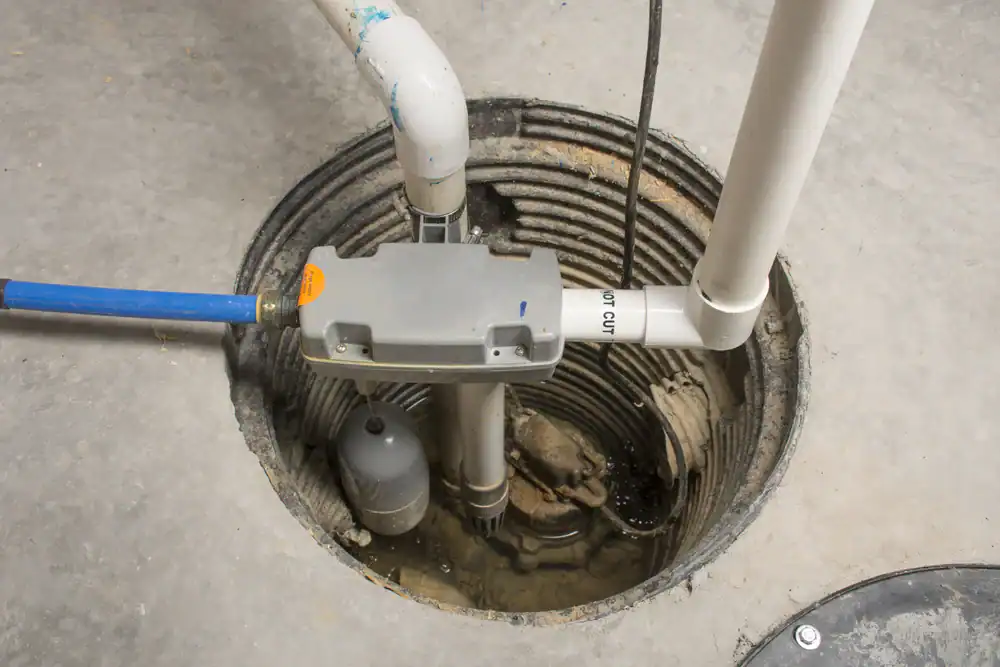
You sleep through storms without checking your basement every hour. Your foundation stays dry, your belongings stay safe, and you’re not dealing with mold growth or structural damage months later.
When your sump pump works right, you don’t think about it. No strange grinding noises. No water pooling in corners. No panic when the forecast shows heavy rain coming through Sedalia and the surrounding Greensboro area.
North Carolina sees serious flooding. Between Hurricane Matthew, Florence, and regular severe weather, over 545,000 damage claims have been filed here in the last two decades. Your sump pump is the difference between a dry basement and thousands in water damage. When it fails during a storm, you’re looking at ruined carpet, destroyed belongings, compromised structural beams, and mold that threatens your family’s health.
We’ve spent over 30 years keeping basements and crawl spaces dry across the Greensboro area. We’ve seen what North Carolina weather does to homes in Sedalia, and we know exactly how your sump pump needs to perform when storms roll through.
We’re not general plumbers who occasionally touch a sump pump. We specialize in the complete moisture control picture—from sump pump repair and installation to crawl space encapsulation and indoor air quality. That means we fix the pump and address why it’s working overtime in the first place.
You get technicians who understand local soil conditions, seasonal water table changes, and how Sedalia homes are built. We’ve been here through Floyd, Matthew, Florence, and Fred. We know what fails and why.
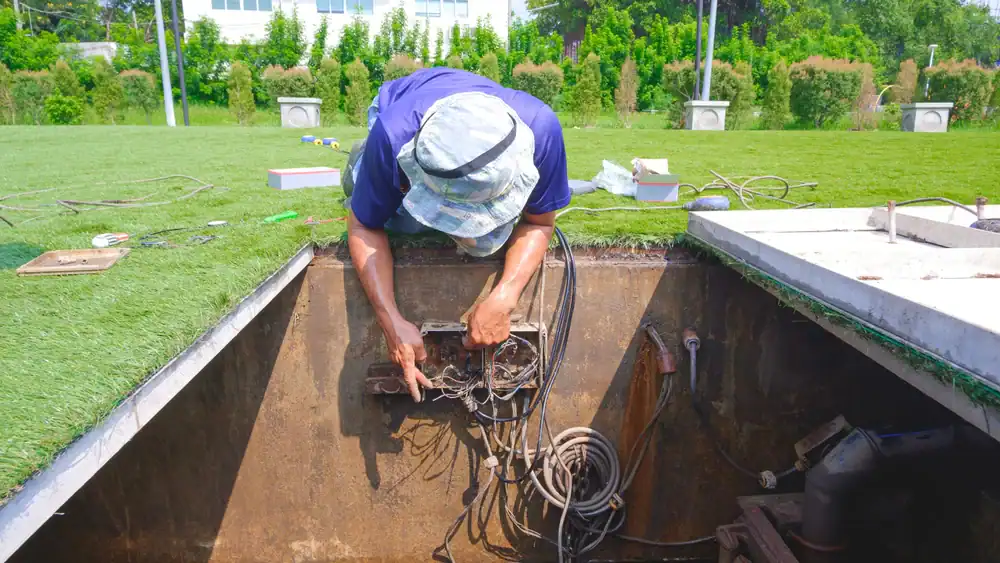
First, we show up when we say we will—including emergency calls when your basement is taking on water. We assess the entire system, not just the obvious problem. That means checking your sump pit for debris, testing the float switch (the most common failure point), inspecting the discharge line, and making sure your backup power system actually works.
We explain what’s broken and why. You’ll understand whether you need a simple repair, component replacement, or full sump pump installation. We don’t upsell—if your pump just needs maintenance and a new float switch, that’s what we recommend.
Once you approve the work, we fix it right. We test everything before we leave, including running water into the pit to watch the pump cycle. You see it working. If you need a battery backup system because power outages are common in your area, we install that too. We clean up completely and walk you through basic maintenance so you know what to watch for.
Ready to get started?
You get a complete system inspection—pump, float switch, check valve, discharge line, and sump pit. We clear out any debris or sediment that’s built up. In Sedalia’s clay-heavy soil, sump pits collect sediment faster than you’d expect, and that clogs pumps.
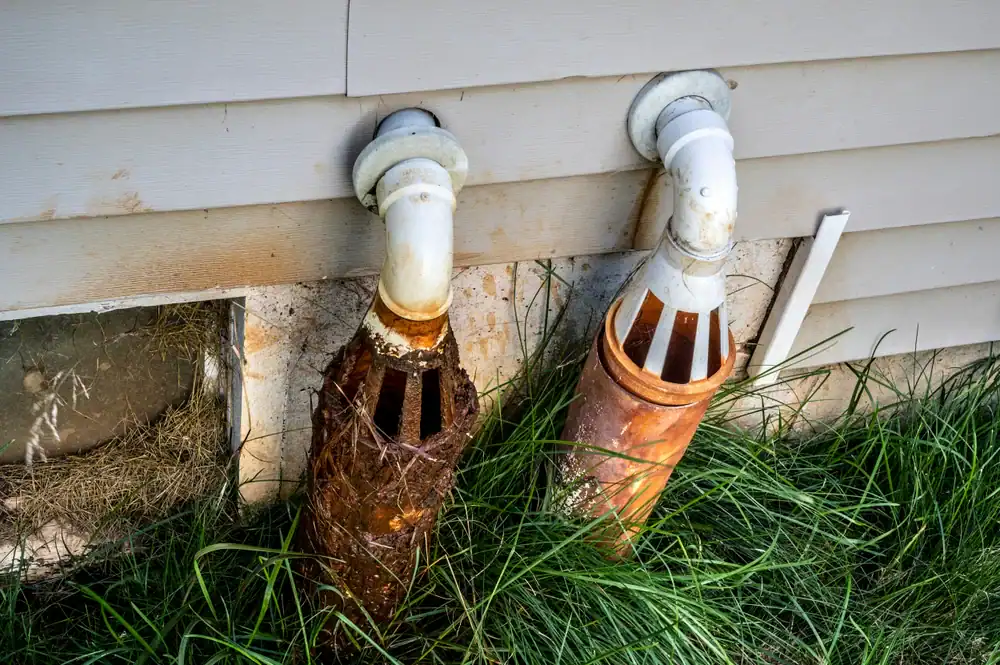
We test the float switch thoroughly because it fails more than any other component. Most manufacturers recommend replacing it every two years. If yours is older or showing wear, we’ll tell you. We also check that your discharge line isn’t frozen (winter issue), clogged, or draining too close to your foundation where it just recycles water back to your basement.
If you don’t have a battery backup sump pump, we’ll recommend one. North Carolina storms knock out power right when you need your pump most. A backup system keeps running when the grid doesn’t. We also look at your crawl space if moisture problems are overwhelming your pump—sometimes the real fix is encapsulation that stops water before it reaches the pit.
One in 67 homes files a water damage claim each year. The average repair cost is over $10,000. Annual sump pump maintenance costs a fraction of that and catches problems before they flood your basement.

Listen for unusual noises first. A working sump pump hums quietly. If it sounds like a washing machine, grinds, or rattles, something’s wrong—usually the impeller is damaged or the motor is failing.
Check how often it runs. If your pump cycles constantly even in dry weather, it’s either undersized for your water volume, the float switch is stuck, or there’s a plumbing issue. If it doesn’t run at all during heavy rain, the float switch has likely failed or the pump is dead.
Look for water. If you see pooling in your basement or the sump pit stays full, your pump isn’t keeping up. Age matters too—most sump pumps last 7-10 years. If yours is older and showing any problems, replacement is smarter than repeated repairs. We can assess your specific situation and tell you whether a repair buys you several more years or you’re just delaying the inevitable.
Power outages are the biggest culprit. Heavy rain and wind knock out electricity right when your pump needs to run most. Without a battery backup system, your pump sits useless while water rises.
Overwhelmed capacity is next. If your pump is undersized or your area gets record rainfall, it can’t keep up. North Carolina has seen multiple 500-year flood events in the last decade. A pump that handled normal conditions fails when water volume spikes.
Float switch failure happens constantly. The float tells your pump when to turn on. If it gets stuck, corroded, or tangled, the pump never activates. Clogged discharge lines also cause failures—if water can’t exit through a frozen or blocked pipe, it backs up into your basement. Regular maintenance catches these issues before storm season hits.
At least once a year, ideally before spring storm season. Annual maintenance catches worn parts, clears debris from your sump pit, and tests that everything activates properly.
If you live in an area with high water tables or your pump runs frequently, twice a year makes sense. We recommend checking it yourself every few months too—pour a bucket of water into the pit and make sure the pump kicks on and drains it quickly.
Replace your float switch every two years even if it seems fine. It’s the most common failure point and cheap compared to flood damage. If you’ve had any basement moisture issues, heavy storms, or power outages since your last service, get it checked sooner. The worst time to discover your sump pump doesn’t work is when your basement is flooding.
If you’ve ever lost power during a storm in Sedalia, yes. Power outages happen exactly when you need your sump pump running. A battery backup system keeps pumping water out when the electricity cuts off.
North Carolina storms are unpredictable. You might lose power for 20 minutes or 20 hours. Without backup, every minute your pump sits idle is water rising in your basement. Two inches of water in a standard home causes over $26,000 in damage to your property and belongings.
Battery backups aren’t that expensive compared to one flooding incident. They charge while your main pump runs on electricity, then automatically take over during outages. Some homeowners also install water-powered backup pumps that use municipal water pressure—no battery or electricity needed. We can explain which option makes sense for your situation and budget.
Repair makes sense when a specific component fails but the pump itself is still good. Common repairs include replacing the float switch, fixing a stuck check valve, clearing a clogged impeller, or repairing discharge line issues. If your pump is relatively new (under 5 years) and just has one problem, repair is usually the right call.
Replacement is smarter when your pump is old, has multiple issues, or keeps failing. If it’s over 7 years old and needs a second repair, you’re better off installing a new system. Pumps don’t last forever—motors wear out, parts corrode, and efficiency drops.
We’ll tell you honestly which makes financial sense. Sometimes a $150 float switch replacement buys you three more years. Other times you’re looking at a failing motor in an 8-year-old pump, and spending money on repairs just delays a replacement you’ll need in six months anyway. We assess the whole system and give you options with real costs so you can decide.
Yes. We handle emergency sump pump repair when your basement is flooding or about to flood. When you call during a crisis, we prioritize getting someone to your Sedalia home as quickly as possible.
Emergency service means we assess the situation fast, stop the immediate water intrusion if possible, and determine whether we can repair your existing pump or need to install a replacement right away. Sometimes we can get your current pump working temporarily while we order the right replacement parts or system.
We keep common components in stock—float switches, check valves, and backup pumps—so we can often fix problems same-day. If your pump is completely dead and can’t be revived, we’ll discuss emergency sump pump installation options to protect your home. The goal is stopping water damage as fast as possible, then creating a permanent solution so it doesn’t happen again.