

Contact Info
- Greensboro, NC 27406
- Call: 336-707-0498
- Text: 336-707-0498
-
Mon - Fri: 8am - 4pm
Sat - Sun: Closed
Contact Info
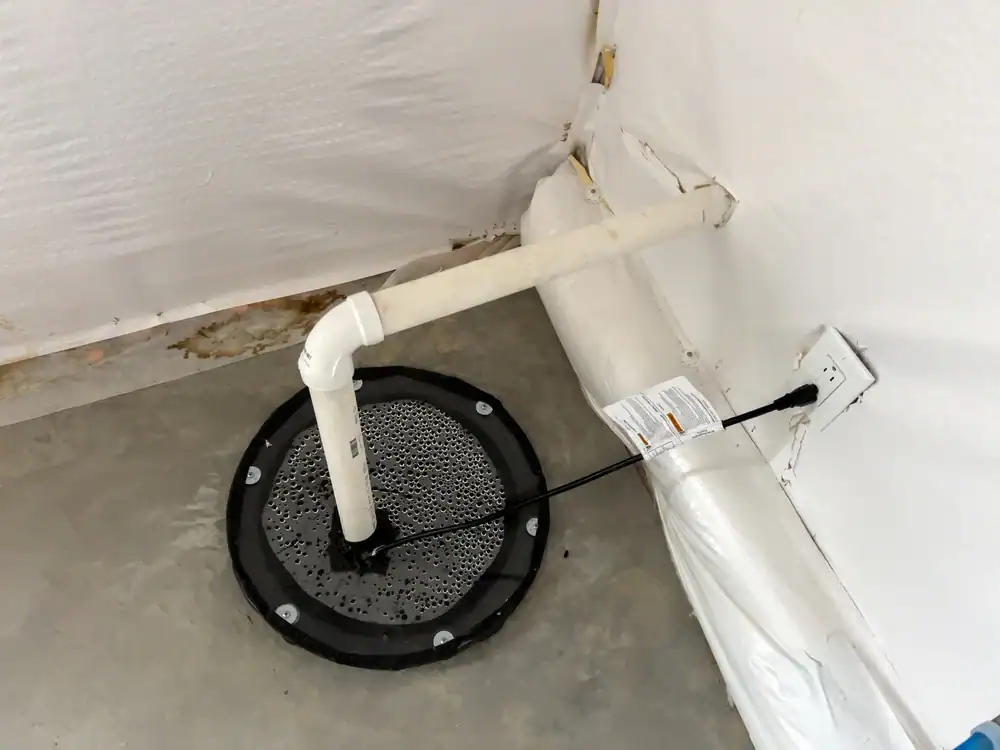
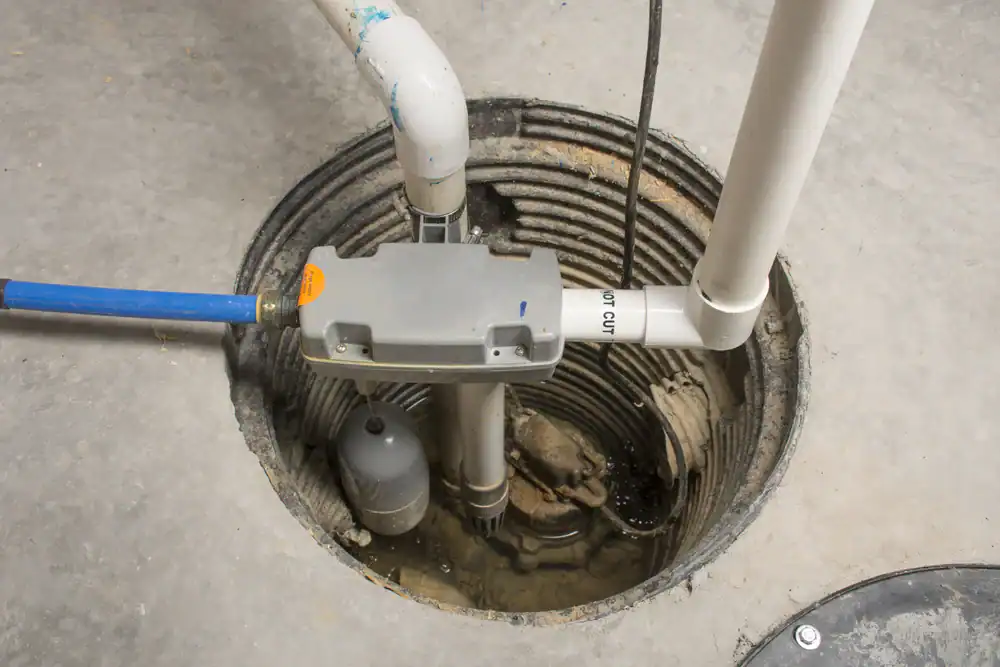
You don’t think about your sump pump until it fails. Then you’re standing in water, watching the damage spread, wondering how fast this is going to cost you.
A working sump pump handles 1,800 to 5,000 gallons per hour. That’s the difference between a dry basement and thousands in damage. FEMA puts the number at $23,720 for just two inches of water in a 2,500-square-foot home, plus another $3,172 to your stuff.
North Carolina gets hit hard. Heavy rain, hurricanes, spring storms—729,200 properties in this state face serious flood risk in the next 25 years. Your sump pump is the only thing standing between your basement and that water. When it works, you don’t lose sleep. When it doesn’t, you lose a lot more than that.
We’ve been fixing basement problems in Greensboro and Sedgefield, NC for over 30 years. We’re NADCA certified, locally owned, and we’ve seen every kind of sump pump failure this region throws at homes.
We don’t do dryer vents. We focus on what matters for your basement: air quality, moisture control, crawl space encapsulation, and keeping water out. That focus means we know sump pumps inside and out, and we know how North Carolina weather tests them.
Rick Watson leads our team with ASCS and CVI certifications. We’re not the cheapest option in town, and that’s intentional. You’re paying for repairs that last, not a quick patch that fails next storm season.
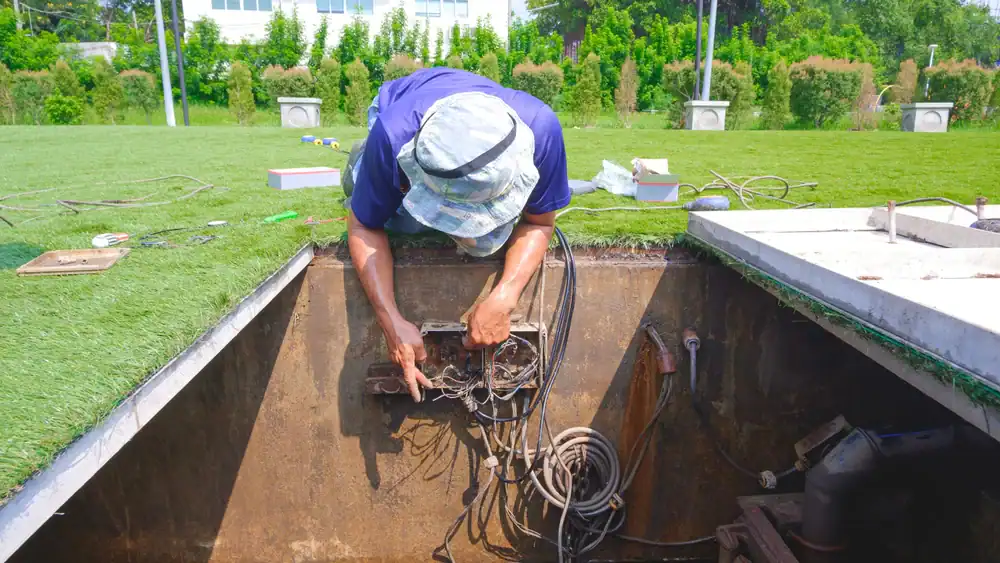
You call, we listen. Most sump pump problems fall into a few categories: the pump won’t turn on, it’s making grinding or rattling noises, it’s short cycling, or there’s standing water in your pit. We ask the right questions to understand what’s happening before we show up.
We inspect the entire system. That means checking your float switch, looking for clogs in the discharge line, testing the check valve, and making sure your backup power works if you have it. Power outages during storms are common in Sedgefield, NC, and a pump that can’t run when the power’s out is useless.
Most repairs take one to two hours. We fix what’s broken, test the system under load, and make sure it’s actually moving water the way it should. If your pump is beyond repair—cheap pumps with low-quality materials fail fast during heavy rain—we’ll tell you straight and explain your replacement options.
You get a system that works. We don’t leave until we’ve tested it, and we don’t sell you things you don’t need.
Ready to get started?
Sump pump repair covers the immediate problem, but we also handle sump pump installation and sump pump replacement when your system is past saving. If you’re dealing with an outdated pump that can’t handle Sedgefield’s storm intensity, we’ll size and install one that can.
Sump pit cleaning matters more than most homeowners realize. Debris, sediment, and buildup reduce your pump’s efficiency and cause clogs. We clear the pit, check for loose connections, and inspect the whole system for wear.
Emergency plumber calls are common during heavy rain. We’re available when you need us because sump pump failures don’t wait for business hours. Around 58% of homeowners need repairs within one to two days, and another 26% within two weeks. Most of these are emergencies.
Preventive sump pump maintenance catches problems before they flood your basement. Annual inspections find failing components, test your backup systems, and give you real answers about how much life your pump has left. North Carolina’s storm seasons are predictable—your pump’s performance shouldn’t be a gamble.

Your sump pump is likely broken if it won’t turn on when water fills the pit, if it runs constantly without moving water, or if you hear grinding, rattling, or loud humming noises. Standing water in your basement or around the sump pit is the clearest sign something’s wrong.
Check your circuit breaker first. Storms that cause flooding can also trip breakers or knock out power, and if your pump isn’t plugged in or doesn’t have power, it can’t protect you. If power isn’t the issue, the float switch might be stuck, the impeller could be jammed with debris, or the check valve may have failed.
Short cycling—when the pump turns on and off rapidly—means it’s struggling. This usually points to a problem with the float switch or a discharge line issue. Don’t ignore strange noises. Grinding sounds mean the impeller is hitting something or wearing out, and that leads to complete failure if you wait too long.
If your basement is flooding, get water out as fast as possible and figure out why your sump pump isn’t working. Turn off electricity to the basement if water is near outlets or appliances—safety comes first.
Check if your sump pump is running. If it’s not, see if it’s unplugged, if the breaker tripped, or if the float switch is stuck. If the pump is running but not moving water, the discharge line might be clogged or frozen, or the check valve could be broken. You can try clearing obvious blockages, but if the pump still won’t work, you need a professional fast.
Move valuable items to higher ground if you can do it safely. Furniture, electronics, and anything you can’t afford to lose should get out of the water. Two inches of flooding can cause over $26,000 in combined damage to your home and belongings, and most homeowners insurance doesn’t cover sump pump failure—even during storms.
Call for emergency sump pump repair immediately. The longer water sits, the worse the damage gets. Mold starts growing within 24 to 48 hours, and structural damage adds up fast.
Sump pump repair costs in North Carolina average around $289, but the range runs from $135 to $821 depending on what’s broken and how complicated the fix is. Simple repairs like replacing a float switch or clearing a clog cost less. Replacing a failed check valve, fixing discharge line problems, or dealing with motor issues costs more.
If your pump needs full replacement instead of repair, that’s a separate cost. Cheap pumps fail faster, especially during the kind of heavy rain Sedgefield gets from hurricanes and spring storms. A quality sump pump installation costs more upfront but saves you from repeated repairs and potential flooding damage.
Compare repair costs to flood damage costs. FEMA estimates just two inches of water in a typical home causes over $23,000 in damage. Spending a few hundred dollars on a solid repair is a lot smarter than paying thousands to fix water damage, replace ruined belongings, and deal with mold remediation.
We give you upfront pricing. You’ll know what the repair costs before we start, and we’ll tell you honestly if replacement makes more sense than fixing an old, failing system.
You should have your sump pump serviced at least once a year, ideally before North Carolina’s storm season hits. Annual maintenance catches small problems before they become expensive emergencies and makes sure your pump is ready when heavy rain shows up.
During a maintenance visit, we inspect the float switch for proper operation, clear sediment and debris from the sump pit, test the check valve to make sure it’s not letting water flow backward, and verify that your discharge line isn’t clogged or damaged. We also check electrical connections, test the pump under load, and inspect your backup power system if you have one.
Power outages during storms are common in Sedgefield, NC. If your pump doesn’t have battery backup or a generator connection, it won’t work when the power goes out—which is often exactly when you need it most. Maintenance appointments are a good time to talk about adding backup power if you don’t have it.
Pumps that handle a lot of water or run frequently need more attention. If your basement deals with constant moisture or you’re in a flood-prone area, twice-a-year service makes sense. Catching a worn impeller or failing motor early costs a lot less than emergency repairs during a storm.
A properly sized and maintained sump pump can handle heavy rain, but there are limits. Most residential sump pumps move between 1,800 and 5,000 gallons per hour. Intense storms can easily overwhelm an undersized or failing pump, and that’s when basements flood.
North Carolina sees severe weather—hurricanes, spring rains, summer thunderstorms. These storms dump several inches of rain in a short time, and if your pump can’t keep up with the inflow, water accumulates. An old pump, a clogged discharge line, or a system without backup power becomes a liability during the storms that matter most.
Your pump also needs a clear path to move water away from your foundation. If the discharge line is clogged, frozen, or draining too close to your home, water comes right back. We see this often—homeowners assume the pump is broken when really the water has nowhere to go.
If you’re in a high-risk flood area or your basement has flooded before, a single pump might not be enough. Adding a backup pump or upgrading to a higher-capacity system gives you real protection. We’ll assess your specific situation and tell you what makes sense for your home and Sedgefield’s weather patterns.
Sump pumps fail during storms for a few common reasons: power outages, mechanical breakdowns, overwhelmed capacity, and clogged components. Storms that cause flooding also knock down power lines, and if your pump doesn’t have backup power, it’s useless when you need it most.
Mechanical failures happen when cheap pumps with low-quality materials get pushed too hard. Extremely wet weather stresses every part of the system, and weak impellers, failing motors, or worn bearings give out. If your pump hasn’t been maintained, debris and sediment build up in the pit and clog the intake or jam the float switch.
Check valves fail more often than people realize. When a check valve breaks, water flows backward into your basement instead of staying in the discharge line. You’ll hear the pump running constantly, but water levels won’t drop because the system is just recycling the same water.
Overwhelmed capacity is another issue. If your pump is undersized for the amount of water your basement collects during heavy rain, it can’t keep up no matter how well it’s working. Sedgefield gets hit with intense rainfall, and a pump rated for normal conditions won’t cut it during a hurricane or severe thunderstorm. We size systems based on real conditions, not best-case scenarios.