

Contact Info
- Greensboro, NC 27406
- Call: 336-707-0498
- Text: 336-707-0498
-
Mon - Fri: 8am - 4pm
Sat - Sun: Closed
Contact Info
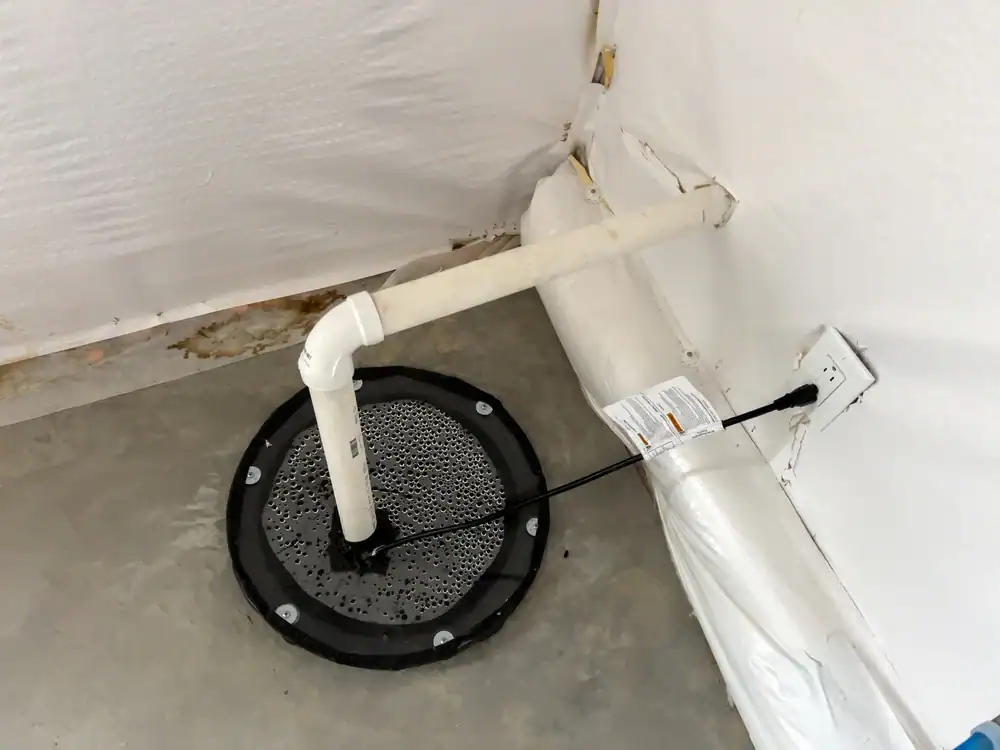
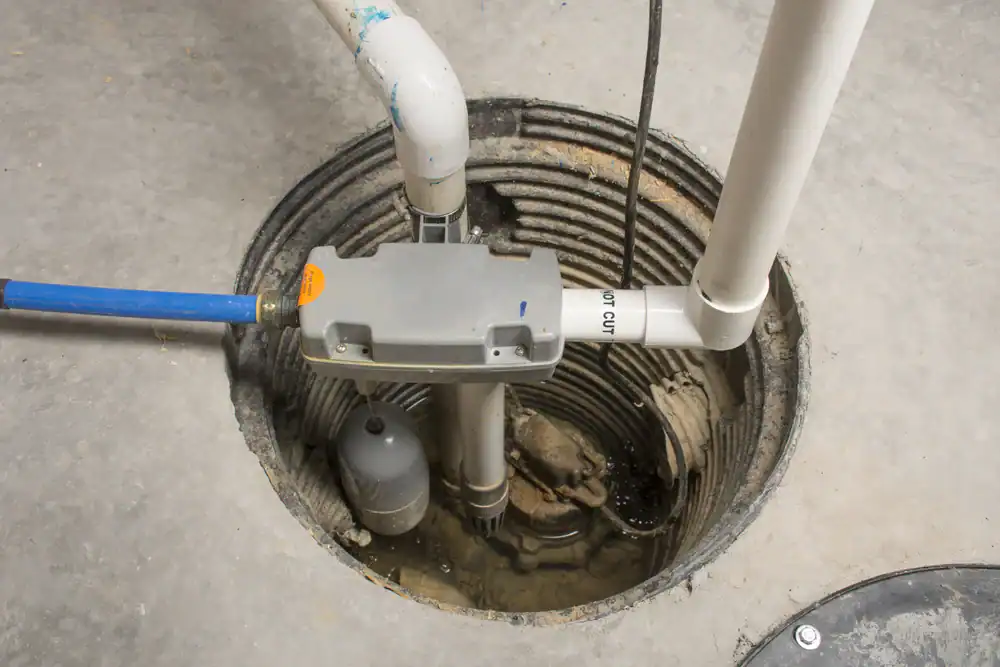
You’re not dealing with a wet basement after every storm. You’re not replacing ruined furniture or dealing with mold growing on your walls within 48 hours of water sitting.
Your sump pump runs when it’s supposed to. It kicks on during those heavy spring rains that Snow Camp gets, and it handles the water before it becomes a problem.
That means your crawl space stays dry. Your air quality doesn’t take a hit from mildew and dampness. And you’re not filing an insurance claim that averages over $11,000 because your pump failed at the worst possible time.
Most sump pumps last about 10 years with proper maintenance. When yours starts acting up or you’re dealing with a failure, getting it fixed or replaced quickly is what keeps a $500 repair from turning into a $15,000 disaster.
We work with homeowners across Snow Camp and Alamance County on crawl space encapsulation, dehumidifier systems, and moisture control. Sump pumps are part of that equation.
We’re not a general plumber trying to figure out your basement. We specialize in keeping water where it belongs and air quality where it should be. That means we understand how North Carolina’s clay soil, high water tables, and humid climate affect your home’s foundation and crawl space.
When you call us, you’re talking to someone who’s seen what happens when a sump pump quits during a storm. We’ve pulled out water-damaged insulation, dealt with mold remediation, and helped homeowners avoid going through it again. We’d rather fix the problem before you’re standing in two inches of water.
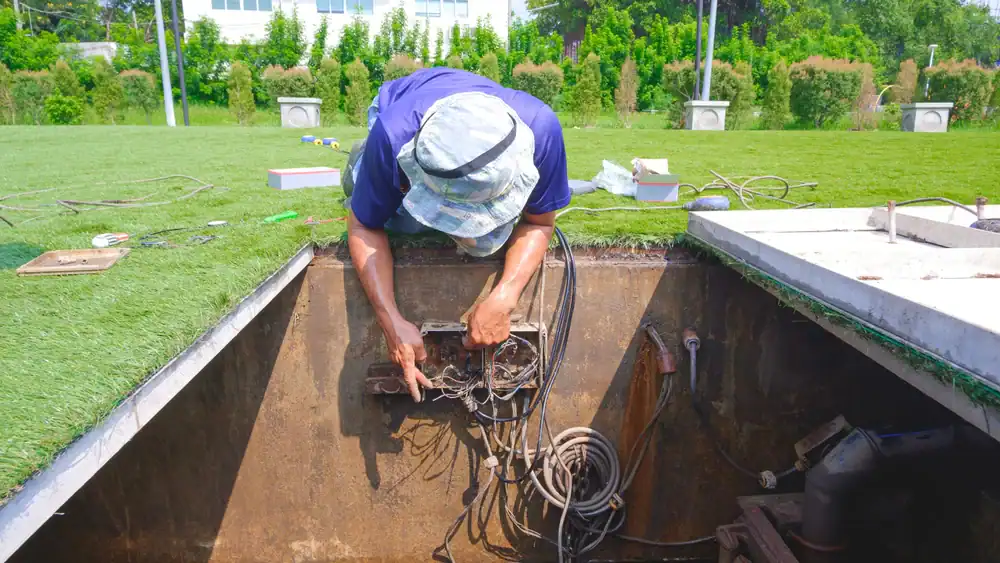
First, we come out and actually look at what’s going on. That means inspecting your sump pit, checking the pump itself, testing the float switch, and making sure your discharge line isn’t clogged or frozen. We take photos and walk you through what we find.
If it’s a quick fix like a jammed float or a tripped breaker, we handle it. If your pump is shot or you need a replacement, we’ll tell you why and give you options that make sense for your home and your budget.
For installations, we make sure the pit is sized right, the pump has enough capacity for your space, and the discharge line routes water away from your foundation. If you’re in a spot where power outages are common during storms, we’ll talk through battery backup systems so your pump works even when the lights don’t.
Once everything’s in, we test it. You see it run. We clean up. And we make sure you know what to listen for and when to call if something seems off. The whole process is straightforward because it should be.
Ready to get started?
You get a full inspection of your sump pump, pit, and discharge system. We’re checking for clogs, testing the float mechanism, making sure the check valve works, and confirming your pump actually moves the water volume it’s supposed to.
If you need sump pump maintenance, that includes cleaning out your sump pit, flushing the system, and catching small issues before they become expensive ones. Most homeowners spend around $250 a year on maintenance, which is a lot cheaper than emergency repairs during a flood.
For sump pump installation or replacement, we’re sizing the system correctly for Snow Camp’s soil conditions and your home’s specific drainage needs. Homes here deal with clay soil that doesn’t drain well, which means your pump works harder than it would in other areas. We account for that.
If your basement or crawl space has flooded before, or if you’ve got a history of drainage problems, we’ll also look at whether you need a secondary pump or a more robust discharge solution. The goal is simple: keep water out, keep your home dry, and make sure the system works when a storm rolls through.

Your sump pump will usually give you warning signs before it completely quits. If you hear strange noises like grinding or rattling, that’s often a motor issue or something stuck in the impeller.
If the pump runs constantly but your pit isn’t emptying, you’ve likely got a problem with the float switch, a clog in the discharge line, or a pump that’s lost its capacity. On the flip side, if water’s rising in the pit and the pump isn’t kicking on at all, you’re looking at electrical issues, a bad float, or a dead motor.
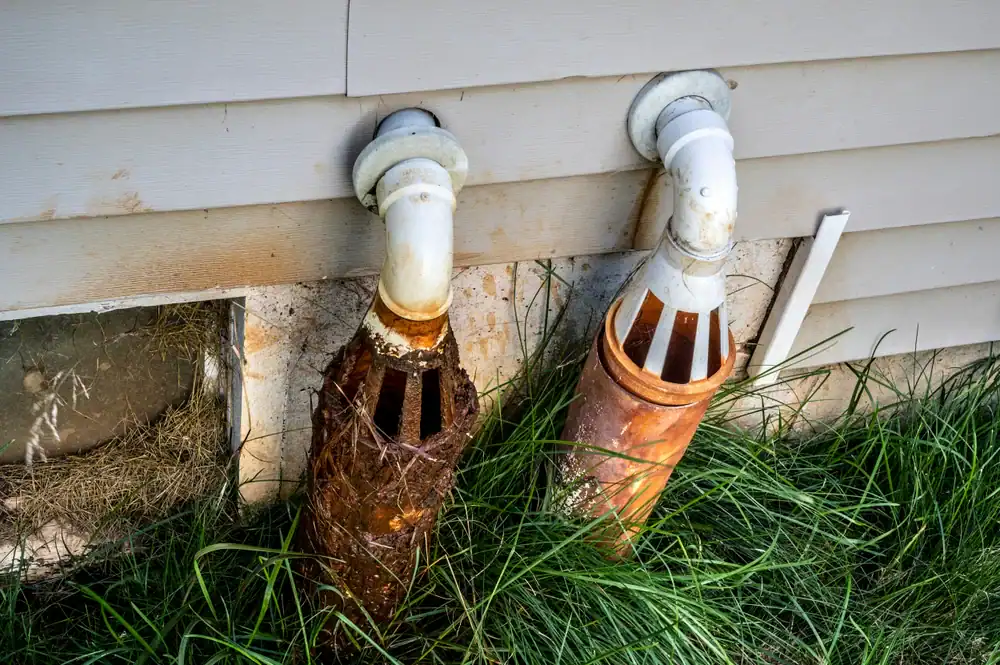
Visible rust, especially around the pump housing, means it’s deteriorating. If you’re seeing water in your basement or crawl space even though the pump seems to run, your discharge line might be dumping water right back toward your foundation instead of away from it. Testing your pump a few times a year by pouring water into the pit is the easiest way to catch problems early. If it doesn’t activate or struggles to clear the water, call us before the next heavy rain does it for you.
Repairs make sense when the pump itself is still in decent shape but a component has failed. That could be a float switch replacement, a new check valve, clearing a clog, or fixing wiring issues. These fixes typically run a few hundred dollars and can buy you more time if the pump isn’t too old.
Replacement becomes the better option when the motor is burned out, the pump is over 10 years old, or you’re dealing with repeated failures. At that point, you’re throwing money at a system that’s going to keep breaking. A new sump pump installation costs somewhere between $300 and $750 depending on the pump type and whether you need any pit modifications.
If your home’s drainage needs have changed—like you’ve finished your basement or added square footage—you might also need a higher-capacity pump than what you currently have. In Snow Camp, where clay soil and heavy spring rains put extra demand on sump pumps, upgrading to a more robust system during replacement often makes more sense than just swapping in the cheapest unit. The right call depends on what’s actually wrong and how much life your current setup has left.
If you lose power during storms, yes. Power outages are the most common reason sump pumps fail, and they usually happen right when you need the pump most—during heavy rain and severe weather.
A battery backup sump pump kicks in when your primary pump loses electricity. It’s not as powerful as your main pump, but it keeps water moving out of your pit until power comes back. For homes in Snow Camp where spring storms can knock out power for hours, a backup system is the difference between a dry basement and several inches of standing water.
Battery backups add a few hundred dollars to your overall cost, but they’ve saved countless homeowners from thousands in water damage. If your home is in a low-lying area, if you’ve had flooding before, or if your basement houses anything valuable, a backup isn’t optional. It’s cheap insurance. The battery itself needs replacing every few years, and the system should be tested regularly, but the peace of mind during a storm is worth the maintenance.
At least once a year, ideally before storm season hits in spring. Sump pump maintenance catches the small stuff before it becomes a failure at the worst possible time.
During a maintenance visit, we pull the pump and inspect it. We clean out the pit—debris, sediment, and anything else that’s collected in there. We test the float switch to make sure it’s activating at the right water level. We check the check valve so water isn’t flowing backward. And we clear the discharge line of any clogs or blockages.
If you’ve got a battery backup system, we test the battery and replace it if it’s weak. Most batteries last two to five years depending on how often they’re used. For homes that see a lot of groundwater or have dealt with flooding issues, twice-a-year maintenance isn’t overkill.
Testing your pump yourself between professional visits is smart. Pour a bucket of water into the pit every few months and make sure the pump activates and clears it quickly. If anything seems off—slow response, weird noises, water not clearing—that’s your cue to call us before you’re dealing with an emergency.
A working sump pump handles groundwater that seeps into your pit, which is the most common source of basement moisture in this area. But it’s not a cure-all for every type of flooding.
If you’ve got cracks in your foundation, poor grading around your home, or gutters that dump water right next to your house, a sump pump can only do so much. It’ll remove the water that makes it into the pit, but it won’t fix the reasons water is getting into your basement in the first place.
Snow Camp’s clay soil doesn’t absorb water well, so drainage issues are common. If your yard slopes toward your foundation or your downspouts aren’t extended far enough away, you’re fighting an uphill battle. Pairing a good sump pump system with proper exterior drainage, grading corrections, and foundation waterproofing gives you real protection.
Sump pumps also won’t help with sewer backups or appliance failures like a burst water heater. For those, you’d need backflow preventers or other solutions. But for the standing water and seepage that comes from rain and high water tables, a properly installed and maintained sump pump is your first line of defense. Just make sure the rest of your home’s water management is working with it, not against it.
First, if you’ve got power and the pump isn’t running, check your breaker. Sump pumps can trip breakers, especially if the motor is struggling. Reset it and see if the pump kicks back on.
If the pump runs but isn’t moving water, you likely have a clog in the discharge line or a failed check valve. You can try to clear the line if it’s accessible, but if water’s rising fast, your priority is getting it out however you can—wet vac, buckets, whatever stops the flooding while you wait for help.
If the pump is completely dead and you don’t have a backup, you’re in damage control mode. Move anything valuable to higher ground. If you’ve got a shop vac or a portable pump, use it. Contact us as soon as you can—we respond quickly to these situations because we know how fast water damage escalates.
Once the immediate crisis is handled, don’t just replace the pump and call it done. Figure out why it failed. Was it age? Lack of maintenance? An undersized system? A power issue? Fixing the root cause keeps you from going through the same nightmare next storm. And if flooding is a recurring problem, it’s worth talking through a more comprehensive moisture management system that includes backup pumps, better drainage, and possibly crawl space encapsulation to handle Snow Camp’s specific water challenges.