

Contact Info
- Greensboro, NC 27406
- Call: 336-707-0498
- Text: 336-707-0498
-
Mon - Fri: 8am - 4pm
Sat - Sun: Closed
Contact Info
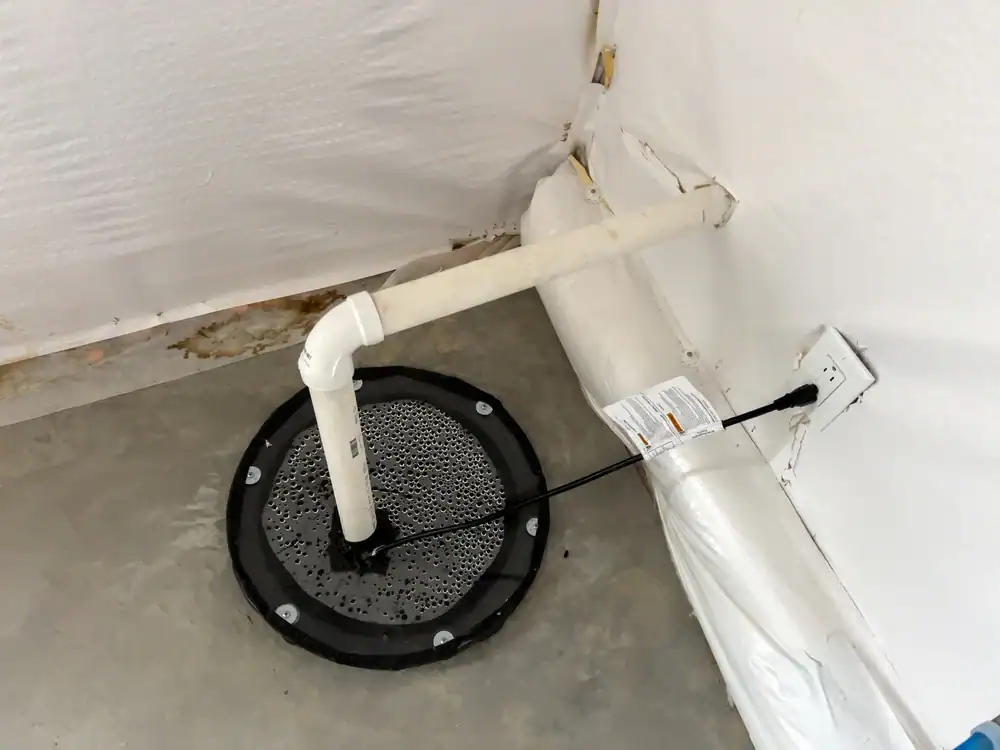
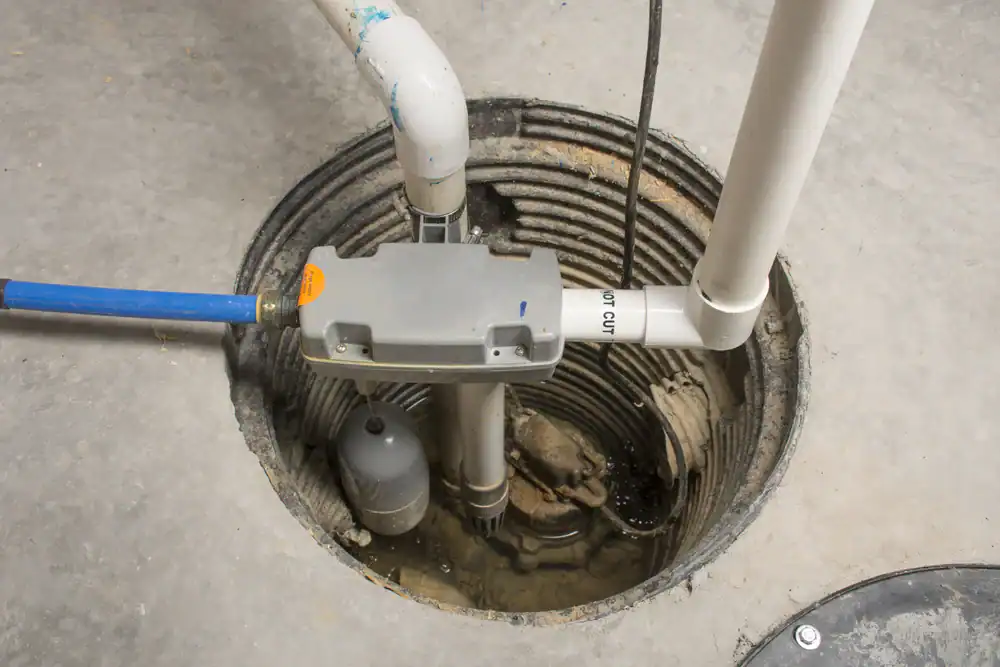
Your sump pump either works when you need it, or it doesn’t. There’s no in-between when water starts pooling in your basement or crawl space.
A functioning system means you’re not dealing with ruined belongings, mold growth, or foundation cracks. You’re not scrambling to find an emergency plumber at midnight during a storm. You’re not facing a $25,000 cleanup bill because one inch of water sat too long.
North Carolina gets hit with heavy rainfall and humid conditions that put constant pressure on your home’s drainage system. Summerfield properties, with median values around $490,000, need reliable protection. When your sump pump fails during a storm, the damage adds up fast—not just to your basement, but to your peace of mind.
A properly maintained sump pump runs quietly in the background. It kicks on when water enters the pit, pumps it away from your foundation, and shuts off. You don’t think about it until something goes wrong. Our job is making sure that day doesn’t come.
We’ve served Summerfield and the surrounding area since 1991. We started with air quality and moisture control, which taught us something important: water problems and air problems are connected.
Basements that flood create mold. Crawl spaces that stay wet damage your home’s structure and indoor air. Fixing one without understanding the other doesn’t solve anything. That’s why our approach covers the full picture—sump pumps, French drains, crawl space encapsulation, and dehumidification.
Summerfield homeowners deal with specific challenges. The area’s clay-heavy soil doesn’t drain well. Summer humidity hovers above 60%, which accelerates mold growth after any water intrusion. Your home needs systems that account for these local conditions, not generic solutions that work somewhere else.
We’ve installed and repaired hundreds of sump pump systems in this area. We know what fails, what lasts, and what actually prevents flooding in North Carolina’s climate.
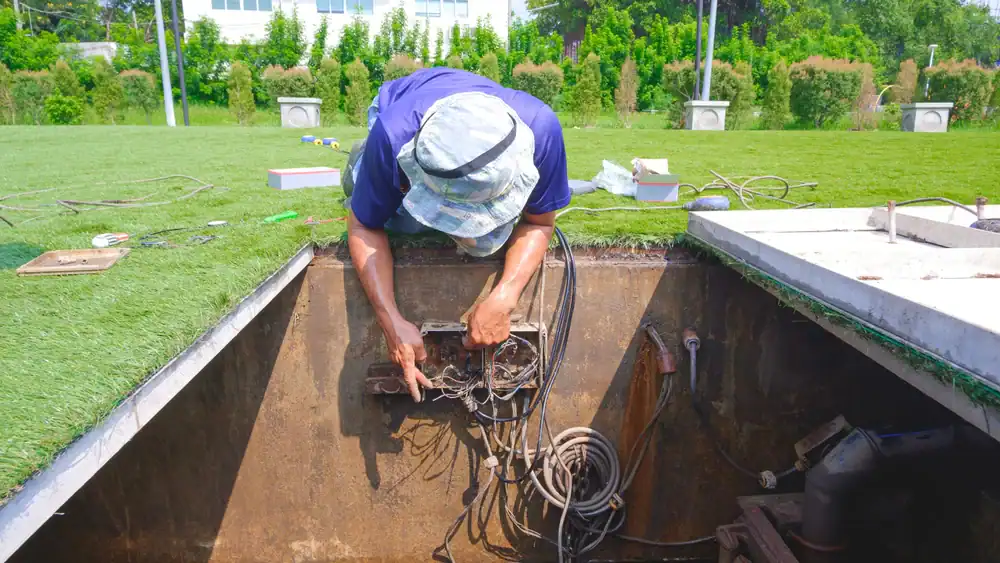
First, we assess what’s actually wrong. A sump pump that’s not working could have a clogged intake, a failed float switch, a burned-out motor, or electrical issues. We inspect the pump, the pit, the discharge line, and the power supply to find the real problem.
Once we know what failed, we explain what needs fixing and why. You’ll get a clear estimate before any work starts. If your pump can be repaired, we handle it on the spot when possible. If it needs replacement, we walk you through your options—including whether a battery backup system makes sense for your situation.
Installation or replacement involves setting up the pump in your sump pit, connecting discharge lines that move water away from your foundation, and testing the system under real conditions. We make sure the float switch activates at the right water level and that the pump cycles correctly.
For emergency calls, we prioritize getting your system running again. If you’re dealing with active flooding, we focus on stopping the immediate problem first, then address any underlying issues that caused the failure.
After the work is done, we clean up the work area and show you how the system operates. You’ll know what normal sounds like, what to watch for, and when to call for maintenance. Most sump pumps need attention once a year—checking for debris in the pit, testing the float, and making sure discharge lines haven’t frozen or clogged.
Ready to get started?
Sump pump systems aren’t one-size-fits-all. The right setup depends on your basement size, how much water you typically see, and whether you have a finished space that can’t afford any flooding.
Basic repairs cover common failures—replacing a worn float switch, clearing a clogged discharge line, or fixing electrical connections that have corroded. These fixes handle most issues if you catch them early.
Full replacements become necessary when the pump motor burns out or the unit is outdated. Newer pumps run more efficiently and handle higher volumes of water. If your current system is over ten years old and showing signs of wear, replacement often makes more sense than repeated repairs.
Battery backup systems are critical in Summerfield. When storms knock out power, your sump pump stops working right when you need it most. A backup battery keeps the system running during outages, which is when the heaviest rain typically hits. This addition has prevented countless flooded basements in this area.
Sump pit cleaning removes the sediment and debris that builds up over time. A dirty pit clogs the pump intake and causes premature failure. Regular cleaning extends your pump’s life and prevents sudden breakdowns.
We also handle related drainage work—French drains, exterior grading corrections, and crawl space moisture barriers. Sometimes the sump pump isn’t the only problem. Poor drainage around your foundation overwhelms even the best pump. Fixing the whole system prevents recurring issues.

Listen for changes in how your pump sounds and watch how it behaves. A pump that’s cycling on and off constantly, making grinding or rattling noises, or running without moving water needs attention now.
If your pump is over seven years old and starting to show problems, replacement usually makes more sense than repair. Motors wear out, and older pumps don’t handle water volume as efficiently as newer models. Spending money on repairs for an aging system often means you’ll face another failure within a year.
Visible rust, cracks in the pump housing, or a float switch that sticks are signs the unit is at the end of its life. Water pooling in your basement despite the pump running means it’s not keeping up with demand—either it’s undersized for your needs or it’s failing.
We’ll inspect your system and give you an honest assessment. If a $150 repair buys you another three years, we’ll tell you. If you’re looking at repeated service calls on a dying pump, we’ll recommend replacement. The goal is keeping your basement dry without wasting your money.
Power outages are the number one culprit. Storms that bring heavy rain often knock out electricity, and your sump pump stops working right when water is pouring into your pit. Without a battery backup, you’re defenseless.
Pumps also fail from being overwhelmed. If your system is undersized for the amount of water entering your basement, it runs continuously and overheats. The motor burns out from overwork, usually in the middle of the storm when it’s running nonstop.
Clogs happen when debris gets into the sump pit—dirt, gravel, or even small rocks that wash in through foundation cracks. This material blocks the pump intake or jams the impeller. The pump runs but doesn’t move water, and your basement floods.
Float switches can stick in the off position, especially if they’ve been sitting in dirty water for months. The pump won’t activate even though water is rising. Regular maintenance catches this before it becomes an emergency, but most homeowners don’t think about their sump pump until it fails.
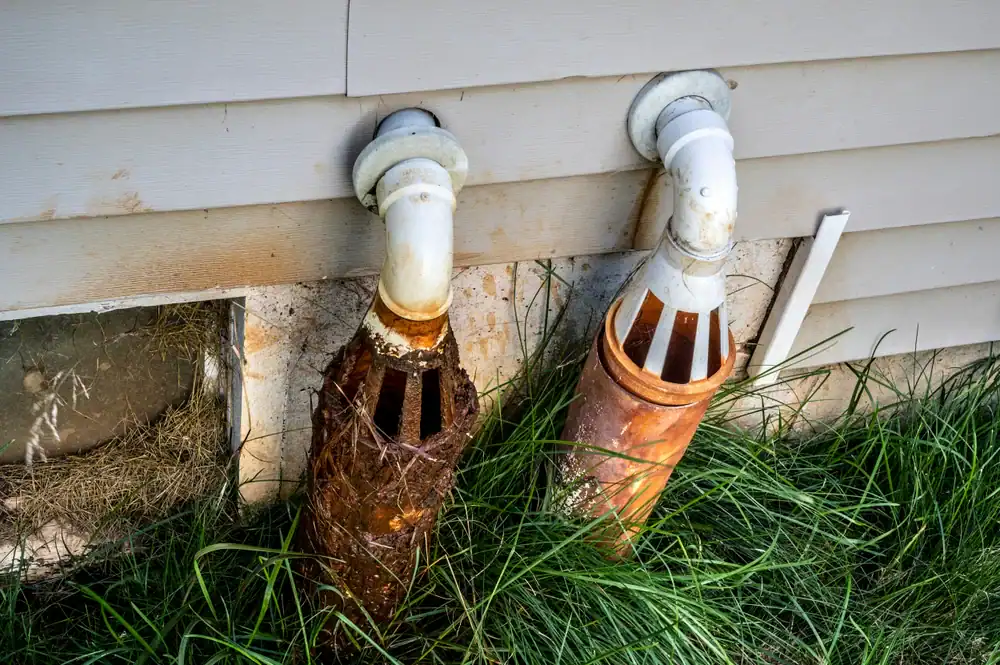
Frozen discharge lines are common in winter. If the pipe that carries water away from your house freezes, the pump can’t discharge. Water backs up into your basement even though the pump is working perfectly. Proper installation with freeze protection prevents this.
Once a year is the standard recommendation, ideally before storm season hits. Spring maintenance makes sense in North Carolina since that’s when we see the heaviest rainfall.
Annual service includes cleaning the sump pit, testing the float switch, checking the discharge line for clogs or damage, and running the pump through several cycles to confirm it’s working properly. We also inspect electrical connections for corrosion and make sure the backup battery is charged if you have one.
If your area has had unusually heavy rain or if you’ve noticed your pump running more frequently than normal, schedule a check even if it hasn’t been a full year. Increased workload wears components faster.
Between professional services, you should test your pump every few months. Pour a bucket of water into the pit and watch the pump activate. The float should rise, the pump should kick on, and water should drain quickly. If anything seems off—slow drainage, unusual noises, or the pump not starting—call for service before you have an emergency.
Homes with finished basements or valuable storage in lower levels should consider twice-yearly maintenance. The cost of a service call is nothing compared to replacing flooded belongings or dealing with mold remediation.
If you want protection during power outages, yes. Storms that cause flooding are the same storms that knock out electricity. Your primary pump becomes useless the moment the power goes out.
Battery backup systems automatically take over when the power fails. They’re not as powerful as your main pump, but they handle typical water flow until power returns. For homes in Summerfield where storms can leave you without electricity for hours, this backup prevents disaster.
The math is simple. A battery backup system costs a few hundred dollars to install. One flooded basement costs thousands—sometimes tens of thousands—in cleanup, repairs, and replacement of damaged items. Insurance might cover some of it, but you’ll still deal with the hassle, the deductible, and potentially higher premiums.
Finished basements make backup systems essential. You’ve invested in that space, and water damage destroys drywall, flooring, and furniture fast. Even unfinished basements often store items you can’t replace—photos, documents, holiday decorations, tools.
The backup battery needs replacement every three to five years, and you should test it regularly to make sure it holds a charge. That’s the only real maintenance. For the protection it provides, it’s one of the smartest investments you can make in your home’s water management system.
Maintenance is preventive work done on a functioning system to keep it running. Repair is fixing something that’s already broken or failing.
During maintenance, we’re checking components before they fail. We clean the pit so debris doesn’t cause future clogs. We test the float to make sure it moves freely. We inspect the discharge line for developing problems. We verify the pump runs smoothly and moves water efficiently. Everything is working, and we’re keeping it that way.
Repair happens when something has already gone wrong. The pump won’t start, or it’s making terrible noises, or water is backing up despite the pump running. We’re diagnosing a failure and fixing the broken component—replacing a burned-out motor, installing a new float switch, or clearing a jammed impeller.
Maintenance costs less and prevents emergencies. Repair costs more and happens at the worst possible time—usually during a storm when you discover the pump isn’t working. Regular maintenance catches small issues before they become expensive failures.
Think of it like car maintenance. You change the oil to prevent engine damage, not after the engine seizes. Same principle applies to your sump pump. Spending a little on annual maintenance saves you from spending a lot on emergency repairs and water damage cleanup.
Most pump failures are preventable with regular attention. The pumps that fail during storms are usually the ones that haven’t been looked at in years.
A straightforward replacement on an existing sump pit takes two to four hours. We’re pulling out the old pump, installing the new unit, connecting discharge lines, and testing the system thoroughly.
New installations where there’s no existing pit take longer—usually a full day. We need to break through the basement floor, dig the pit, install the liner, set up the pump, run discharge piping, and make sure everything drains properly. The concrete work adds time, and it needs to cure before you can walk on it.
Battery backup additions take about an hour if you already have a primary pump installed. We’re mounting the backup unit, connecting it to your existing system, and setting up the battery.
Emergency repairs vary depending on what failed. Simple fixes like replacing a float switch or clearing a clog might take 30 minutes. More complex issues like electrical problems or motor replacement take longer.
We don’t rush the work. A sump pump installation needs to be done right the first time. The pit needs proper depth, the pump needs correct positioning, and the discharge line needs to move water far enough from your foundation. Cutting corners to save an hour means you’ll have problems later.
Most installations happen in a single visit. We bring the equipment we need and complete the job that day. You’re not waiting days for us to come back or dealing with an incomplete system. When we leave, your pump is running and your basement is protected.