

Contact Info
- Greensboro, NC 27406
- Call: 336-707-0498
- Text: 336-707-0498
-
Mon - Fri: 8am - 4pm
Sat - Sun: Closed
Contact Info
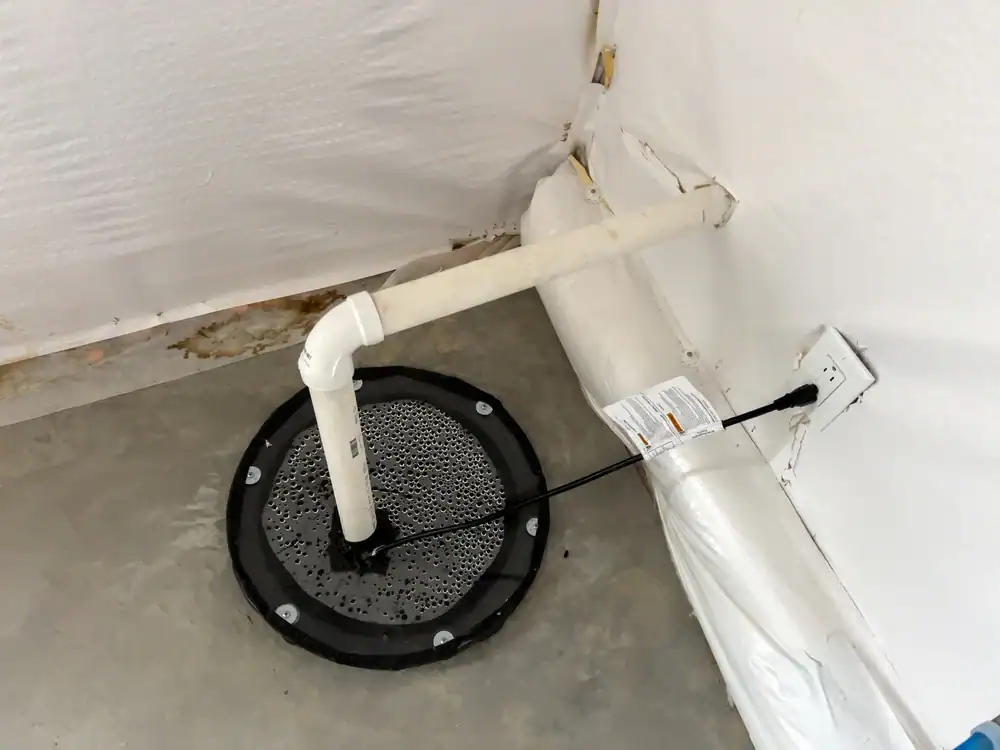
Two inches of water in your basement can cause over $26,000 in damage to your home and belongings. That’s not a scare tactic—it’s what FEMA reports actually happens when sump pumps fail during storms.
You don’t get a warning when your pump stops working. Most homeowners find out during the worst possible moment: when water’s already coming in.
A working sump pump keeps your basement dry, protects your foundation, and prevents mold from taking over your crawl space. It’s not exciting, but it’s one of the most important systems in your home—especially here in North Carolina where clay soil and spring downpours put constant pressure on your foundation. When your pump’s running right, you don’t think about it. When it’s not, you’re dealing with cleanup, repairs, and the kind of stress that keeps you up during every thunderstorm.
Rick Watson and the Clean Air LLC team have been handling crawl space moisture problems and sump pump repairs across the Piedmont region for years. We’re not a national franchise or a call center—we’re local, and we show up when you need us.
Before we touch anything, we inspect your system, take photos, and explain what’s actually wrong. No upselling. No pressure. Just a clear answer and an upfront quote.
Swepsonville homeowners deal with unique challenges—high water tables, clay soil that doesn’t drain well, and storms that dump rain faster than the ground can absorb it. We’ve seen it all, and we know how to keep your basement dry without overcomplicating the fix.
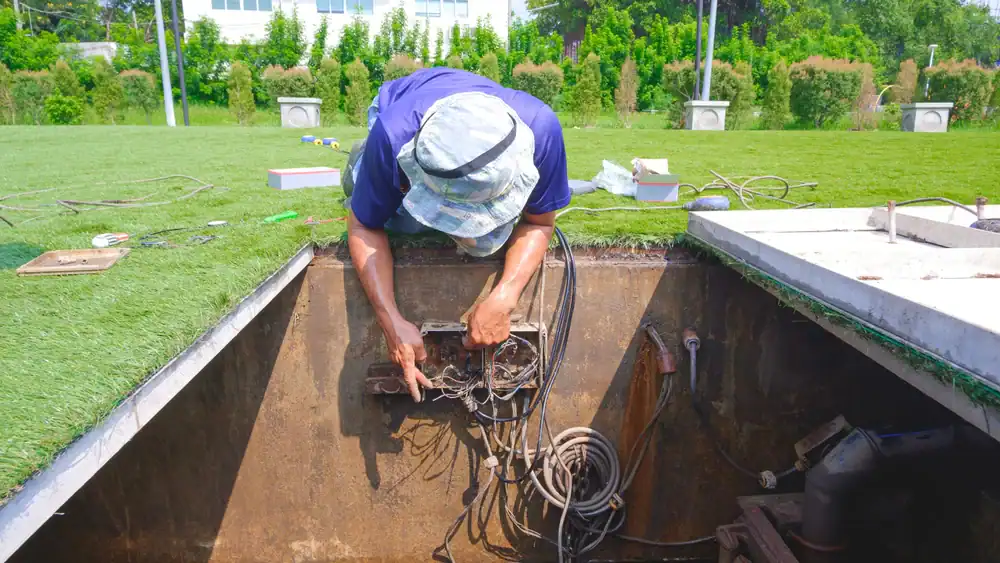
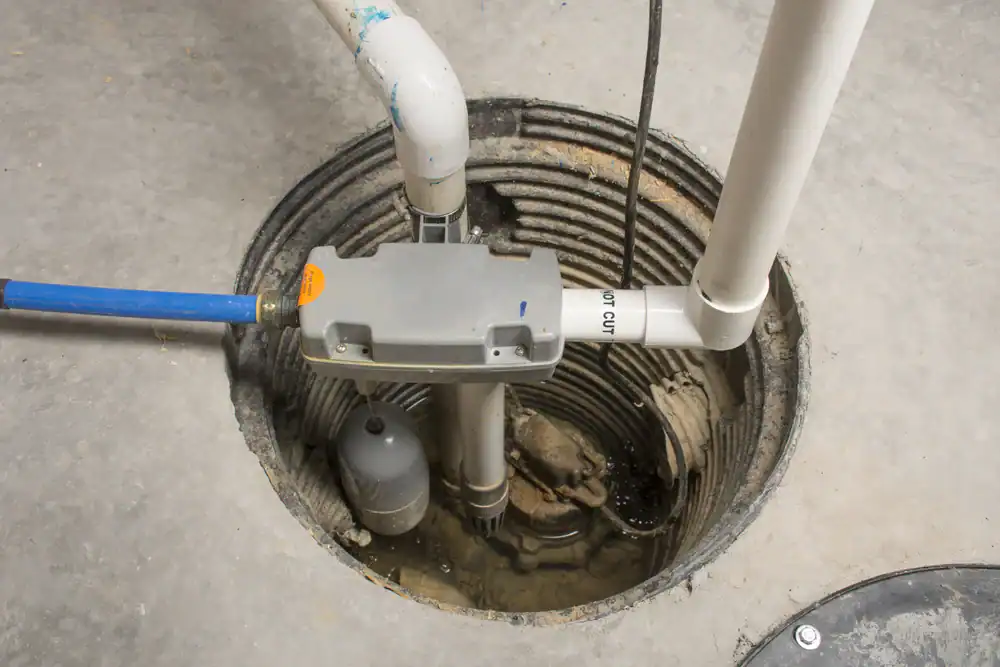
First, we come to your home and inspect your sump pump system. We check the pump itself, the float switch, the discharge line, and the sump pit. We’re looking for clogs, mechanical failure, power issues, or signs that your pump is undersized for the job.
Most repairs take one to two hours. If your pump’s cycling on and off constantly, making strange noises, or not turning on at all, we’ll diagnose the problem and give you options. Sometimes it’s a simple fix—a stuck float or a clogged discharge line. Other times, the pump’s reached the end of its lifespan and needs replacing.
If you need a new pump, we’ll recommend the right size and type for your home. We also talk through battery backup options, because power outages during storms are exactly when you need your sump pump running. After installation or repair, we test everything to make sure it’s working properly before we leave. You’ll know your system’s ready for the next storm.
Ready to get started?
We handle sump pump installation, sump pump replacement, emergency repairs, sump pit cleaning, and routine sump pump maintenance. If your system’s failing or you don’t have one installed yet, we’ll make sure you’re covered.
North Carolina building codes require licensed contractors for new sump pump installation, and for good reason—it’s a critical part of your home’s waterproofing system. We pull the necessary permits, follow local code requirements, and make sure inspections go smoothly.
Swepsonville sits in an area where flooding risk is real. North Carolina has over 729,000 properties at substantial flood risk in the next 25 years, and Alamance County sees its share of heavy spring storms. Your sump pump isn’t just a nice-to-have—it’s your first line of defense against water damage. We also integrate sump pumps with crawl space dehumidifiers and encapsulation systems when needed, so you’re not just moving water out—you’re keeping moisture from coming back in.
Most sump pumps last seven to ten years. If yours is older than that, it’s worth having it checked before it fails during a storm. Waiting until it quits usually means waiting until you’re already dealing with water in your basement.

If your sump pump is running constantly, making grinding or rattling noises, or not turning on when water enters the pit, something’s wrong. You might also notice water pooling in your basement or a burning smell coming from the motor.
Pumps that cycle on and off too frequently wear out faster. That usually means the float switch is stuck, the pump is too small for the amount of water it’s handling, or there’s a problem with the check valve.
If your pump is over seven years old and showing any of these signs, replacement is often the smarter move. Repairs might buy you a little time, but older pumps tend to fail when you need them most—during heavy rain. We’ll inspect your system and tell you honestly whether a repair makes sense or if you’re better off replacing it now instead of waiting for it to quit during the next storm.
Sump pump maintenance is what you do to prevent problems—cleaning the pit, testing the float switch, checking the discharge line for clogs, and making sure the pump turns on when it should. It’s routine upkeep that catches small issues before they become expensive emergencies.
Sump pump repair is what happens when something’s already broken. Maybe the motor burned out, the float switch failed, or the impeller’s clogged and the pump won’t move water. Repairs are reactive—you’re fixing a problem that’s already affecting your system.
Regular maintenance can extend the life of your pump and reduce the chances of a breakdown during a storm. Most homeowners don’t think about their sump pump until it stops working, but a quick annual checkup can save you from dealing with a flooded basement. We offer both services, and we’ll always tell you what your system actually needs—not what makes us the most money.
If you lose power during a storm, your primary sump pump stops working—right when you need it most. A battery backup sump pump kicks in automatically when the power goes out or when your main pump can’t keep up with the water coming in.
Swepsonville gets hit with severe thunderstorms, especially in spring and summer. Power outages aren’t rare, and they tend to happen during the heaviest rain. Without a backup, your basement can flood even if your primary pump is brand new.
Battery backup systems aren’t cheap, but they’re a lot less expensive than water damage. If your home sits in a low-lying area, has a high water table, or you’ve had flooding issues before, a backup pump is worth considering. We’ll walk you through your options and help you decide if it makes sense for your situation. Some homeowners skip it and regret it later. Others install one and never think about their basement again.
Most sump pump repairs in North Carolina range from $150 to $800, depending on what’s wrong. Simple fixes like a stuck float switch or a clogged discharge line are on the lower end. Motor replacement or major component failures cost more.
If your pump needs full replacement, you’re looking at the cost of the new unit plus installation. We give you an upfront quote after we inspect your system, so there’s no guessing.
Putting off repairs doesn’t save you money—it just increases the chances your pump will fail when you actually need it. A $300 repair now beats a $26,000 water damage bill later. We’re not the cheapest option in town, but we do the job right the first time. You’re paying for experience, reliability, and the peace of mind that comes with knowing your basement’s protected. We don’t cut corners, and we don’t disappear after the check clears.
You can technically install a sump pump yourself, but North Carolina plumbing code requires licensed contractors for new installations. You’ll also need permits and inspections from local code enforcement, which most DIYers don’t realize until they’re halfway through the job.
Sump pumps are a critical part of your home’s waterproofing system. If the pump’s undersized, installed incorrectly, or the discharge line isn’t set up right, you won’t find out until your basement floods. Then you’re dealing with water damage and the cost of hiring someone to fix what went wrong.
Professional installation means the job’s done to code, the pump’s sized correctly for your home, and everything’s tested before we leave. We’ve seen plenty of DIY installs that failed during the first big storm. It’s not worth the risk. If you’re handy and want to save money, focus on maintenance—cleaning the pit, testing the float, checking the discharge line. Leave the installation and major repairs to someone who does this every day.
Power outages are the most common reason sump pumps fail during storms. Your pump runs on electricity, so when the power goes out, it stops working—even if water’s pouring into your basement. That’s why battery backup systems exist.
Pumps also fail when they’re overwhelmed by the volume of water coming in. If your pump is too small or too old, it can’t keep up during heavy rain. The motor burns out, and you’re left with a pit full of water and no way to move it.
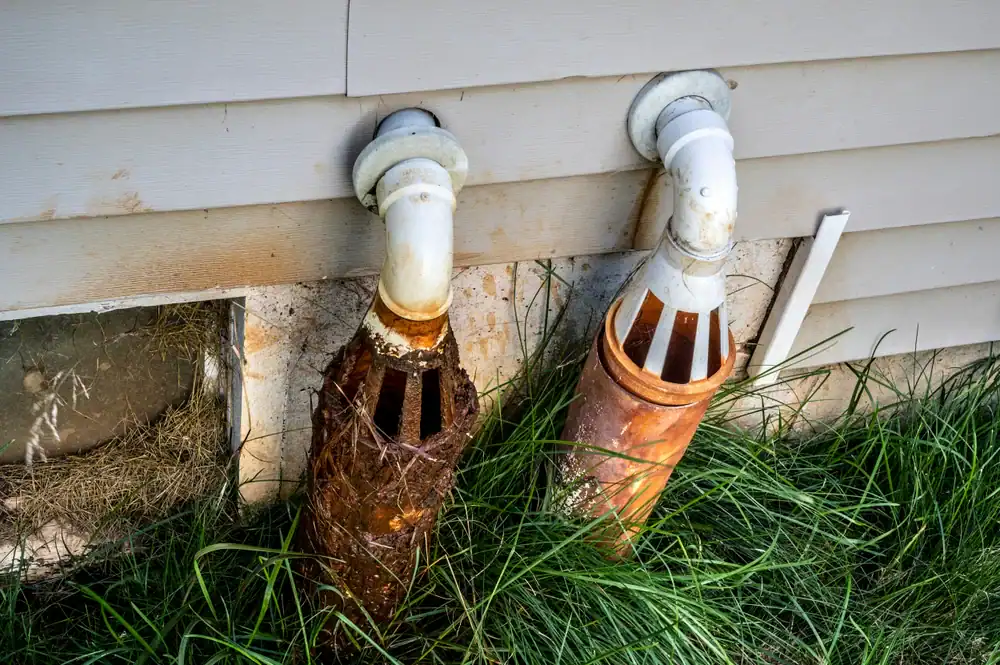
Clogs are another issue. Debris in the sump pit can jam the float switch or block the impeller, preventing the pump from turning on. Discharge lines can freeze in winter or get clogged with mud and leaves, which forces the pump to work harder than it should. Regular maintenance catches most of these problems before they cause a failure. If your pump hasn’t been checked in a year or more, it’s worth scheduling an inspection before storm season hits.