Vapor Barrier Installation Guilford County, NC

Your Crawl Space Is Damaging Your Home Right Now

Forty percent of the air you breathe comes from your crawl space. In North Carolina’s humid climate, that means ground moisture, mold spores, and musty air are entering your home every single day. Professional vapor barrier installation seals out moisture at the source, protects your structure from rot, and gives your family cleaner air to breathe.

Over 30 Years Local Experience

Three decades serving Greensboro and Guilford County means we understand exactly how North Carolina's climate affects your crawl space and what actually works here.

Crawl Space and Air Quality Specialists

We don't do a little bit of everything. We focus entirely on crawl space health, moisture control, and indoor air quality so you get real expertise.

Professional Crews You Can Trust

Our trained technicians prioritize clear communication and quality workmanship from your first call through project completion, with no surprises along the way.

Proven Results with Real Customers

Homeowners across Guilford County trust us with their crawl spaces because we show up on time, do the work right, and solve problems that stay solved.

Crawl Space Vapor Barrier Guilford County, NC

What a Moisture Barrier Actually Does for Your Home

A vapor barrier is heavy-duty polyethylene sheeting installed across your crawl space floor and walls. It creates a seal between damp soil and your home’s structure, blocking water vapor before it can rise into your living space. Without one, ground moisture evaporates into your crawl space every single day, creating the perfect environment for mold, wood rot, and pest problems. In Guilford County’s humid subtropical climate, where summer humidity regularly exceeds 70%, that ground moisture doesn’t just sit there. It condenses on cooler surfaces, soaks into wood, and gets pulled into your home through the stack effect. A properly installed moisture barrier stops this cycle at the source. This isn’t about covering up a problem. It’s about eliminating the conditions that cause damage in the first place.

Moisture Control Benefits Greensboro, NC

What Changes After Your Vapor Barrier Installation

You’re not just sealing your crawl space. You’re protecting your home’s structure, your family’s health, and your monthly budget from the damage that unchecked moisture causes every day.

Crawl Space Encapsulation Guilford County, NC

Why North Carolina Crawl Spaces Need More Protection
Here’s what most people don’t realize about Guilford County’s climate: morning temperatures can be 20 degrees cooler than afternoon highs, especially in spring and fall. Every time that happens, warm humid air enters your crawl space and hits cooler surfaces, releasing moisture through condensation. This happens day after day, creating chronic moisture accumulation that a thin piece of plastic from a big box store simply can’t handle. The Piedmont region’s clay-heavy soil makes it worse. Clay retains water and directs it toward your foundation instead of draining away. Add in North Carolina’s frequent rainfall and you’ve got constant pressure pushing moisture into your crawl space from below. That’s why we use 20-mil reinforced vapor barriers, not the 6-mil minimum that meets code but fails within a few years. Thicker material resists tears, handles foot traffic if you need to access utilities, and actually lasts 20-plus years instead of deteriorating after five. When we seal your crawl space, we’re accounting for decades of North Carolina weather, not just getting through next summer.
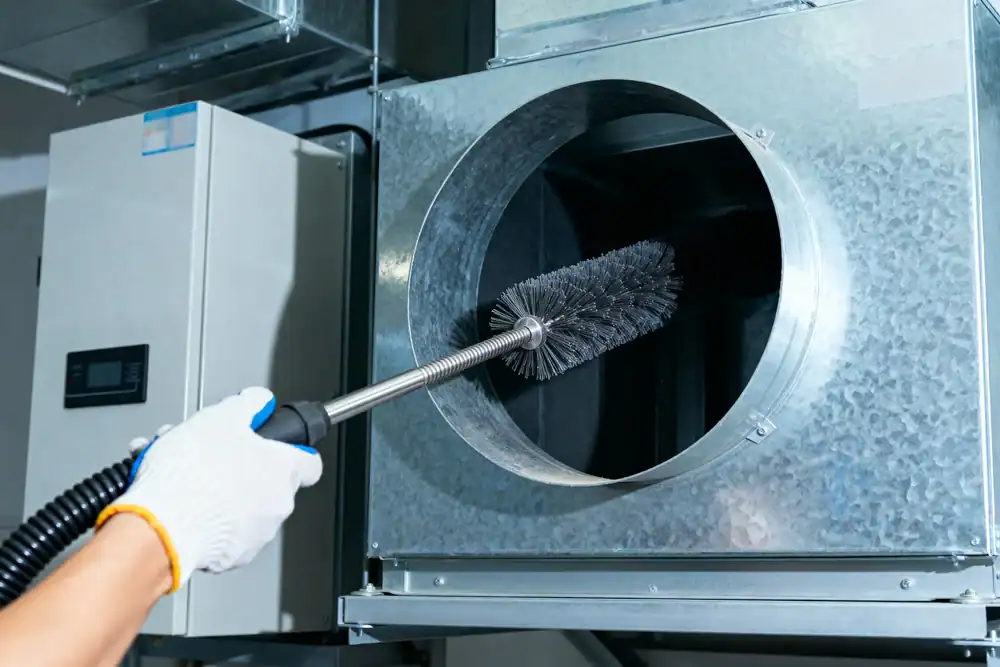
Commercial duct cleaning services for improved air quality in Alamance, NC. Expert HVAC duct cleanin.
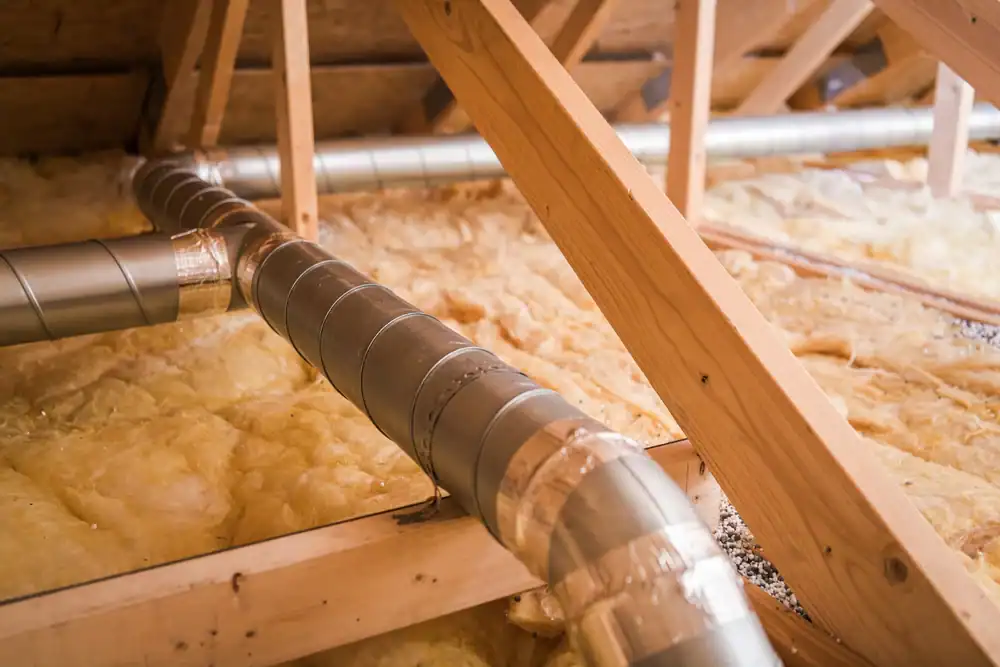
Ductwork for moisture control in building insulation.

Foundation Moisture Barrier Installation Greensboro

What's Included When We Install Your Vapor Barrier

We start by clearing out debris, old insulation, and anything else that’s accumulated in your crawl space. If there’s standing water or active leaks, we address those first because sealing moisture inside doesn’t solve anything. Next comes the actual vapor barrier installation. We cover 100% of your crawl space floor with heavy-duty polyethylene sheeting, extending it six inches up the walls. Every seam gets overlapped by 12 inches and sealed with specialized tape, not regular duct tape that fails in humid conditions. We seal around piers, pipes, and any penetrations so there are no gaps where moisture can sneak through. If your crawl space has vents, we’ll discuss whether sealing them makes sense for your situation. In most North Carolina homes, sealed crawl spaces with controlled humidity perform better than vented ones that just let in more humid outdoor air. We also evaluate whether you need a dehumidifier to maintain optimal humidity levels year-round, typically between 40 and 50 percent. Some homes need it immediately, others can add it later if needed. We’ll tell you what we’d do if it were our house.
Vapor Barrier FAQs

Common Questions About Our Service

Most homeowners in Guilford County spend between $1,200 and $4,000 for complete vapor barrier installation, but that range depends on several factors. Your crawl space size is the biggest variable—a 1,500 square foot space costs more than an 800 square foot one. The material thickness matters too. We use 20-mil reinforced barriers that cost more upfront but last 20-plus years instead of the 6-mil minimum code material that deteriorates in five. Accessibility affects pricing as well. If your crawl space has a standard access point and reasonable clearance, installation goes faster than a tight space with limited entry. Additional factors include whether you need mold remediation first, if there’s standing water to address, or if you’re adding a dehumidifier as part of the system. We provide free inspections and written estimates so you know exactly what your project costs before we start any work. No surprises, no pressure.
A quality vapor barrier professionally installed can last 20 to 25 years in ideal conditions. But here’s what “ideal conditions” actually means: proper installation with sealed seams, appropriate material thickness for your climate, no pest intrusions, and reasonable foot traffic if you’re accessing utilities. The cheap 6-mil plastic you can buy at big box stores typically lasts only 5 to 10 years before breaking down, especially in North Carolina’s humid environment.That’s why we use 20-mil reinforced material that resists tears, handles moisture exposure, and maintains its integrity for decades. The installation quality matters just as much as the material. Gaps in sealing, poor taping, or shortcuts during installation mean moisture still gets through and your barrier won’t last nearly as long.Think of it like this: you can replace a thin barrier every 5 to 7 years and deal with moisture problems in between, or invest in proper installation once and not worry about it for 20-plus years. Most homeowners prefer the latter.
A vapor barrier blocks ground moisture from evaporating into your crawl space, which is the primary source of humidity in most NC crawl spaces. But it’s not a magic fix for every moisture problem. If you have active water intrusion from leaks, poor drainage around your foundation, or plumbing issues, those need to be addressed first. The vapor barrier prevents moisture vapor from the soil below from entering your space, but it can’t stop water that’s coming in from other sources.That’s why proper installation includes identifying and fixing any existing water problems before we seal your crawl space. In many Guilford County homes, we also recommend adding a dehumidifier to maintain optimal humidity levels year-round, typically between 40 and 50 percent. North Carolina’s humid climate means even a sealed crawl space can benefit from active humidity control, especially during summer months when outdoor humidity exceeds 70 percent. We evaluate your specific situation during the inspection and recommend only what your space actually needs.
In most North Carolina homes, yes, sealing crawl space vents improves performance significantly. Here’s why that seems counterintuitive but actually makes sense: vented crawl spaces were designed to let air flow through and dry things out. But in humid climates like ours, those vents just let in more humid outdoor air. When that warm, moisture-laden air enters your cooler crawl space, it condenses on surfaces and releases moisture, making the problem worse instead of better.Modern building science shows that sealed crawl spaces with controlled humidity perform better than vented ones in our region. You’re creating a conditioned space that’s part of your home’s envelope instead of an outdoor area that happens to be under your house. This approach reduces moisture, improves energy efficiency, and protects your structure more effectively.That said, every home is different. During your inspection, we’ll assess your specific crawl space conditions, ventilation setup, and moisture levels to determine whether sealing vents makes sense for your situation. We’ll explain the reasoning either way so you can make an informed decision.
You can install a basic vapor barrier yourself if you’re comfortable working in tight, dark spaces and have the right materials and knowledge. But here’s what that actually involves: crawling around in a confined area for hours, properly sealing every seam with specialized tape, cutting around pipes and piers without leaving gaps, and ensuring 100 percent coverage with no tears or punctures. Most homeowners underestimate how physically demanding and technically precise this work is.The bigger issue is that improper installation means you’ve spent money on materials without actually solving the moisture problem. Gaps in sealing, wrong material placement, or missed penetrations allow moisture to continue entering your crawl space. You end up with a false sense of security and ongoing damage you don’t see until it’s expensive to fix.Professional installation costs more upfront but includes proper assessment of your moisture sources, correct material selection for North Carolina’s climate, and installation that actually works for 20-plus years. We also handle any prep work like debris removal or addressing existing issues. For most homeowners, the peace of mind and long-term effectiveness of professional installation outweighs the upfront cost savings of DIY.
A vapor barrier is one component of crawl space moisture control—it’s the plastic sheeting that covers your floor and walls to block ground moisture. Crawl space encapsulation is a comprehensive system that includes the vapor barrier plus additional measures like sealing vents, installing dehumidifiers, adding drainage systems if needed, and sometimes insulating walls for energy efficiency.Think of it this way: a vapor barrier is like putting a raincoat on your crawl space floor. Encapsulation is weatherproofing the entire space so moisture can’t get in from any direction and humidity stays controlled year-round.Which one you need depends on your moisture levels, your home’s construction, and your goals. Some Guilford County homes only need a quality vapor barrier installation to solve their moisture issues. Others benefit from full encapsulation, especially if they’re dealing with high humidity, frequent condensation, or want maximum energy efficiency. We assess your specific situation during the inspection and recommend the approach that makes sense for your home and budget, not the most expensive option we offer.
1

Free Crawl Space Inspection

We come to your home, assess your crawl space conditions, identify moisture sources, and explain exactly what your space needs without pressure or upselling.

2

Custom Installation Plan

Every crawl space is different. We create a plan specific to your home's layout, moisture levels, and budget, using materials that actually last in NC's climate.

3

Professional Installation and Sealing

Our trained crews install your vapor barrier correctly the first time, sealing every seam and penetration so moisture stays out and your investment lasts decades, not years.