
Contact Info
- Greensboro, NC 27406
- Call: 336-707-0498
- Text: 336-707-0498
-
Mon - Fri: 8am - 4pm
Sat - Sun: Closed
Contact Info
Your sump pump sits in the basement doing nothing most days. Then the rain hits, and suddenly it’s the only thing standing between you and a flooded mess. The question isn’t if it’ll fail—it’s when, and whether you’ll catch the warning signs before water starts pooling where it shouldn’t.
Most sump pumps last somewhere between 7 and 10 years. That’s the average. But averages don’t account for how hard yours works, how it was installed, or whether it’s been maintained at all. Let’s talk about what actually determines how long your pump lasts and what you need to watch for.
The typical sump pump lasts 7 to 10 years with regular maintenance. Some high-quality models push past that if they’re not overworked. Cheaper units fail in as little as two years, especially if they’re running constantly or dealing with more water than they were designed to handle.
The type of pump matters. Submersible pumps sit underwater in the sump pit, which means the motor stays cooler and the cast-iron housing holds up well. They typically last 5 to 15 years. Pedestal pumps keep the motor above water, which can extend their lifespan to 25 years in the right conditions. But they’re noisier and less common in newer homes.
Your pump’s actual lifespan depends on how often it runs. In Guilford County, NC, where we get around 45 inches of rain per year—well above the national average—pumps work harder than they would in drier climates. A pump that cycles multiple times a day wears out faster than one that only kicks on during heavy storms.
Frequency of use is the biggest factor. If your pump runs every day because of a high water table or poor drainage around your home, it’s going to burn out sooner. The motor, bearings, and float switch all wear down with each cycle. That’s where proper drainage solutions like French drain installation can actually extend your pump’s life by reducing how often it needs to run.
Installation quality plays a huge role too. A pump that’s improperly sized for your basement will either run nonstop trying to keep up or sit idle so long that seals dry out and parts corrode. If the sump pit is too small, the pump short-cycles, turning on and off constantly. That kills motors fast.
Lack of maintenance accelerates failure. Debris clogs the intake. The discharge line freezes or gets blocked. The check valve sticks. These aren’t dramatic failures—they’re slow killers that you won’t notice until the pump stops working during the next big rain.
Power surges from storms can fry the motor. In Greensboro, where heavy rainstorms are common, a pump without surge protection is vulnerable exactly when you need it most. And if you’ve never tested your pump or cleaned the pit, you’re gambling every time the weather turns.
The quality of the pump itself matters. A plastic-bodied unit from a big-box store won’t hold up like a professional-grade cast-iron model. The internal components—motor windings, impeller, float switch—are built to different standards. You get what you pay for, and in this case, what you pay for is reliability when water’s rising.
Pedestal sump pumps technically last longer because the motor stays dry above the water. Without constant moisture exposure, they can run for 25 years or more with proper care. But there’s a tradeoff—they’re louder, take up more space, and aren’t as efficient at moving large volumes of water quickly.
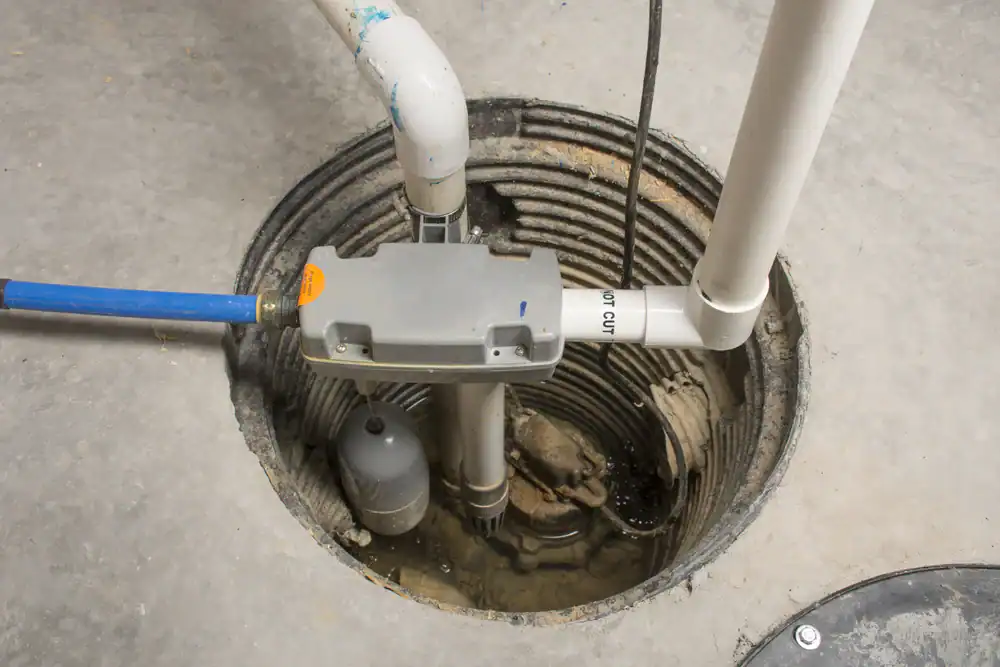
Submersible pumps sit entirely underwater in the sump pit. The water actually helps cool the motor, which prevents overheating during long run times. Most quality submersible models use cast-iron housings that resist corrosion. They’re quieter since they operate below floor level, and they’re more powerful for their size. The downside? Constant water contact shortens their lifespan to about 5 to 15 years.
For most Guilford County homes, submersible pumps make more sense. They handle the heavy rainfall we get here without making noise, and they don’t take up usable basement space. Yes, you’ll replace them sooner than a pedestal pump, but the performance difference during a storm is worth it.
If you’re choosing between the two, think about your specific situation. High water table and frequent cycling? Submersible. Occasional use and you don’t mind the noise? Pedestal might last you decades. Either way, proper installation and maintenance matter more than the type of pump you pick.
The real question isn’t which one lasts longer on paper—it’s which one will actually protect your basement when the next storm rolls through. And in an area that sees as much rain as we do, you want the pump that works best when it’s working hardest.
Want live answers?
Connect with a Clean Air LLC expert for fast, friendly support.
Your sump pump will tell you when it’s struggling. The trick is noticing before it fails completely. Strange noises are the first clue—grinding, rattling, or gurgling sounds mean something’s wrong with the motor or impeller. A healthy pump makes a low hum when it runs. Anything louder than that deserves attention.
Constant running is a red flag. If your pump won’t shut off even when the pit is empty, you’ve likely got a stuck float switch or a pump that’s undersized for the job. Either way, that motor is working overtime and will burn out fast if you don’t fix it.
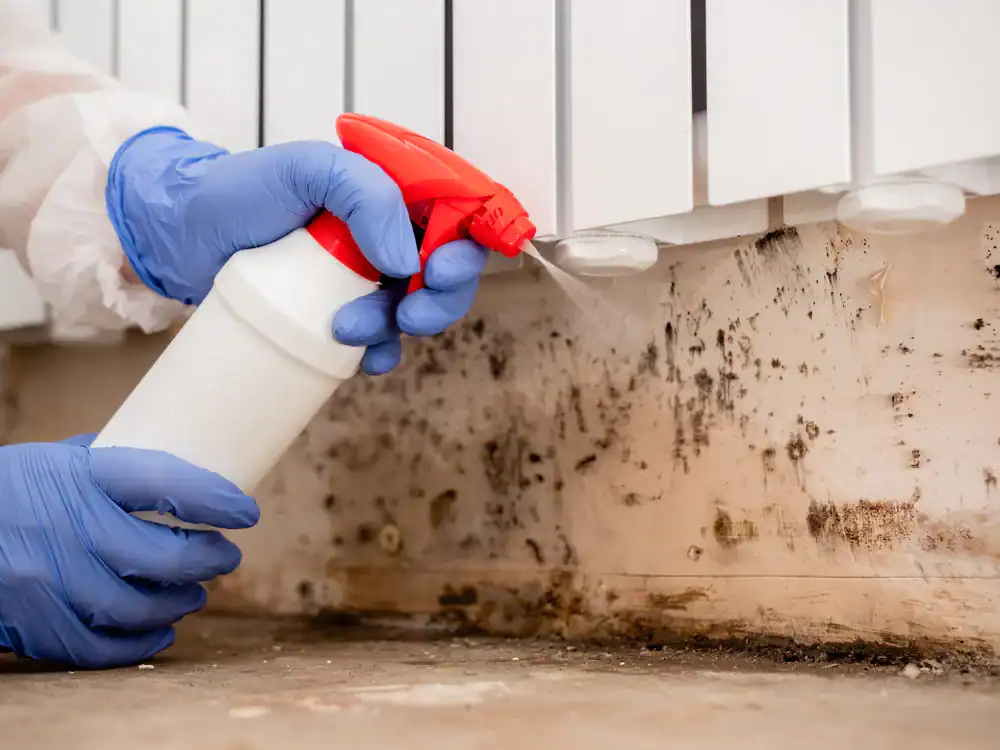
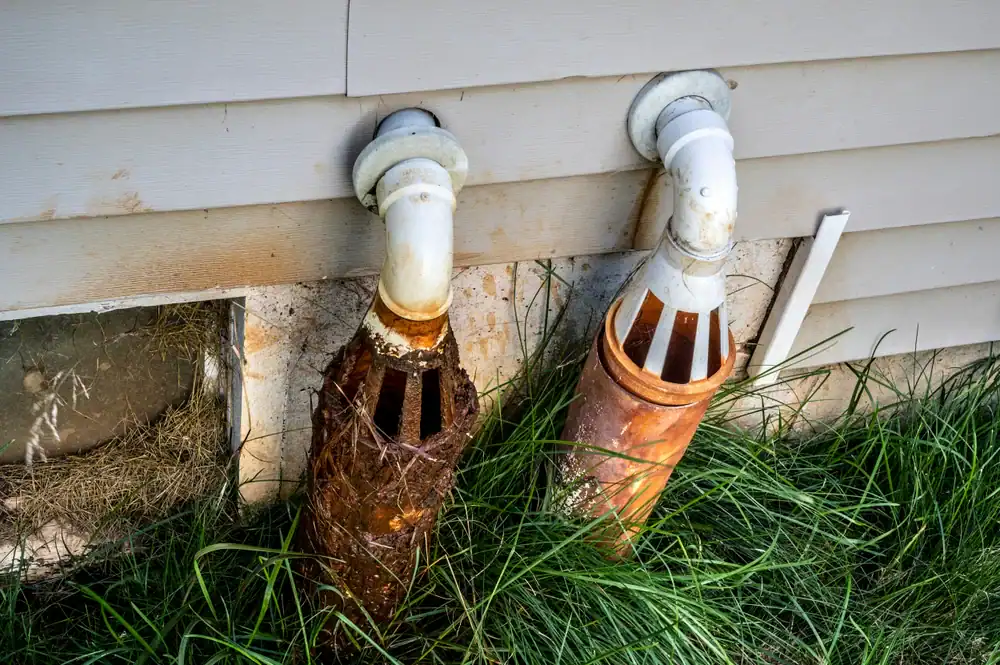
Visible rust or corrosion around the pump housing, float, or discharge pipe signals that bacteria or moisture damage is taking hold. Rust doesn’t just look bad—it compromises the pump’s ability to function and can clog the system entirely. In crawl spaces and basements where humidity runs high, this kind of corrosion often coincides with mold growth that needs professional mold removal to address properly.
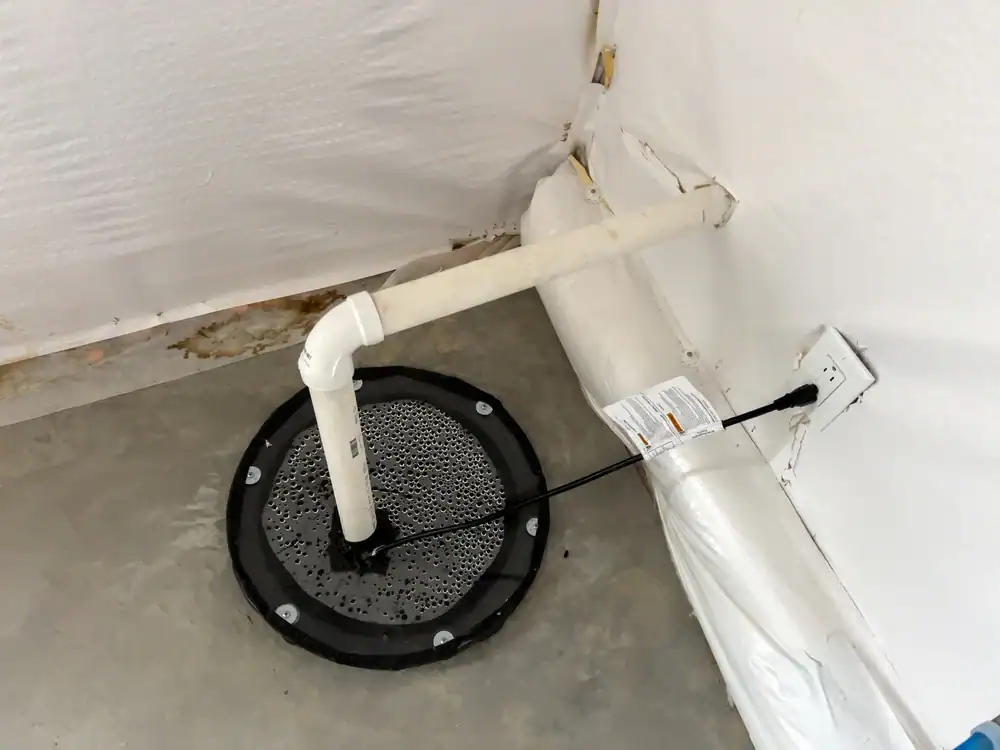
A pump that won’t activate when water rises is the worst-case scenario. You won’t know it’s failed until you’re standing in a flooded basement. The most common cause is a power issue—the pump isn’t plugged in, the outlet’s dead, or the circuit breaker tripped. Always check the power source first.
A stuck or broken float switch is the next likely culprit. The float is what triggers the pump to turn on when water reaches a certain level. If it gets tangled, jammed, or corroded, the pump never gets the signal to start. You can test this by manually lifting the float—if the pump doesn’t kick on, the switch is bad.
Clogged discharge lines prevent water from leaving the pit, which can make the pump appear to fail even when it’s trying to run. If the line is frozen (common in winter), blocked with debris, or collapsed, water has nowhere to go. The pump might hum or vibrate but won’t actually move water.
Motor failure is the other possibility. If the motor’s burned out from age or overwork, nothing happens when the float switch activates. You might smell something electrical or notice the pump housing is warm to the touch. At that point, you’re usually looking at replacement rather than repair.
In Greensboro, where storms can dump rain fast, a pump that won’t turn on during heavy weather is a crisis. If you’re seeing water rise in the pit and nothing’s happening, you need professional sump pump repair immediately—not next week.
Age is the first thing to consider. If your pump is over 7 years old and showing problems, replacement usually makes more sense than repair. Even if the current issue is fixable, you’re likely facing more failures soon. At that age, you’re not buying much time with a repair.
Minor issues like a faulty float switch, clogged intake, or stuck check valve are worth repairing if the pump is relatively young and has been well-maintained. These are straightforward fixes that don’t cost much and can add years to the pump’s life. If the core motor and housing are still solid, repair it.
Repeated repairs are a sign you’re throwing money at a dying pump. If you’ve had it serviced multiple times in the past year, or if different components keep failing, you’re better off replacing the whole system. Reliability matters more than saving a few hundred dollars on another temporary fix.
Motor failure, extensive rust, or a pump that’s consistently overwhelmed by water volume all point toward replacement. If the pump can’t keep up with the water your property generates, a repair won’t solve that—you need a more powerful unit or a secondary backup pump. Sometimes the real solution involves addressing the source of the water with better drainage, like French drain installation around your foundation, rather than just upgrading the pump.
Cost is a factor, but not the only one. A repair might be cheaper upfront, but if it fails again during the next storm and you end up with water damage and mold removal costs, that “savings” evaporates fast. Replacement gives you a fresh start with a warranty and the peace of mind that comes with new equipment.
In Guilford County, NC, where heavy rain is a regular occurrence, you can’t afford to gamble on a pump that’s barely hanging on. If there’s any doubt about reliability, replacement is the safer call.
Your sump pump has one job—keep water out of your basement. When it fails, the consequences aren’t small. Water damage, mold growth, ruined belongings, and structural problems all follow a flooded basement. The good news is that most failures give you warning signs if you’re paying attention.
Test your pump regularly, especially before storm season. Pour water into the pit and make sure it activates and drains properly. Check for rust, listen for strange noises, and watch how long it runs. If anything seems off, don’t wait for it to fail during the next heavy rain.
If you’re dealing with an aging pump, frequent repairs, or any of the warning signs we’ve covered, it’s time to talk to someone who knows sump pump repair in Guilford County, NC. We’ve been helping homeowners in this area since the early 1990s, and we understand the specific challenges that come with Greensboro’s climate and soil conditions. We’ll tell you honestly whether repair makes sense or if replacement is the smarter move for your situation.
Summary:
Share: