
Contact Info
- Greensboro, NC 27406
- Call: 336-707-0498
- Text: 336-707-0498
-
Mon - Fri: 8am - 4pm
Sat - Sun: Closed
Contact Info
You keep your home clean. You change your HVAC filters. You open windows when the weather’s nice. But somehow, someone in your family still wakes up congested, or that musty smell won’t go away, or you’re dusting the same surfaces every other day.
Here’s what most people don’t realize: the air inside your Guilford County home can be two to five times more polluted than the air outside. And in North Carolina’s humid climate, with our tightly sealed modern homes and seasonal allergen loads, invisible contaminants build up faster than you’d think.
This isn’t about fear. It’s about information. Your home is giving you signals, and once you know what to look for, you’ll understand when it’s time to stop guessing and start testing.
Residential air quality testing measures the pollutants and contaminants circulating through your home’s air. We’re talking about mold spores, volatile organic compounds from furniture and building materials, allergens, particulate matter, and even gases like radon that you can’t see, smell, or taste.
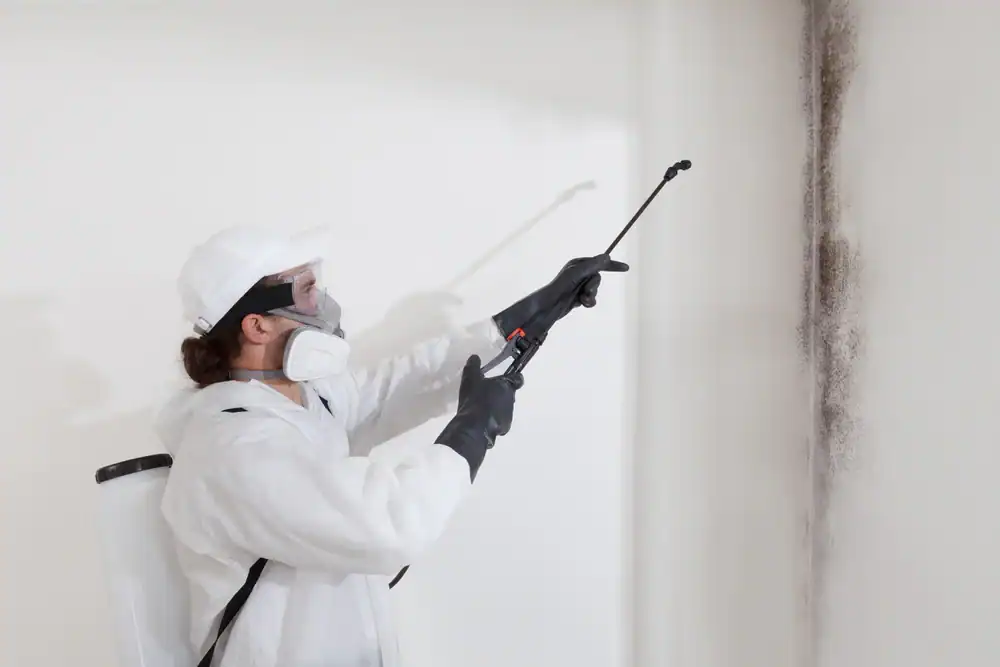
The testing process uses specialized equipment to collect air and surface samples from strategic locations throughout your home. Those samples go to accredited laboratories where technicians identify specific pollutants and measure their concentration levels. You get a detailed report that tells you exactly what’s in your air and whether those levels pose health risks.
This matters because you spend roughly 90 percent of your time indoors. Your home should be your safest space, but without testing, you’re operating on assumptions. Professional air quality assessment gives you facts instead of guesswork, and facts lead to solutions.
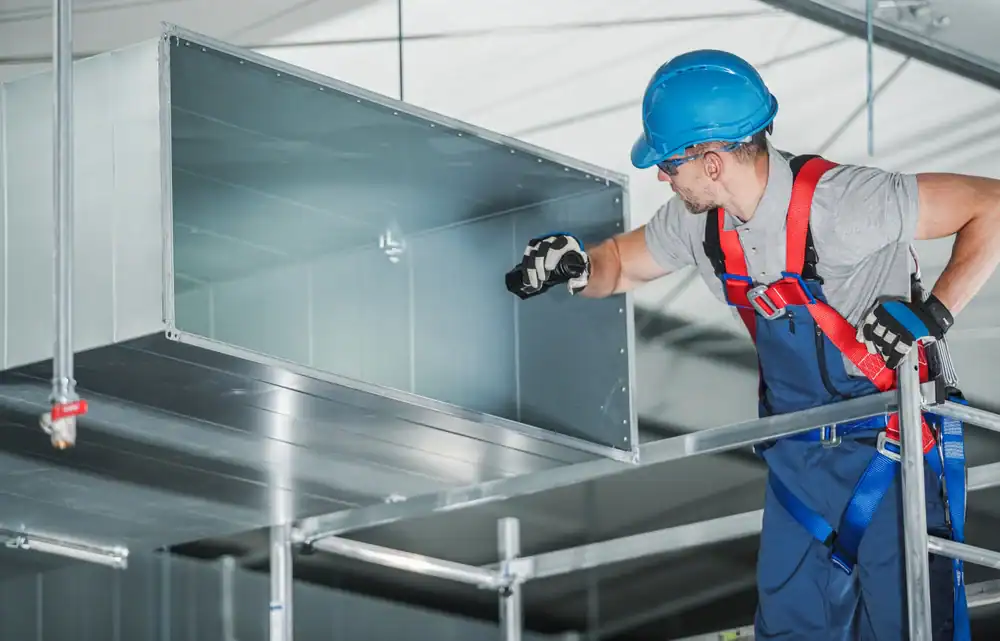
The process starts with a conversation about what you’ve noticed. Are family members experiencing symptoms? Have you had water damage, recent renovations, or noticed musty odors? This initial discussion helps our certified professionals understand where to focus their inspection.
During the on-site assessment, our technicians conduct a thorough visual inspection of your property. We’re looking at HVAC systems, ductwork, crawl spaces, basements, attics, and anywhere moisture or contaminants tend to accumulate. In Guilford County homes specifically, crawl spaces deserve extra attention since up to 40 percent of your home’s air can come from that space.
Our technicians strategically collect air samples using calibrated equipment. We might also take surface samples from areas showing visible growth or suspected contamination. These aren’t random collections. Our certified professionals know exactly where problems hide in North Carolina’s building types, from historic Greensboro homes to newer energy-efficient constructions in High Point.
Air samples capture what’s floating through your environment right now. Mold spores, allergens, chemical vapors, and microscopic contaminants that circulate unnoticed through your HVAC system all show up in laboratory analysis. The entire inspection typically takes one to two hours, though larger homes or complex situations might require more time.
After samples reach the accredited laboratory, analysts identify specific pollutants and measure their concentrations. You receive a comprehensive report detailing findings, potential health implications, and actionable recommendations. We explain results in plain language, comparing pollutant levels to safety guidelines from organizations like the Environmental Protection Agency so you understand exactly where action is needed.
Planning a renovation? Testing before you start tearing into walls can save you from serious headaches and health risks. Older homes in Greensboro and surrounding areas were often built with materials that we now know release harmful compounds. Disturbing these materials without proper precautions can release contaminants throughout your home.
Environmental air quality testing for planning identifies what’s hiding in your walls, floors, and ceilings before construction begins. Asbestos in insulation or flooring materials. Lead-based paint on trim and walls. Mold growth behind wallpaper or in wall cavities. These aren’t things you want to discover halfway through a project when your family is already exposed.
Testing also establishes a baseline. You’ll know what your air quality looked like before renovation work started. After construction finishes, follow-up testing confirms whether the work improved conditions or if additional steps are needed. This is especially important if you’re opening up spaces, changing ventilation patterns, or installing new materials that might off-gas VOCs.
North Carolina building codes have evolved significantly over the decades. Homes built before modern standards often have ventilation issues or materials that wouldn’t pass inspection today. If you’re updating a property built in the 1970s, 1980s, or earlier, professional testing before renovation isn’t optional. It’s the responsible approach that protects your family and your investment.
New furniture, carpeting, and building materials can also introduce VOCs into your home. That new carpet smell? Those are chemical compounds off-gassing into your air. Fresh paint, cabinets, and flooring all release vapors, especially in the first weeks and months after installation. Testing after major purchases or installations helps you understand whether ventilation is adequate or if you need additional air quality measures.
Want live answers?
Connect with a Clean Air LLC expert for fast, friendly support.
Your home communicates with you constantly. The trick is recognizing which signals indicate air quality problems versus normal household quirks. These seven signs are your home’s way of saying it’s time for professional residential air quality testing.
Pay attention to patterns. One person having a bad allergy day doesn’t necessarily mean you have an air quality crisis. But when multiple family members experience symptoms that improve when they leave the house and return when they come back, that’s a pattern worth investigating.
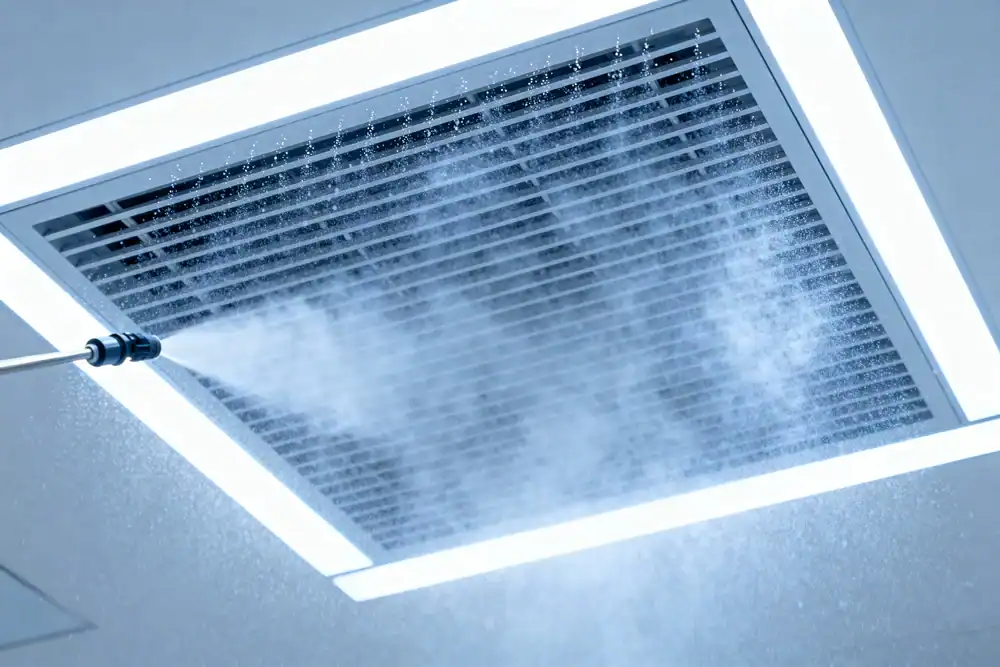
You wake up congested. Your throat feels scratchy. Your eyes water for no apparent reason. Someone in your family is coughing more than usual, and it’s not cold or flu season. These respiratory symptoms are often the first indication that something in your indoor air needs attention.
Here’s the pattern to watch for: symptoms that improve when you’re away from home and worsen when you return. If your allergies calm down at work but flare up every evening, or if weekend trips leave you feeling better until you walk back through your front door, your home environment is likely the culprit.
Contaminants like dust mites, mold spores, pet dander, and chemical vapors trigger these reactions. North Carolina’s humid climate creates perfect conditions for mold growth and dust mite populations. Modern energy-efficient homes, while great for utility bills, seal in these allergens and prevent fresh air circulation that would dilute their concentrations.
Children, elderly family members, and anyone with pre-existing respiratory conditions or compromised immune systems are particularly vulnerable. If someone in your household has asthma and their attacks are becoming more frequent or severe without other explanation, indoor air quality deserves investigation.
Headaches, dizziness, and fatigue also fall into this category. These symptoms can have many causes, but when they consistently occur at home and ease when you’re elsewhere, pollutants in your indoor air might be responsible. Volatile organic compounds from furniture, cleaning products, and building materials can cause these effects, especially in poorly ventilated spaces.
Don’t dismiss symptoms as “just allergies” or assume you’re getting sick more often. Your body is telling you something. Professional air quality testing identifies whether indoor pollutants are causing your symptoms and which specific contaminants need to be addressed.
**Sign 2: Musty Odors and Stale Air**
That musty smell isn’t normal, and it won’t go away with air fresheners. Musty odors typically indicate mold growth somewhere in your home, even if you can’t see it. Mold releases microbial volatile organic compounds that create that distinctive smell. It might be hiding behind walls, under flooring, in ductwork, or in your crawl space.
Stale air that never seems fresh, even with windows open, suggests ventilation problems. Your home isn’t exchanging indoor air with outdoor air effectively. Pollutants accumulate, concentrations increase, and your HVAC system just keeps recirculating the same contaminated air through your living spaces.
**Sign 3: Visible Mold Growth or Water Damage**
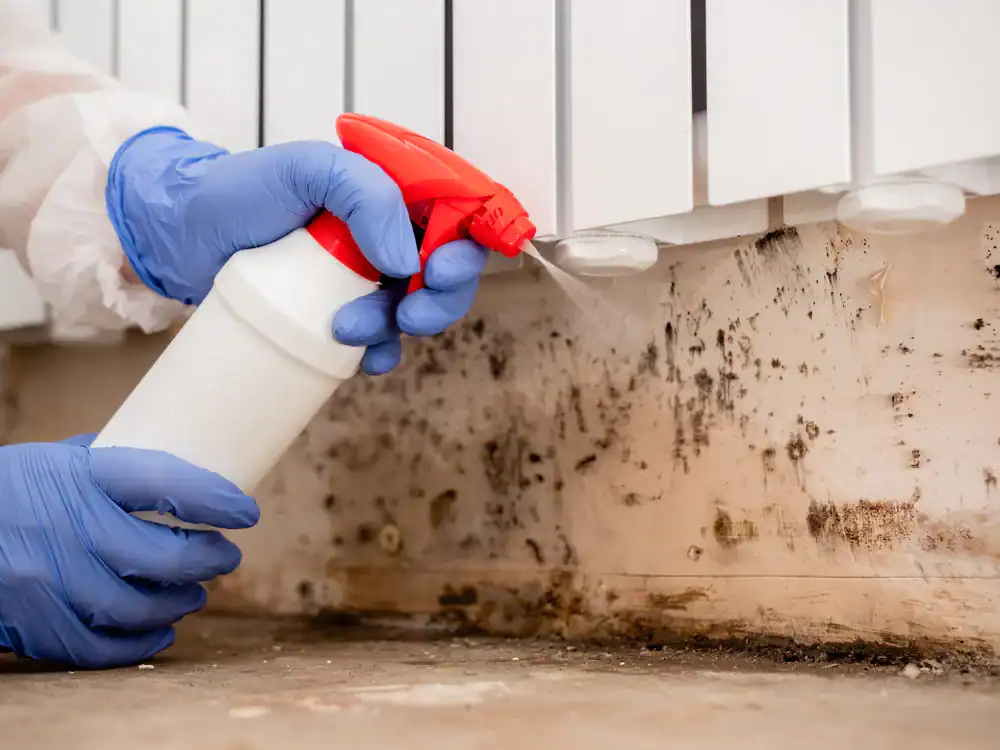
If you can see mold, you definitely have a mold problem. But visible growth is usually just the tip of the iceberg. Where there’s visible mold on walls, ceilings, or around windows, there’s likely more hidden behind surfaces or in ventilation systems.
Water damage, even if it’s been “dried out,” creates conditions for mold growth. Guilford County’s humidity means that moisture problems don’t always dry completely on their own. Discolored walls, water stains on ceilings, warped flooring, or peeling paint all indicate moisture intrusion that could be supporting mold colonies you can’t see.
Condensation on windows isn’t just annoying. It’s a sign that humidity levels inside your home are too high. Excess moisture promotes mold growth and dust mite populations. In North Carolina’s climate, controlling indoor humidity is essential for maintaining healthy air quality.
**Sign 4: Excessive Dust Accumulation**
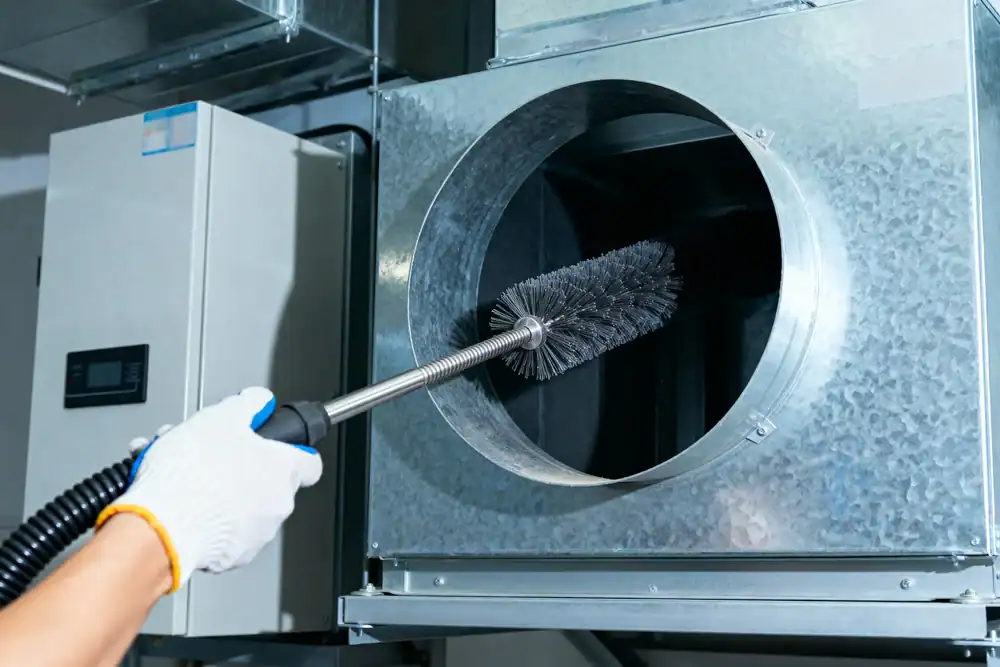
You dust on Monday. By Wednesday, surfaces are covered again. Excessive dust accumulation indicates that your HVAC system isn’t filtering effectively, or that your ductwork is distributing dust throughout your home every time the system runs.
Dust isn’t just annoying. It carries allergens, mold spores, pet dander, and other particles that affect air quality and trigger respiratory symptoms. If your air filters get dirty unusually fast or if you see dust buildup around vents and registers, your ductwork and air quality both need professional attention.
**Sign 5: Uneven Heating or Cooling and Poor Airflow**
Rooms that never reach comfortable temperatures might have airflow problems. Vents with visible dirt buildup, weak airflow from registers, or HVAC systems that run constantly without achieving set temperatures all suggest ventilation and filtration issues.
When your system can’t circulate air properly, it can’t filter effectively either. Pollutants and contaminants settle in some areas while others get inadequate ventilation. Your HVAC system ends up recirculating dust, allergens, and pollutants instead of removing them.
**Sign 6: Recent Renovations or New Furniture**
New isn’t always better for indoor air quality. Fresh paint, new carpeting, cabinets, and furniture all release volatile organic compounds as they off-gas. That “new” smell is actually chemical vapors entering your air.
If you’ve recently remodeled, installed new flooring, or brought in new furniture, and family members are experiencing symptoms, VOCs are the likely culprit. Testing identifies which compounds are present and whether concentrations pose health risks. Some materials off-gas heavily for weeks or months after installation.
Renovation work can also disturb existing contaminants. Opening walls might expose mold growth or release particles from old insulation. Sanding and demolition create dust that spreads throughout your home. Post-renovation air quality testing confirms whether your indoor environment is safe or if additional measures are needed.
**Sign 7: You’re Buying or Selling a Home**
Before purchasing a home in Greensboro, High Point, or anywhere in Guilford County, air quality testing gives you critical information about what you’re buying. You don’t want to discover mold problems, radon issues, or ventilation deficiencies after closing.
Sellers benefit from testing too. Addressing air quality problems before listing demonstrates that your home has been well-maintained. Buyers gain confidence knowing that indoor air has been professionally assessed. Air quality reports can prevent deals from falling apart over undisclosed issues discovered during buyer inspections.
Your home should support your family’s health, not undermine it. If you’re experiencing any of these seven warning signs, or if you simply want the peace of mind that comes from knowing your indoor air is safe, professional residential air quality testing provides the answers you need.
The testing process isn’t complicated, and results give you a clear path forward. You’ll know exactly what’s in your air, whether concentrations pose health risks, and which specific steps will improve your indoor environment. That’s better than guessing, better than ignoring symptoms, and better than assuming everything is fine when it might not be.
We’ve been helping Guilford County families breathe easier for over 30 years. Our NADCA-certified technicians, professional-grade equipment, and free inspections mean you can get expert assessment without upfront costs. When you’re ready to stop wondering and start knowing what’s really in your home’s air, reach out to us at Clean Air LLC.
Summary:
Share: