
Contact Info
- Greensboro, NC 27406
- Call: 336-707-0498
- Text: 336-707-0498
-
Mon - Fri: 8am - 4pm
Sat - Sun: Closed
Contact Info
Five-star reviews look great until you realize anyone can buy them. The contractors who combine real credentials with honest customer feedback are the ones worth calling.
You’ve probably seen them. Contractors with hundreds of glowing five-star reviews, promising the world, offering deals that seem almost too good to pass up. Then you call, and something feels off. The pressure starts. The upsell begins. And you’re left wondering if those reviews were even real.
Here’s the thing: star ratings tell part of the story, but they don’t tell you if the person showing up at your door actually knows what they’re doing. Anyone can buy reviews. Not everyone can pass a NADCA exam or maintain IICRC certification. When you’re trying to figure out which HVAC contractor to trust with your home’s air quality in Guilford County, NC, you need to look beyond the stars and dig into what actually separates legitimate professionals from everyone else trying to make a quick buck.
Star ratings are helpful. They give you a quick snapshot of customer satisfaction. But they don’t tell you whether the technician who showed up actually understood HVAC systems, followed industry safety standards, or used the right equipment for the job.
Professional certifications prove training. They require passing exams, demonstrating hands-on competency, and staying current with industry changes through continuing education. A NADCA certification means someone studied HVAC system hygiene, learned proper cleaning techniques, and passed a standardized test. An IICRC AMRT credential shows they’ve been trained in mold and sewage remediation with a focus on protecting occupant health.
Reviews can be faked, purchased, or written by friends and family. Certifications can’t. They’re issued by independent organizations with verification processes, and they can be looked up in public directories to confirm they’re legitimate and current.
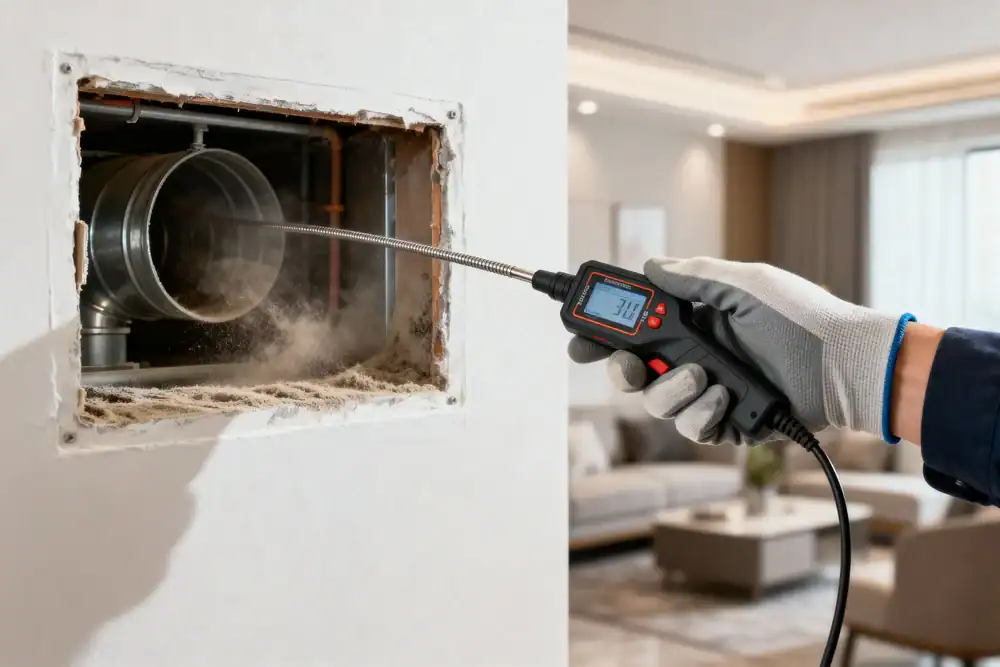
The National Air Duct Cleaners Association sets the standard for how air duct cleaning should be done across the country. When a company is NADCA certified, it means at least one employee has earned the Air Systems Cleaning Specialist certification and the company follows NADCA’s code of ethics and cleaning standards.
NADCA certified technicians don’t just vacuum your ducts and call it a day. They’re trained to understand how HVAC systems function, identify contamination, use proper containment methods, and clean every component of the system without causing damage. They know which equipment to use for different situations and how to verify the work was done correctly. This training covers indoor air quality concerns, mechanical system components, safety protocols, and the ability to apply practical knowledge in real-world scenarios.
This matters because improper duct cleaning can actually make things worse. If someone doesn’t set up containment correctly, they can spread contaminants throughout your home instead of removing them. If they use the wrong tools or techniques, they can damage ductwork or HVAC components, leading to expensive repairs. If they skip parts of the system, you’re paying for incomplete work that won’t solve your air quality issues.
NADCA certification also requires continuing education every year. Certified technicians have to stay updated on new techniques, equipment, and industry standards through annual testing. That means the person working on your system isn’t relying on outdated methods from ten years ago.
You can verify NADCA membership through their online directory. If a company claims to be NADCA certified but doesn’t show up in the database, that’s a major red flag. Some companies illegally use the NADCA logo or claim membership when they’re not actually certified, hoping customers won’t check.
In Guilford County, NC, where humidity and crawl space issues are common, having someone who understands proper ventilation system cleaning makes a real difference. Up to 40% of the air in your home can come from your crawl space, so if that area has mold or contamination, it’s circulating through your living space every time your HVAC system runs. A NADCA-certified contractor knows how to address these regional challenges properly.
Mold is one of those things that sounds simple until you’re actually dealing with it. You can’t just spray some bleach and call it handled. Proper mold remediation requires understanding microbiology, containment procedures, safety protocols, and how to prevent future growth. That’s where IICRC Applied Microbial Remediation Technician certification separates trained professionals from people winging it.
The IICRC AMRT certification is the industry standard for mold work. It’s a rigorous program that covers everything from identifying different types of microbial growth to setting up proper containment barriers, using personal protective equipment correctly, and following EPA regulations for antimicrobial chemicals. This isn’t a weekend course or online video series. IICRC AMRT training takes multiple days of intensive classroom work and requires passing a comprehensive exam that tests both theoretical knowledge and practical application.
Technicians learn how to assess the extent of contamination, create detailed remediation plans, establish negative air pressure to prevent cross-contamination during cleanup, and verify the remediation was successful. They study proper demolition and cleaning procedures, understand how to select and use personal protective equipment, and learn the regulations that govern microbial remediation work.
For homeowners in Greensboro, NC and surrounding areas, this certification is particularly important because our climate creates perfect conditions for mold growth. High humidity, crawl spaces, and occasional water intrusion from storms mean mold issues are common. You need someone who knows how to handle it safely without spreading spores throughout your home or exposing your family to health risks.
Certified technicians understand that visible mold is often just the surface problem. They know how to investigate behind walls, in HVAC systems, and in hidden areas where moisture accumulates. They follow the IICRC S520 Standard for Professional Mold Remediation, which is what insurance companies and attorneys reference when evaluating whether work was done correctly. This standard is recognized worldwide and specified for both commercial projects and residential consumers.
IICRC certifications also aren’t lifetime credentials that someone earned once and forgot about. Technicians have to renew every two years and earn continuing education credits to maintain their certification. That ensures they’re staying current with new research, updated standards, and evolving best practices in mold remediation.
When you’re comparing air duct cleaning contractors or mold remediation services, ask about their IICRC certifications specifically. Some companies will claim they “do mold work” without having any formal training. Others might have one certified person on staff but send uncertified technicians to your home. The best companies ensure the person actually doing the work has the credentials, not just the owner sitting in an office somewhere.
Want live answers?
Connect with a Clean Air LLC expert for fast, friendly support.
A five-star average looks impressive until you start reading the actual reviews. That’s when you notice patterns. Maybe all the reviews use similar phrasing. Maybe they’re all posted within the same week. Maybe they’re vague and generic without mentioning specific services or technician names.
Learning to read HVAC contractor reviews critically helps you separate legitimate feedback from manufactured ratings. Look for details. Real customers mention specific problems they had, what the technician did to fix it, how long it took, and whether the price matched the estimate. They talk about communication, punctuality, and how the company handled any issues that came up.
Fake reviews tend to be short, overly enthusiastic, and lacking in specifics. They might say “Great service, highly recommend!” without explaining what service was performed or why it was great. When you see dozens of these generic reviews posted in a short timeframe, that’s a warning sign someone’s buying reviews or incentivizing customers to leave positive feedback without honest assessment.
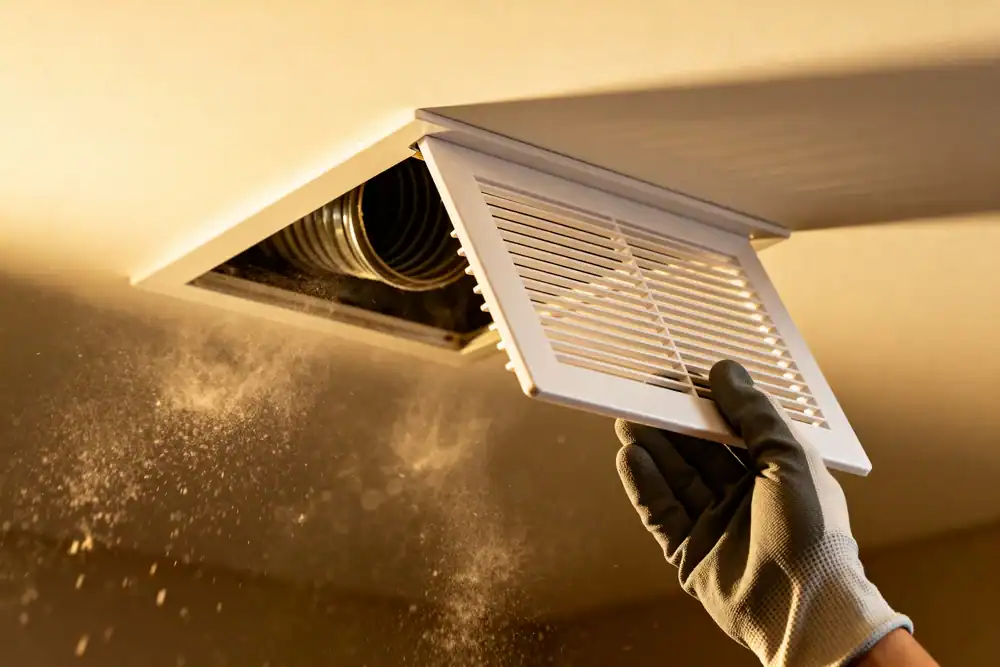
Certain complaints show up in reviews that should immediately make you reconsider hiring a contractor. Watch for patterns around unexpected charges, prices that changed after work started, or bills that were significantly higher than the estimate without explanation. These aren’t isolated billing errors. They’re business practices designed to lock you in with a low quote and then inflate the price once the technician is already in your home.
Reviews mentioning high-pressure sales tactics are another major red flag. Legitimate contractors don’t pressure you into immediate decisions or create false urgency to force a same-day commitment. If multiple reviews mention feeling rushed, pressured to buy expensive equipment they didn’t need, or scared into unnecessary replacements with claims about safety issues, that company’s business model relies on manipulation rather than honest service.
Pay attention to how companies respond to negative reviews. A professional response that acknowledges the issue, explains what happened, and describes how they resolved it shows accountability and customer service. Defensive responses that blame the customer, make excuses, or attack the reviewer’s credibility suggest a company that doesn’t handle problems well and won’t stand behind their work when issues arise.
Look for complaints about technicians who don’t show up on time, don’t call when they’re running late, or don’t follow through on promises. Reliability matters. If a company can’t manage basic communication and scheduling, they probably can’t handle the technical work either. Your time has value, and contractors who respect that demonstrate professionalism before they even start the job.
Reviews mentioning unlicensed work, lack of insurance, or refusal to provide written estimates are serious red flags. These aren’t minor complaints about customer service style. They’re warnings about companies operating outside legal and ethical standards, which puts you at risk financially and legally if something goes wrong.
Also watch for reviews about unnecessary replacements or repairs. If multiple customers mention being told they needed expensive work that turned out to be unnecessary when they got a second opinion, that contractor is probably running a scam. Honest professionals repair what’s broken and explain when replacement actually makes sense versus when a repair will do the job for years to come.
The volume and recency of reviews matter too. A company with hundreds of reviews from years ago but nothing recent might have changed ownership, lost their good technicians, or stopped prioritizing customer service. Recent reviews reflect current performance, current staff, and current business practices.
Look for at least 50+ reviews with a 4-star average or higher across multiple platforms. Don’t just check Google. Look at Yelp, BBB, Facebook, and industry-specific review sites. Consistent positive feedback across different platforms is harder to fake than a bunch of reviews on a single site.
Don’t just take a contractor’s word that they’re certified. Verify it yourself before you commit to anything. NADCA has an online directory where you can search for member companies and see their certification status. If a company claims NADCA membership but doesn’t appear in the directory, they’re lying. Simple as that.
The same goes for IICRC certifications. You can verify individual technician certifications through the IICRC website. Ask for the technician’s certification number and look it up yourself. Legitimate certified technicians are proud to provide this information because they worked hard to earn those credentials. Anyone who gets defensive or makes excuses about why they can’t provide certification numbers is hiding something.
BBB accreditation can be verified on the Better Business Bureau website. You can see a company’s rating, read complaints filed against them, and see how they responded to those complaints. BBB accreditation means a company has committed to ethical business practices and agreed to resolve customer complaints through BBB’s dispute resolution process. It’s not just a logo they slap on their website.
State licensing requirements vary, but in North Carolina, contractors need proper licensing for certain types of work. Ask for license numbers and verify them through the appropriate state board. Licensed contractors carry insurance that protects you if something goes wrong during the job. Unlicensed contractors leave you holding the bag if they damage your property or someone gets injured.
Don’t be shy about asking for proof of insurance. General liability insurance and workers’ compensation coverage protect you from being held liable if someone gets injured on your property or if the work causes damage. Contractors who get defensive when you ask for insurance documentation are either uninsured or underinsured, which means you’re taking on risk that should be theirs.
Request references from recent customers, not just the glowing testimonials on their website. Talk to people who had similar work done in the last few months. Ask about their experience with the company’s communication, whether the work was completed on schedule, if the final price matched the estimate, and if they’d hire that contractor again for future work.
Check multiple review platforms. Don’t just look at Google reviews. Check Yelp, the BBB, Facebook, and industry-specific sites. Patterns become more obvious when you’re looking at feedback across multiple sources. A company with great Google reviews but terrible BBB ratings is managing their online reputation selectively and probably hiding negative feedback where they can control it.
For HVAC and duct cleaning work specifically in Guilford County, NC, ask about the equipment they use and the process they follow. NADCA-certified companies should be able to explain their cleaning process in detail, describe the professional-grade equipment they use, and tell you how long the job typically takes. Vague answers or reluctance to explain their methods suggests they don’t actually follow professional standards or use industry-leading equipment.
Ask how long they’ve been serving the local area. Companies with 30+ years in Guilford County, NC have a track record you can verify. They’ve weathered economic changes, built relationships in the community, and developed expertise specific to regional challenges like crawl space issues and humidity problems common in North Carolina.
Star ratings get you started, but certifications close the deal. The best contractors have both: genuine customer reviews that reflect quality work and professional credentials that prove technical competency. One without the other leaves you guessing.
When you’re evaluating HVAC contractor reviews in Guilford County, NC, prioritize companies that combine NADCA certification, IICRC credentials, BBB accreditation, and a solid track record of positive customer feedback. Verify everything. Check certification directories, read reviews across multiple platforms, and don’t be afraid to ask tough questions about licensing, insurance, and specific training.
Your home’s air quality affects your family’s health every single day. The contractor you choose needs to have both the technical knowledge to do the work correctly and the business ethics to treat you fairly. We’ve served Guilford County, NC for over 30 years with NADCA certification, IICRC AMRT mold credentials, BBB accreditation, and 66+ five-star reviews because we understand that both matter. When you’re ready to work with a duct cleaning contractor who brings verifiable credentials and honest service, that combination is exactly what you should be looking for.
Summary:
Share: