
Contact Info
- Greensboro, NC 27406
- Call: 336-707-0498
- Text: 336-707-0498
-
Mon - Fri: 8am - 4pm
Sat - Sun: Closed
Contact Info
Choosing the right HVAC contractor protects your home and wallet. Learn the warning signs of scams, licensing requirements in North Carolina, and what certifications like NADCA really mean.
Every year, homeowners in North Carolina hand over thousands of dollars to contractors who vanish before finishing the job. Or worse—contractors who finish the job so poorly you have to pay someone else to fix it.
You’re trying to avoid becoming that statistic. Maybe your air ducts haven’t been cleaned in a decade. Maybe you’re dealing with allergies that seem worse at home. Or maybe you just got a quote that sounds too good to be true. The question isn’t whether you need help. It’s whether the person offering help is legitimate.
Here’s the truth: choosing an HVAC contractor isn’t complicated once you know what to look for. This guide shows you exactly how to verify credentials, spot the most common scam tactics, and find someone who’ll do the work right the first time. No sales pitch. No runaround. Just the information you need to make a smart decision.
Before you hire anyone to work on your HVAC system or clean your air ducts, you need to understand what “legitimate” actually means in North Carolina. It’s not just about having a business card or a website.
In North Carolina, HVAC contractors must hold specific licenses through the State Board of Examiners of Plumbing, Heating and Fire Sprinkler Contractors. These aren’t optional credentials—they’re legal requirements that prove someone has the training, experience, and knowledge to work on your home’s systems safely. Contractors need at least 4,000 hours of documented experience before they can even sit for the licensing exam.
Different license classifications exist based on what type of work the contractor performs. Some handle residential systems. Others work on commercial properties. The classification matters because it tells you whether they’re qualified for your specific project. If someone can’t show you their license number or explain their classification, that’s your first warning sign.
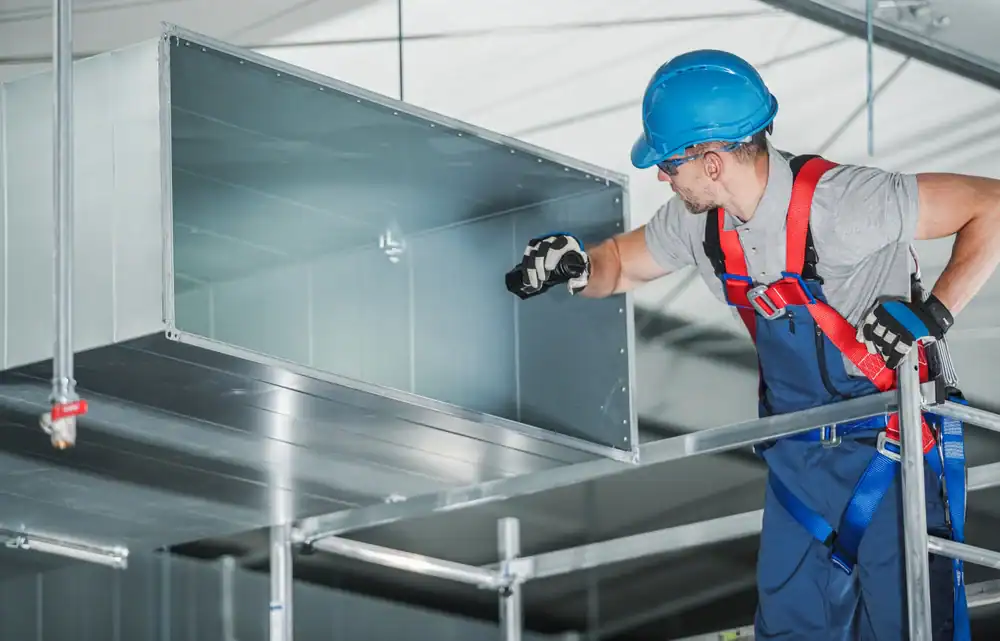
Asking if a contractor is licensed isn’t enough. Anyone can say yes. You need to verify it yourself, and North Carolina makes this easy.
Start with the North Carolina State Board of Examiners of Plumbing, Heating and Fire Sprinkler Contractors website. You can search their database by company name or license number to confirm active status. An active license means they’ve met experience requirements, passed exams, and maintain their credentials annually. If you can’t find them in the database, don’t hire them.
Insurance is just as critical. A legitimate contractor carries both general liability insurance and workers’ compensation coverage. Liability insurance protects your property if something goes wrong during the job. Workers’ comp protects you from being held liable if a technician gets injured on your property. Don’t take their word for it—ask for certificates of insurance and verify the coverage is current.
Some counties in North Carolina, including Greensboro, also require surety bonds. These bonds provide additional financial protection if a contractor fails to complete work or violates contract terms. It’s another layer of accountability that separates professional contractors from fly-by-night operations.
Here’s the reality: unlicensed contractors cost less upfront because they’re cutting corners. They’re not paying for proper training, insurance, or licensing fees. But when something goes wrong—and it often does—you’re the one who pays. You might face property damage with no recourse, incomplete work, or even legal liability for injuries. The few hundred dollars you saved becomes thousands in repairs and legal fees.
Check credentials before you sign anything. Verify licensing through official state databases. Confirm insurance coverage with certificates, not promises. If a contractor gets defensive or evasive when you ask these questions, that tells you everything you need to know about how they do business.
Beyond state licensing, certain industry certifications separate contractors who take their work seriously from those just trying to make a quick buck. Not all certifications carry the same weight, so knowing which ones matter helps you make smarter decisions when selecting an HVAC contractor.
NADCA certification is the gold standard for air duct cleaning contractors. The National Air Duct Cleaners Association sets strict standards for HVAC system cleaning, and their Air Systems Cleaning Specialist (ASCS) certification requires extensive training, testing, and continuing education. NADCA members must follow established protocols, use proper equipment, and maintain ethical business practices. When you hire a NADCA-certified contractor, you’re getting someone who’s invested time and money into doing the work correctly, not just someone with a vacuum and a van.
The Certified Ventilation Inspector (CVI) certification is an advanced NADCA credential that demonstrates expertise in inspecting HVAC systems according to industry guidelines. Contractors with CVI certification can identify problems others miss and provide detailed assessments of your system’s condition. It’s particularly valuable when you need an honest evaluation before committing to expensive repairs or replacements.
BBB accreditation matters too, but for different reasons. The Better Business Bureau doesn’t certify technical skills—it evaluates business practices, customer service, and complaint resolution. A BBB-accredited company has agreed to uphold ethical standards and address customer concerns fairly. Check their rating and read any complaints to see how they’ve handled problems in the past.
NATE certification (North American Technician Excellence) shows that individual technicians have passed rigorous tests on HVAC installation, maintenance, and repair. It’s a technical credential that proves knowledge of heating and cooling systems. While not required in North Carolina, it’s a positive indicator that technicians stay current with industry advancements.
EPA Section 608 certification is legally required for anyone working with refrigerants in air conditioning and refrigeration systems. If a contractor handles AC work without this certification, they’re breaking federal law. Non-negotiable.
Here’s what these certifications tell you: the contractor cares about professional development, stays updated on best practices, and takes the industry seriously. They’re not just winging it based on what they learned years ago. They’re committed to doing quality work according to established standards.
When you’re comparing contractors, ask about certifications directly. Request proof. Check NADCA’s member directory to verify membership. Look up their BBB profile. These credentials aren’t just letters after a name—they’re evidence of competence, accountability, and professionalism.
Want live answers?
Connect with a Clean Air LLC expert for fast, friendly support.
Some warning signs are obvious. Others are subtle. But they all point to the same outcome: you’re about to get scammed, overcharged, or stuck with subpar work.
The most common red flag is pressure to decide immediately. Legitimate contractors understand that HVAC work is a significant investment. They give you time to think, compare options, and ask questions. Scammers create artificial urgency—they claim a special price expires today, or they “just happen” to have time in their schedule right now. They want your signature before you have a chance to research or get other opinions.
Door-to-door contractors offering free inspections should raise immediate suspicion. Reputable companies don’t randomly knock on doors offering services. These operations often use high-pressure tactics, exaggerate problems they “discover,” and push for immediate payment. Some aren’t even licensed contractors—they’re salespeople trying to hit quotas.
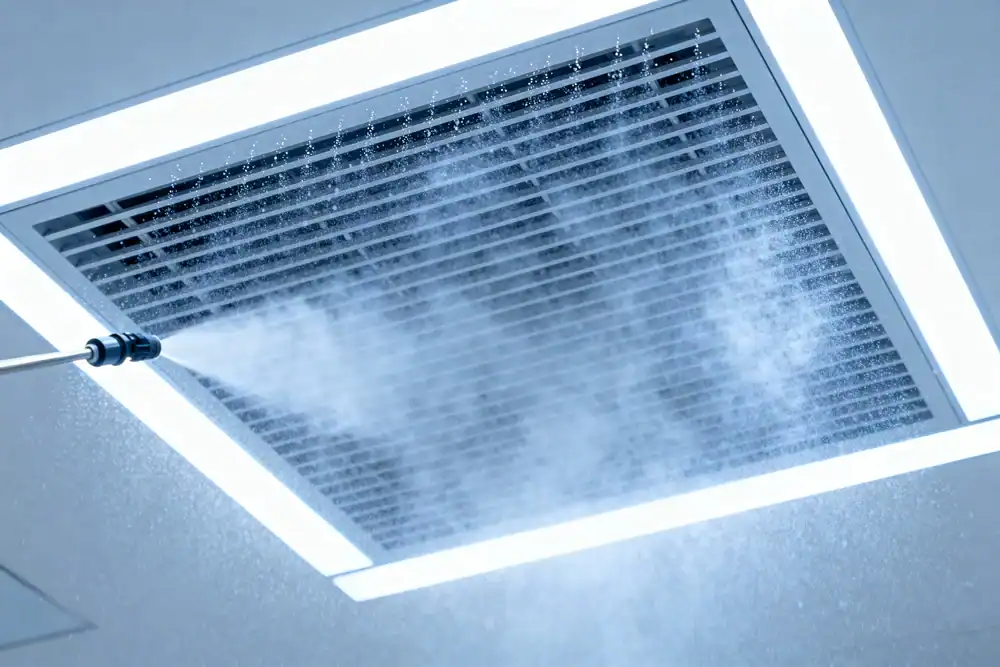
Understanding how scammers operate helps you recognize the tactics before you become a victim. These schemes have been refined over years, and they work because they exploit normal homeowner concerns about safety, efficiency, and cost.
The low-ball bid scam is particularly insidious. A contractor offers an unbelievably low estimate to win your business, then adds fees and charges once work begins. Suddenly the $500 duct cleaning becomes $2,000 because they “discovered” additional problems. Or they claim materials cost more than expected. Or they need to bring in specialized equipment. The final bill bears no resemblance to the original quote.
Full payment upfront is another major red flag. Professional contractors typically request a deposit to cover materials, with the balance due upon completion. Scammers want all your money before they do any work. Once they have it, they either disappear entirely or do such poor work that you end up hiring someone else to fix it.
The unnecessary replacement scam preys on homeowners who don’t understand their HVAC systems. A technician claims your entire system needs replacing when a simple repair would suffice. Or they insist on replacing parts that are functioning fine. Without technical knowledge, you’re at their mercy. That’s why second opinions matter, especially for expensive recommendations.
Fake or exaggerated problems are common with “free inspection” scams. The contractor arrives, looks around for a few minutes, then presents a laundry list of urgent issues. Your ductwork is full of mold. Your system is dangerously inefficient. You’re at risk of carbon monoxide poisoning. They use fear to push you toward immediate, expensive solutions you may not actually need.
The oversizing scam targets system replacements. Contractors recommend the largest, most expensive HVAC unit regardless of your home’s actual needs. Bigger isn’t better with HVAC systems. An oversized unit cycles on and off too frequently, wasting energy and wearing out faster. Proper sizing requires load calculations based on your home’s square footage, insulation, windows, and other factors. If a contractor recommends a system without doing these calculations, they’re either incompetent or dishonest.
Unlicensed impersonation happens more often than you’d think. Scammers claim to represent reputable companies, use similar names, or show up in unmarked vehicles. They might even have professional-looking paperwork. But they’re not actually affiliated with the company they’re claiming to represent. Always verify the company directly through their official website—not the contact information provided by the person at your door.
Watch for contractors who refuse to provide written estimates. Everything should be documented: scope of work, materials, labor costs, timeline, and warranty information. Verbal agreements leave you with no recourse when problems arise. If someone won’t put it in writing, they’re planning to change the terms later.
Online reviews and customer references provide insight into how a contractor actually operates, but you need to know how to read between the lines. Not all reviews are created equal, and scammers have gotten sophisticated about managing their online presence.
Start by checking multiple platforms. Don’t rely solely on testimonials from the contractor’s website. Look at Google Reviews, Yelp, Facebook, Better Business Bureau, and local community forums like Nextdoor. Consistent patterns across platforms are more reliable than isolated reviews on a single site.
Pay attention to how companies respond to negative reviews. Professional contractors address complaints directly, take responsibility for legitimate issues, and explain how they resolved problems. Defensive, aggressive, or dismissive responses tell you how they’ll treat you when something goes wrong. No company is perfect, but good companies stand behind their work and make things right.
Look for specific details in reviews. Generic praise like “great job” or “very professional” doesn’t tell you much. Reviews that describe specific situations, explain what work was done, and detail how the company handled challenges provide real insight. Be skeptical of overly positive reviews that sound like marketing copy—they might be fake.
Red flags in reviews include multiple complaints about the same issues: missed appointments, unexpected charges, pressure tactics, poor communication, or incomplete work. One or two negative reviews among dozens of positive ones might be outliers. Ten reviews mentioning the same problem is a pattern you can’t ignore.
Ask contractors for references from recent jobs similar to yours. Actually call those references. Ask about the quality of work, whether the contractor stuck to the timeline and budget, how they handled any issues that arose, and whether the customer would hire them again. References who hesitate or give vague answers might have been coached.
Check how long the company has been in business. Established contractors with years of local presence have reputations to protect. They depend on word-of-mouth referrals and community trust. Fly-by-night operations don’t care about long-term reputation because they won’t be around long-term.
The number of reviews matters too, but context is important. A newer company might have fewer reviews simply because they haven’t served as many customers yet. What matters more is the consistency and quality of feedback. Sixty-six five-star reviews from verified customers across multiple platforms carries more weight than hundreds of generic, unverified testimonials.
Choosing an HVAC contractor doesn’t have to be overwhelming once you know what to look for. Verify licensing through official state databases. Confirm insurance coverage with actual certificates. Look for industry certifications like NADCA that demonstrate commitment to professional standards. Check reviews across multiple platforms and pay attention to how companies handle complaints. Get written estimates from at least three contractors and be wary of prices that seem too good to be true.
Trust your instincts. If something feels off—if a contractor pressures you, refuses to provide documentation, or can’t answer basic questions about their credentials—walk away. The right contractor will give you time to make informed decisions, provide transparent information, and treat your home with the respect it deserves.
When you’re ready to hire an HVAC contractor in Guilford County, NC, look for companies that check every box this guide recommends. Over 30 years of local experience, NADCA certification, BBB accreditation, verified five-star reviews, and transparent communication aren’t just nice-to-haves—they’re what separate legitimate professionals from contractors you’ll regret hiring. We’ve built our reputation on these exact standards, serving families across Greensboro and surrounding areas since the early 1990s with the kind of honest, quality work that earns trust one home at a time.
Summary:
Share: