
Contact Info
- Greensboro, NC 27406
- Call: 336-707-0498
- Text: 336-707-0498
-
Mon - Fri: 8am - 4pm
Sat - Sun: Closed
Contact Info
What's really circulating through your home's air ducts? This guide covers what professional ductwork cleaning involves, what it costs, and how to spot a scam.
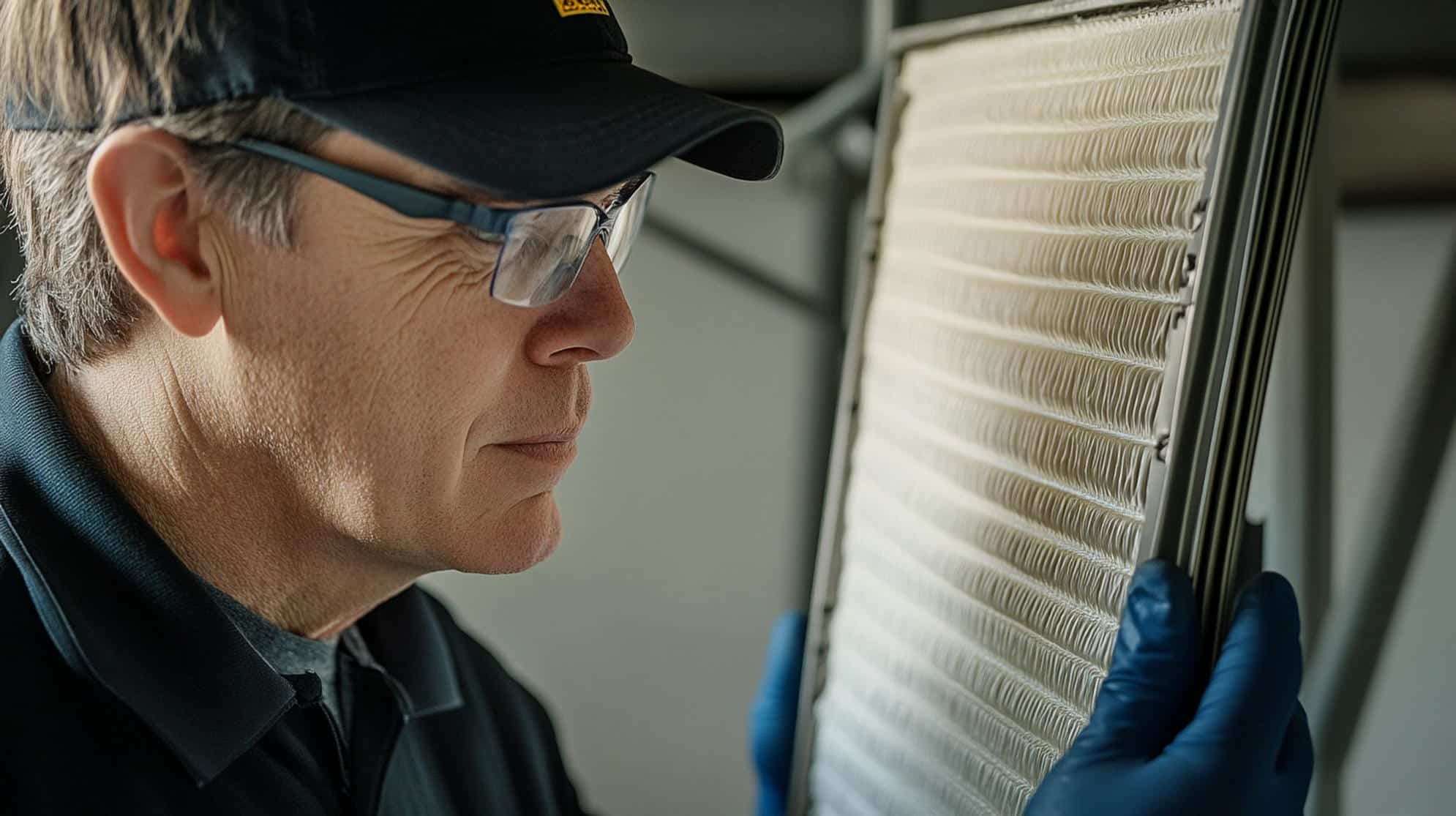
If you’ve noticed more dust settling on surfaces than usual, a musty smell when the AC kicks on, or allergy symptoms that don’t seem to improve even indoors — your ductwork may be part of the problem. Most people never think about what’s inside their HVAC system until something makes them. And by that point, the buildup has often been there for years.
Air duct cleaning isn’t something every home needs every year. But when it’s needed, it genuinely matters. Here’s what the process actually involves, what it should cost, and how to find someone in Guilford County who does it right.
“Air duct cleaning” and “ventilation cleaning” are often used interchangeably, but a thorough job covers more than just the ducts themselves. A complete cleaning addresses the supply ducts, return ducts, registers, grilles, and diffusers — along with components inside the air handler like the blower motor, heat exchanger, and drain pan.
That matters because cleaning only the visible ductwork while leaving contaminated components in place is incomplete work. Contaminants pulled off the duct walls will just get redistributed through a dirty system. We treat the full loop, not just one part of it.
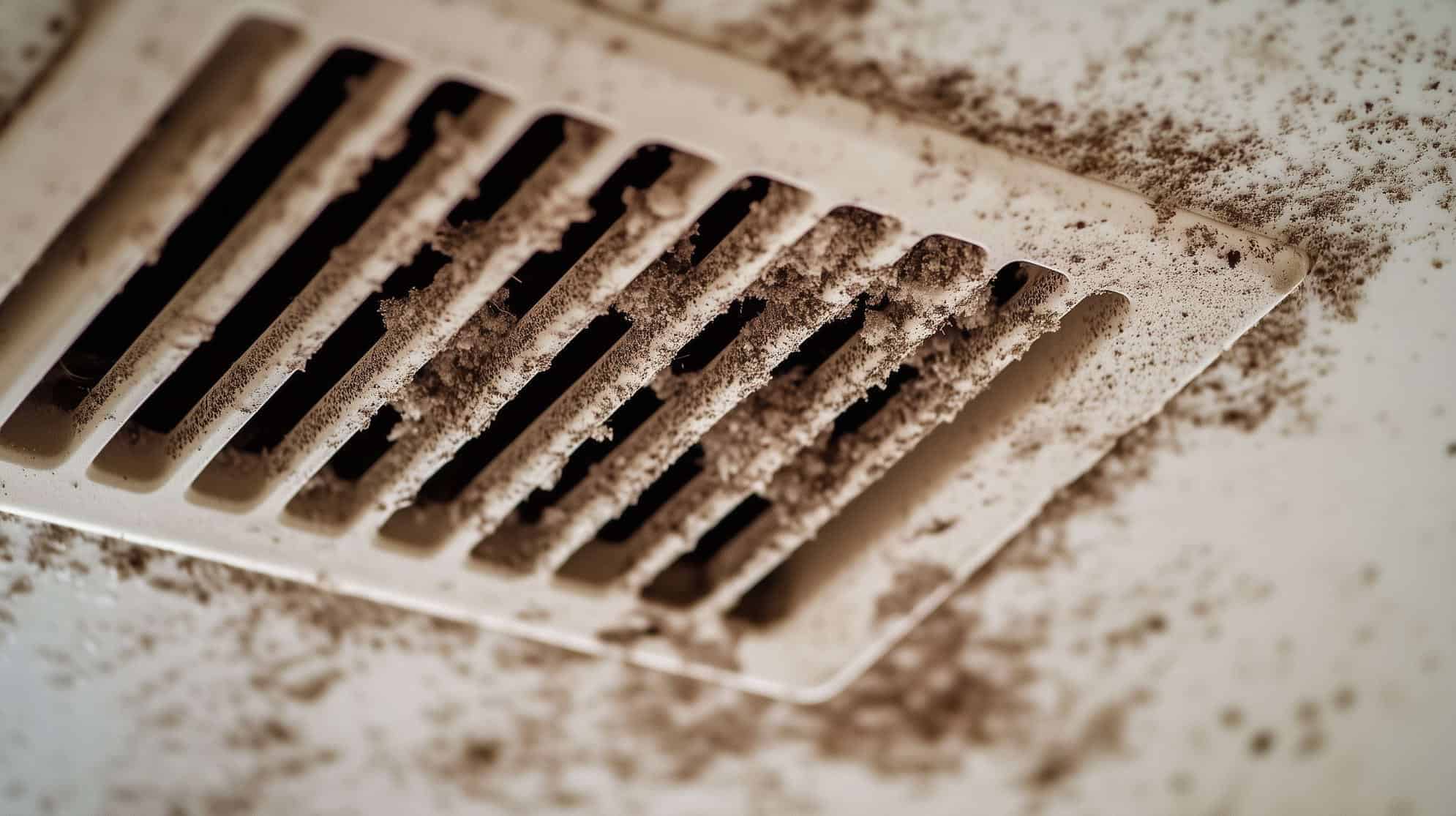
The registers and grilles you can see are just the entry and exit points. What matters is what’s behind them. Over time, the interior walls of your ductwork accumulate layers of dust, pet dander, mold spores, pollen, and other debris that your HVAC filter doesn’t fully catch. Every time the system runs, it pushes that buildup through the air you’re breathing.
Air vent cleaning — the physical cleaning of each register, grille, and the duct section behind it — is one component of a full ventilation cleaning. We remove each vent cover, clean it, and use tools designed to reach into the duct itself. But this only works if the rest of the system is being cleaned at the same time. Cleaning the vents while the main trunk lines stay dirty just moves the problem around.
In Guilford County, spring pollen is genuinely intense and summer humidity sits around 70%. The interior of your ductwork takes on more than it would in a drier climate. Pollen from the Piedmont Triad’s notoriously long allergy season gets pulled into the system, and the humidity creates conditions where mold can take hold — especially in homes built on crawl space foundations, which is common throughout Greensboro, High Point, and the surrounding communities.
That crawl space connection is worth understanding. Up to 40% of the air circulating through a home can come from the crawl space beneath the floors. If that space has moisture issues, mold, or years of accumulated debris, that air is making its way into your living areas every day. Cleaning the ducts without addressing the crawl space is like mopping the floor without fixing the leak.
Your AC system and your heating system share the same ductwork in most homes, but the cooling side has a few specific concerns worth knowing about. The evaporator coil — the component inside your air handler that actually cools the air — is a prime spot for dust and mold accumulation. It stays wet during operation, which makes it an ideal surface for biological growth if it isn’t maintained.
When the evaporator coil is dirty, your system works harder to cool your home, your energy bills go up, and the air coming through your vents carries whatever’s growing on that coil. AC vent cleaning that doesn’t include the air handler components is only doing part of the job.
This is especially relevant in Guilford County’s climate. Running your AC from May through September — sometimes longer — means the cooling side of your system is under sustained use. Homes in neighborhoods like Irving Park, Adams Farm, or Summerfield that have been on the same system for a decade or more without a professional cleaning are often dealing with buildup that a new filter alone won’t address.
The fix isn’t always a full system replacement. In many cases, a thorough professional cleaning restores airflow, reduces strain on the equipment, and extends the life of the system significantly. Dirty ductwork can waste up to 40% of an HVAC system’s output — which means a clean system can meaningfully reduce what you’re spending on energy every month.
Want live answers?
Connect with a Clean Air LLC expert for fast, friendly support.
Pricing in this industry varies more than it should, and a lot of that variation comes from companies that aren’t doing the same level of work. The national average for professional duct cleaning runs between $450 and $1,000 for a full system in an average-sized home. Some companies charge a flat rate; others charge per vent, typically $25 to $50 per vent.
What you should not expect is a legitimate full-home cleaning for $99. That number exists, but it’s almost never what it sounds like.
Several factors affect what you’ll pay for AC duct cleaning. The size of your home matters — more square footage means more ductwork and more time. The age and condition of the system plays a role too. A home in Guilford Hills or Latham Park with original 1970s ductwork that’s never been cleaned is a different job than a newer build in Oak Ridge with a well-maintained system.
The type of ductwork also affects the price. Flexible duct, which is common in many Guilford County homes, requires different tools and more care than rigid metal duct. A company that uses the same approach for every system regardless of type is either cutting corners or doesn’t know what they’re doing. Torn flex duct is a real risk when inexperienced technicians use the wrong equipment.
Accessibility is another factor. If your ductwork runs through tight crawl spaces or attic sections that are difficult to reach, the job takes longer and costs more. We assess your system before quoting and give you a clear picture of what the job involves. That free inspection isn’t just a courtesy — it’s how we build an honest quote.
What you’re really paying for is the equipment, the expertise, and the time it takes to do the job properly. A thorough cleaning of an average home takes three to four hours. If a company quotes you a price that implies a 45-minute visit, the math doesn’t add up.
Homeowners sometimes ask whether they can save money by cleaning just the vents or just the main trunk lines. Technically, yes — but the savings are short-lived. A partial cleaning leaves contamination in the untouched sections, and the system redistributes it within weeks. You end up paying for a cleaning that didn’t hold, and then paying again.
Full air duct and vent cleaning — treating the entire ventilation system as one connected loop — is the approach that actually produces lasting results. When every section is cleaned at the same time, there’s no dirty reservoir left to contaminate the clean sections. The air quality improvement holds. The system runs more efficiently. And you don’t have to call someone back in six months.
For homes in Guilford County that have gone five years or more without a cleaning, the first professional cleaning often reveals just how much has accumulated. Customers who’ve seen what comes out of their ductwork tend to understand immediately why the job takes as long as it does. We show you what was removed — that’s accountability.
There’s also the crawl space factor to consider again. If your home sits on a crawl space foundation — which describes a significant portion of homes in Greensboro, High Point, Kernersville, and Jamestown — addressing the ductwork without also assessing the crawl space leaves a major source of contamination unresolved. The two systems are connected, and the most effective approach treats them that way.
The duct cleaning process starts with a full system inspection. We identify where contamination is heaviest, assess whether your crawl space is contributing to the problem, and determine which tools and techniques will work best for your specific ductwork type. That assessment shapes everything that follows.
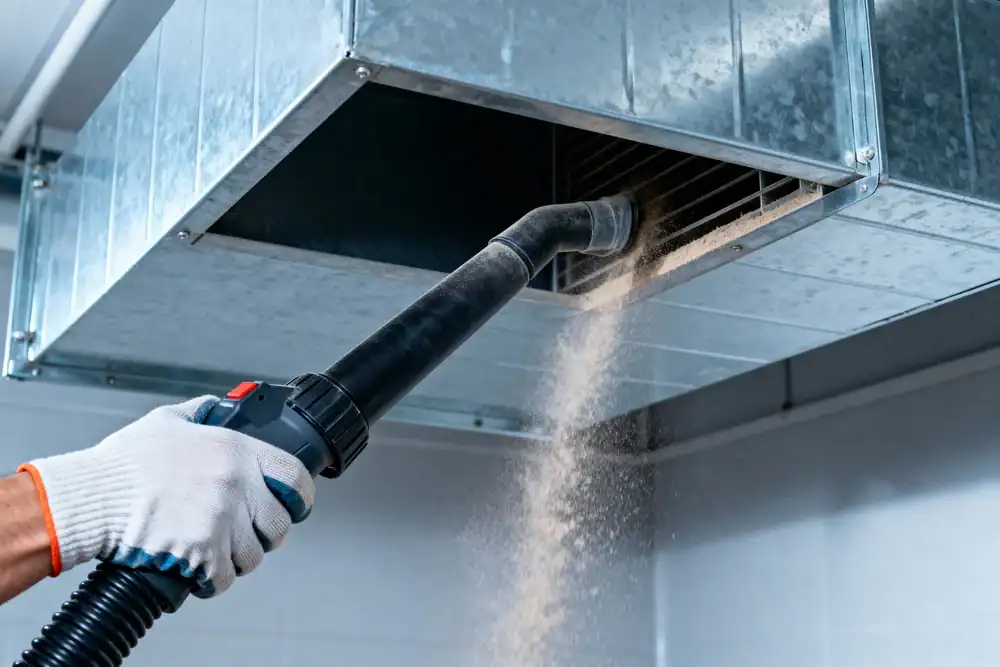
Once we begin, we use negative pressure equipment to isolate sections of the system and pull contaminants toward a collection point rather than pushing them through your home. We access the ductwork at strategic points, use brushes and air whips to dislodge buildup, and vacuum it all away. We clean the registers, grilles, and diffusers individually. We address the air handler components — the blower, coils, and drain pan — where a lot of contamination collects. The whole process is thorough and takes time.
We don’t cut corners, and we don’t use high-pressure techniques that can damage flexible ductwork. A proper duct cleaning process respects the integrity of your system while actually removing what’s accumulated inside it.
Summary:
Share: