
Contact Info
- Greensboro, NC 27406
- Call: 336-707-0498
- Text: 336-707-0498
-
Mon - Fri: 8am - 4pm
Sat - Sun: Closed
Contact Info
That musty smell isn't just an annoyance. If you can't find any mold, the source is probably somewhere you haven't looked yet.
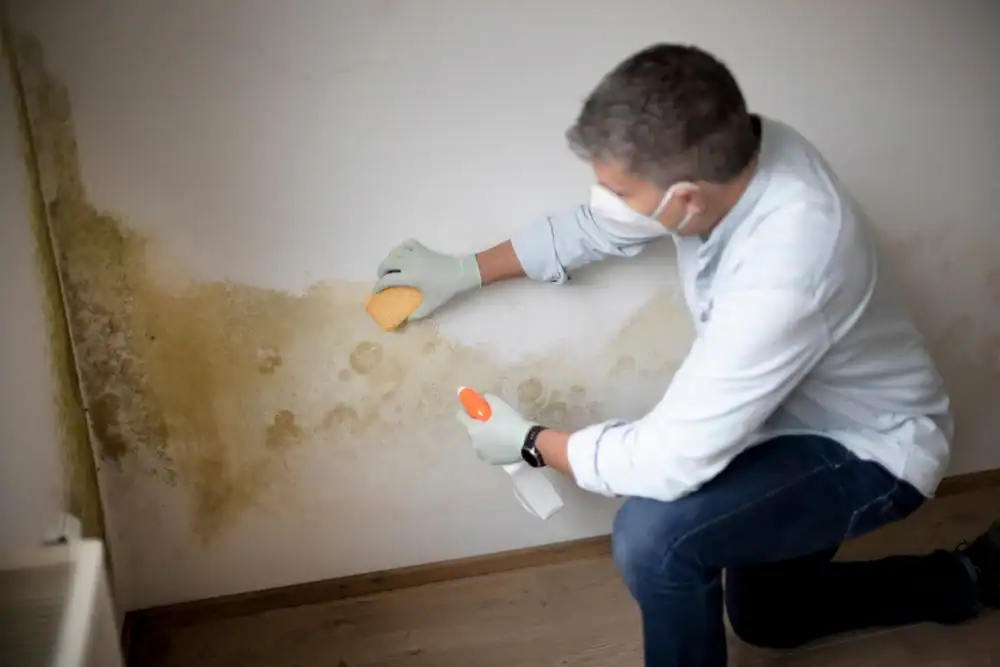
You’ve checked the bathroom. You’ve looked under the sinks. You’ve sniffed around the basement. Nothing. But that musty smell is still there — sometimes faint, sometimes strong enough to notice the moment you walk in the door. It’s easy to wonder if you’re imagining it, or if it’s just “how old houses smell.” You’re not imagining it. And it’s not something you have to live with. What you’re dealing with is real, it has a specific cause, and in most Guilford County homes, it’s coming from somewhere most people never think to check.
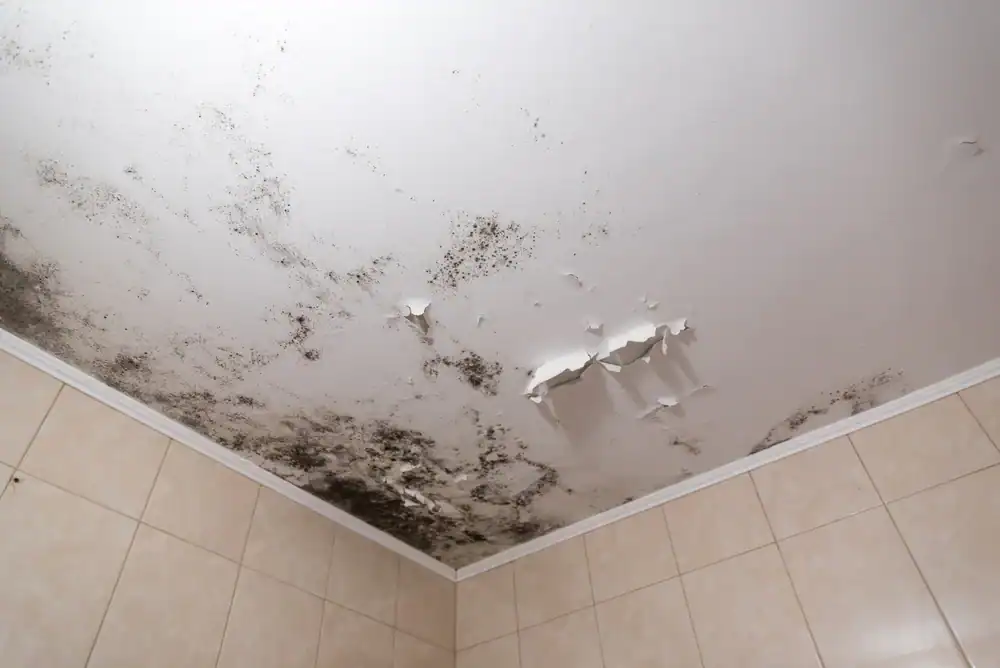
Here’s the thing most people get wrong: the absence of visible mold doesn’t mean the absence of a mold problem. Mold and the bacteria that grow alongside it in damp environments produce chemical byproducts called microbial volatile organic compounds — MVOCs for short. These are the actual source of that musty, earthy smell. They’re released into the air before any visible surface growth appears, which means your nose is often the first to know, long before you’d ever spot anything with your eyes.
So when your house smells musty but you can’t find mold anywhere, it doesn’t mean the problem isn’t there. It means the mold is somewhere you haven’t looked — or somewhere you can’t easily reach. That distinction matters, because it changes what you need to do next.
MVOCs — microbial volatile organic compounds — are gases released by living microorganisms as they feed on organic material. Mold, mildew, and certain bacteria all produce them. They’re what give that musty smell its distinct character: earthy, damp, sometimes described as wet newspaper or a wet dog that’s been sitting in a basement.
The important thing to understand is that MVOCs are a sign of active microbial activity. The organisms producing them are alive and growing. That’s why the smell tends to get stronger over time rather than fading on its own — the colony grows, the MVOC output increases, and the odor becomes harder to ignore.
This also explains why air fresheners, candles, and plug-in deodorizers don’t solve the problem. They’re working at the air level, masking the symptom. The source — whatever is actively producing those MVOCs — is still there, still growing, still releasing gases into your home. You’d have to run air fresheners indefinitely just to stay ahead of it, and research has found that more than 20% of people report health problems from using them regularly.
MVOCs can cause real symptoms even when mold spore counts in the air aren’t dramatically elevated. Headaches, congestion, eye irritation, and general fatigue are all associated with MVOC exposure. If your family has been dealing with allergy-like symptoms that don’t quite match a normal seasonal pattern — or that seem better when you’re away from home — that’s worth paying attention to.
If you live in Guilford County and your house smells musty, the single most likely culprit is your crawl space. Not your bathroom. Not under the kitchen sink. The space beneath your floors.
Here’s why this matters specifically in this area. Guilford County sits in the Piedmont, where outdoor humidity regularly hits 70% or higher during summer months. The soil here is heavy with red clay, which retains moisture far longer than sandy or loam soils. That combination — persistent ground moisture and high ambient humidity — creates ideal conditions for microbial growth in any space that isn’t properly sealed and managed.
Most homes in Greensboro, High Point, and the surrounding county were built during the mid-20th century, when vented crawl spaces were standard. The thinking at the time was that ventilation would keep crawl spaces dry. Building science has since shown the opposite is true in humid climates like ours. Vented crawl spaces in North Carolina actually pull warm, humid outdoor air in during summer, where it condenses on cooler surfaces and raises moisture levels — exactly the wrong outcome.
What happens next is what’s called the stack effect. As warm air rises through your home and escapes through the upper floors, it draws replacement air upward from below. In a home with a vented or unsealed crawl space, that replacement air comes from the crawl space. Research from the Crawlspace Energy Institute puts it plainly: up to 40% of the air circulating on your first floor originated beneath your home. If that crawl space has elevated moisture, mold colonies, or active MVOC production, that air carries it right into your living space — continuously, year-round.
A North Carolina study that assessed 238 homes found that 19% showed active transmission of mold spores from the crawl space into the living environment through the HVAC system. That’s not a fringe scenario. In a county with as many older homes as Guilford County has, it’s a common one.
Want live answers?
Connect with a Clean Air LLC expert for fast, friendly support.
This is a question we hear often, especially from people who’ve recently bought an older home in Greensboro, High Point, or elsewhere in Guilford County and aren’t sure whether what they’re smelling is just the character of an older house or something that needs attention.
There is a difference, but it’s not always obvious. Older homes do develop a baseline odor over time — aged wood, accumulated dust in ductwork, off-gassing from older insulation and building materials. That kind of smell tends to be consistent and doesn’t intensify. Active mold odor, driven by MVOC production, tends to be stronger in certain areas, gets worse over time, and often has a sharper or more organic quality to it.
There are a few patterns worth paying attention to if you’re trying to figure out whether what you’re dealing with is passive old house odor or something more active.
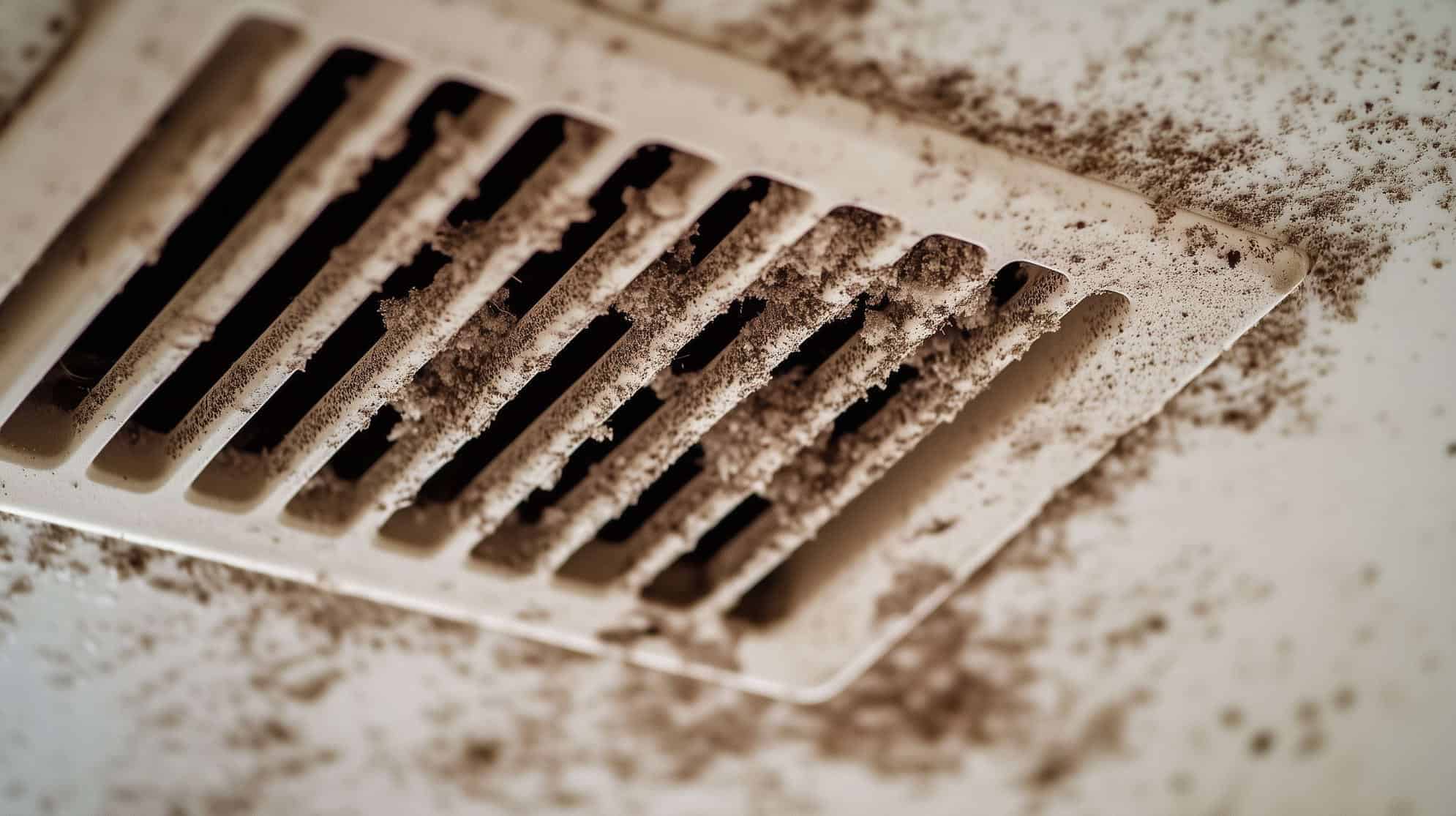
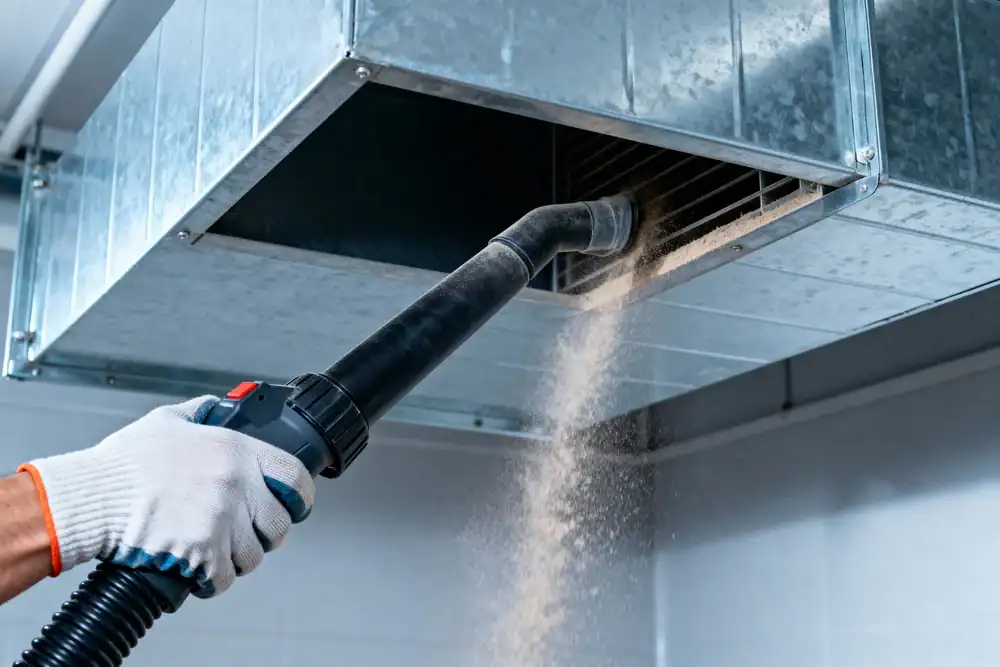
The most telling one: does the smell intensify when your HVAC system kicks on? If the answer is yes — if the first few minutes after the heat or AC turns on are noticeably mustier than the rest of the time — that’s a strong signal that your ductwork is involved. Leaky ducts in a crawl space can pull MVOC-laden air directly into the system and distribute it to every room in the house. There’s even a recognized HVAC industry term for a related problem: dirty sock syndrome, which refers to the musty smell caused by microbial growth on the AC evaporator coil. The coil’s damp, dark environment is a natural breeding ground, and the smell tends to be strongest when the system first starts up.
Another pattern: is the smell noticeably stronger on the first floor than upstairs? Given how the stack effect works, crawl space air enters from below and rises. First-floor rooms, floor-level registers, and areas near the crawl space access point tend to be where the smell is most concentrated.
And finally: does it get worse during humid stretches of weather? Mold and bacteria are more active when moisture levels are high. If the smell tracks with Guilford County’s humid summers or after periods of heavy rain, that’s consistent with an active moisture problem rather than just the natural smell of an older home.
None of these patterns are definitive on their own, but together they help narrow down what you’re dealing with — and they’re worth noting before you call anyone, because a good inspector will ask exactly these kinds of questions.
The short answer is: you have to address the source, not the symptom. That means finding where the moisture and microbial activity are originating, treating the mold or mildew that’s there, correcting the conditions that allowed it to grow, and cleaning any ductwork that’s been distributing the contaminated air throughout your home.
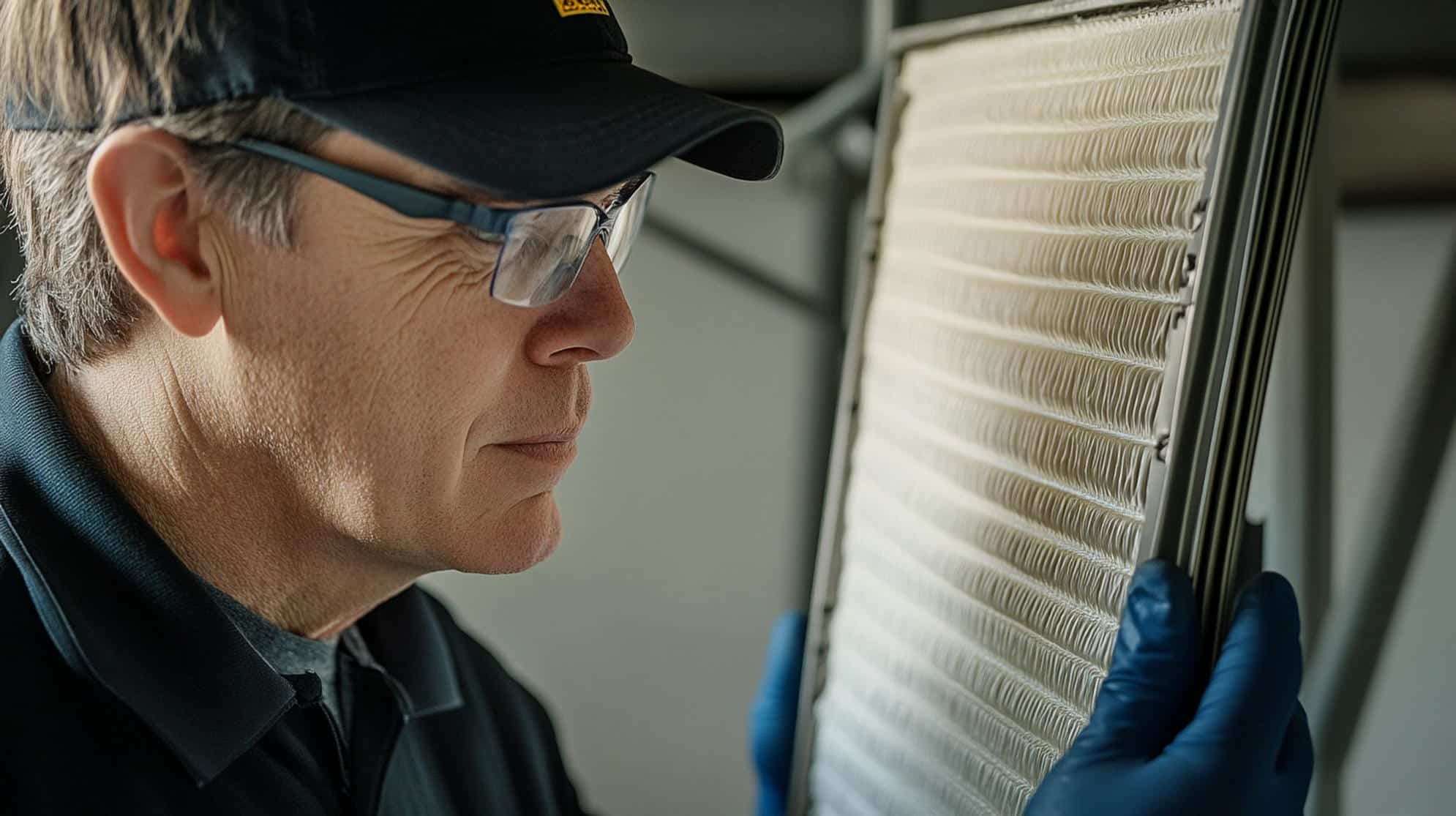
That last part is one that often gets skipped, and it’s a mistake. Even if you remediate the crawl space completely — encapsulate it, install a dehumidifier, seal the vents — your ductwork may still be holding onto years of accumulated mold spores, dust, and debris. As long as those ducts are circulating that air, the smell can persist even after the source has been treated. The crawl space and the duct system need to be addressed together.
This is exactly the kind of problem we’ve been solving in Guilford County homes since the early 1990s. We hold both NADCA certification for air duct cleaning — which means we follow the ACR Standard, the worldwide benchmark for HVAC cleaning — and IICRC AMRT certification for mold remediation, which is the formal training standard for handling microbial contamination. Most companies specialize in one or the other. We do both, which matters when the problem involves both the source and the delivery system.
We use truck-mounted HEPA vacuum systems that create true negative pressure throughout the duct system, so loosened contaminants are captured and removed rather than redistributed into the air you’re breathing. Every job includes before-and-after camera documentation so you can see exactly what was found and what was removed. We offer free inspections as a starting point — not to sell you something, but to give you an honest picture of what’s actually going on in your home.
If you want data rather than just a visual inspection, our Air Quality Testing service measures actual mold spore counts and can confirm whether your indoor air is elevated compared to outdoor baseline levels. That’s the same standard used by professional mold inspectors, and it gives you something concrete to work with rather than guessing.
If you’ve looked everywhere and still can’t find the source of a musty smell, the most useful thing you can do is stop looking at surfaces and start thinking about what’s underneath and inside your home — your crawl space and your ductwork. In Guilford County, with its clay soil, high summer humidity, and large stock of older homes with vented crawl spaces, those are the two places where this problem almost always originates.
The smell is telling you something real. MVOCs don’t appear out of nowhere — they’re produced by living organisms that are actively growing somewhere in your home. The longer that goes unaddressed, the larger the colony gets and the harder the problem becomes to resolve cleanly.
If any of what’s described here sounds familiar, Clean Air LLC offers free inspections for exactly this reason. We’ve been in Guilford County homes long enough to know what to look for, and we’re not going to recommend something you don’t need. Reach out and let’s figure out what’s actually going on.
Summary:
Share: